
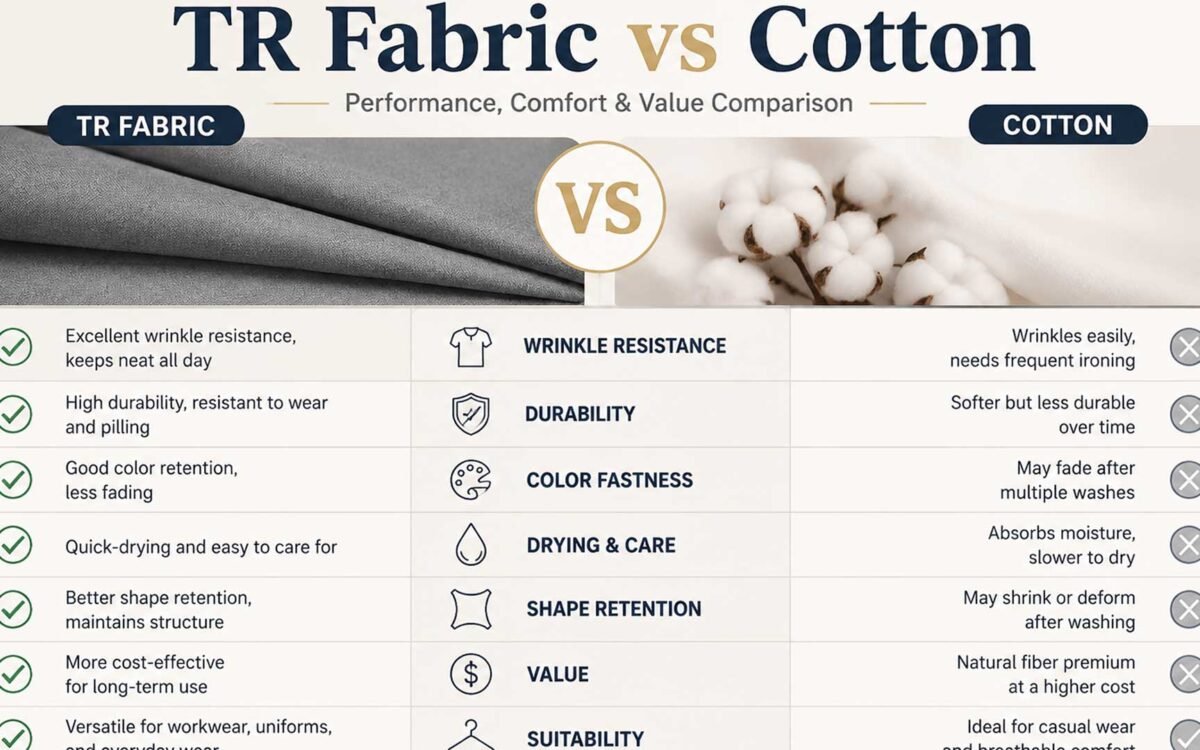
TR Fabric vs Cotton: Which Is Better for Your Project?
TR fabric polyester-viscose vs 100% cotton — a side-by-side comparison of hand feel, breathability, wrinkle resistance, durability, shrinkage, and cost per wear. Which one should you choose?
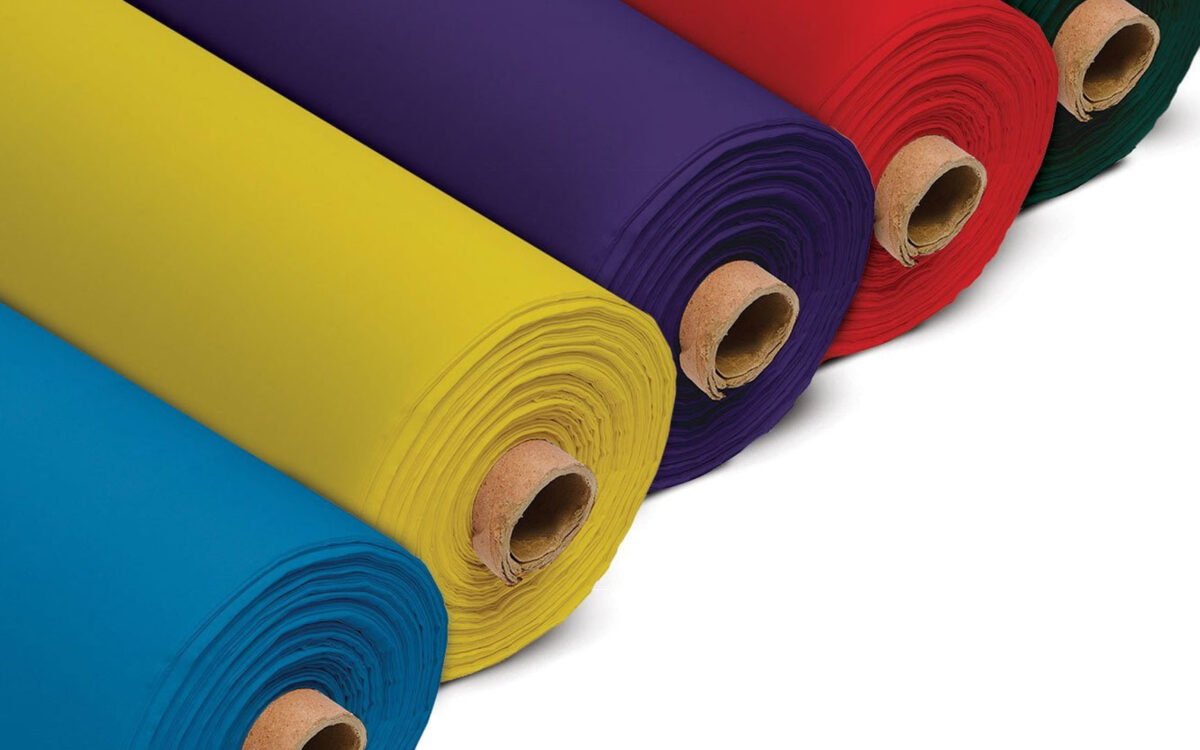
Where to Buy 100% Cotton Material
Where to buy 100% cotton material for your clothing line. Compare mills, wholesalers, and online sources. Learn how to evaluate cotton quality, grades, and pricing. A practical guide for brands and designers.
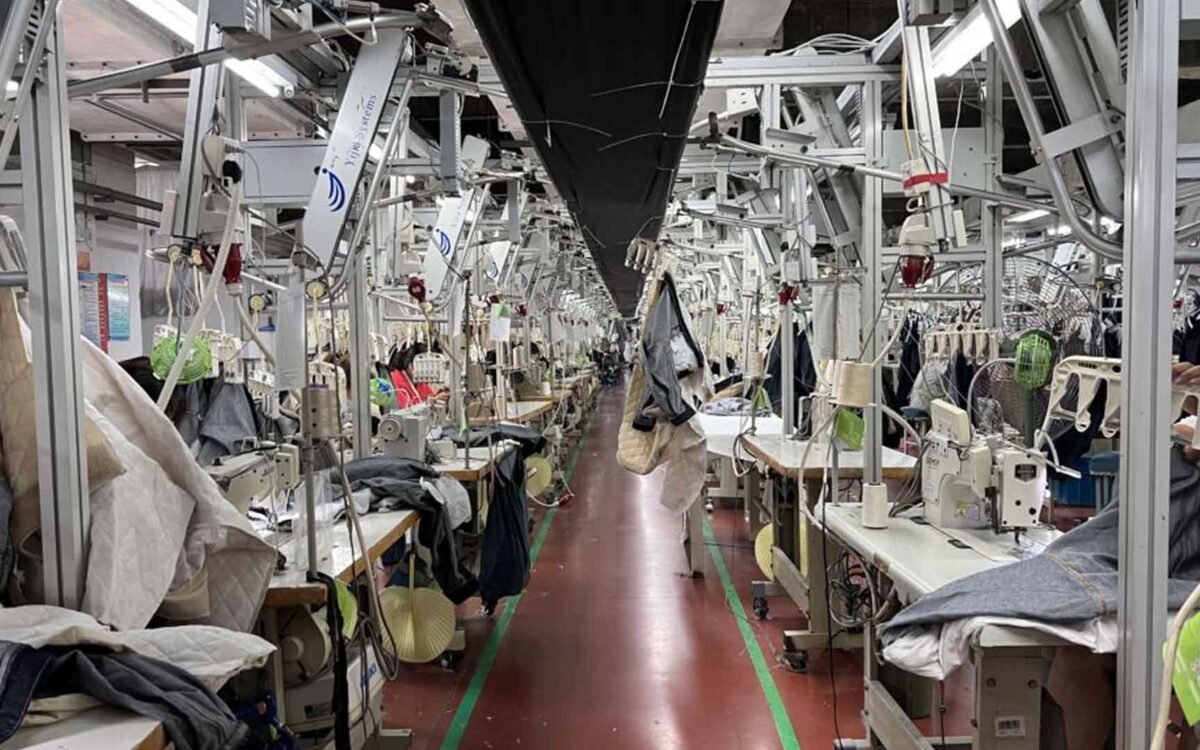
How to Source Fabric for a Clothing Line: A Complete Guide for Brands and Designers
How to source fabric for a clothing line — from spec creation and supplier selection to sample testing, MOQ negotiation, and quality control. A practical guide from a fabric manufacturer.
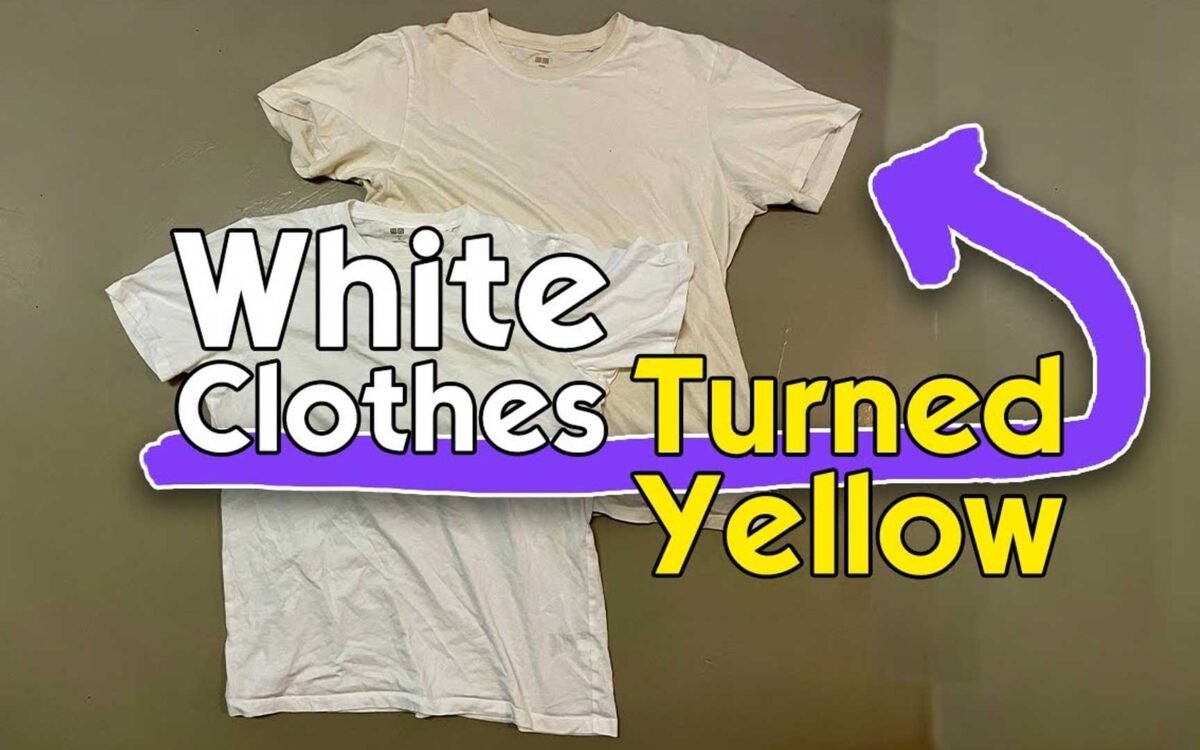
Why Do White Clothes Turn Yellow? A Fabric Manufacturer Explains the 5 Real Causes
White fabric yellowing explained by a textile manufacturer. Oxidative yellowing, OBA depletion, deodorant stains, storage off-gassing, and detergent residue. What actually works to prevent it.
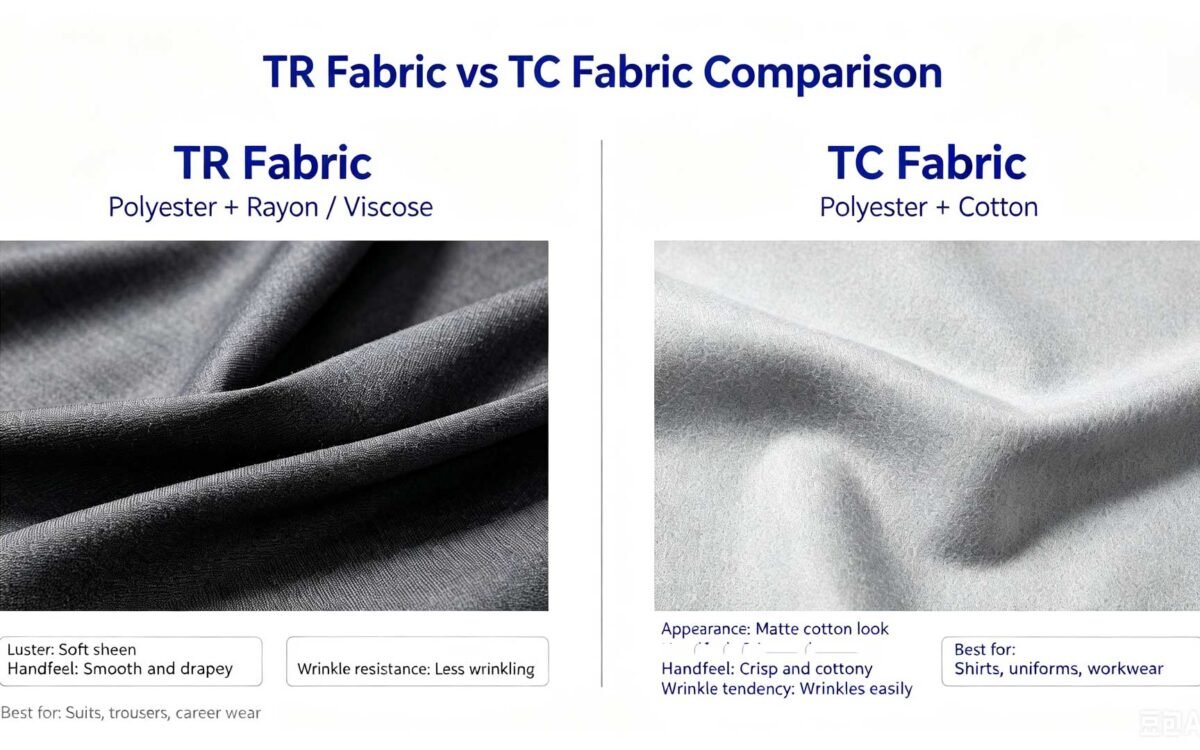
TR Fabric vs TC Fabric: What's the Difference and Which Should You Choose?
TR polyester-viscose vs TC polyester-cotton — hand feel, breathability, durability, shrinkage, and which application each fabric suits best. A practical comparison from XINGYE TEXTILE.
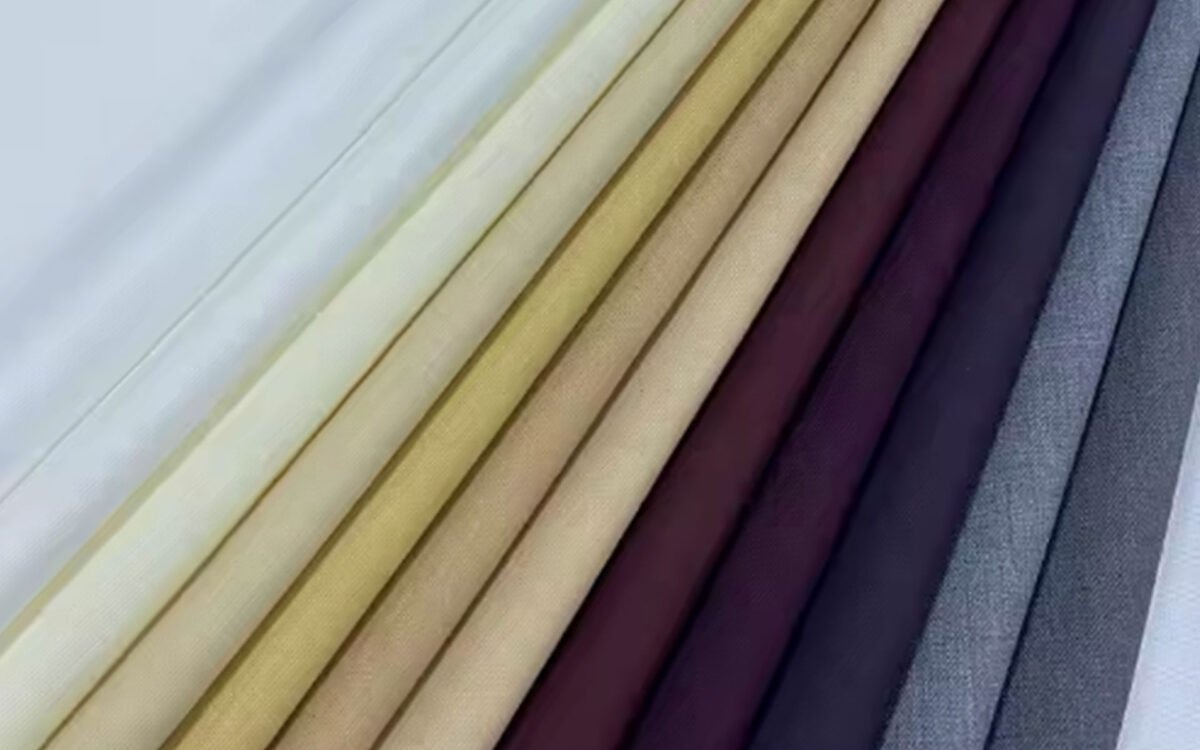
What Is TR Fabric? The Complete Guide to Polyester-Viscose Blend
TR fabric is a polyester-viscose blend (65/35 standard). Learn what it stands for, how it performs vs cotton vs TC vs polyester, and what it's best used for. Factory guide from XINGYE TEXTILE.
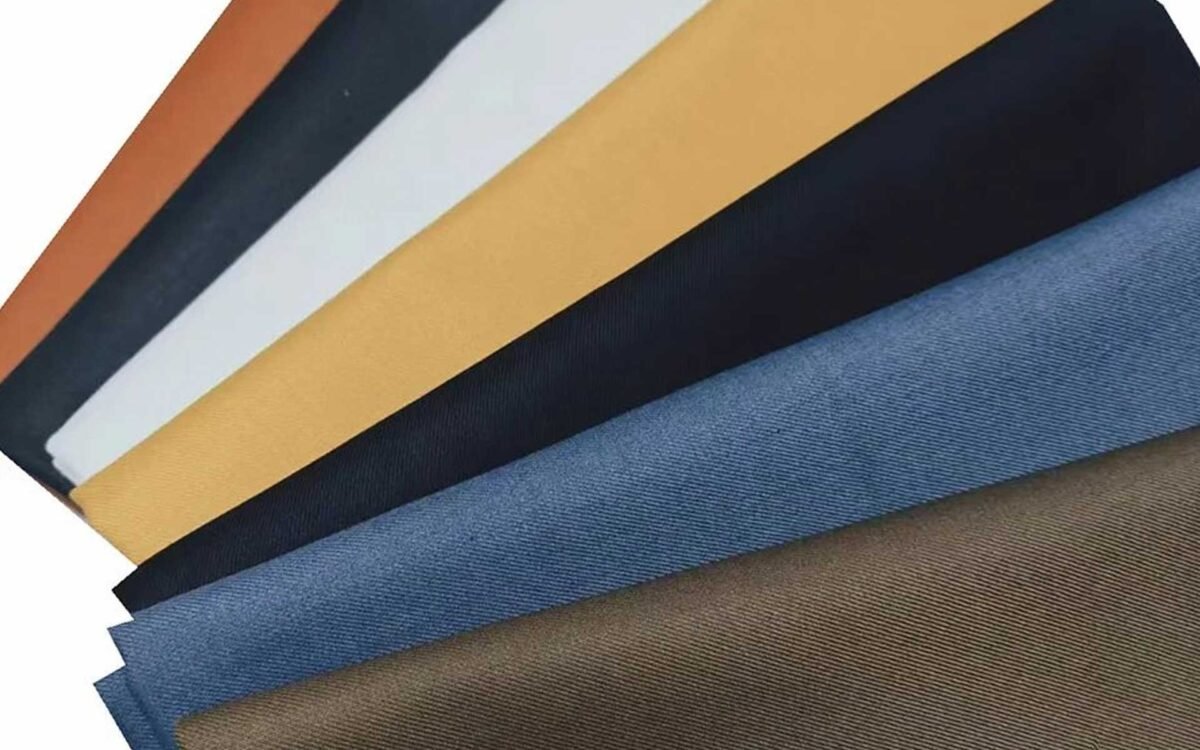
TR 65/35 Polyester Viscose Fabric: Specifications and Supplier Guide
Sourcing TR 65/35 polyester viscose fabric wholesale? Check specifications, weight (180-320 GSM), and applications from Hebei fabric manufacturer XINGYE TEXTILE.
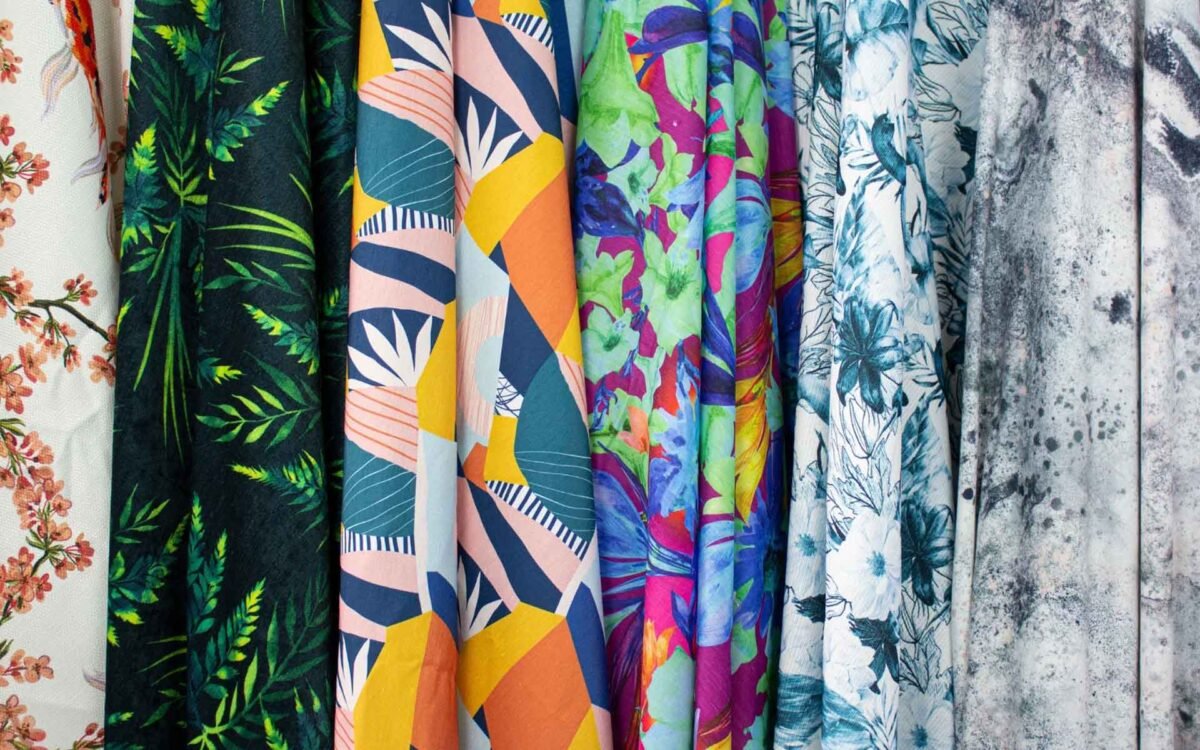
How to Choose Fabric for Clothing: A Guide for Designers, Brands & Garment Buyers
Learn how to choose the right fabric for clothing — fiber composition, GSM, weave structure, and functional finishes explained for fashion designers, clothing brands, and small-batch garment buyers sourcing fabric from manufacturers.

Is Twill Fabric Comfortable? Properties, GSM Guide & Wholesale Sourcing for Garment Buyers
Is twill fabric comfortable? Yes — and it's one of the most widely used constructions in garment manufacturing. This guide covers twill fabric properties, GSM ranges, fiber composition options, applications, and wholesale sourcing information for clothing brands and bulk buyers.

Is Viscose Fabric Breathable? Properties, Performance & Sourcing Guide
Viscose is breathable. But if you're sourcing for a uniform contract, that fact alone will cost you money. Here's what every procurement manager needs to know before specifying viscose at scale.
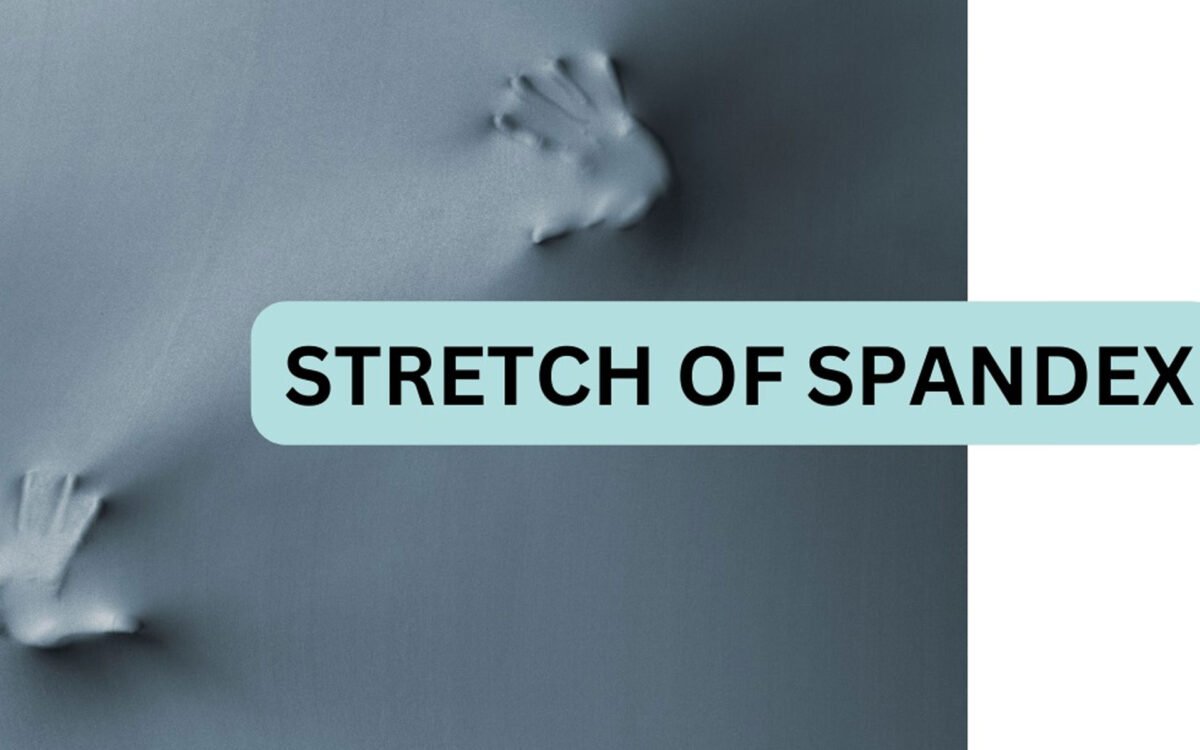
Is Spandex Stretchable? How Spandex and Stretch Fabric Work in Garment Production
Is spandex stretchable? Yes — spandex can stretch up to 5–8 times its original length. This guide explains how spandex works in garment production, how much spandex to specify, and how to source stretch fabric wholesale from a China manufacturer.
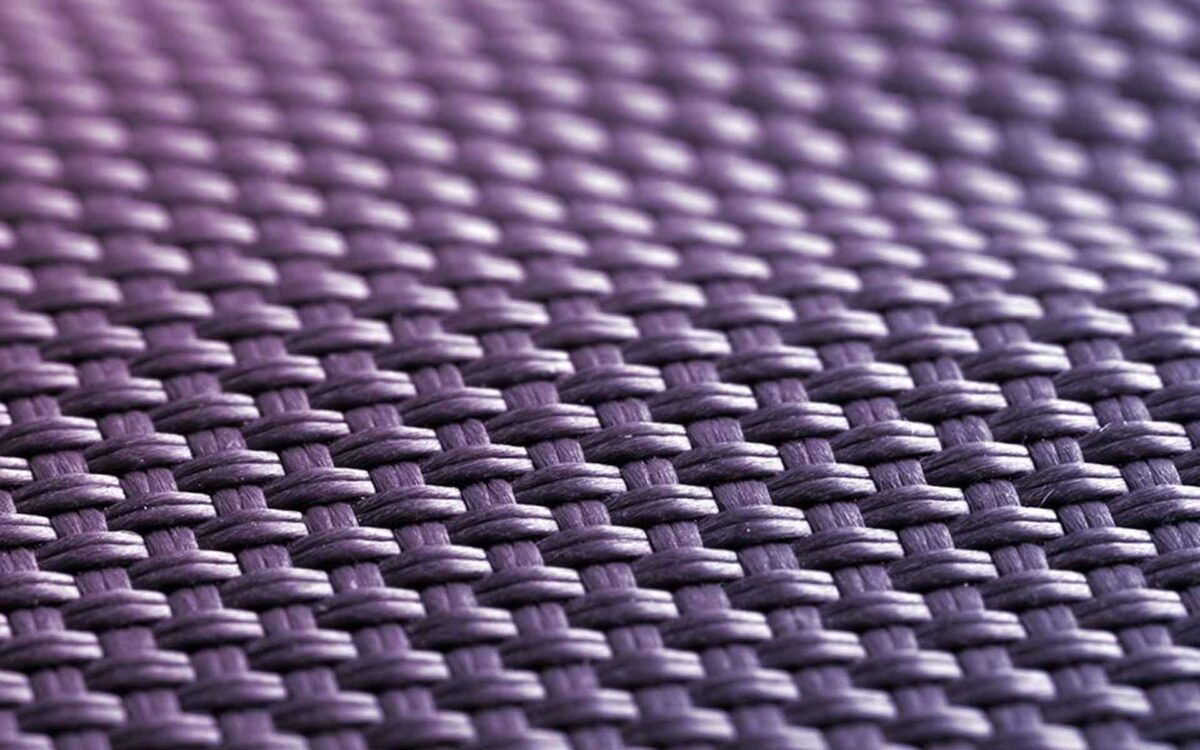
Is Nylon Fabric Breathable? The Real Answer for Garment Manufacturers and Fabric Buyers
Is nylon fabric breathable? The answer depends on construction and finish — not just fiber type. This guide explains nylon breathability, how it compares to other fibers, and how to source wholesale nylon fabric from a China manufacturer.
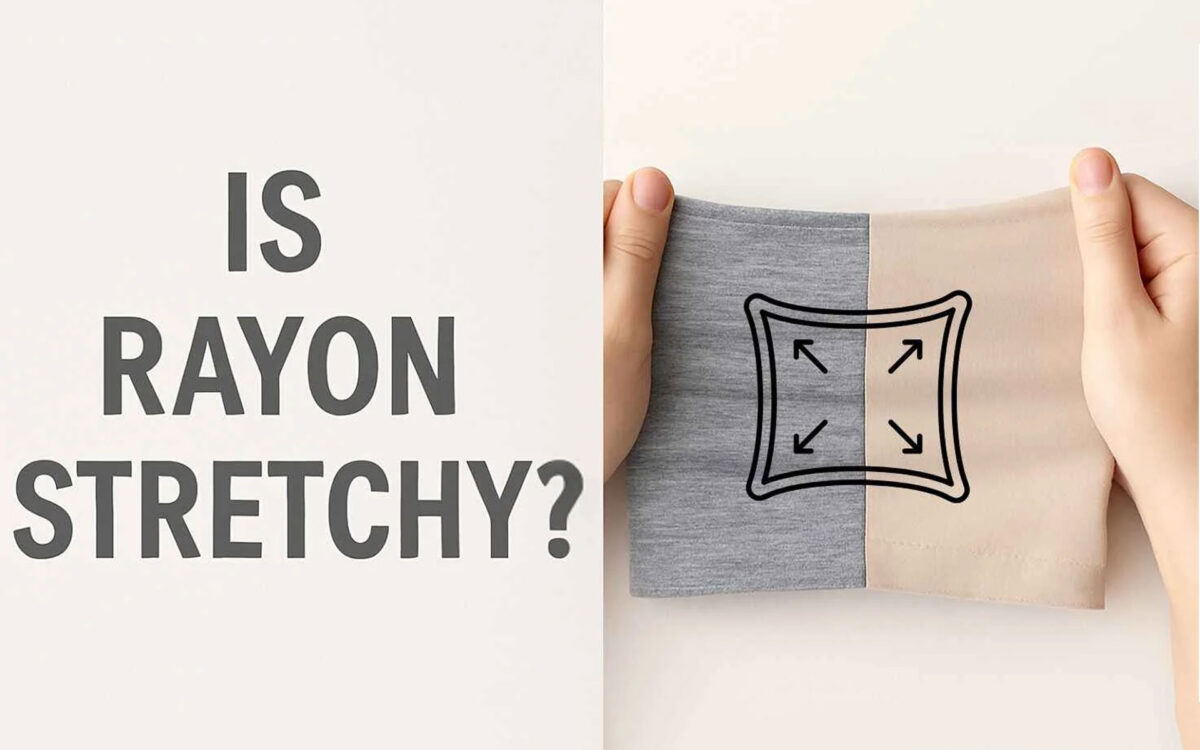
Is Rayon Stretchy? Everything Apparel Manufacturers Need to Know About Rayon and Stretch
Is rayon stretchy? Pure rayon has minimal natural elasticity — but rayon fabrics can be engineered for stretch through construction and blending. This guide covers rayon stretch properties, blend options, and wholesale sourcing for garment manufacturers and fabric buyers.
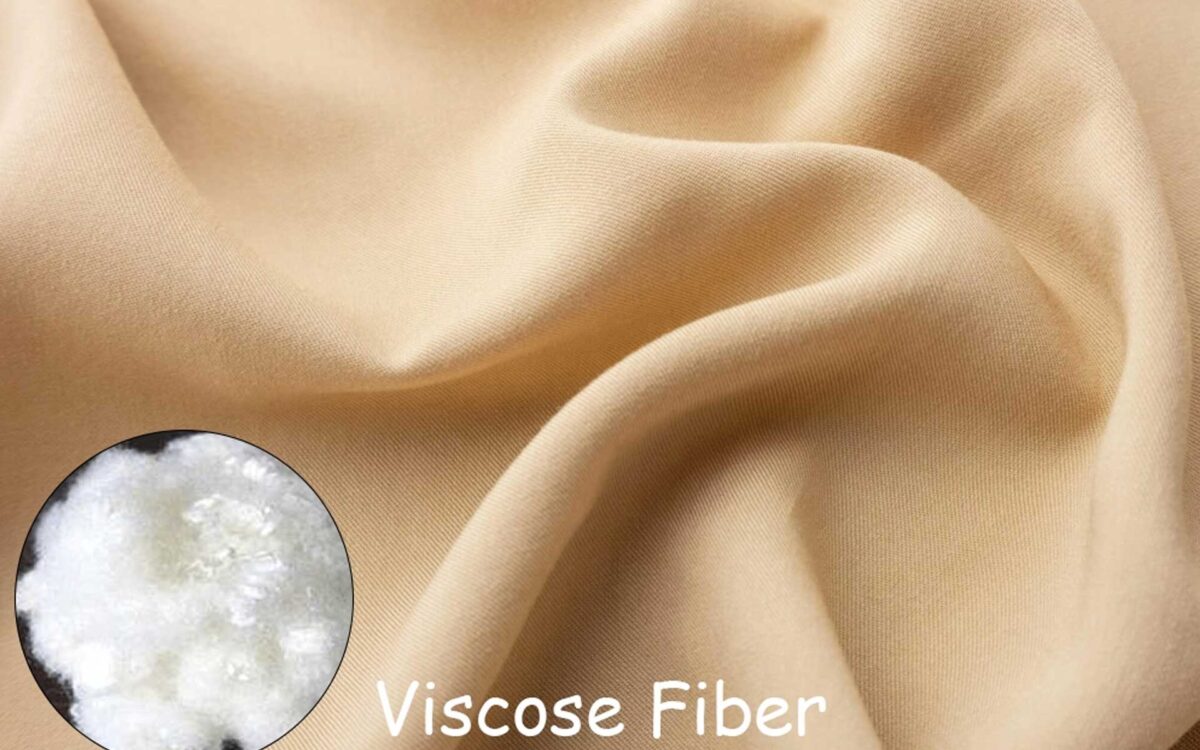
Is Viscose a Natural Fiber? Viscose, Sustainability & What Sourcing Managers Need to Know
Is viscose a natural fiber? No — viscose is semi-synthetic, but its cellulose origin gives it properties no synthetic fiber can match. This guide covers viscose fiber classification, sustainability credentials, GOTS and GRS certification, and wholesale sourcing for garment buyers.
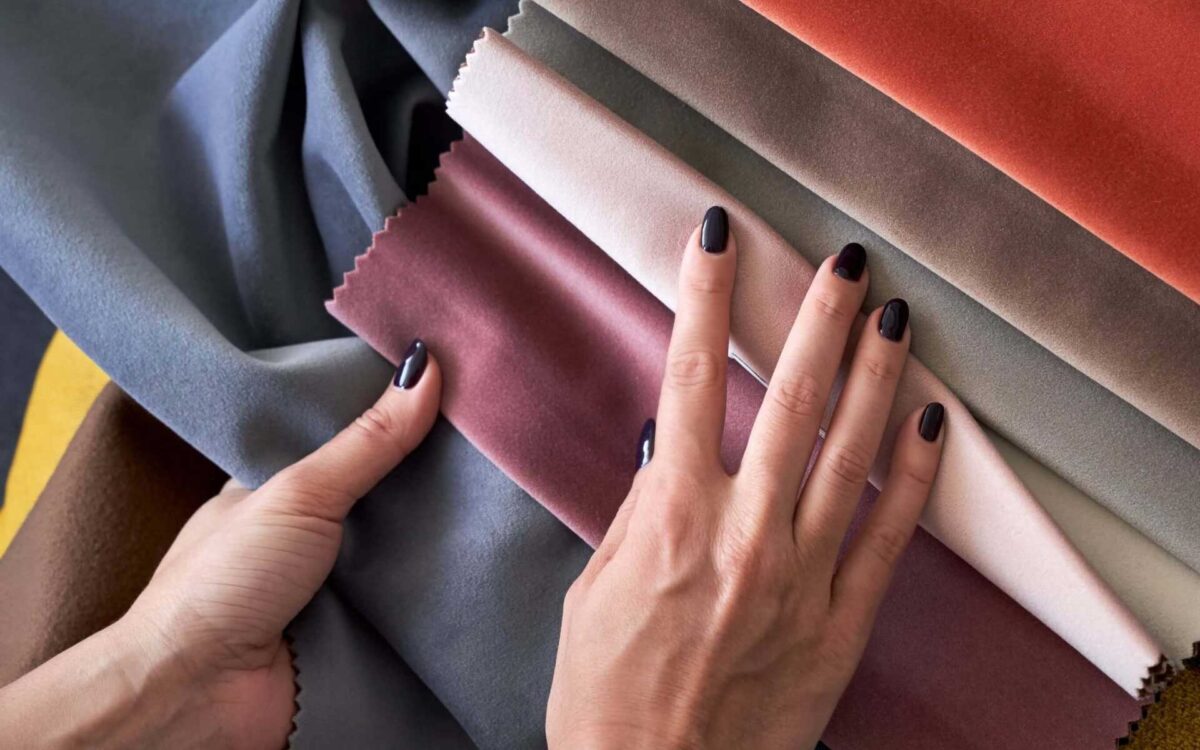
Is Polyester Stretchy? The Definitive Guide for Apparel Manufacturers and Fabric Buyers
Is polyester stretchy? Pure polyester has minimal natural elasticity — but polyester fabrics can be engineered for significant stretch through construction and blending. This guide covers polyester stretch properties, blend specifications, and wholesale sourcing for garment manufacturers.
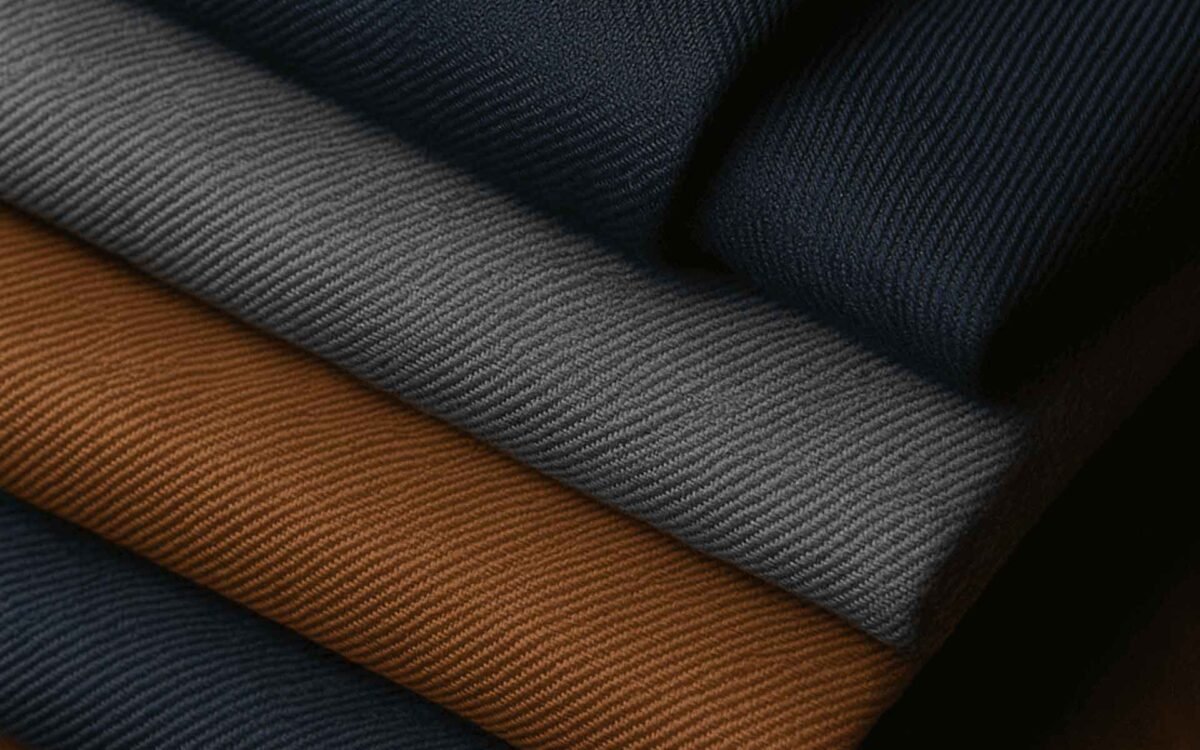
What Type of Fabric Is Twill? The Complete Technical Guide for Fabric Buyers and Garment Manufacturers
What type of fabric is twill? Twill is a weave structure — not a fiber — used across cotton, polyester, TR, TC, wool, and nylon fabrics. This technical guide covers twill weave mechanics, construction variants, fiber combinations, GSM ranges, and wholesale sourcing for garment manufacturers.
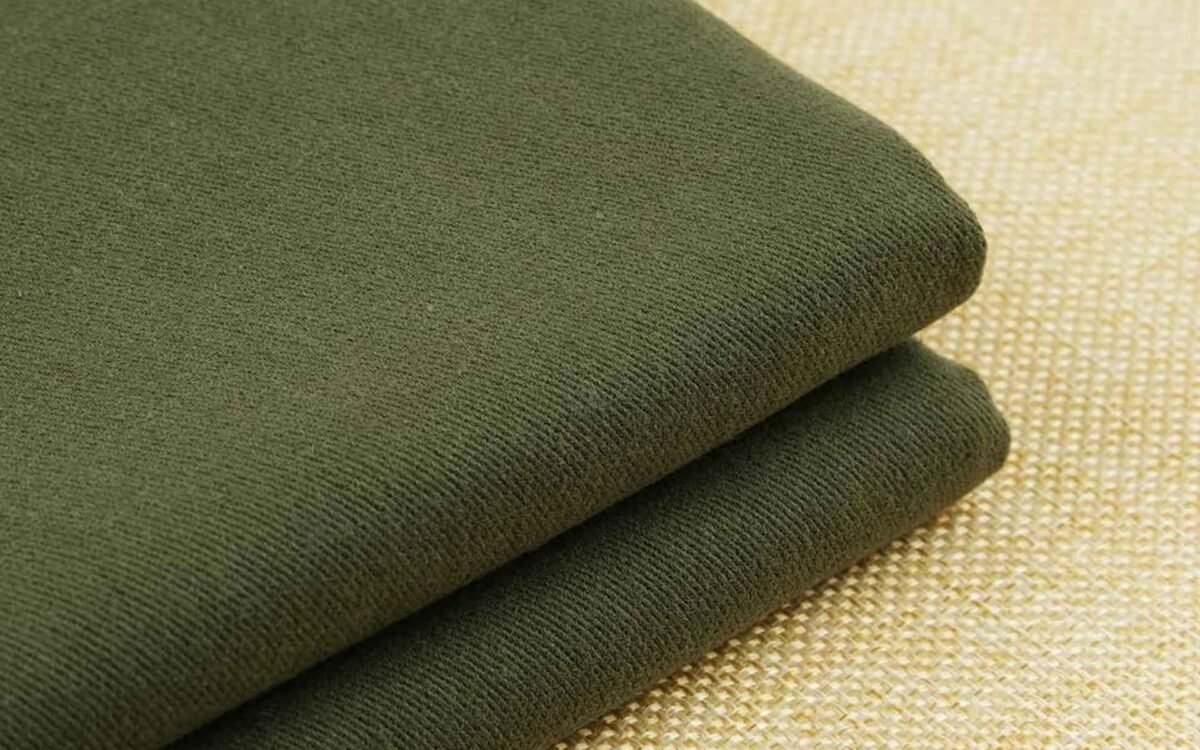
Cotton and Cotton-Blend Twill Fabric for Garment Manufacturing: Applications, Specifications & Sourcing Guide
What is cotton twill fabric used for? Cotton and cotton-blend twill is the standard fabric for workwear, school uniforms, and hospitality garments worldwide. This guide covers applications, GSM specifications, TC blend options, and wholesale sourcing from a China manufacturer.
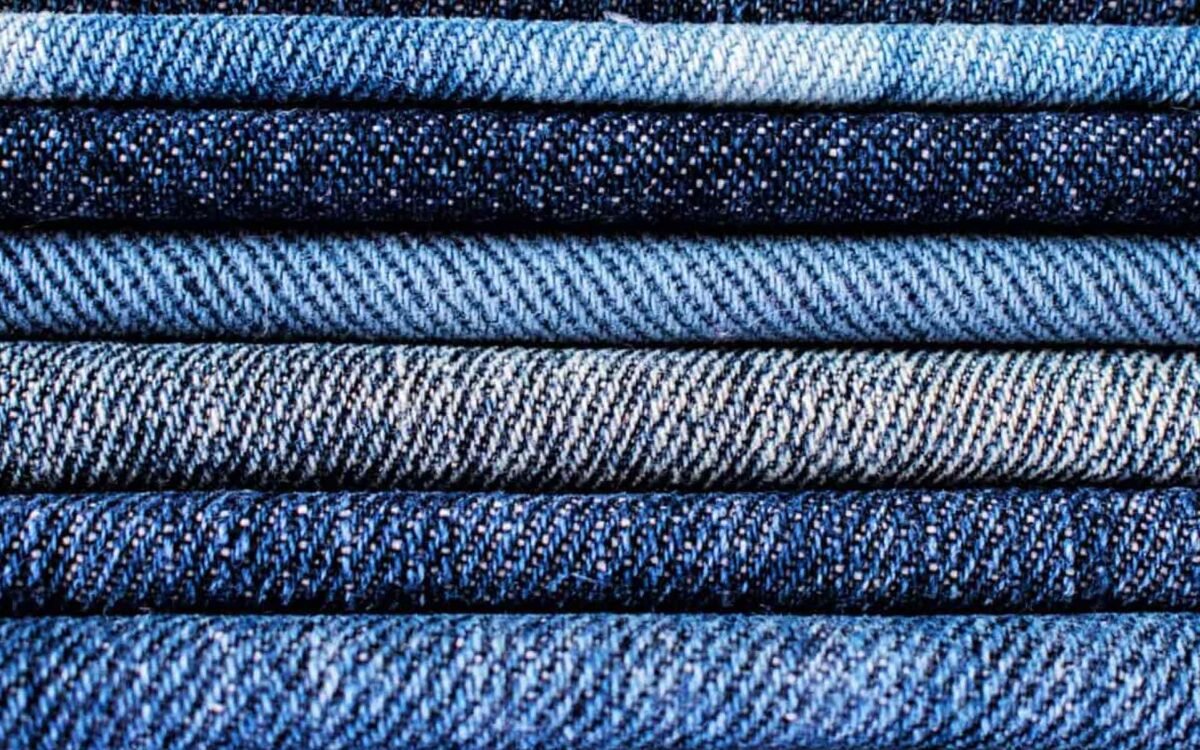
Wholesale Denim Fabric Supplier — Cotton, Stretch & Blended Denim for Garment Manufacturers
Looking for wholesale denim fabric? XINGYE TEXTILE supplies 100% cotton, cotton spandex, and cotton polyester denim from 4oz to 16oz for jeans, jackets, workwear, and casualwear. MOQ 1000 yards, free stock samples, factory-direct pricing.
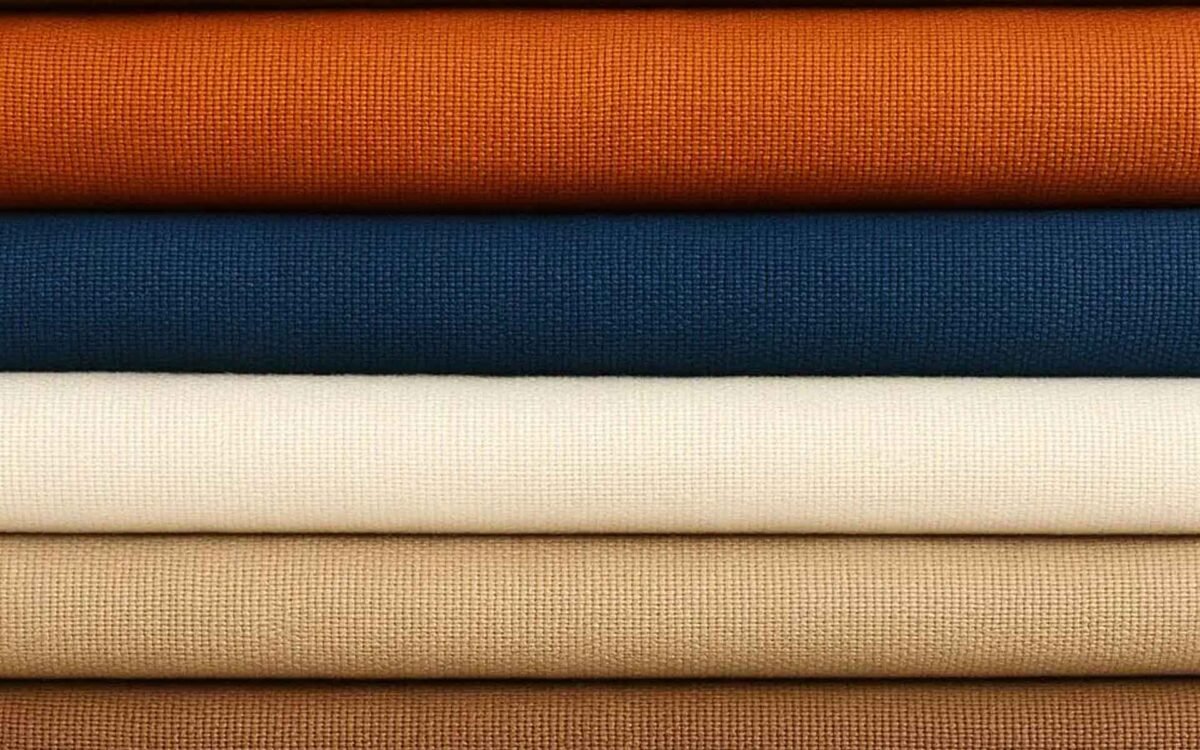
Wholesale Canvas Fabric Supplier — Cotton, TC & Polyester Canvas for Garment, Workwear & Bag Manufacturers
Looking for wholesale canvas fabric? XINGYE TEXTILE supplies 100% cotton, cotton-polyester, and polyester canvas from 4oz to 24oz+ for workwear, bags, shoes, and outdoor applications. Factory-direct pricing, MOQ 500 meters, free samples available.
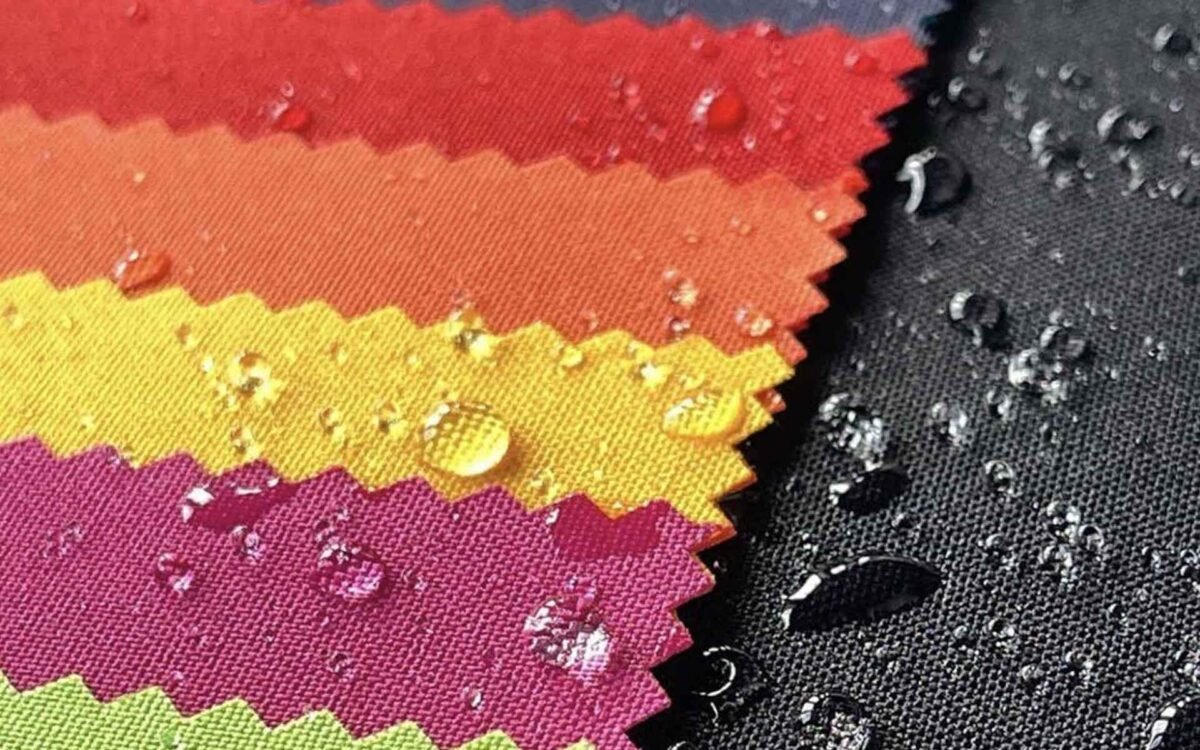
Wholesale Oxford Fabric Supplier — 300D, 420D, 600D Polyester Oxford for Bags, Workwear & Outdoor Applications
Looking for wholesale Oxford fabric? XINGYE TEXTILE supplies 300D, 420D, and 600D polyester Oxford fabric for bags, luggage, backpacks, and workwear. Factory-direct pricing, MOQ 500 meters, free swatches available.
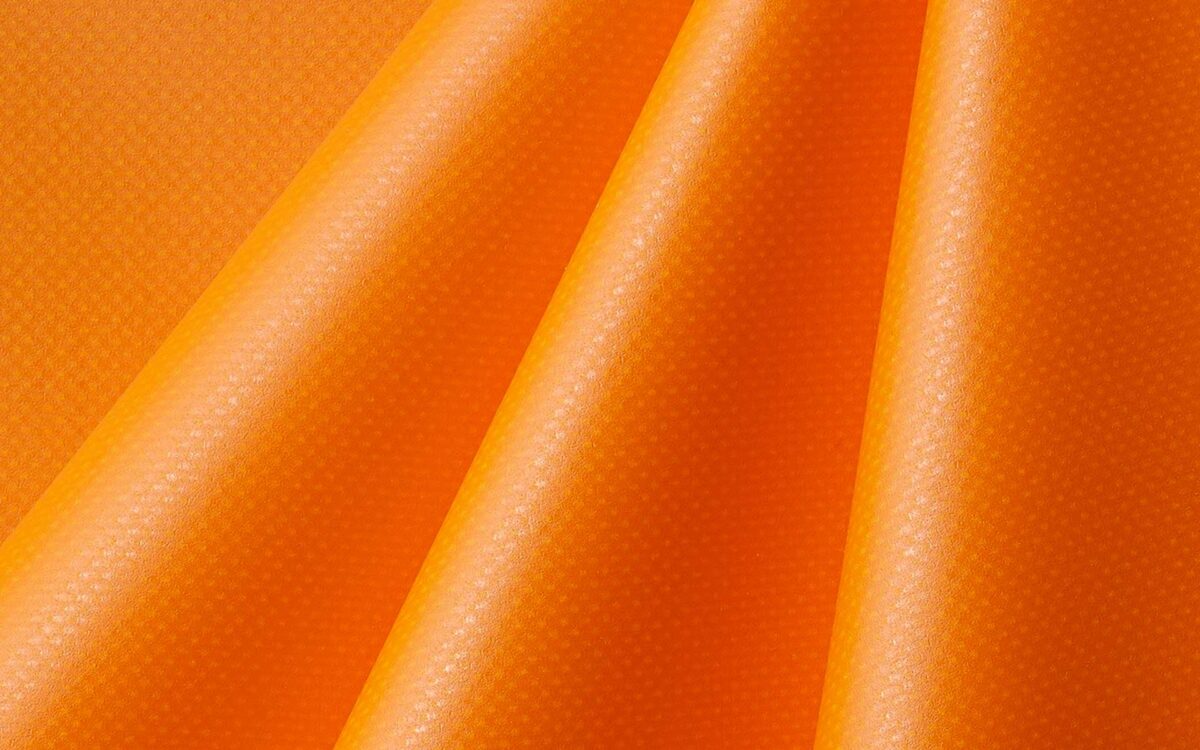
TPU vs PVC Waterproof Fabric: Key Differences, Specifications & Sourcing Guide for Manufacturers
TPU vs PVC waterproof fabric — which is right for your application? This guide compares performance, breathability, weight, certifications, and cost for garment manufacturers, workwear buyers, and bag producers sourcing waterproof fabric wholesale from China.
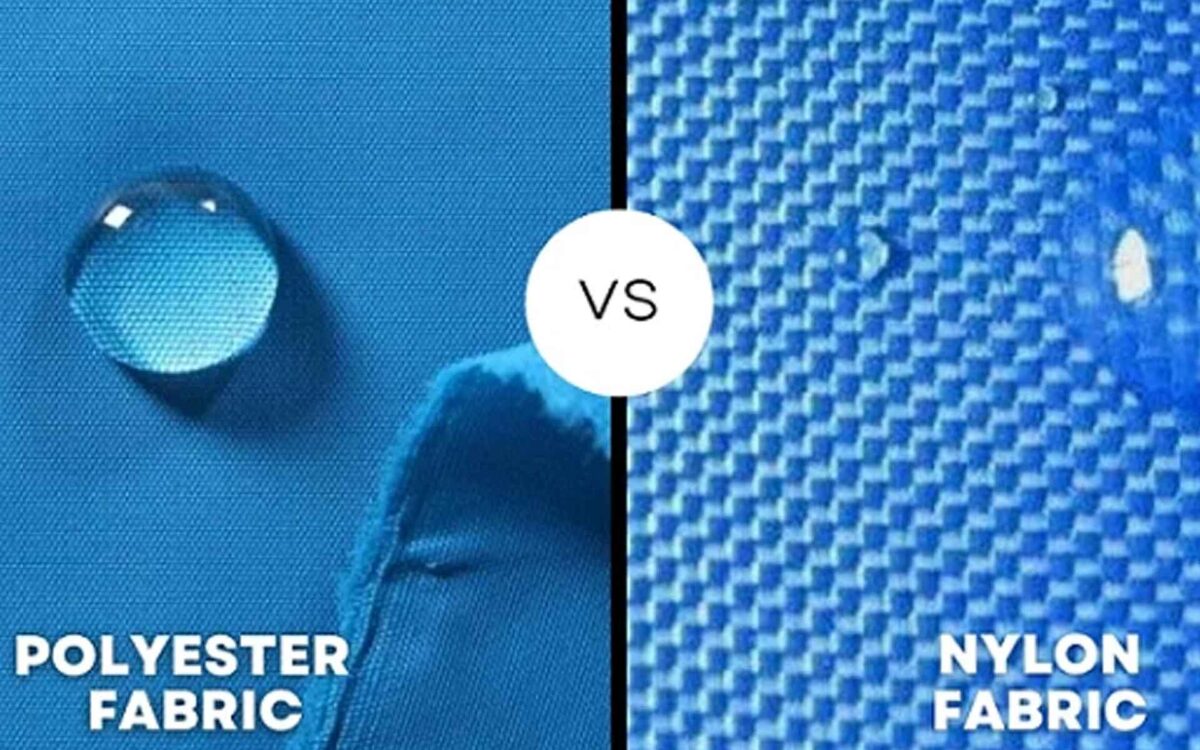
Nylon vs Polyester in Waterproof Laminates: Which Base Fabric Is Right for Your Application?
Nylon or polyester base fabric for waterproof laminates? This guide compares performance, weight, cost, and application suitability for TPU, PU, and DWR waterproof fabric — with specifications and wholesale sourcing from a China manufacturer.
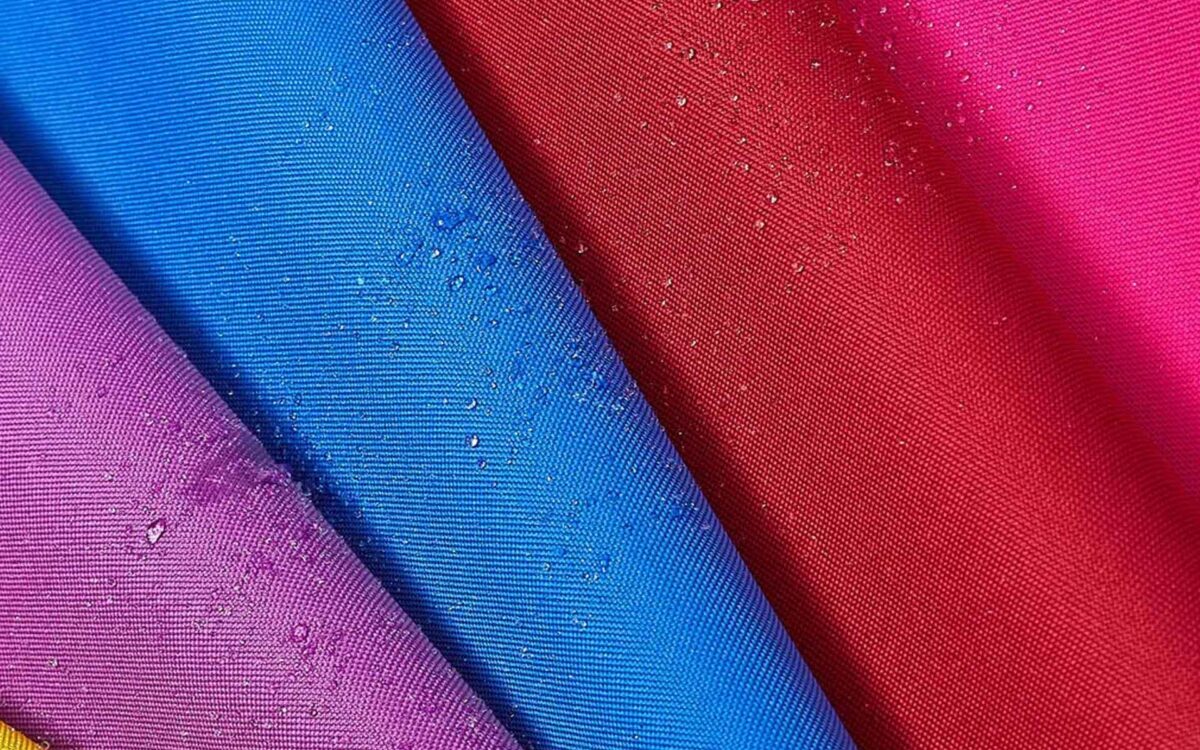
Waterproof Fabric Technical Specs Explained: What the Numbers Actually Mean for Garment Manufacturers
What do waterproof fabric numbers actually mean? This guide explains hydrostatic pressure ratings, breathability (MVTR), waterproof grades, ISO and AATCC test standards, and how to read a fabric test report — for garment manufacturers and wholesale fabric buyers.
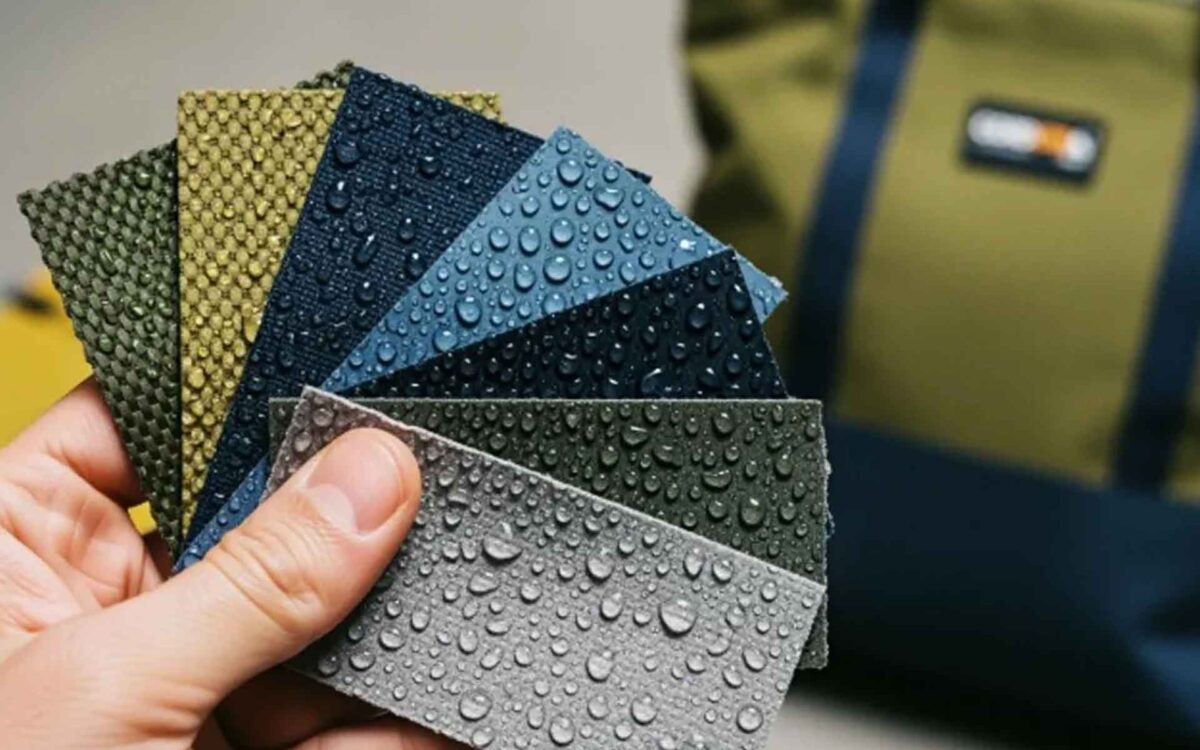
Best Waterproof Fabric for Bags and Backpacks: A Complete Sourcing Guide for Bag Manufacturers
What is the best waterproof fabric for bags and backpacks? This guide covers Oxford fabric, TPU laminate, PVC coating, nylon vs polyester base, denier selection, and wholesale sourcing — for bag manufacturers and product buyers sourcing waterproof bag fabric from China.
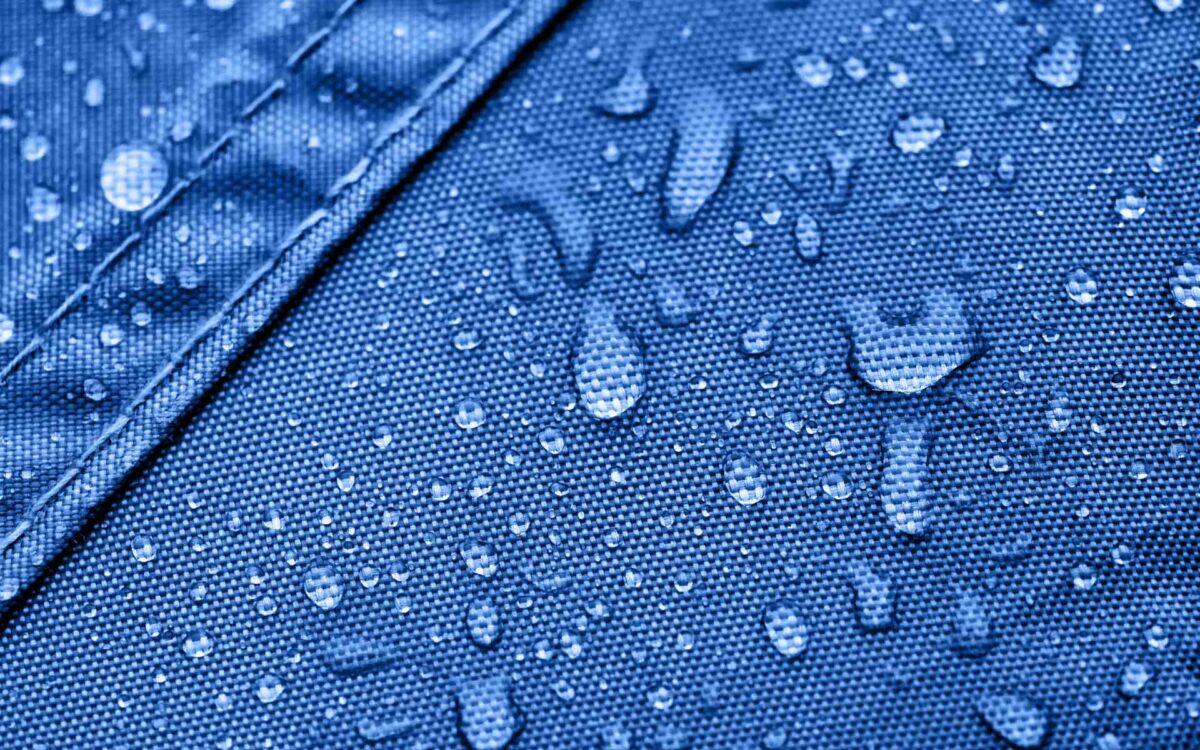
What Is Waterproof Fabric? Types, Materials, Coatings & Buying Guide for Manufacturers
What is waterproof fabric? A complete guide to waterproof fabric types, coating technologies (TPU, PU, PVC, DWR), base fiber options, performance ratings, and wholesale sourcing — for garment manufacturers, bag producers, and fabric buyers sourcing from China.
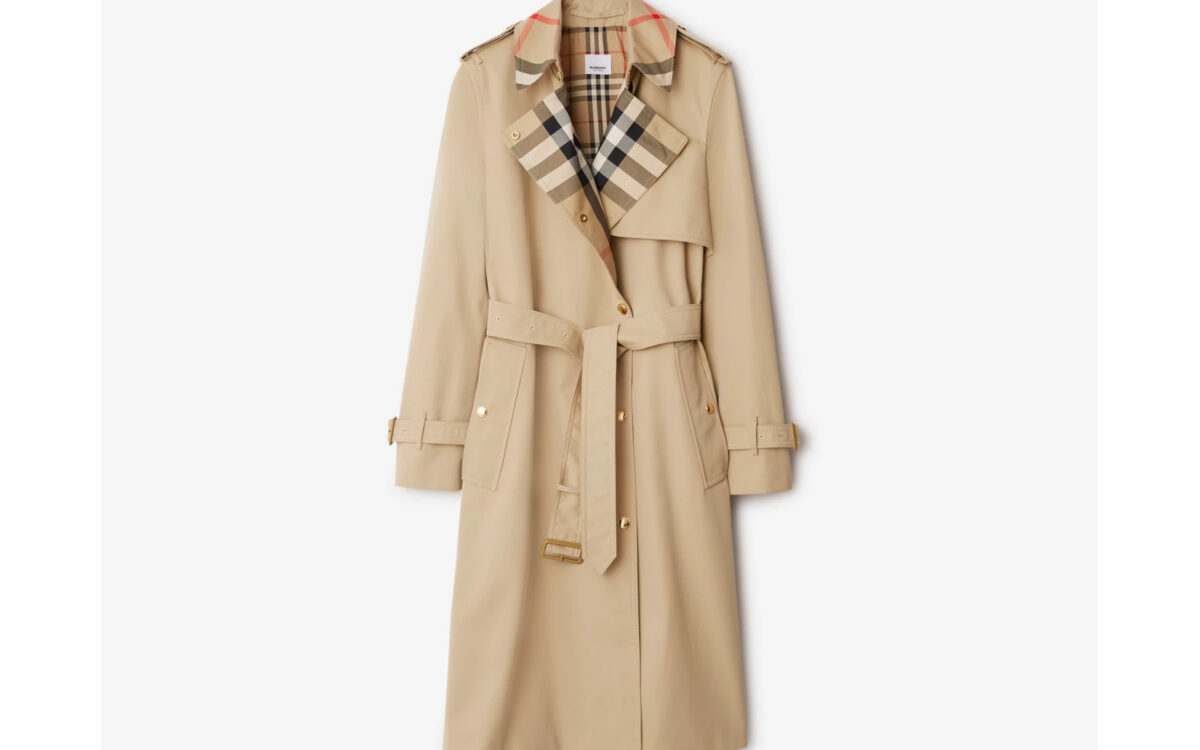
Why Gabardine Is Used for Trench Coats — And How to Source Gabardine Fabric for Outerwear Production
Why is gabardine used for trench coats? Gabardine's tight twill weave, natural water resistance, and structured drape make it the definitive outerwear fabric. This guide covers gabardine fabric properties, composition options, GSM specifications, and wholesale sourcing for garment manufacturers.

Silk vs Cotton vs Polyester Velvet Fabric: Which Should You Choose? A Complete Guide for Buyers and Manufacturers
Silk, cotton, or polyester velvet — which is right for your application? This guide compares velvet fabric types by composition, GSM, performance, cost, and application suitability — for garment manufacturers, home textile buyers, and wholesale fabric sourcing managers.
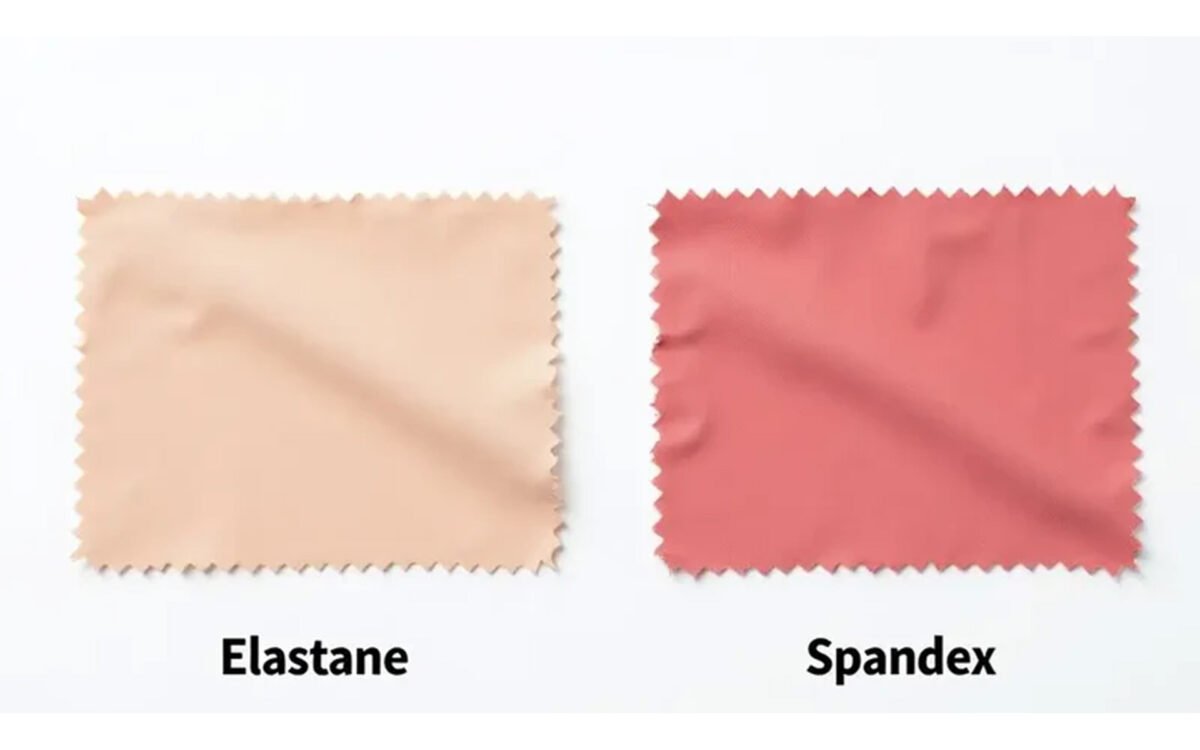
Elastane vs Spandex vs Lycra: What's the Difference? A Complete Guide for Garment Manufacturers
Elastane, spandex, and Lycra — are they the same thing? This guide explains the differences, how stretch fabric ratios work, performance specifications, and wholesale sourcing for garment manufacturers and fabric buyers sourcing stretch fabric from China.
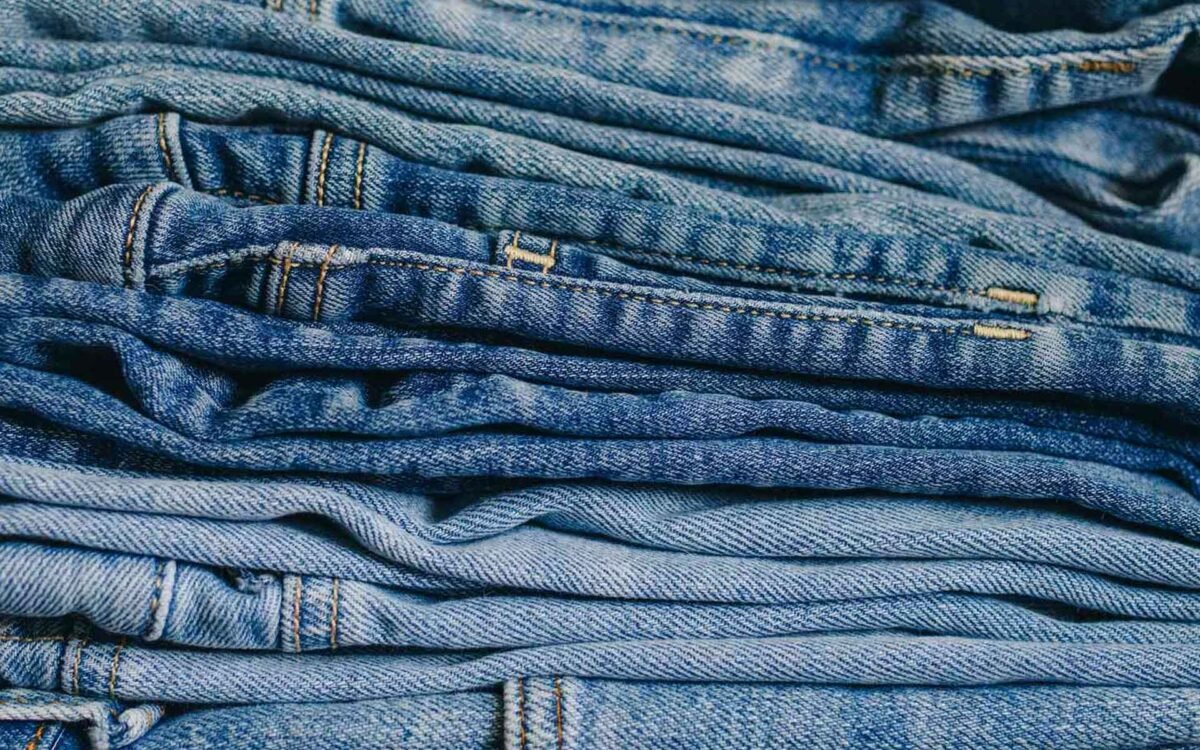
Denim Fabric Properties Explained: How to Read a Spec Sheet for Wholesale Buyers
How do you read a denim fabric spec sheet? This guide explains every denim specification — OZ weight, thread count, shrinkage, color fastness, stretch recovery — so wholesale buyers and garment manufacturers can evaluate supplier quotations accurately.
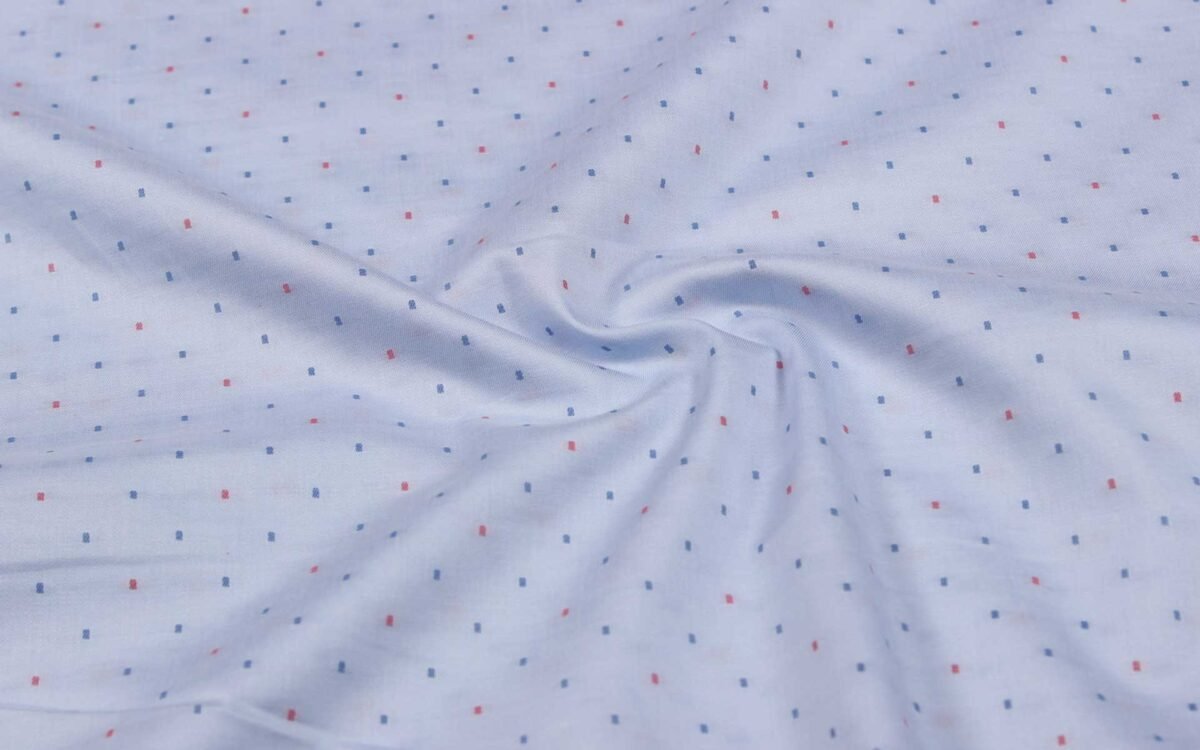
What Is Dobby Fabric? Types, Uses & Buying Guide
What is dobby fabric? Dobby is a woven fabric with small geometric patterns built into the weave structure — widely used in shirts, uniforms, and home textiles. This guide covers dobby fabric types, compositions, GSM specifications, and wholesale sourcing from a China manufacturer.