

Few TV series have revived global interest in Scottish heritage quite like Outlander. From sweeping Highland landscapes to dramatic clan battles, the show’s costumes—especially its iconic outlander tartan—have inspired fans worldwide to explore their own ancestry. But how accurate are the tartans in Outlander? And what is the real story behind the fraser tartan? Let’s separate screen-inspired romance from historical reality.
When people think of tartan, they often picture kilts and Highland dress. But today, tartan clothing goes far beyond traditional Scottish attire. From sharp tartan ties in the boardroom to casual tartan tote bags on city streets, this iconic pattern has become a versatile fashion statement. If you love tartan but don’t plan to wear a kilt, this guide will show you stylish, practical ways to incorporate it into your everyday wardrobe.
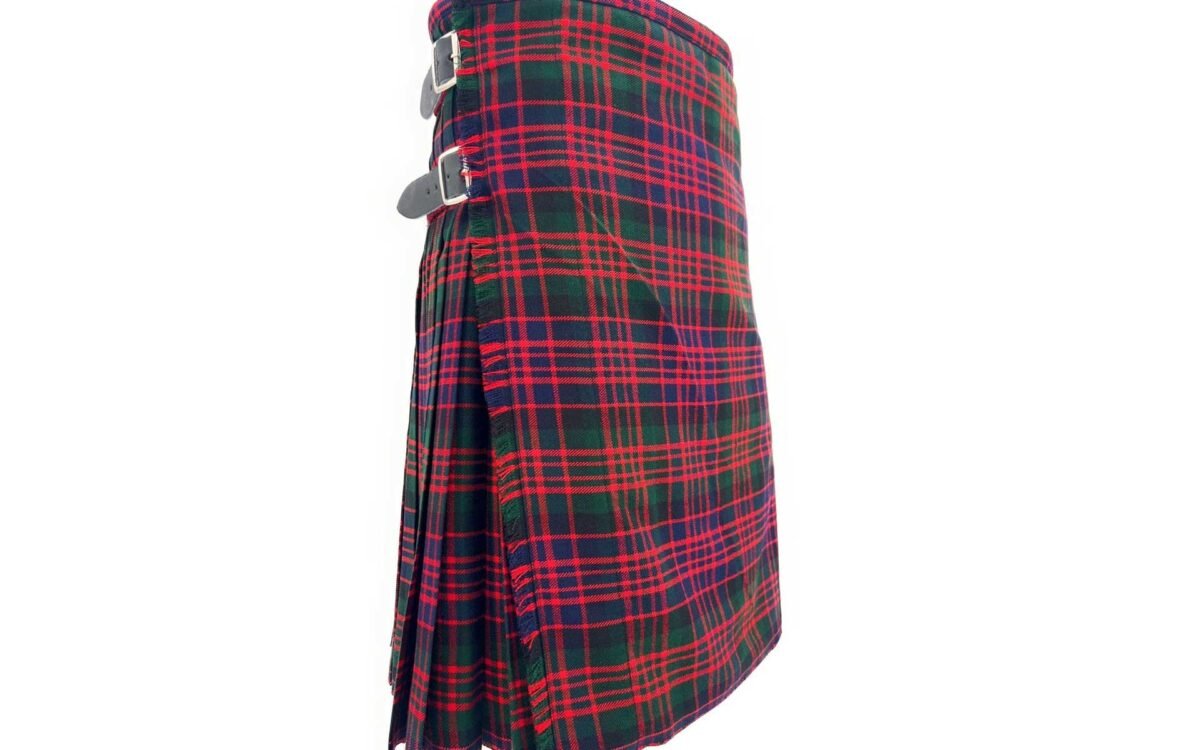
Buying a tartan kilt is not just a fashion decision—it’s an investment in craftsmanship, heritage, and long-term wearability. Whether you're shopping for traditional wool kilts for formal events or looking for your first Highland outfit, understanding fabric, yardage, and weight will help you make a confident purchase. This practical guide explains the real difference between a 8 yard kilt and a 5 yard kilt—and how tartan wool quality affects comfort, appearance, and durability.
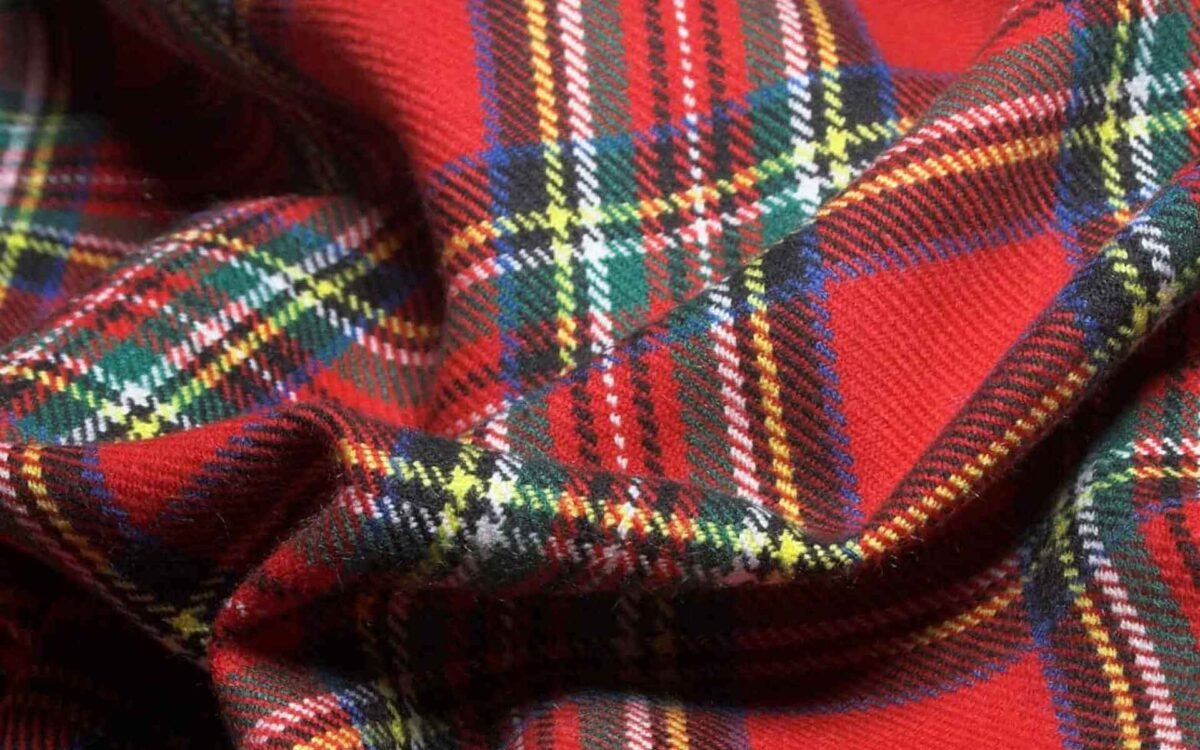
For many people of Scottish descent, wearing a clan tartan is more than a fashion choice—it’s a statement of heritage and pride. Certain patterns, such as Black Watch, Royal Stewart, Campbell, and MacDonald, are searched and worn more than any others. Below, we explore ten of the most recognized Scottish clan tartans, their historical background, and the symbolism behind their clan crests.
When we talk about tartans, we’re not just discussing a fabric pattern—we’re exploring centuries of identity, loyalty, and cultural heritage. Scotland tartan represents far more than intersecting stripes; it is a visual language of ancestry and belonging. In this guide, we’ll trace the historical evolution of tartan, explain the meaning behind clan tartans, and show how this iconic textile became a global cultural symbol.
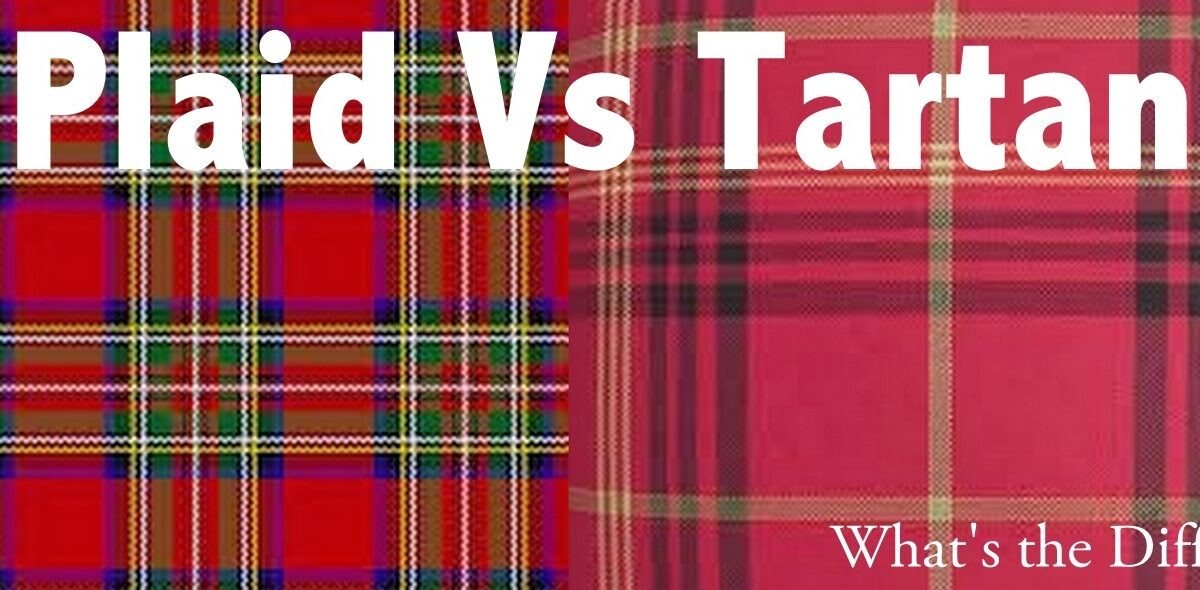
If you’ve ever wondered about tartan vs plaid, you’re not alone. The two terms are often used interchangeably in fashion and home décor—but historically and culturally, they are not the same thing. Understanding the difference between tartan plaid patterns isn’t just a vocabulary lesson—it’s a look into Scottish heritage, textile history, and modern design language.
Recent News
Yes, spandex is extremely stretchable. In fact, spandex (also known as elastane or Lycra) can stretch up to 5–8 times its original length and still return to its original shape.
When people think of nylon, they often picture the heavy, plasticky rain jackets of the past—materials that keep the water out but trap the heat in. This has led to a persistent question in the appare ...
The Short Answer: It’s All About the Construction Pure rayon fiber is a regenerated cellulose fiber made from wood pulp. On its own, the fiber has very little natural elasticity (less than cotton, in ...
In the textile industry, fabrics are usually divided into two clear camps: Natural (like cotton and silk) and Synthetic (like polyester and nylon). However, Viscose sits in a fascinating middle ground ...
The short answer is: Pure polyester fiber is not naturally stretchy, but polyester fabrics can be incredibly elastic depending on how they are made. At XINGYE TEXTILE, we specialize in engineering hi ...
A twill suit is a suit made from twill fabric, a type of textile known for its diagonal weave pattern. Unlike plain weave fabrics, twill has a distinctive texture that makes it: More durable Slightl ...
Twill is not a specific fiber like cotton or polyester. Instead, it is a type of fabric weave. A twill fabric is defined by its distinct diagonal rib pattern, created by weaving threads in a staggere ...
Twill fabric has a distinct feel that sets it apart from other textiles. 👉 In simple terms, twill feels: Slightly textured (due to its diagonal weave) Smooth but not slippery Soft yet structured Mor ...
Twill is not a specific material—it is a type of weave that can be made from different fibers such as cotton, polyester, wool, or blends. This means the properties of twill fabric depend largely on t ...
If you’re searching for where to buy corduroy fabric, you’re likely ready to start a project—whether it’s sewing clothing, upholstery, or sourcing materials for your business. Corduroy is a timeless ...
Batik boucle fabric Burlap Fabric Chenille Chiffon Cotton Damask Drop Cloth Elastane fabric painting Faux fur Felt Fleece Fabric Gabardine Fabric Gingham Jacquard linen Lycra lyocell fabric Merino Wool Minky Fabric Modal Fabric Muslin Nylon organza Polar Fleece Fabric Polyester Poplin quilting fabric Rayon Fabric Satin Weave Silk Fabric spandex sunbrella fabric Taffeta tartans Tencel Terry Cloth tulle fabric Twill Fabric Upholstery Fabric velvet fabric Viscose Waterproof Fabric Wool