
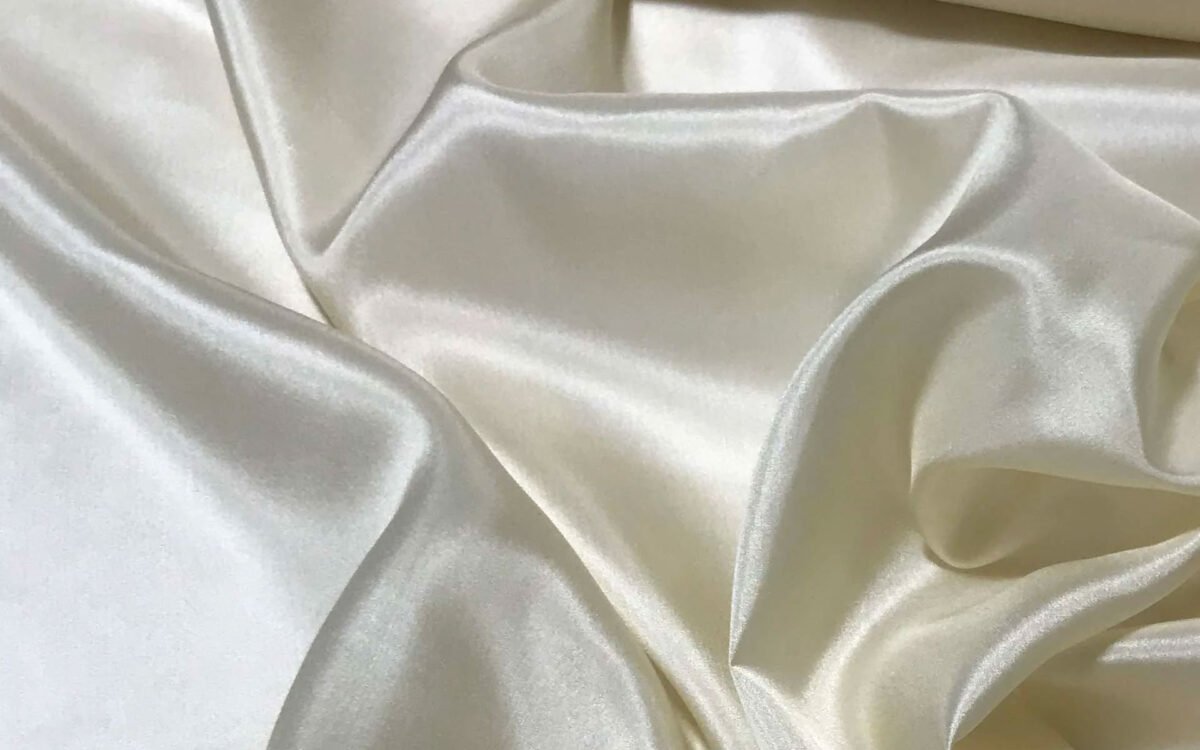
Habotai Silk Fabric: Properties, Uses & Wholesale Sourcing Guide for Manufacturers
Habotai silk — also called China silk or habutai — is a lightweight plain weave silk fabric used for lining, printing, blouses, and scarves. This guide covers habotai properties, momme specifications, and wholesale sourcing for garment manufacturers.
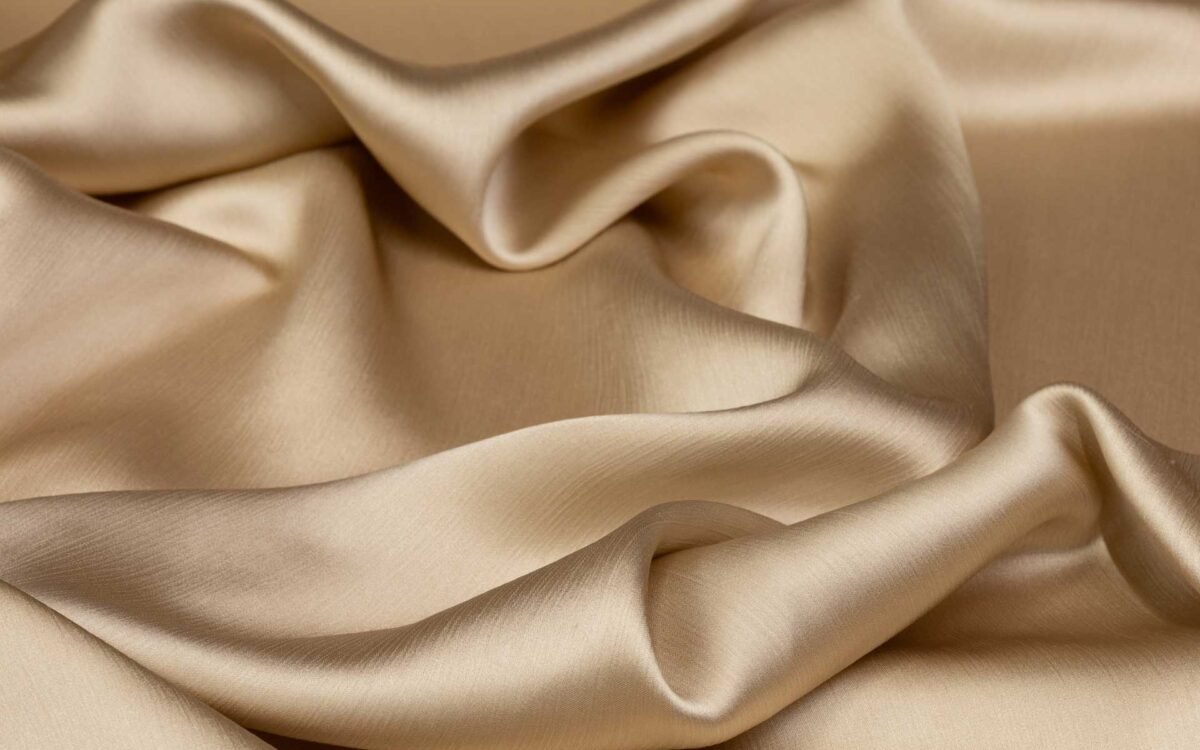
Charmeuse Fabric: Properties, Types & Wholesale Sourcing Guide for Garment Manufacturers
What is charmeuse fabric? Charmeuse is a satin-weave fabric — available in silk and polyester — with a smooth, lustrous face and matte crepe reverse. This guide covers charmeuse types, properties, applications, and wholesale sourcing for luxury garment manufacturers.
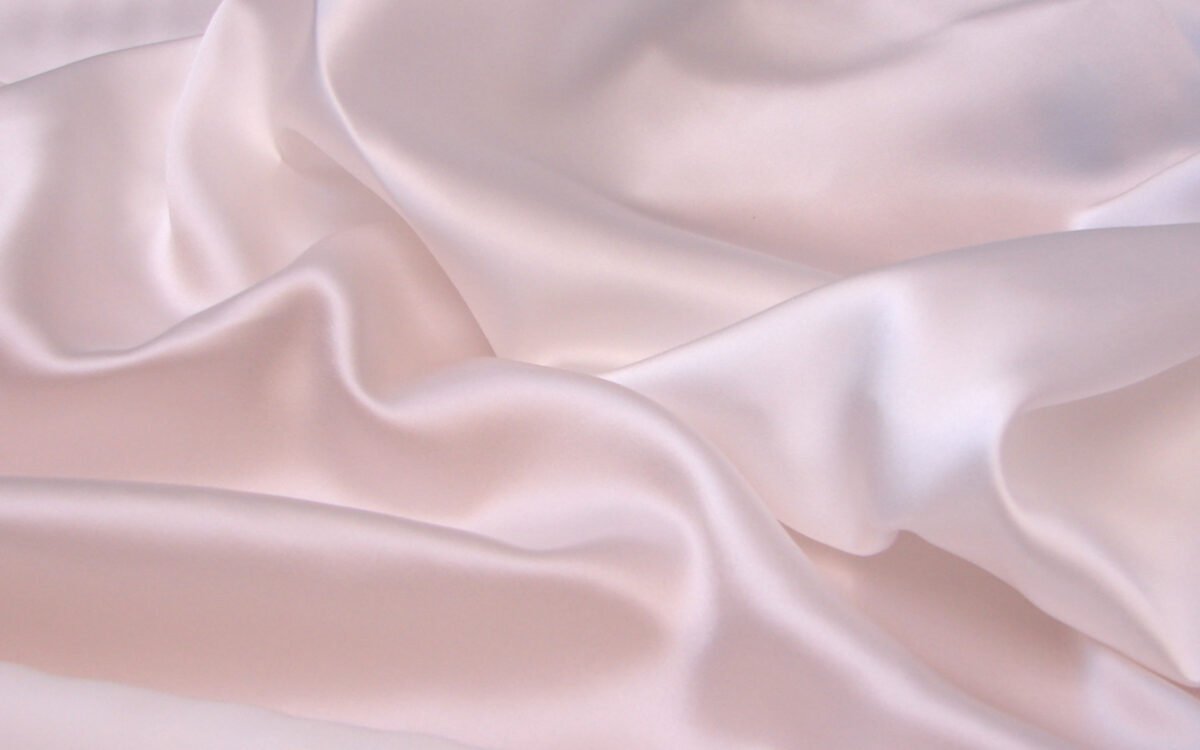
Silk vs Satin: What's the Difference? A Complete Guide for Fabric Buyers and Manufacturers
Silk vs satin — what's the actual difference? Silk is a fiber; satin is a weave structure. This guide explains the real difference, compares silk satin vs polyester satin, and covers wholesale sourcing for garment manufacturers and fabric buyers.
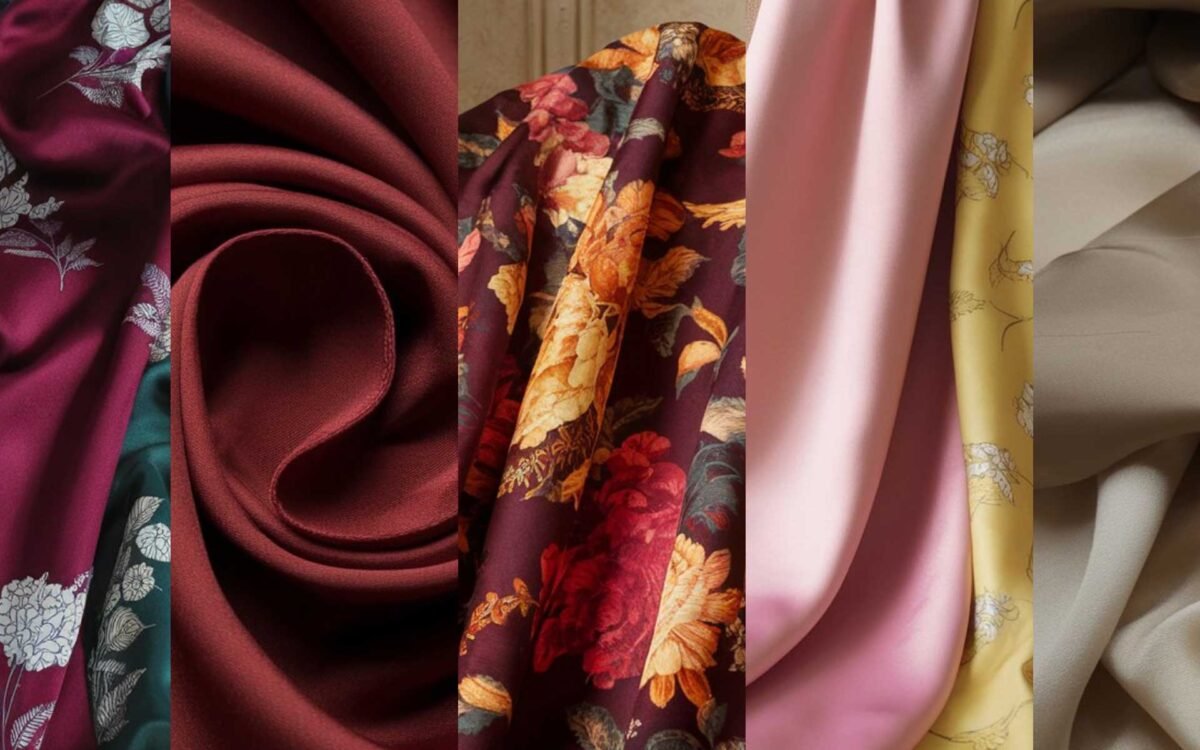
Types of Silk Fabric: A Complete Guide for Garment Manufacturers and Wholesale Buyers
What types of silk fabric are there? This guide covers all major silk fabric types — charmeuse, chiffon, organza, crepe de chine, taffeta, dupioni, habotai, and more — with momme specifications, applications, and wholesale sourcing for garment manufacturers.
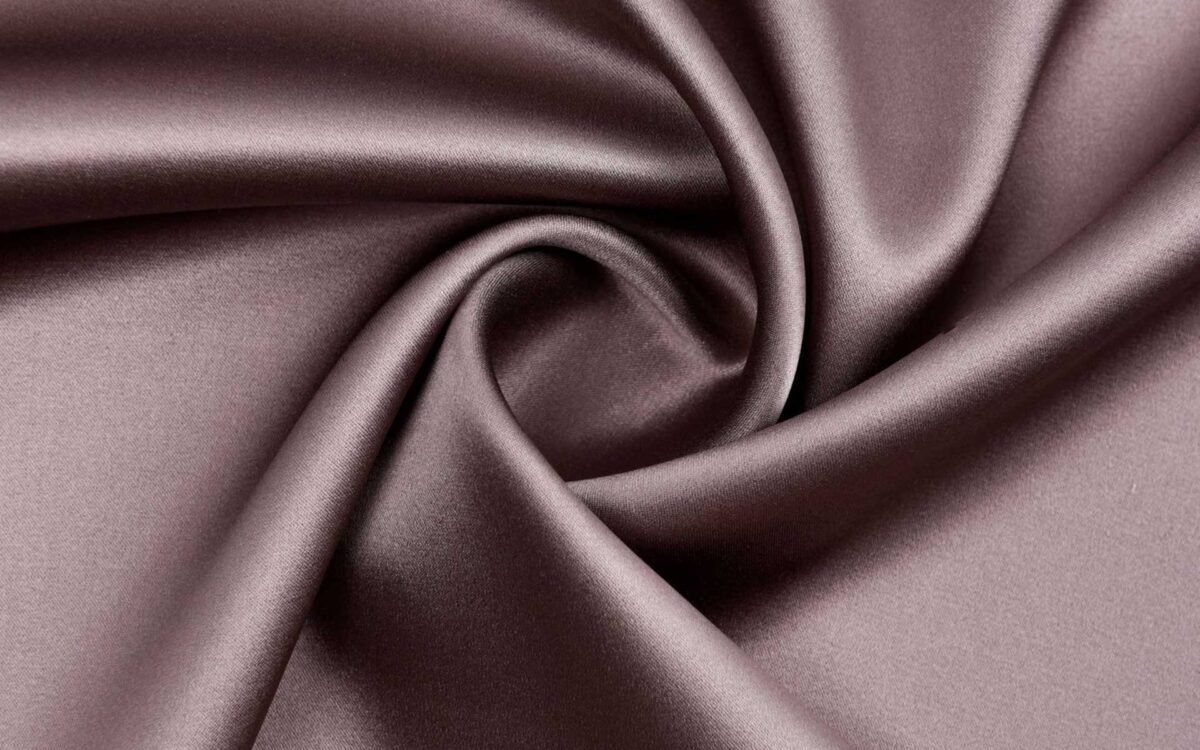
Mulberry Silk Fabric: Why It’s the Best Silk in the World
Mulberry silk fabric is widely considered the highest-quality silk available in the global textile market. Known for its exceptional softness, durability, and natural sheen, mulberry silk has become the preferred material for luxury garments, premium bedding, scarves, and high-end textiles. If you have ever seen products labeled 100% mulberry silk fabric or pure mulberry silk fabric, they are typically referring to silk produced using the finest and most controlled silk production methods. In ...
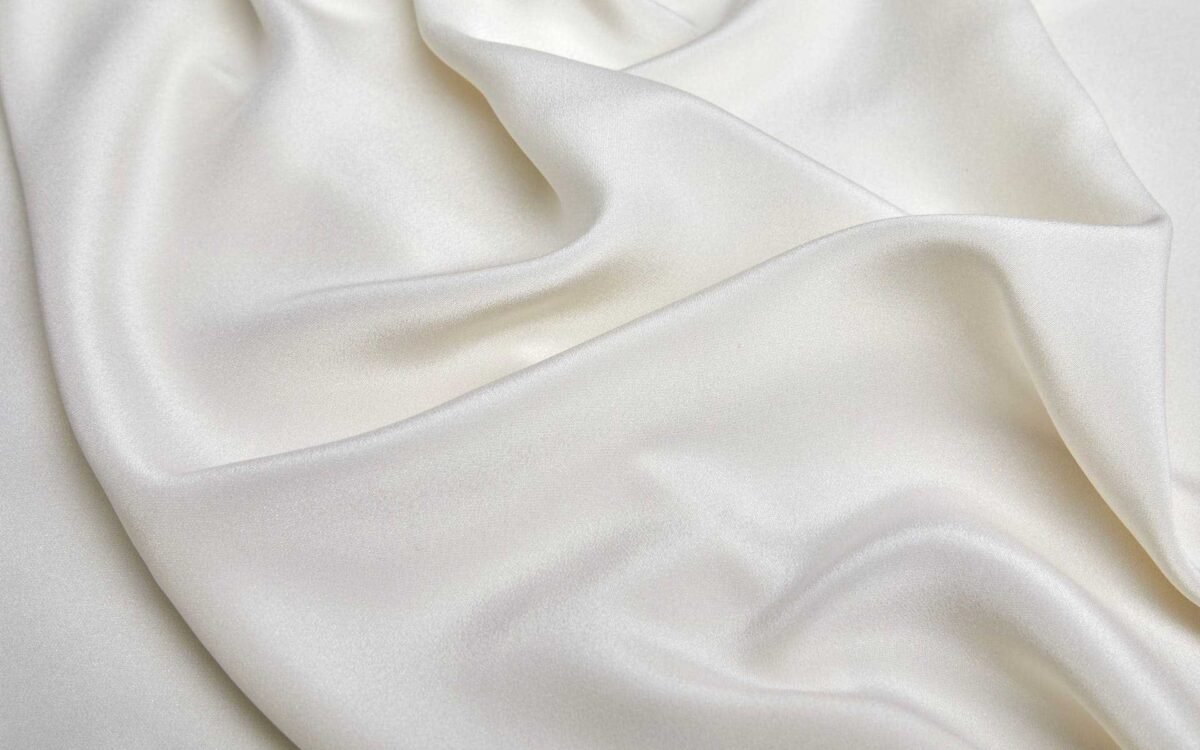
Silk Crepe Fabric: Types, Properties & Wholesale Sourcing Guide for Garment Manufacturers
Silk crepe fabric — matte, textured, and fluid. This guide covers silk crepe types crepe de chine, georgette, crepe satin, momme specifications, production considerations, and wholesale sourcing for luxury garment manufacturers and fabric buyers.
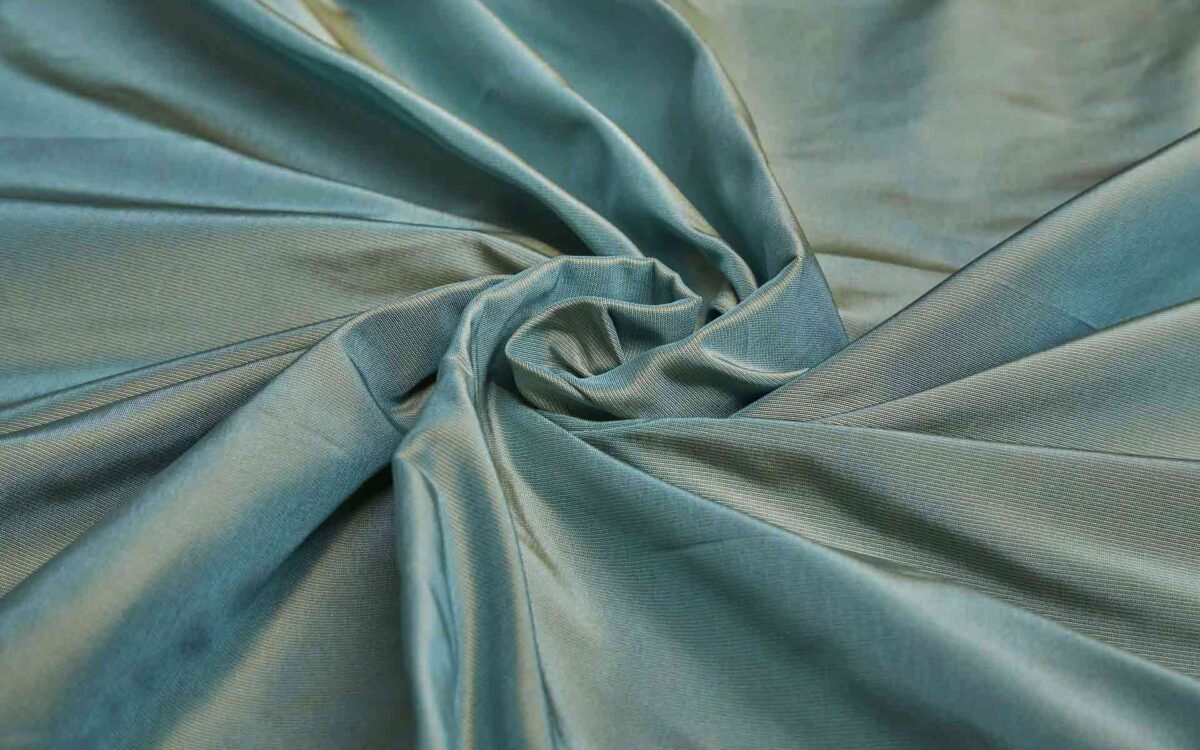
Silk Taffeta Fabric: Properties, Types & Wholesale Sourcing Guide for Garment Manufacturers
Silk taffeta fabric — crisp, rustling, and lustrous. This guide covers silk taffeta types, momme specifications, production considerations, and wholesale sourcing for bridal, evening wear, and luxury garment manufacturers.
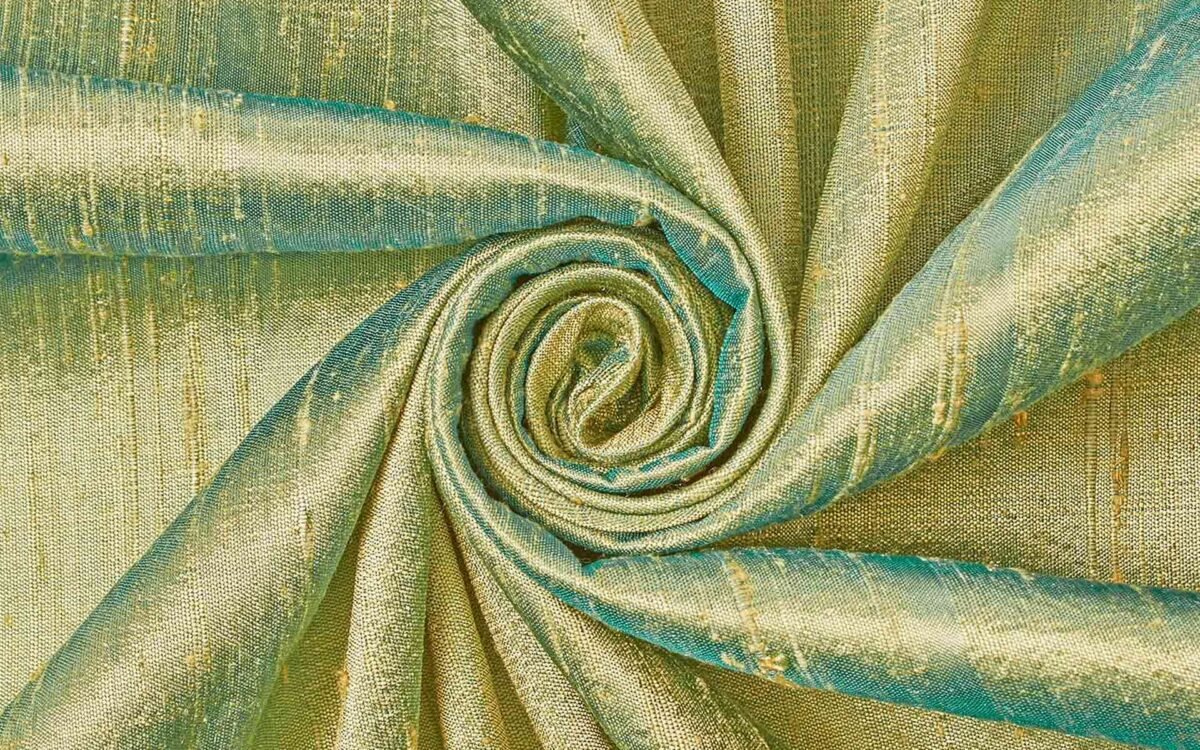
Dupioni Silk Fabric: Properties, Types & Wholesale Sourcing Guide for Garment Manufacturers
Dupioni silk fabric — crisp, lustrous, and distinctively textured. This guide covers dupioni silk properties, momme specifications, production considerations, and wholesale sourcing for bridal, evening wear, and home textile manufacturers. H1:
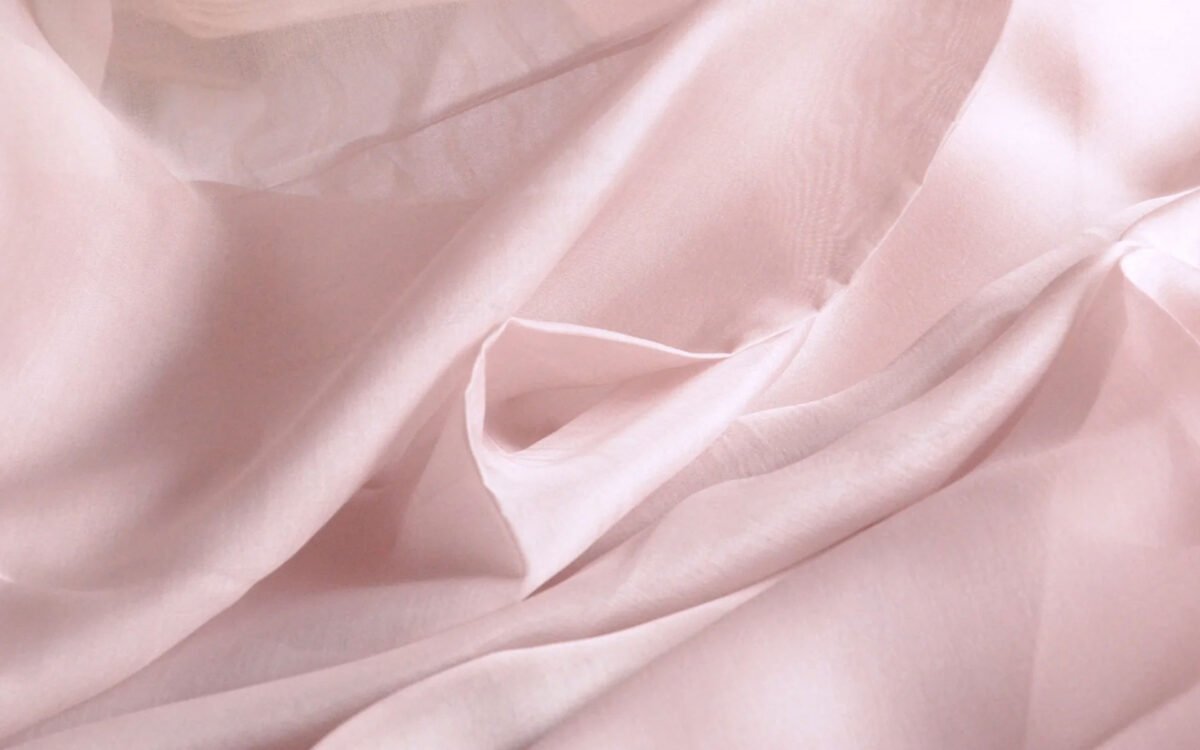
Silk Organza Fabric: Properties, Types & Wholesale Sourcing Guide for Garment Manufacturers
Silk organza fabric — sheer, crisp, and structured. This guide covers silk organza types, momme specifications, production considerations, and wholesale sourcing for bridal, evening wear, and luxury garment manufacturers.
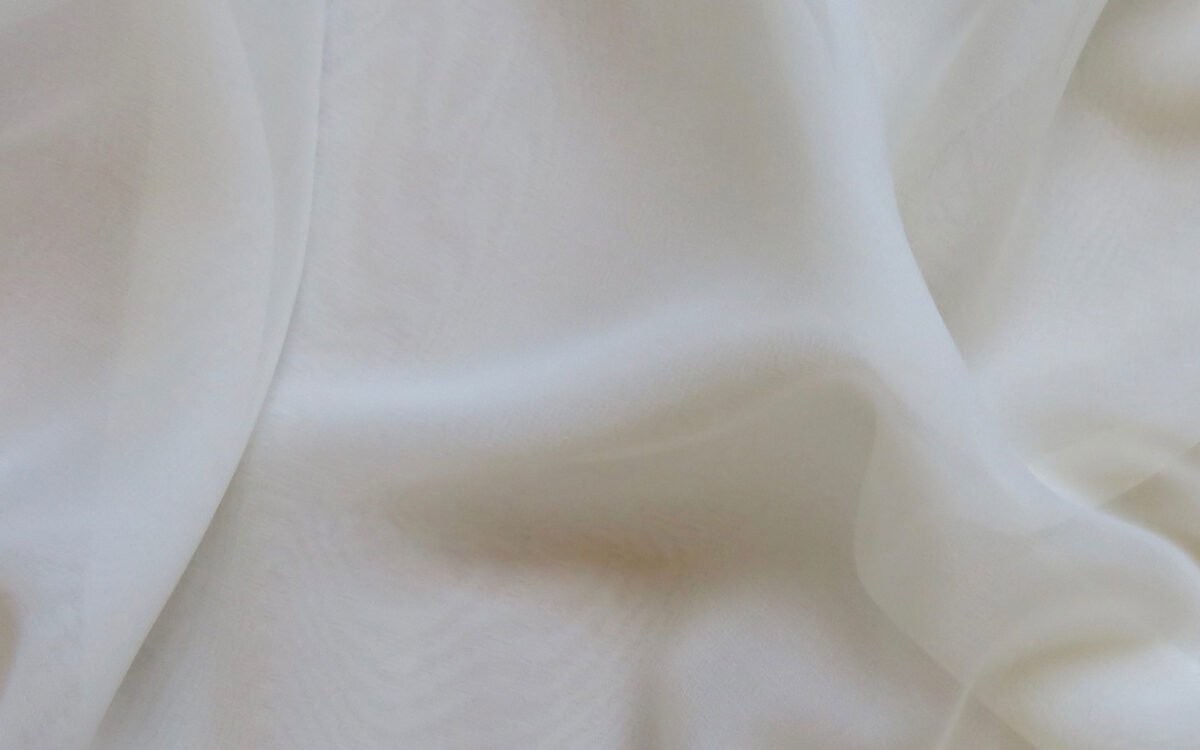
Silk Chiffon Fabric: Properties, Types & Wholesale Sourcing Guide for Garment Manufacturers
Silk chiffon fabric — ultra-lightweight, sheer, and fluid. This guide covers silk chiffon types, momme specifications, production considerations, and wholesale sourcing for evening wear, bridal, and luxury garment manufacturers.
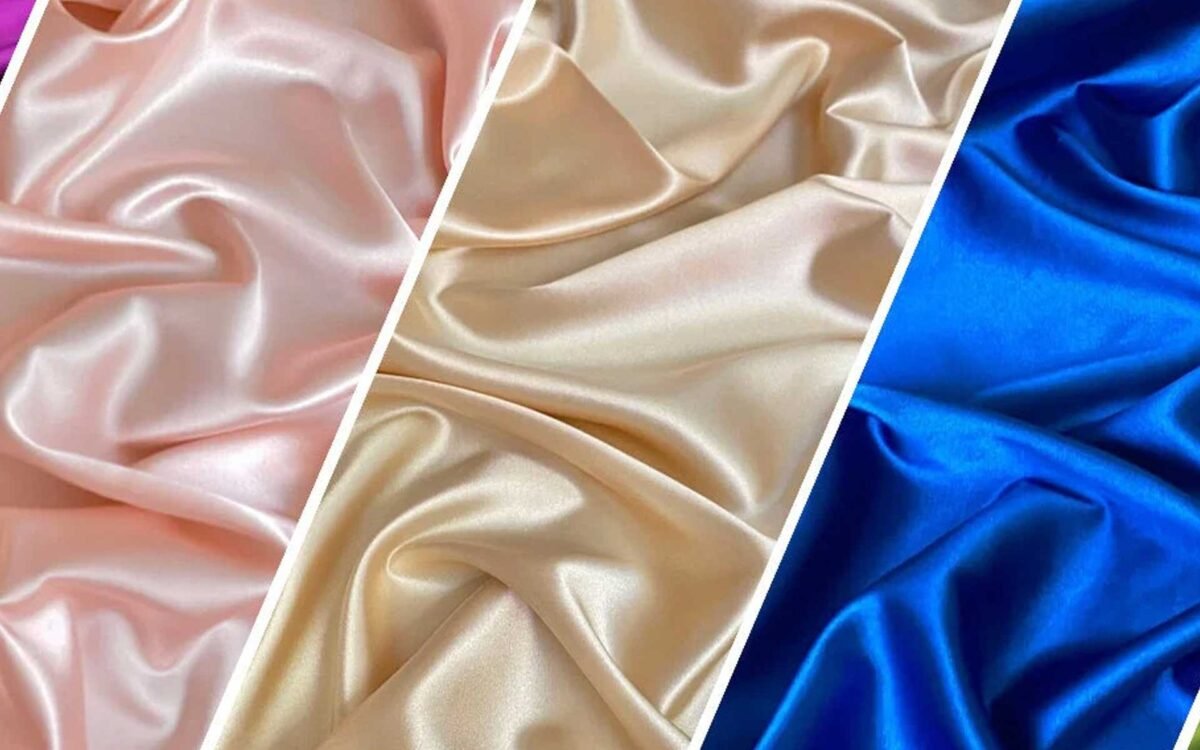
Silk Satin Fabric: Types, Momme Guide & Wholesale Sourcing for Garment Manufacturers
Silk satin fabric — charmeuse, heavy satin, and silk crepe satin explained. This guide covers silk satin types, momme specifications, production considerations, and wholesale sourcing for luxury garment manufacturers and fabric buyers.