
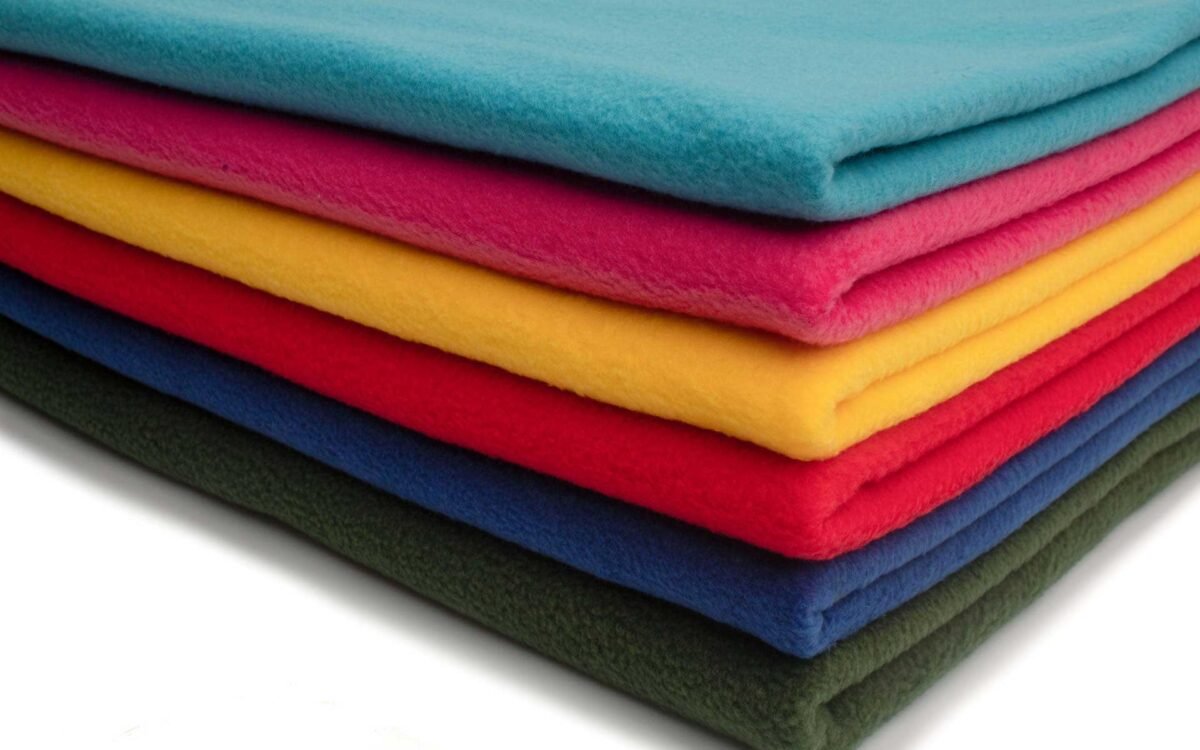
Fleece is one of the most popular fabrics for blankets, outdoor gear, and winter clothing. But if you’ve ever searched for fleece fabric, you’ve probably seen terms like anti pill fleece fabric, polar fleece 200, or polar fleece 300 fabric. For beginners and professional buyers alike, these terms can be confusing. What does anti-pill actually mean? And how do you choose between lightweight polar fleece and heavyweight polar fleece? This guide explains the differences so you can confidently sel ...

Fleece fabric is loved for its softness, warmth, and lightweight comfort, making it a popular choice for jackets, blankets, and loungewear. However, one common issue many people encounter is pilling—those small, fuzzy balls that form on the surface of the fabric after repeated wear and washing. The good news is that with the right washing and care techniques, you can significantly reduce pilling and keep your fleece garments looking soft and new for much longer. This guide explains why fleece p ...
Winter clothing must do more than simply cover the body—it must retain heat, manage moisture, and remain comfortable in cold environments. Among the many fabrics used for winter apparel, fleece stands out as one of the most effective materials for insulation. From outdoor jackets to thermal blankets, fleece has become a staple in modern cold-weather clothing. But what exactly makes it so warm? This guide explores the science behind fleece fabric, how it traps heat, and why it has become one of ...
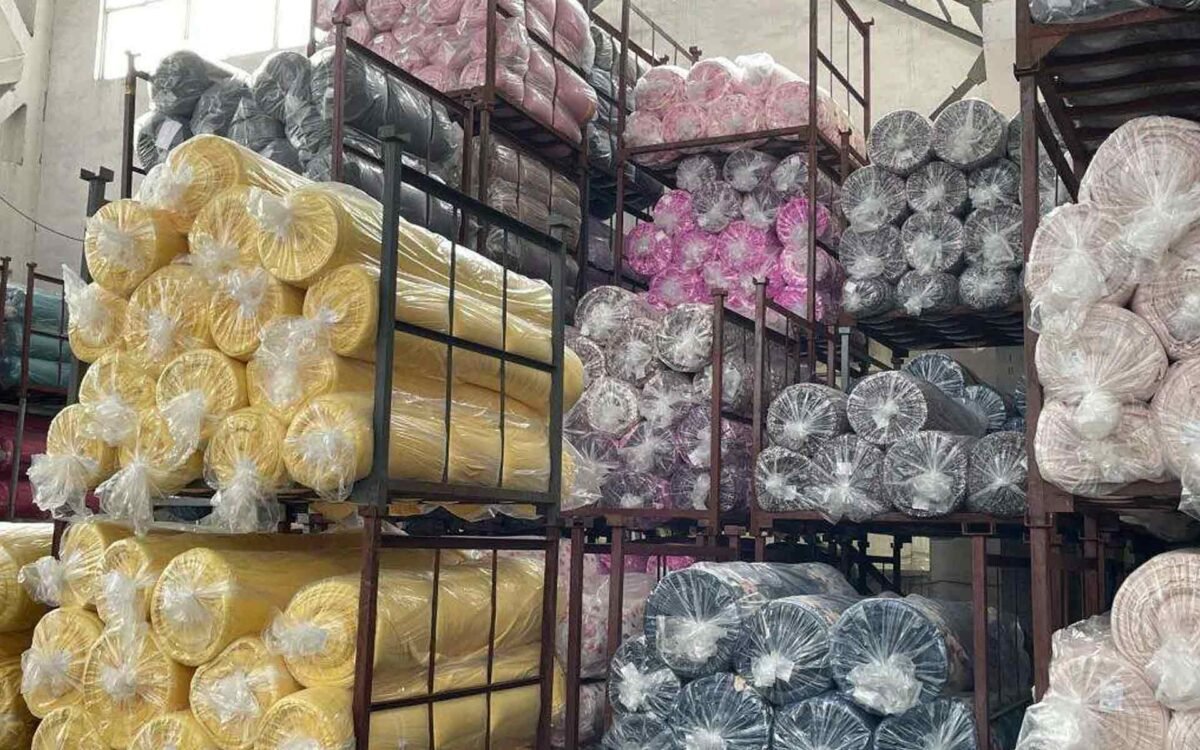
For craft businesses, sewing studios, and textile retailers, buying wholesale fleece fabric can dramatically reduce production costs. Instead of paying retail prices, purchasing fleece by the yard wholesale allows you to buy large quantities at significantly lower prices. Whether you're producing fleece blankets, clothing, or craft kits, understanding how the wholesale fleece market works can help you find reliable suppliers and maximize profit margins.
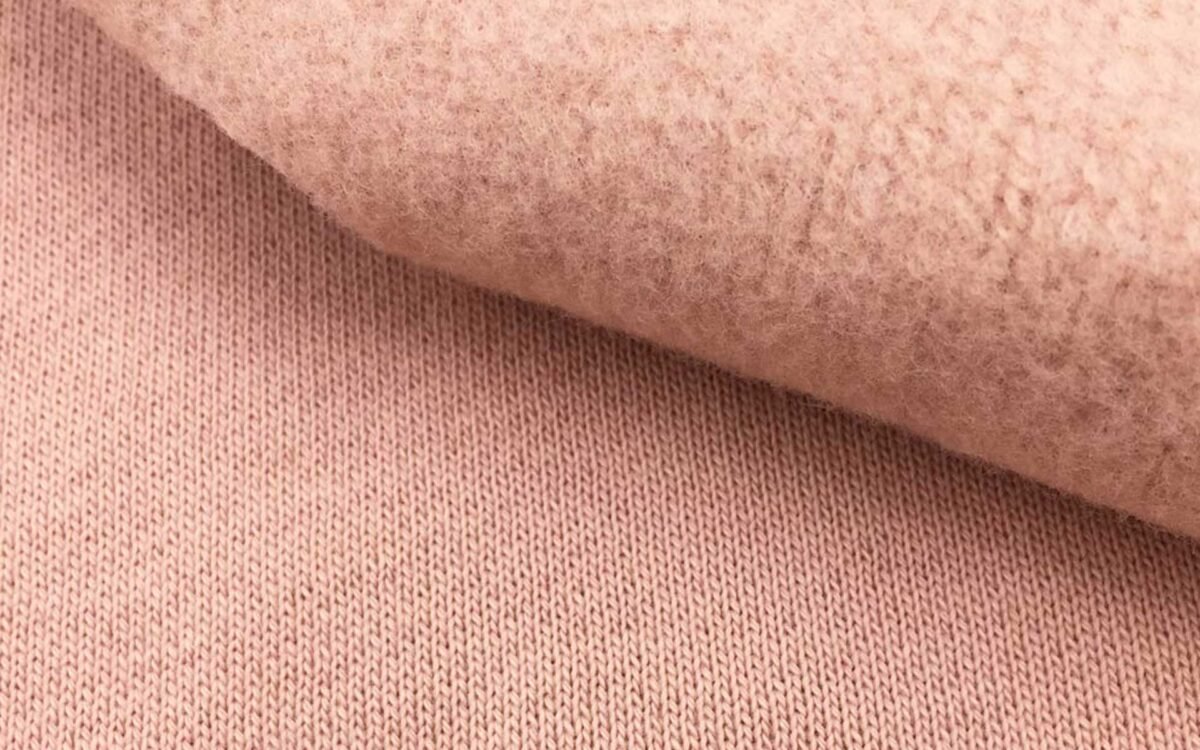
Whether you're sewing cozy blankets, crafting winter clothing, or starting a DIY project, buying fleece by the yard is one of the most cost-effective ways to get high-quality fabric. Unlike pre-cut fabric pieces, purchasing fleece material by the yard allows you to control exactly how much fabric you need while reducing waste and cost. Many online stores now sell fleece and flannel fabric by the yard online, making it easier than ever to source materials from anywhere. In this guide, you'll le ...
When people think of fleece fabric, the first thing that usually comes to mind is a cozy blanket. While fleece tie blankets are incredibly popular, this warm and versatile fleece cloth material can be used for far more creative projects. Because fleece is soft, warm, easy to sew, and resistant to fraying, it’s perfect for beginners and professional sewists alike. Whether you enjoy DIY crafts, sewing clothing, or making handmade gifts, fleece opens the door to dozens of possibilities. Below are ...
The appeal of a fleece tie blanket lies in its simplicity—no sewing machines, no complicated patterns, just cozy comfort. However, for professional crafters and bulk retailers, the "simplicity" starts with a complex decision: selecting the right textile grade. As a global textile supplier, XINGYE TEXTILE often sees DIY enthusiasts struggle with blankets that pill, sag, or thin out after a single wash. The difference between a "hobbyist" blanket and a "premium" one comes down to three technical p ...
Fleece has become one of the most popular fabrics for jackets, blankets, and winter clothing. It’s warm, lightweight, and incredibly soft. But many shoppers still ask the same question: Is fleece good quality? The answer depends entirely on how the fleece fabric material is produced. Some fleece fabrics are thick, durable, and long-lasting, while others are thin, prone to pilling, and lose their softness quickly. In this guide, we’ll explain how to identify high-quality fleece vs. cheap fleec ...
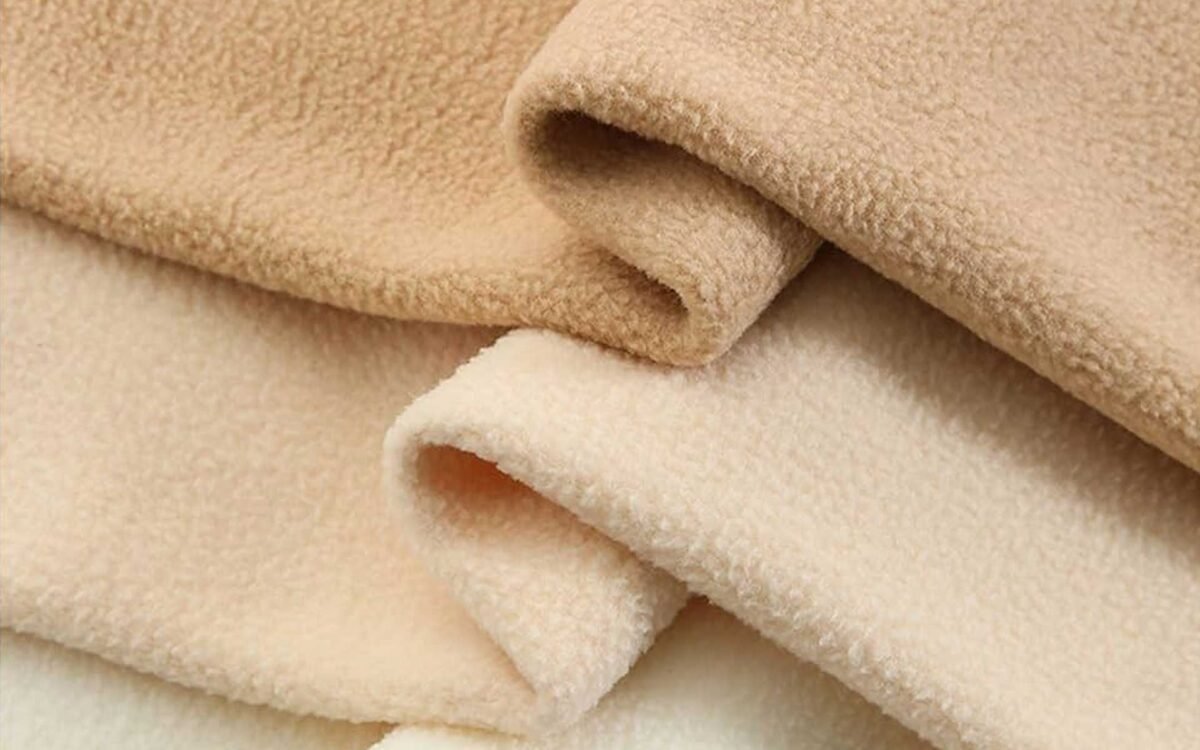
When it comes to warm, lightweight outdoor fabrics, few materials are as widely trusted as polar fleece fabric. From hiking jackets to winter blankets, polar fleece has become the gold standard for outdoor gear thanks to its ability to provide exceptional warmth without the weight of traditional wool. But what exactly is polar fleece, and why do outdoor brands rely on it so heavily? In this guide, we’ll explore what polar fleece fabric is, how it works, and why it performs so well in cold-weath ...
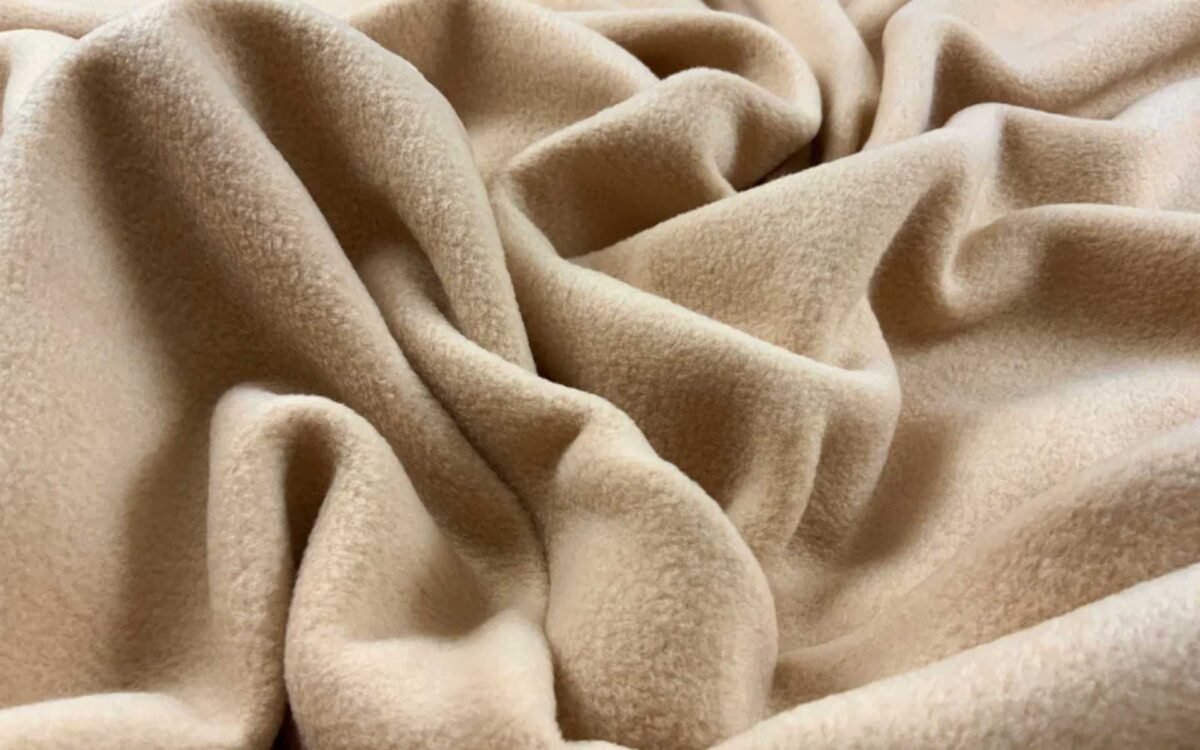
Fleece fabric is one of the most popular modern textiles for warm clothing, blankets, and outdoor gear. Known for its soft texture, lightweight feel, and excellent insulation, fleece has become a go-to alternative to traditional wool.In simple terms, fleece fabric is a synthetic textile made primarily from polyester fibers that are brushed to create a soft, fluffy surface. This structure traps warm air, making fleece extremely effective at retaining heat while remaining breathable.In this guide, ...
Recent News
Learn how to choose the right fabric for clothing — fiber composition, GSM, weave structure, and functional finishes explained for fashion designers, clothing brands, and small-batch garment buyers so ...
Is twill fabric comfortable? Yes — and it's one of the most widely used constructions in garment manufacturing. This guide covers twill fabric properties, GSM ranges, fiber composition options, applic ...
Viscose is breathable. But if you're sourcing for a uniform contract, that fact alone will cost you money. Here's what every procurement manager needs to know before specifying viscose at scale.
Is spandex stretchable? Yes — spandex can stretch up to 5–8 times its original length. This guide explains how spandex works in garment production, how much spandex to specify, and how to source stret ...
Is nylon fabric breathable? The answer depends on construction and finish — not just fiber type. This guide explains nylon breathability, how it compares to other fibers, and how to source wholesale n ...
Is rayon stretchy? Pure rayon has minimal natural elasticity — but rayon fabrics can be engineered for stretch through construction and blending. This guide covers rayon stretch properties, blend opti ...
Is viscose a natural fiber? No — viscose is semi-synthetic, but its cellulose origin gives it properties no synthetic fiber can match. This guide covers viscose fiber classification, sustainability cr ...
Is polyester stretchy? Pure polyester has minimal natural elasticity — but polyester fabrics can be engineered for significant stretch through construction and blending. This guide covers polyester st ...
What is a twill suit? A suit made from twill-woven fabric — the most widely used construction in global suit and formal trouser production. This guide covers twill suit fabric types, GSM specification ...
What type of fabric is twill? Twill is a weave structure — not a fiber — used across cotton, polyester, TR, TC, wool, and nylon fabrics. This technical guide covers twill weave mechanics, construction ...
Batik boucle fabric Burlap Fabric canvas fabric Chenille Chiffon Cotton Damask Elastane Faux fur Felt Fleece Fabric Gabardine Fabric Gingham Jacquard linen Lycra lyocell fabric Merino Wool Michaels Fabric Microfiber Modal Fabric Muslin Nylon organza Polar Fleece Fabric Polyester Poplin Rayon Fabric Satin Weave Silk Fabric spandex Taffeta tartans Tencel Terry Cloth tulle fabric Twill Fabric Upholstery Fabric velvet fabric Viscose Waterproof Fabric Wool