
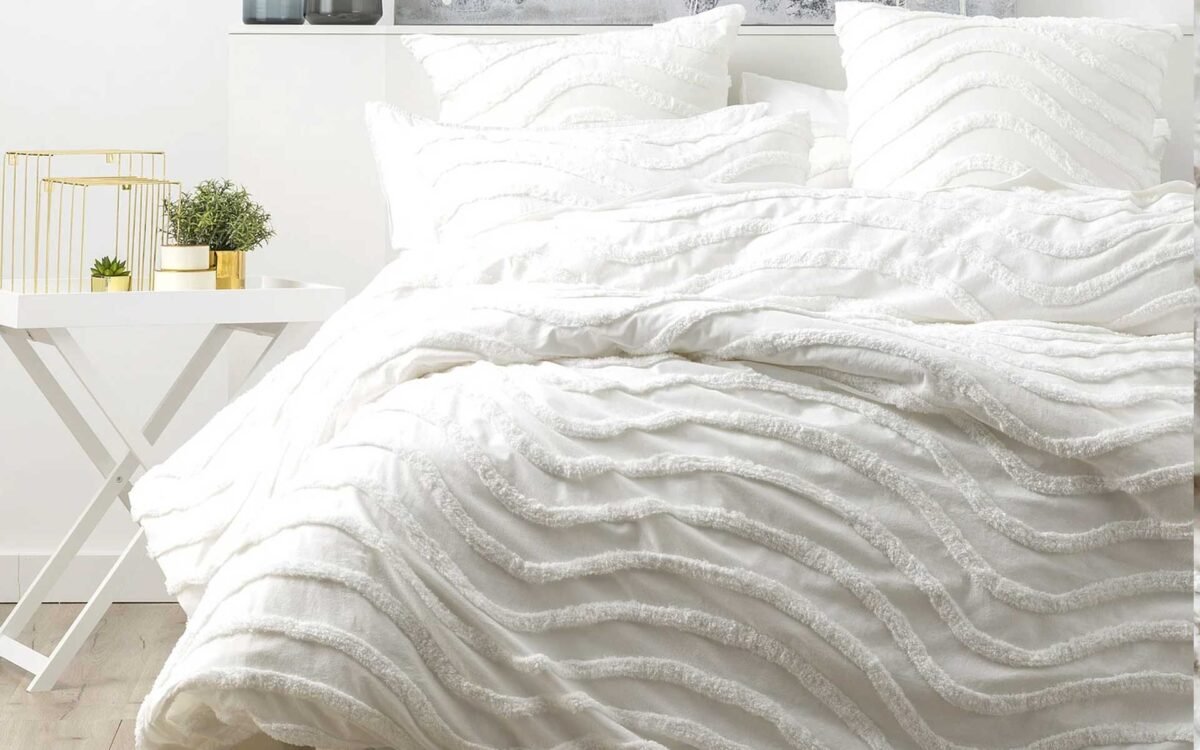
For designers and hobbyists looking to add three-dimensional texture to their projects, understanding the nuances of chenille embroidery and specialized chenille yarns is the key to professional-grade results.
When sourcing chenille for a project, the physical texture is only half the story. The true performance of the fabric is determined by its fiber content. While the characteristic "fuzzy" weave remains consistent, the choice between cotton chenille fabric and polyester chenille fabric creates two vastly different products with unique strengths, maintenance needs, and price points.
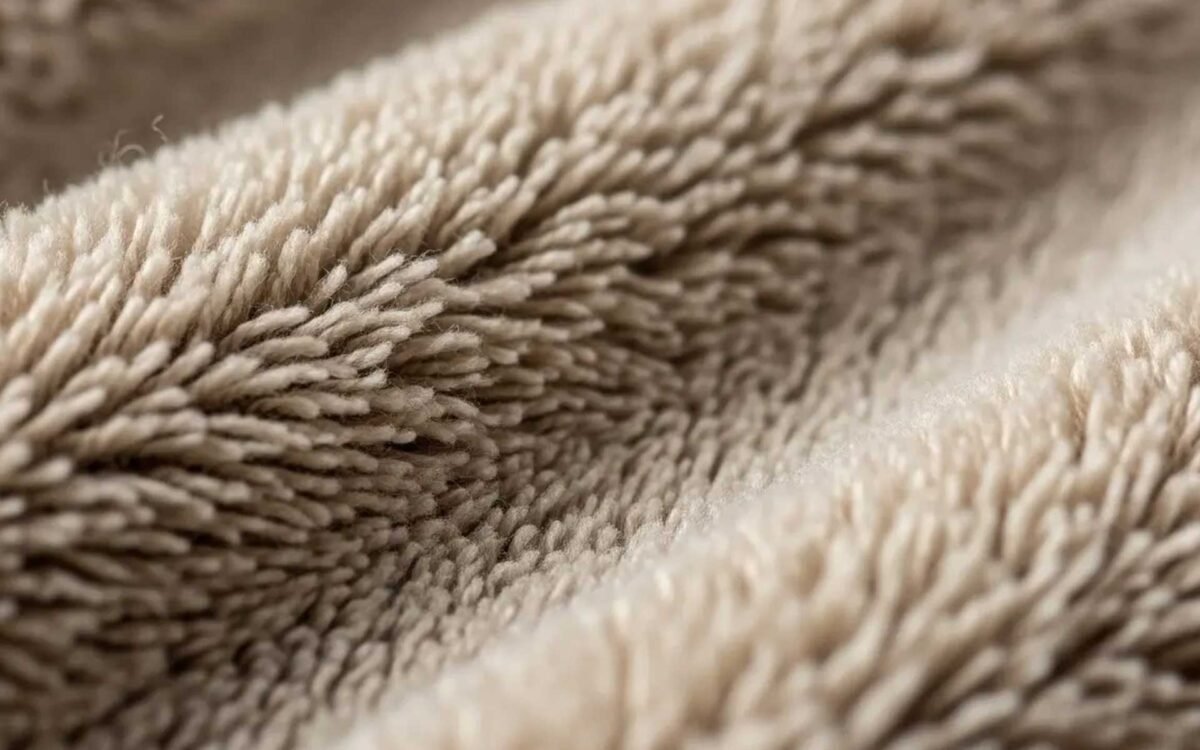
Chenille upholstery fabric is known for its soft texture and cozy appearance, making it a popular choice for sofas and home furniture. But many buyers overlook one critical question: 👉 Is chenille upholstery fabric actually durable enough for everyday use? This guide gives you a practical, honest, and buyer-focused answer, including when chenille is a great choice—and when it’s not.
In the vast world of textiles, few materials offer the tactile luxury and distinctive look of chenille fabric. Known for its "fuzzy" texture and inviting softness, it has become a staple in both high-end upholstery and cozy home essentials. But what exactly makes a fabric "chenille"?
Recent News
Yes, spandex is extremely stretchable. In fact, spandex (also known as elastane or Lycra) can stretch up to 5–8 times its original length and still return to its original shape.
When people think of nylon, they often picture the heavy, plasticky rain jackets of the past—materials that keep the water out but trap the heat in. This has led to a persistent question in the appare ...
The Short Answer: It’s All About the Construction Pure rayon fiber is a regenerated cellulose fiber made from wood pulp. On its own, the fiber has very little natural elasticity (less than cotton, in ...
In the textile industry, fabrics are usually divided into two clear camps: Natural (like cotton and silk) and Synthetic (like polyester and nylon). However, Viscose sits in a fascinating middle ground ...
The short answer is: Pure polyester fiber is not naturally stretchy, but polyester fabrics can be incredibly elastic depending on how they are made. At XINGYE TEXTILE, we specialize in engineering hi ...
A twill suit is a suit made from twill fabric, a type of textile known for its diagonal weave pattern. Unlike plain weave fabrics, twill has a distinctive texture that makes it: More durable Slightl ...
Twill is not a specific fiber like cotton or polyester. Instead, it is a type of fabric weave. A twill fabric is defined by its distinct diagonal rib pattern, created by weaving threads in a staggere ...
Twill fabric has a distinct feel that sets it apart from other textiles. 👉 In simple terms, twill feels: Slightly textured (due to its diagonal weave) Smooth but not slippery Soft yet structured Mor ...
Twill is not a specific material—it is a type of weave that can be made from different fibers such as cotton, polyester, wool, or blends. This means the properties of twill fabric depend largely on t ...
If you’re searching for where to buy corduroy fabric, you’re likely ready to start a project—whether it’s sewing clothing, upholstery, or sourcing materials for your business. Corduroy is a timeless ...
Batik boucle fabric Burlap Fabric Chenille Chiffon Cotton Damask Drop Cloth Elastane fabric painting Faux fur Felt Fleece Fabric Gabardine Fabric Gingham Jacquard linen Lycra lyocell fabric Merino Wool Minky Fabric Modal Fabric Muslin Nylon organza Polar Fleece Fabric Polyester Poplin quilting fabric Rayon Fabric Satin Weave Silk Fabric spandex sunbrella fabric Taffeta tartans Tencel Terry Cloth tulle fabric Twill Fabric Upholstery Fabric velvet fabric Viscose Waterproof Fabric Wool