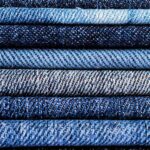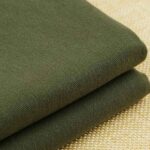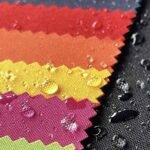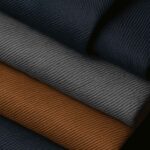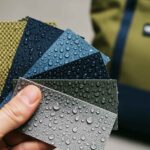
Canvas is one of the most durable and versatile woven fabrics in global manufacturing — a plain or duck weave construction available in weights from lightweight 4oz tote bag fabric through to heavyweight 24oz+ industrial and military-grade cloth. Originally made from hemp and later cotton, modern canvas fabric is produced in 100% cotton, cotton-polyester blend, and 100% polyester compositions — each suited to different performance requirements, end-use applications, and price points. XINGYE TEXTILE supplies wholesale canvas fabric direct from our production facility in China, serving workwear manufacturers, bag and luggage brands, footwear producers, and industrial buyers worldwide with factory-direct pricing and flexible MOQ options.
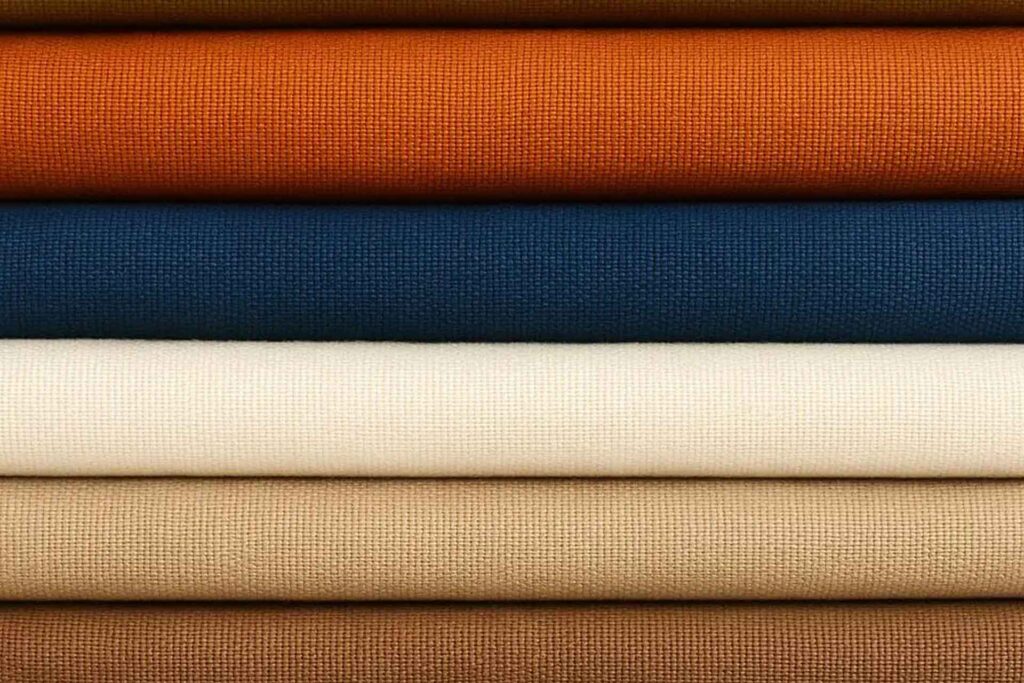
What is Duck Canvas
What Is Canvas Fabric?
Canvas is a heavy-duty plain weave fabric — warp and weft threads interlace in a simple alternating grid pattern, producing a balanced, dimensionally stable fabric with high tensile strength and abrasion resistance. The plain weave construction, combined with the high thread count and yarn weight used in canvas production, gives canvas its characteristic stiffness, durability, and structural integrity that lighter plain weave fabrics cannot replicate.
'Duck canvas' — the most widely produced canvas construction — refers specifically to a tightly woven plain weave fabric where the warp threads are paired, producing an even denser and more durable structure than single-thread plain weave. Duck canvas is the standard construction for workwear, bags, shoes, and heavy-duty outdoor applications globally.
Three properties define canvas performance across all compositions and weights:
High tensile strength. The dense thread packing of canvas construction produces a fabric that resists tearing and puncture significantly better than equivalent lighter weaves. This structural strength is why canvas is the default fabric for load-bearing applications — workwear, tool bags, military equipment, and outdoor shelter.
Dimensional stability. Canvas holds its shape under stress and maintains consistent dimensions through repeated use and washing. This stability is essential for structured bags, shoe uppers, and garments where shape retention is a functional requirement.
Surface durability. The high thread count and yarn weight of canvas produces a surface that resists abrasion significantly better than lighter woven fabrics. Canvas workwear and bags outlast equivalent lighter constructions in high-wear-area applications.
Canvas Fabric Compositions — Which to Specify
100% Cotton Canvas Pure cotton canvas is the most widely produced and specified canvas composition globally. It delivers natural breathability, a characteristic matte surface texture, and the authentic canvas hand feel that cotton fiber uniquely produces. Cotton canvas accepts dye readily and develops a characteristic patina through use — softening and conforming to its application over time.
Cotton canvas is the correct specification for: workwear garments and aprons, tote bags and everyday bags, shoe uppers, traditional outdoor applications, and any product where natural fiber credentials or GOTS organic certification is a requirement.
Standard width: 57/58 inches (approximately 144cm).
Cotton-Polyester Blend Canvas (TC Canvas) Blending polyester with cotton — typically 80/20 or 70/30 cotton-to-polyester — improves wrinkle resistance, drying speed, and dimensional stability compared to pure cotton canvas while retaining most of cotton's breathability and natural surface character. TC canvas is the preferred specification for outdoor and workwear applications where the fabric will be exposed to moisture, requires fast drying, or needs enhanced color retention through repeated washing.
TC canvas is the correct specification for: outdoor workwear, waterproof-finished canvas applications, performance bags and luggage, and garments where easy-care performance alongside natural canvas aesthetics is required.
100% Polyester Canvas Polyester canvas offers the highest color fastness, moisture resistance, and mold resistance of the three composition options. It is the appropriate base fabric for coated and laminated canvas applications — PU coating, waterproof membrane lamination, and printed canvas — where the coating or print performance is the primary specification requirement rather than the fiber's natural properties.
Polyester canvas is the correct specification for: printed canvas bags and promotional products, PU-coated waterproof canvas, industrial covers and tarps, and applications where color vibrancy and moisture resistance are the primary drivers.
Linen and Hemp Canvas Linen and hemp canvas offers high tensile strength, a distinctive natural texture, and a premium aesthetic that cotton canvas cannot replicate. Higher raw material cost limits linen and hemp canvas to premium applications where the natural fiber character is part of the product identity — high-end bags, decorative applications, and premium casualwear.
Canvas Fabric Weight Guide
Canvas weight is commonly expressed in both ounces per square yard (oz) and grams per square meter (GSM). The table below covers the full weight range we supply, with typical applications for each.
| Weight | GSM | Fabric Character | Best Applications |
|---|---|---|---|
| 4–8 oz | 135–270 GSM | Lightweight, flexible, good drape | Lining fabric, lightweight tote bags, stationery, thin casual bags |
| 10 oz | ~340 GSM | Mid-weight, balanced durability | General-purpose bags, shoe uppers, standard workwear aprons |
| 12–14 oz | 400–475 GSM | Heavy, structured, excellent durability | Workwear garments, outdoor bags, standard tent fabric |
| 16 oz | ~540 GSM | Very heavy, high strength | Heavy workwear, outdoor equipment covers, thick tent fabric |
| 18–24 oz | 600–800 GSM | Industrial grade, maximum durability | Military applications, tool bags, industrial covers, heavy-duty outdoor gear |
| 24 oz+ | 800–1000 GSM | Extreme duty | Specialist military and industrial applications |
For workwear garment production, 10–14 oz canvas is the most widely specified range. For bags and luggage, 10–12 oz covers the majority of applications. For industrial covers and heavy-duty outdoor applications, 16oz and above is standard.
Standard fabric width: 57/58 inches (approximately 144cm) across all weight ranges.
Functional Finishes for Canvas Fabric
Standard canvas fabric can be enhanced with functional finishes to expand its performance range for specific applications.
PU Coating (Waterproof) Polyurethane coating applied to the reverse face of canvas fabric produces a waterproof barrier while maintaining the canvas surface appearance on the face. PU-coated canvas adds approximately 20–50 GSM to the base fabric weight. Standard for outdoor bags, waterproof workwear, and outdoor equipment applications. Waterproof performance is rated in millimeters of water column — confirm the required rating for your application before ordering.
Waxed Finish Traditional wax treatment applied to cotton canvas produces a water-resistant surface with a characteristic darkened, vintage aesthetic. Waxed canvas adds approximately 30–60 GSM to the base fabric weight. Used in premium bags, jackets, and accessories where the waxed canvas aesthetic is part of the product identity. The wax finish requires periodic re-application to maintain water resistance.
Flame Retardant (FR) Finish FR-treated canvas is required for industrial workwear, military applications, and tent fabric used in fire-risk environments. FR finish must be specified at fabric production stage. Confirm compliance with the applicable standard for your destination market — EN ISO 11612 for Europe, NFPA for North America. FR finishing typically adds 10–20% to base fabric cost.
Anti-Mold and Anti-Mildew Applied to canvas fabric for outdoor, marine, and storage applications where prolonged moisture exposure creates mold risk. Standard for tent fabric, outdoor covers, and marine canvas applications.
Printed Canvas Surface printing on canvas fabric — screen print, digital print, or reactive print — is available for promotional bags, fashion canvas products, and branded workwear applications. Polyester canvas base fabric is recommended for print applications requiring high color vibrancy and UV resistance.
Canvas Fabric Applications in Garment and Product Manufacturing
Workwear and Industrial Garments Heavy cotton canvas and TC canvas in 12–16 oz is used for workwear aprons, work jackets, tool vests, and heavy-duty garments in construction, manufacturing, and industrial environments. Canvas workwear provides abrasion resistance and structural durability that lighter woven fabrics cannot match in high-wear-area applications.
Bags and Luggage 10–12 oz cotton or TC canvas is the standard specification for tote bags, backpacks, duffle bags, and everyday carry bags. The structural integrity of canvas construction allows bags to hold their shape under load without additional stiffening. PU-coated canvas at the same weight range is used for waterproof bag applications.
Footwear 10 oz cotton canvas is the standard construction for canvas shoe uppers — sneakers, espadrilles, and casual flat shoes. The breathability and structural stability of cotton canvas make it well-suited to footwear applications where the upper needs to hold its shape while remaining comfortable against the foot.
Outdoor and Camping Equipment 12–16 oz waterproof canvas — cotton-polyester blend with PU coating or wax finish — is used for tent fabric, tarp covers, and outdoor shelter applications. The combination of structural strength and waterproof finishing provides the durability and weather resistance required for outdoor equipment.
Promotional and Fashion Products Lightweight canvas at 4–8 oz is widely used for promotional tote bags, canvas pouches, and fashion accessories where a canvas aesthetic is desired without the weight of heavier constructions. Polyester canvas at this weight range is preferred for high-visibility print applications.
Industrial Covers and Equipment Protection Heavyweight canvas at 18–24 oz is used for industrial equipment covers, machinery protection, vehicle covers, and heavy-duty tarp applications where extreme abrasion resistance and structural strength are the primary requirements.
MOQ and Sample Policy
Minimum Order Quantity
| Order Type | MOQ |
|---|---|
| Stock canvas, standard colors | 500–1,000 meters per color |
| Custom dyeing or printing | 2,000–3,000 meters per color |
| Eco-certified or special coating | 3,000–5,000 meters |
| Special construction (double-ply, waterproof coating) | 5,000 meters minimum |
Sample Policy
- A4 swatches and color cards: free of charge, courier costs at buyer's expense (up to 3–5 colors)
- Large samples (0.5–1 meter): free or nominal charge of 20–50 RMB per piece, fully deductible from bulk order
- Standard sample lead time: 3–5 business days
- Custom color or print sample lead time: 7–10 business days
- Special performance test samples (waterproof, abrasion resistance): SGS or Intertek test reports available on request at additional cost
Sample approval in writing is required before bulk production release — color, weight, and hand feel must be confirmed against the approved sample.
Key Specifications to Confirm When Sourcing Canvas Fabric
| Specification | What to Confirm | Typical Standard |
|---|---|---|
| Fiber composition | Cotton %, polyester %, confirmed by lab test | Per agreed spec |
| Weight | OZ per square yard or GSM, physical sample verified | ±5% tolerance |
| Construction | Plain weave, duck canvas, double-ply | Per application requirement |
| Width | Usable width after selvage | 57/58' (approx. 144cm) |
| Functional finish | PU coating, wax, FR, anti-mold | Per end-use requirement |
| Color fastness — washing | Grade rating | Minimum Grade 4 |
| Color fastness — rubbing | Dry and wet rub | Minimum Grade 3–4 |
| Shrinkage | Warp and weft after standard wash | ≤3% TC / ≤5% pure cotton |
| Waterproof rating | Water column (mm) if coated | Per application requirement |
| Certifications | OEKO-TEX, GOTS, SGS test reports | Per buyer requirement |
| MOQ | Per composition and order type | See MOQ table above |
| Lead time | Stock vs custom | Stock: 3–7 days / Custom: 20–30 days |
Frequently Asked Questions — Wholesale Canvas Fabric
What is the difference between canvas and duck canvas? Duck canvas is a specific type of canvas construction where the warp threads are paired — two threads woven together as one — producing a denser, more tightly woven fabric than standard single-thread plain weave canvas at the same weight. Duck canvas is heavier, more durable, and more dimensionally stable than equivalent standard canvas. Most commercial workwear and bag canvas is duck canvas construction. The terms are often used interchangeably in trade, but duck canvas is technically a denser, higher-specification construction.
Is cotton canvas or polyester canvas better for outdoor applications? For outdoor applications requiring waterproof finishing, TC canvas (cotton-polyester blend) or 100% polyester canvas is preferred over pure cotton. The polyester component improves moisture resistance, reduces drying time, and enhances mold resistance — all critical for outdoor exposure. For applications where a natural canvas aesthetic is prioritized alongside weather protection, TC canvas with PU coating or wax finish is the most practical specification.
Can canvas fabric be certified organic? 100% cotton canvas from certified organic cotton can be certified under GOTS (Global Organic Textile Standard). TC and polyester canvas cannot qualify for GOTS certification. OEKO-TEX Standard 100 certification — covering chemical safety of the finished fabric — is available for all three composition options and is the more commonly specified certification for commercial canvas applications.
What is the minimum order for wholesale canvas fabric? Standard MOQ for stock canvas in regular colors is 500–1,000 meters per color. Custom dyeing and printing requires 2,000–3,000 meters minimum. Special constructions and coatings start from 5,000 meters. Free swatches are available before bulk commitment — contact our team to request samples.
How is canvas fabric weight measured — GSM or OZ? Canvas fabric weight is commonly expressed in both units depending on the market. OZ (ounces per square yard) is the traditional unit used in North American and international canvas trade. GSM (grams per square meter) is standard in European and Asian markets. Both units measure fabric weight — 10 oz canvas equals approximately 340 GSM. We can supply weight specifications in either unit — confirm your preferred unit when requesting a quotation.
Request Wholesale Canvas Fabric Samples and Pricing
XINGYE TEXTILE supplies wholesale canvas fabric — 100% cotton, cotton-polyester blend, and polyester canvas — in weights from 4oz to 24oz+, serving workwear manufacturers, bag and luggage brands, footwear producers, and industrial buyers worldwide. Factory-direct pricing, flexible MOQ from 500 meters for stock canvas, free swatches available.
Contact our sourcing team with your composition, weight, quantity, functional finish requirements, and destination — we will provide a formal quotation within 24 hours.
→ Browse Our Full Fabric Range → Browse Fabric for Workwear → Request a Free Swatch → Get a Wholesale Quote