
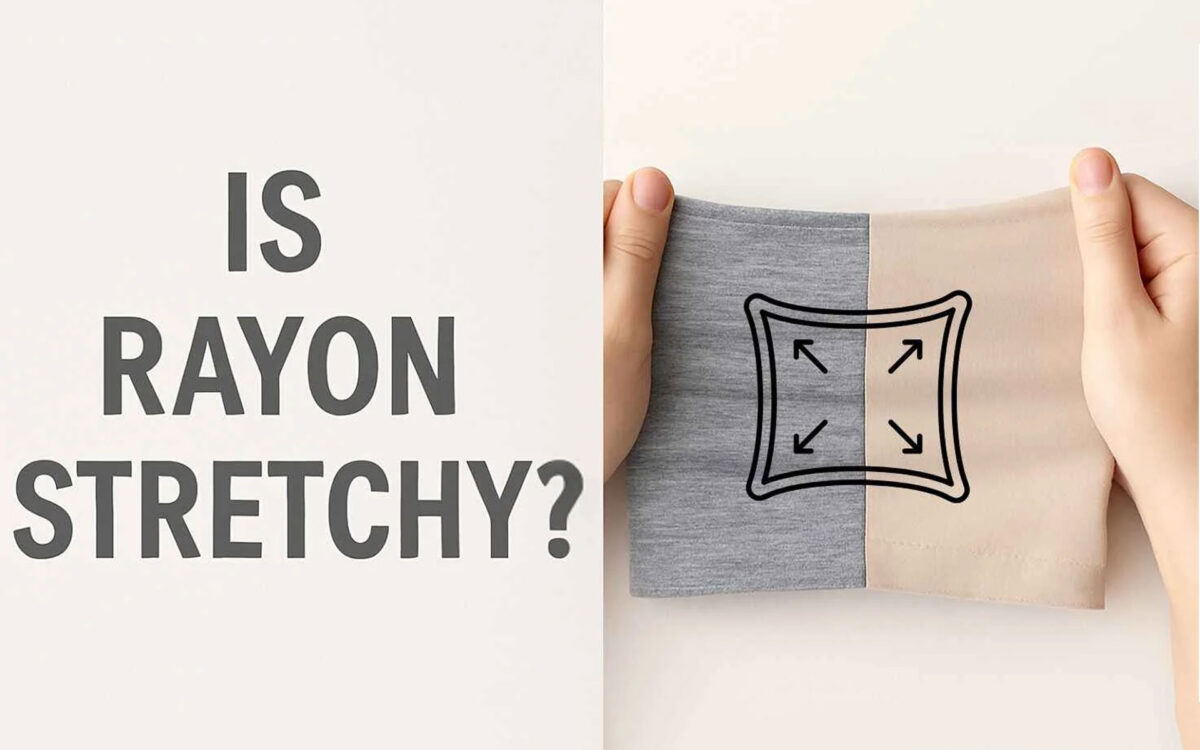
Is Rayon Stretchy? Everything Apparel Manufacturers Need to Know About Rayon and Stretch
Is rayon stretchy? Pure rayon has minimal natural elasticity — but rayon fabrics can be engineered for stretch through construction and blending. This guide covers rayon stretch properties, blend options, and wholesale sourcing for garment manufacturers and fabric buyers.
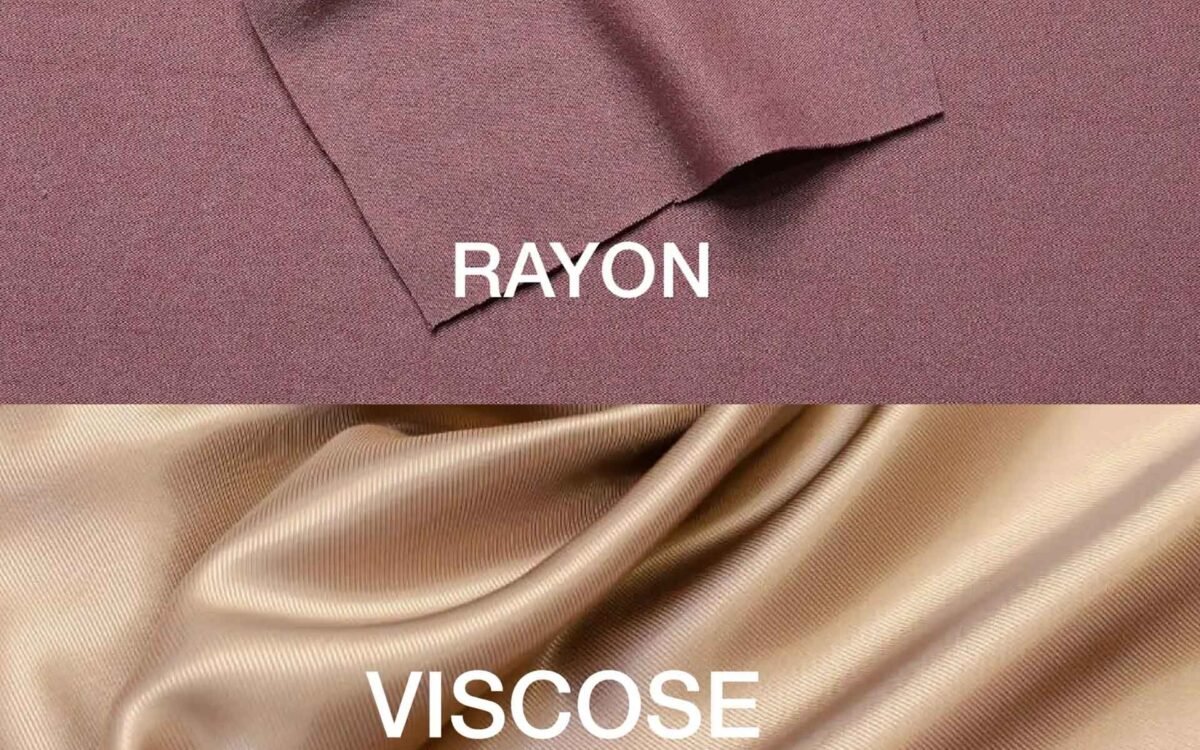
Rayon vs Viscose: Are They Really the Same Fabric?
For anyone shopping for clothing or textiles, the terms rayon and viscose can be confusing. They are often used interchangeably, but is there a difference? Understanding what these fabrics are, how they’re made, and how they perform can help you make smarter purchasing decisions.
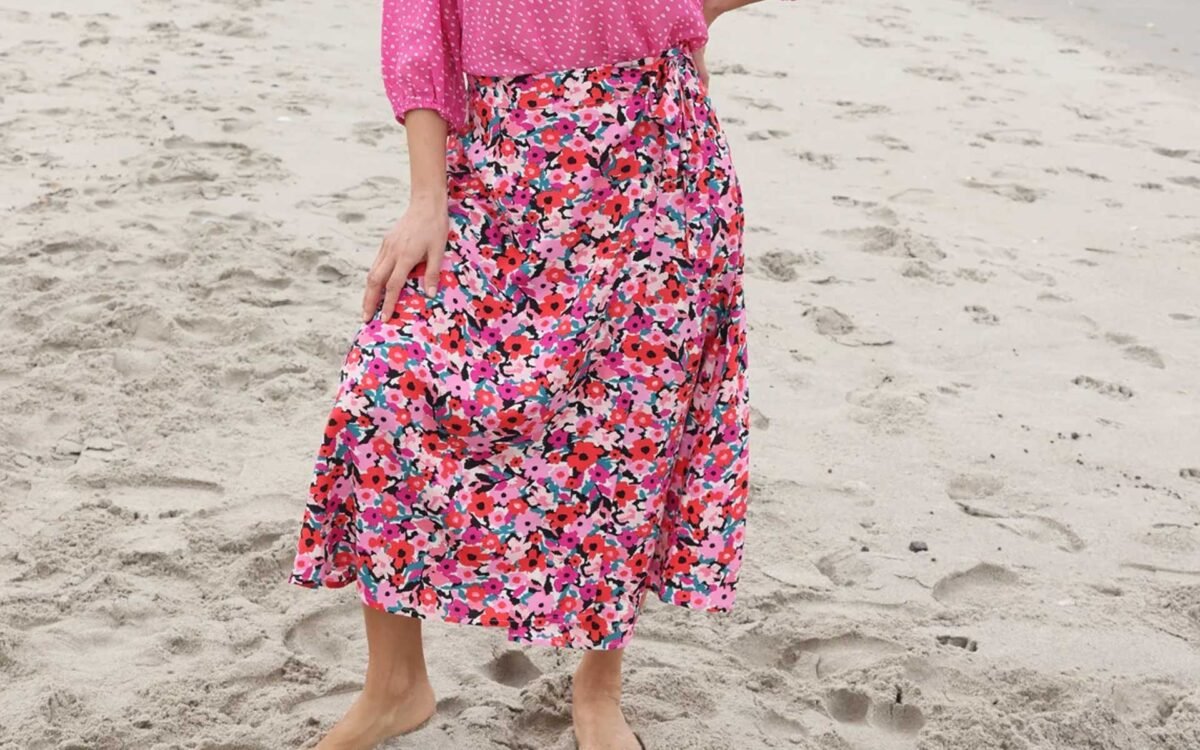
What Is Made Out of Rayon? 10 Clothing Designs That Work Best with Rayon
If you’ve ever wondered what is made out of rayon, the answer is: more than you think. Rayon is one of the most versatile fabrics in modern fashion. It mimics the softness of silk, the breathability of cotton, and the drape of luxury fabrics — but at a more accessible price point. From everyday basics to elegant dresses, rayon clothing appears everywhere. Let’s explore the 10 garment types where rayon truly shines.
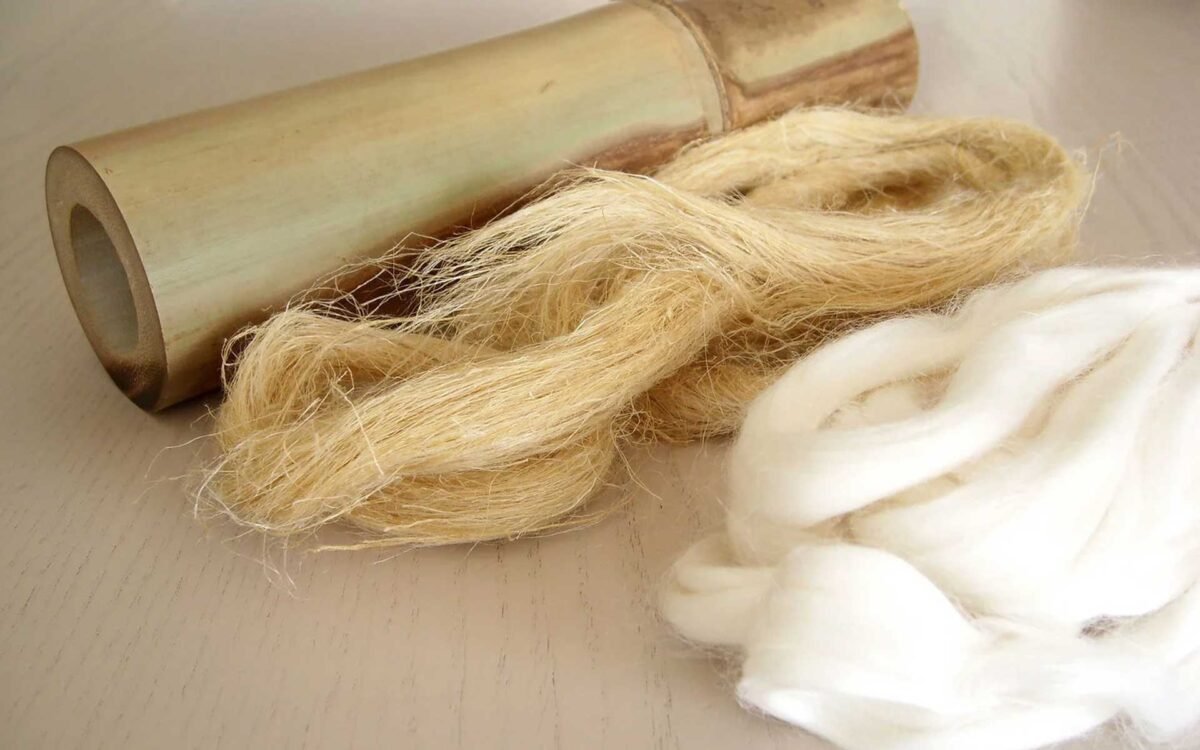
What Is Bamboo Rayon? Is It Really Eco-Friendly or Just Marketing?
Bamboo Rayon Is Everywhere — But It’s Often Misunderstood Bamboo rayon is widely marketed as a natural, eco-friendly fabric used in clothing, bedding, and home textiles. It sounds simple: bamboo + rayon = natural fabric But the reality is more complicated. 👉 Bamboo rayon is not a natural fiber — it is a chemically processed regenerated fabric. This raises an important question: Is bamboo rayon really eco-friendly, or is it just clever marketing?
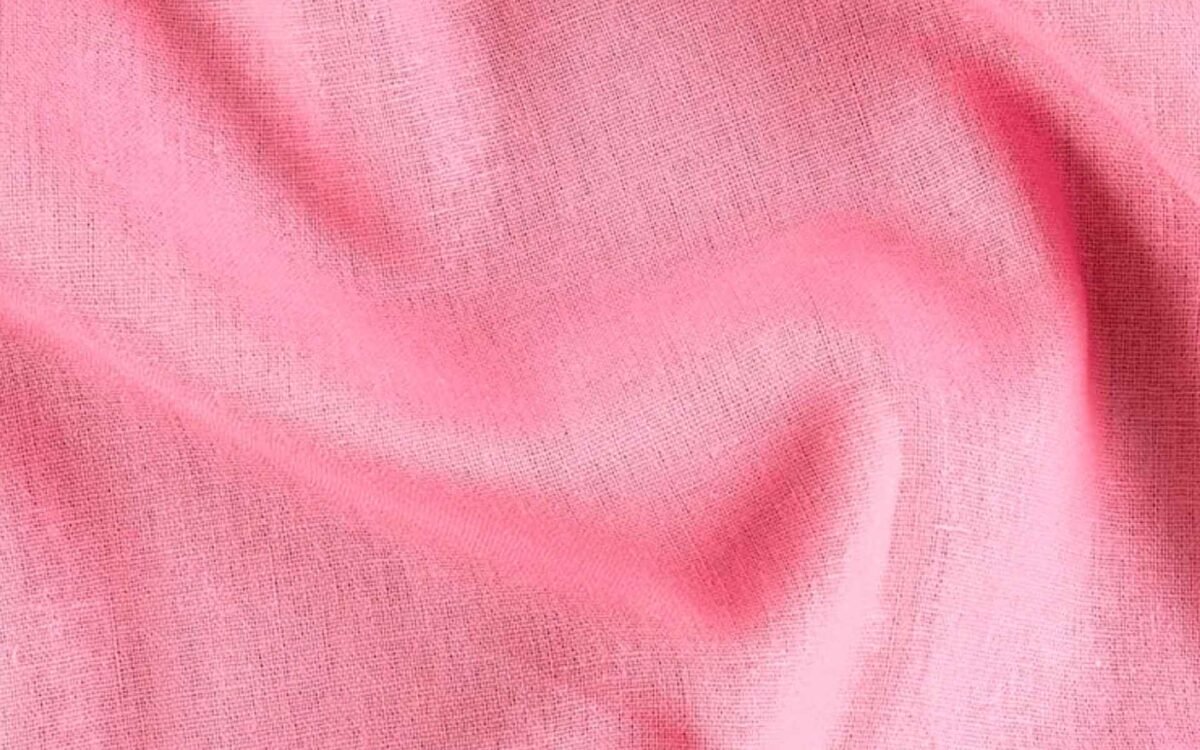
Linen Rayon Blend Explained: The Perfect Balance of Structure & Drape
If you love the crisp, breathable structure of linen but wish it felt softer and flowed better — you’ve probably encountered a linen rayon blend. Also labeled as linen and rayon, this fabric combines two very different fibers into one highly wearable material. So what makes it special? And is it better than pure linen? Let’s break it down.
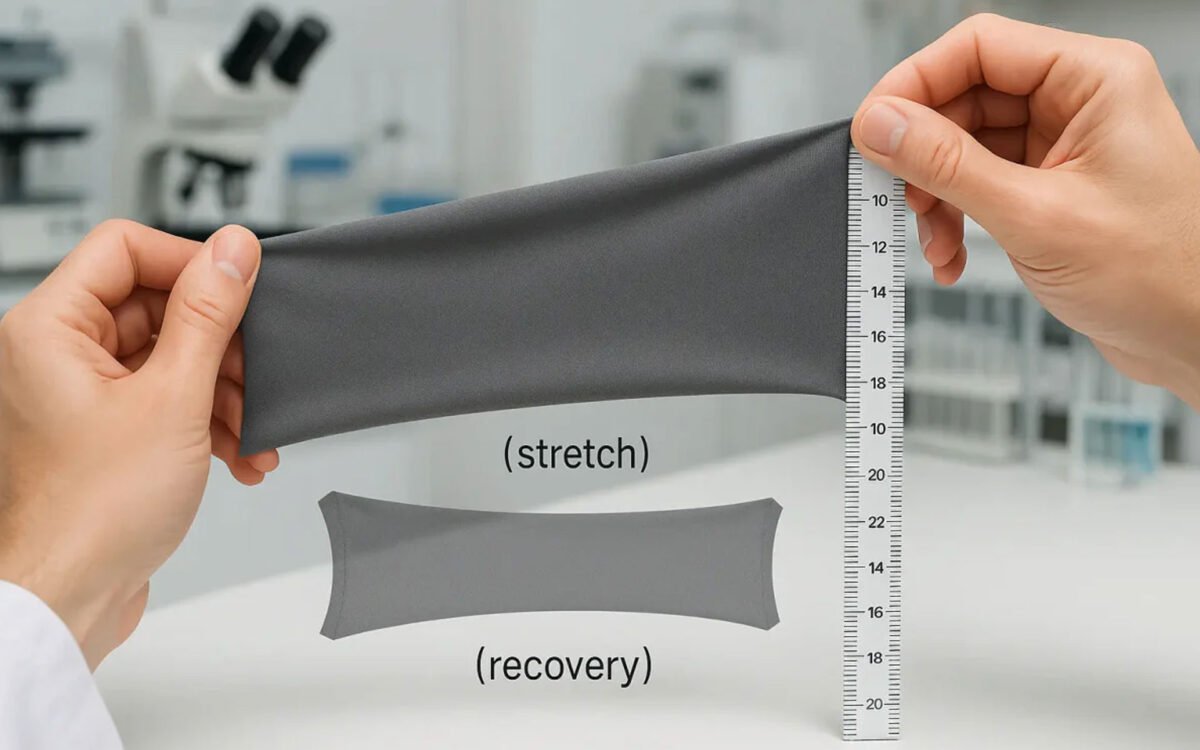
Rayon Spandex Explained: Why This Stretch Fabric Dominates Activewear & Loungewear
If you’ve ever worn ultra-soft leggings, body-hugging tops, or buttery loungewear, chances are you’ve worn rayon spandex (also called rayon elastane). But what exactly is it? Is rayon spandex good for workouts? Why does it feel softer than polyester? Is rayon elastane breathable? Let’s break down how this stretch blend works — and why it’s become a go-to fabric for comfort-focused clothing.
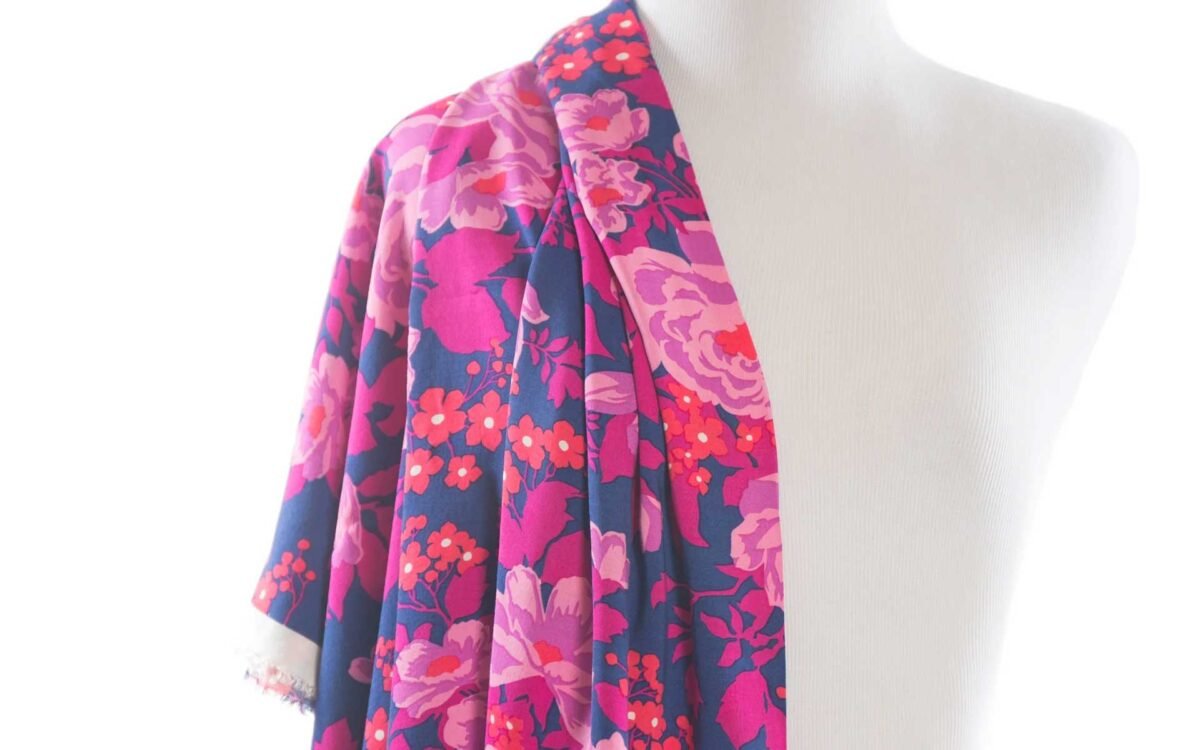
Rayon Challis Explained: Why It’s One of the Best Fabrics for Dresses
If you’ve been shopping for lightweight dress fabric, you’ve probably seen the term rayon challis fabric. It’s especially popular for summer collections, indie sewing patterns, and flowy silhouettes. But what exactly is it? What is rayon challis? Why do designers love it for dresses? Is it better than regular rayon? This guide breaks it down clearly and practically for sewists, designers, and everyday buyers.
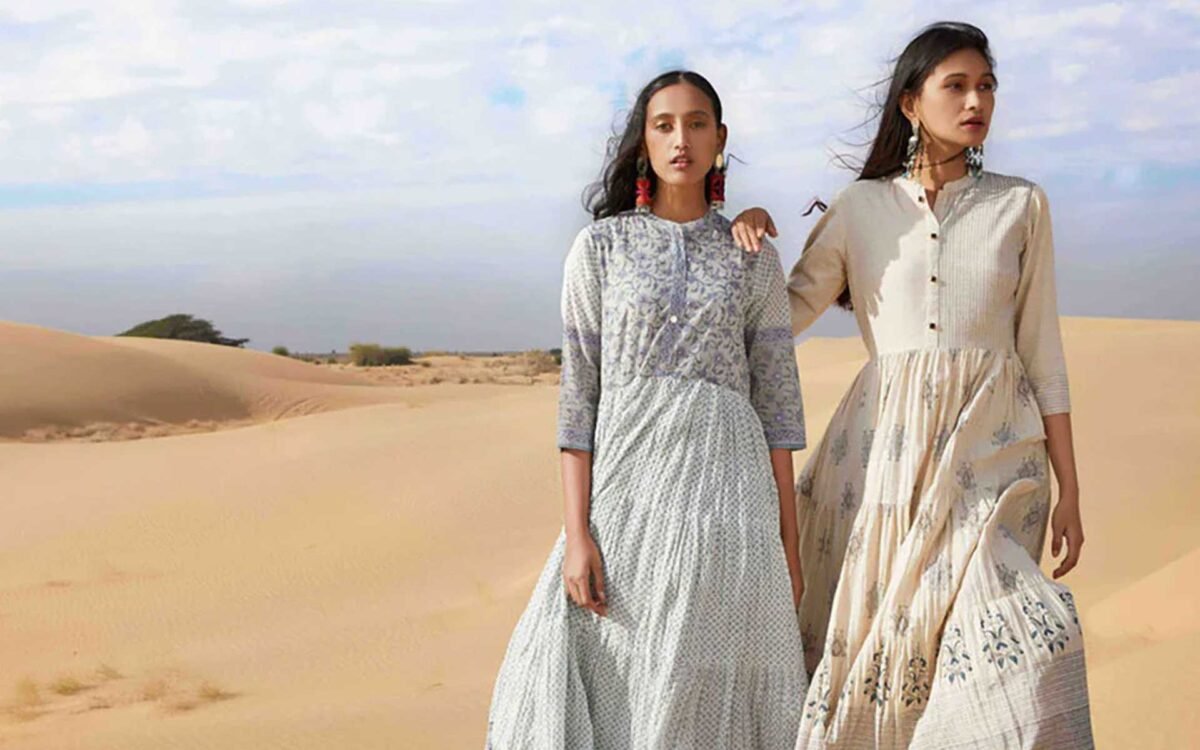
Rayon in Hot Weather: Cool and Breathable — or Sticky and Trapping Heat?
When temperatures rise, fabric choice can determine whether you feel fresh or uncomfortable. Many people ask: Is rayon breathable? Is rayon cool in summer? Is rayon for hot weather a smart choice? The short answer: Rayon can be very comfortable in heat—but it depends on the fabric weight, weave, and humidity level. Let’s break it down clearly and practically.
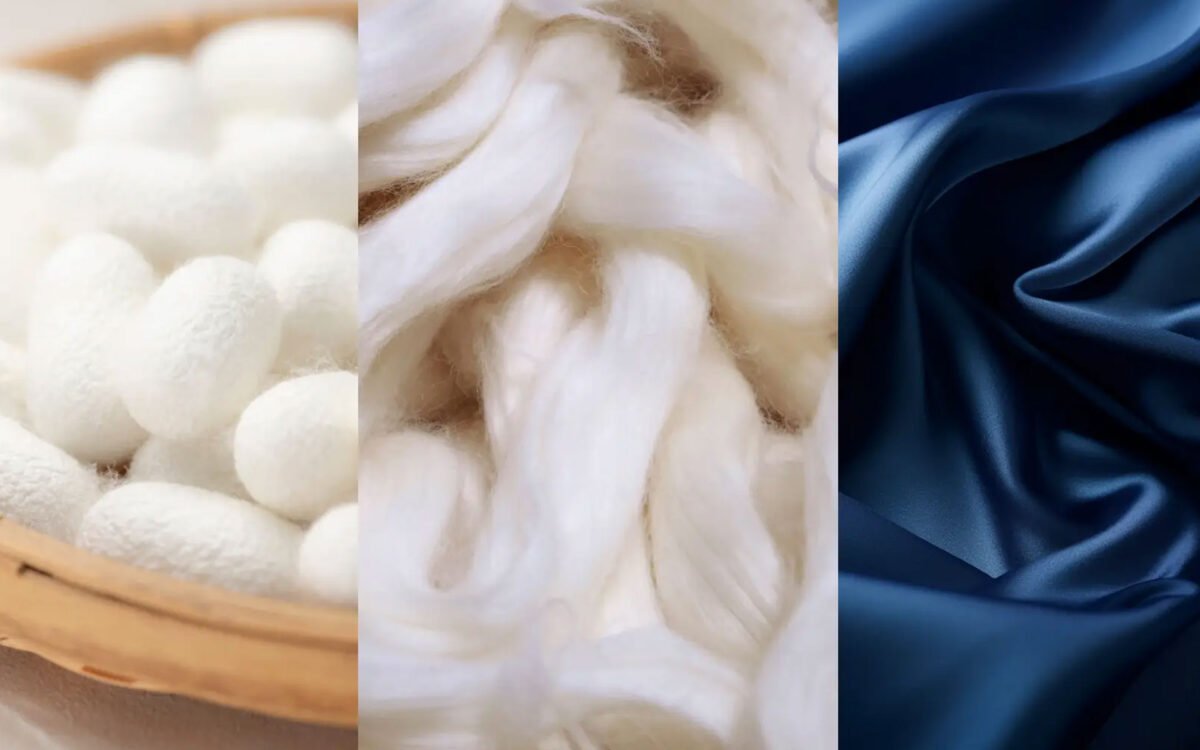
Rayon vs Silk: Can “Artificial Silk” Truly Replace Real Silk?
Rayon is sometimes called “artificial silk” because of its smooth texture and elegant drape. But does that mean rayon textiles can truly replace real silk? If you’re deciding between the two, this guide will help you understand the differences in feel, breathability, durability, cost, and care—so you can choose based on your needs, not just marketing terms.
Rayon vs Nylon: If Both Are Man-Made, Why Do They Feel So Different?
Many shoppers assume rayon and nylon are basically the same because they’re both “man-made.” But when you wear them, the difference is obvious. Common questions include: Is rayon the same as nylon? What is nylon, exactly? Why does rayon feel soft and breathable while nylon feels slick or sporty? This guide explains the science in simple terms—so you can choose the right fabric for comfort, durability, and climate.
Rayon vs. Polyester: Clearing Up the Confusion Between Semi-Natural and Synthetic Fabrics
Many shoppers still ask: Is rayon polyester? Should I choose rayon or polyester? Is rayon better than polyester for comfort? Although they sometimes look similar in stores, rayon and polyester are fundamentally different fibers. This guide breaks down their composition, comfort, durability, and real-world performance so you can choose confidently.
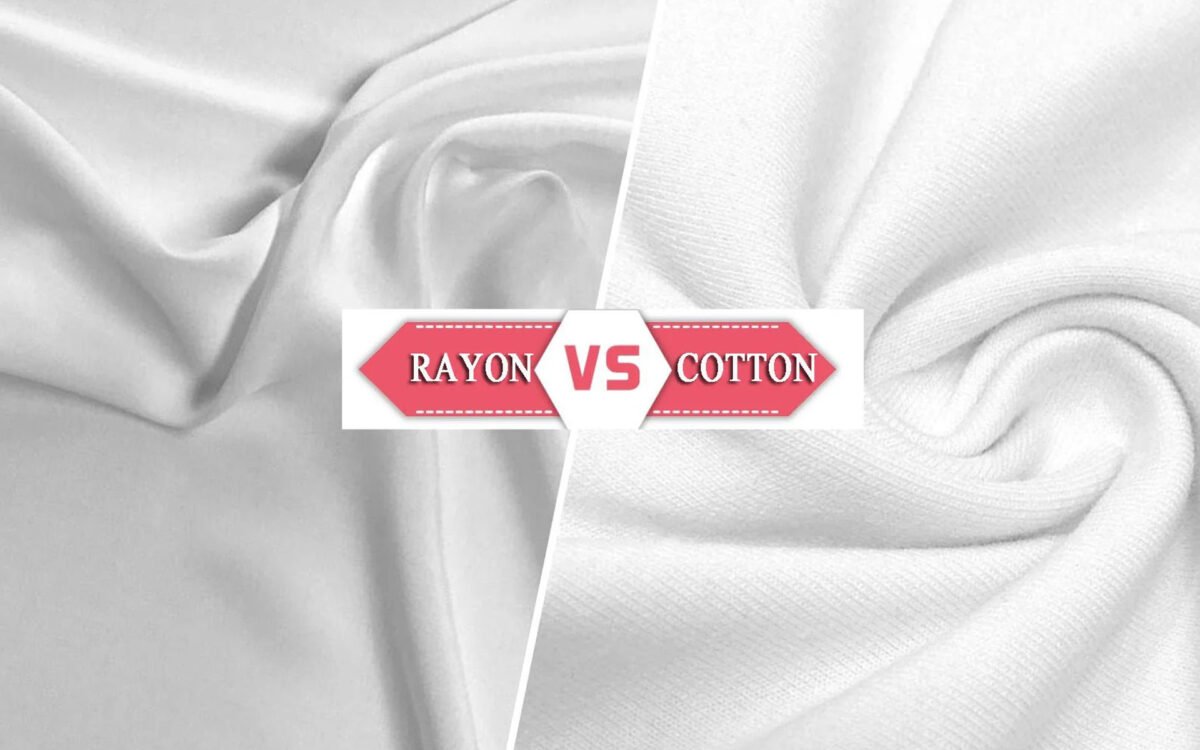
Is Rayon Breathable? Does It Feel Hot in Summer? (Full Guide)
Rayon is often described as a lightweight, breathable fabric—but many people also complain that it feels sticky or uncomfortable in hot weather. So what’s the truth? 👉 Is rayon actually breathable, and is it a good fabric for summer? This guide gives you a clear, practical answer, based on real fabric performance—not just theory.
Is Rayon a Bad Fabric? The Truth About Rayon Quality and Durability
If you’ve searched online for opinions about rayon, you’ve probably seen mixed reviews—especially in discussion forums like Reddit. Some people love its softness and breathability. Others complain that it shrinks, wrinkles, or doesn’t last long.