
If you’re shopping for muslin by the yard, you’ve probably noticed that prices vary widely depending on how much you buy. Should you purchase small quantities as needed—or invest in a full bolt to save money? This practical guide compares: Muslin by the yard Buying by the bolt Understanding muslin price per metre Where to find cheap muslin without sacrificing quality
If you love soft neutrals, antique textures, or natural craft finishes, tea dyed muslin is one of the easiest and most affordable ways to create a warm vintage look at home. Whether you're working on quilts, costumes, journaling backdrops, or home décor, this guide will walk you through: How to make beautifully dyed muslin How to control tone and depth Tips for painting on muslin after dyeing How to set and preserve the color Let’s get started.
For centuries, Dhaka muslin was considered the finest cotton fabric in the world—so light and delicate it was famously described as “woven air.” Known historically as Dacca muslin, this extraordinary textile originated in Bengal and became a global luxury long before modern fashion houses existed. Today, renewed cultural interest in Bengali muslin is helping restore its legacy.
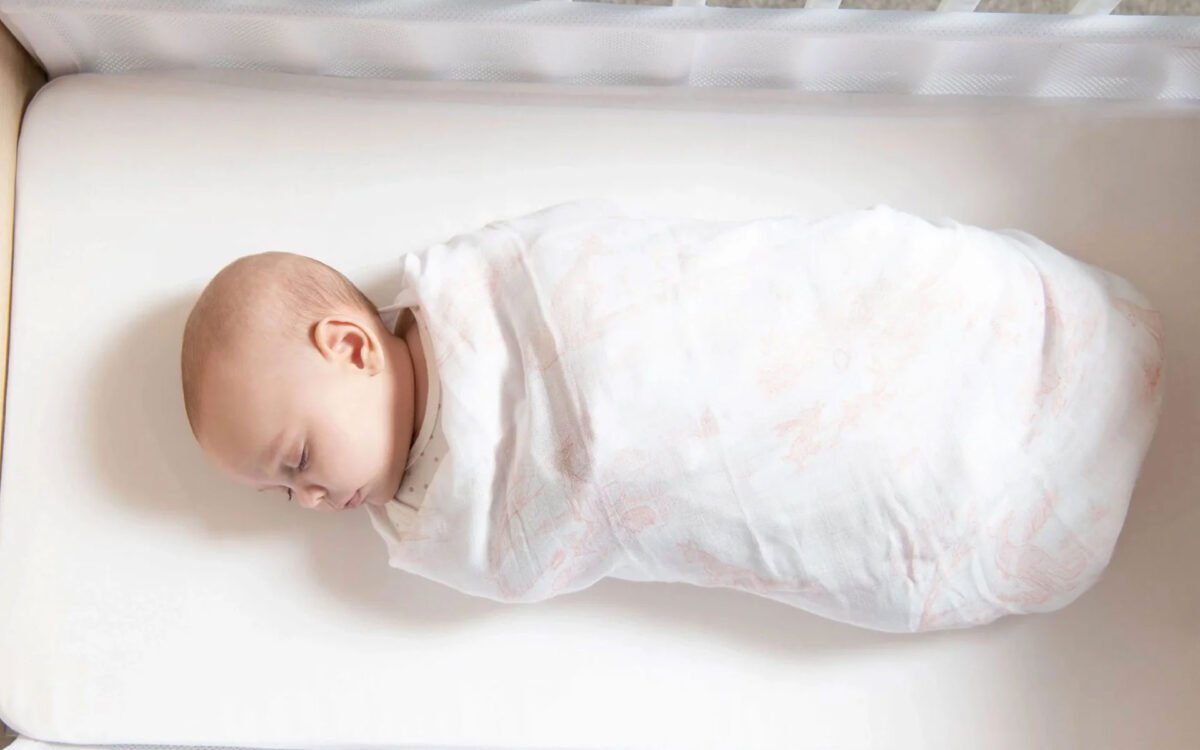
When it comes to baby essentials, few fabrics are trusted as much as muslin. Parents, pediatric nurses, and baby brands consistently choose it for swaddles, blankets, burp cloths, and more. If you’ve wondered about muslin cloth uses or asked what are muslin cloths used for, this guide explains why breathable muslin remains the gold standard for baby care.
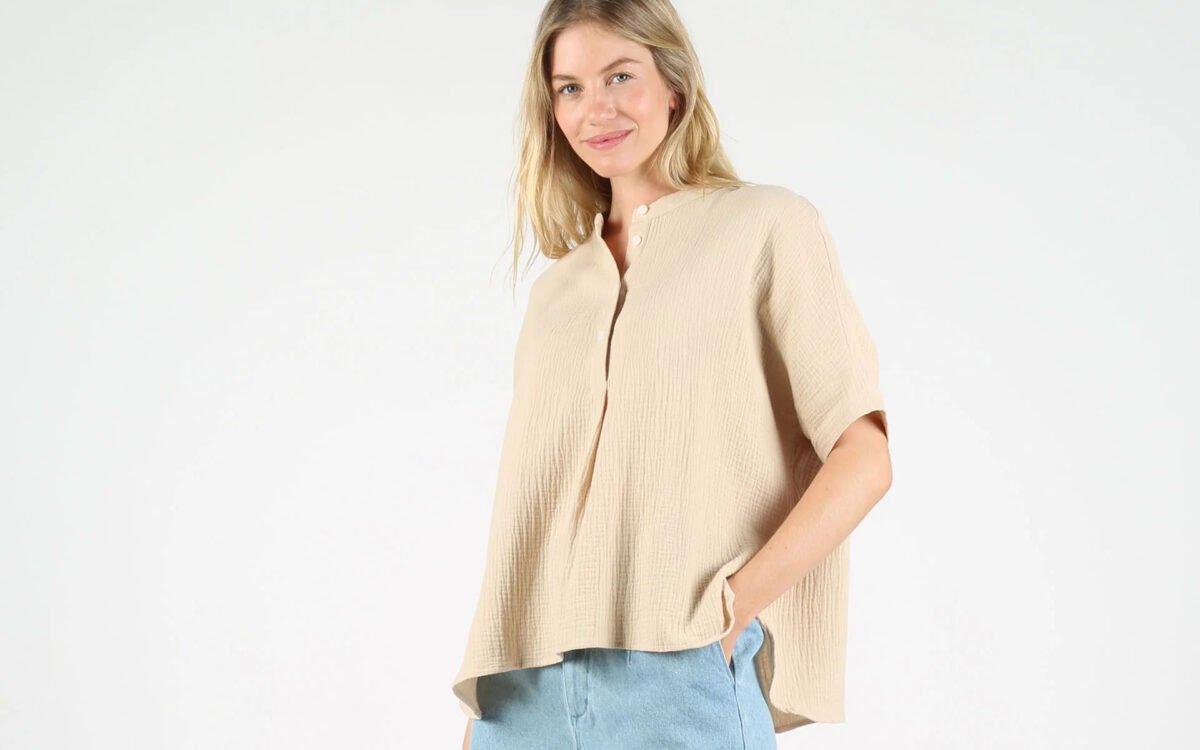
In recent years, the muslin dress for women has moved from sewing studios and baby blankets into mainstream fashion. Once known mainly as a prototype fabric, cotton muslin is now a go-to material for breathable, minimalist summer wardrobes. So why is cotton muslin clothing suddenly everywhere—and why is the muslin summer dress becoming a warm-weather essential? Let’s break it down.
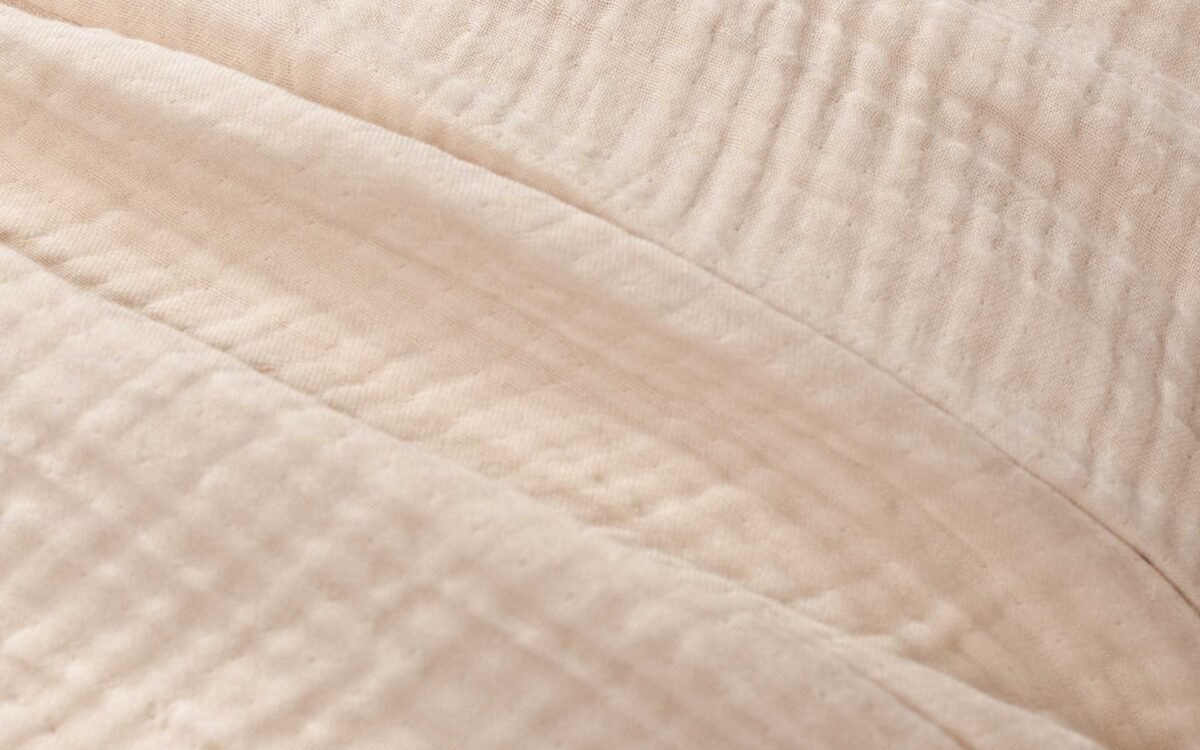
If you’re choosing a breathable fabric for summer clothing, baby products, or home textiles, you’ve likely compared muslin linen options—or wondered whether muslin gauze is the same as linen. Although muslin, linen, and gauze are all lightweight and airy, they differ significantly in fiber content, texture, structure, and performance. This guide explains the real differences so you can choose the right fabric confidently.
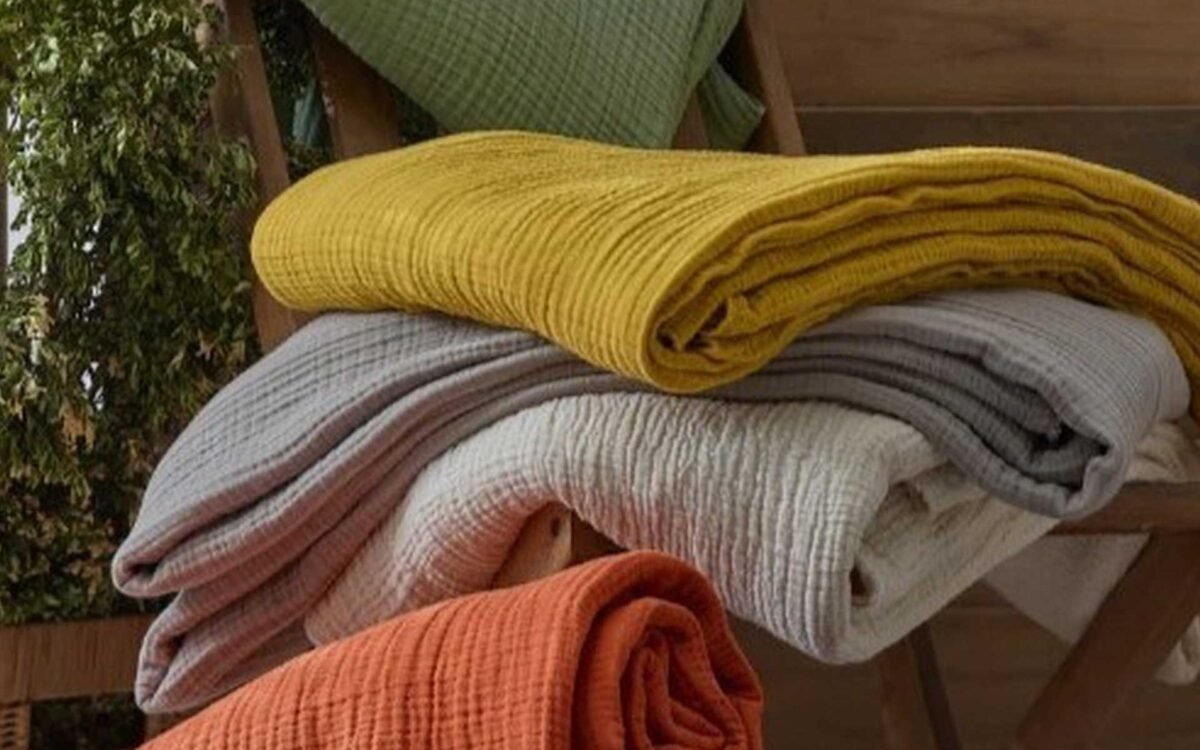
Many people assume muslin and cotton are the same thing—but they’re not. If you’re searching for the difference between cotton and muslin or trying to understand calico and muslin, this guide will clearly explain how fiber, weave, finish, and use separate these fabrics.
Muslin and chiffon may both appear lightweight at first glance, but they behave very differently in garments and sewing projects. If you’re searching for the difference between muslin and chiffon, or looking for a clear chiffon definition, this guide breaks down their drape, transparency, texture, and best uses.
Choosing between unbleached muslin and bleached muslin—and selecting the correct weight—can make or break your sewing, quilting, crafting, or studio project. Although muslin looks simple, small differences in color treatment and fabric weight significantly affect performance, durability, and final appearance. This guide helps you choose the right type with confidence.
If you’ve ever cut into expensive fabric and immediately regretted it, you already understand why making a muslin is one of the most important habits in garment sewing. A muslin (also called a toile or test garment) is a prototype version of your project made from inexpensive fabric before committing to your final fashion material. Whether you're a beginner or advanced sewist, using muslin for sewing can dramatically improve fit, accuracy, and confidence.
In professional fashion design, muslin is more than just inexpensive cotton—it’s a critical development tool. Whether you're testing fit or sculpting directly on a dress form, understanding muslin for pattern making and draping muslin correctly can dramatically improve garment results. This guide explains which muslin to choose, how to prepare it, and how professionals use it in real-world workflows.
Muslin is one of the most widely used yet misunderstood fabrics in sewing, fashion design, quilting, and baby products. If you've searched what is muslin, muslin meaning, or even how to pronounce it, this guide gives you clear, reliable answers.
Recent News
Yes, spandex is extremely stretchable. In fact, spandex (also known as elastane or Lycra) can stretch up to 5–8 times its original length and still return to its original shape.
When people think of nylon, they often picture the heavy, plasticky rain jackets of the past—materials that keep the water out but trap the heat in. This has led to a persistent question in the appare ...
The Short Answer: It’s All About the Construction Pure rayon fiber is a regenerated cellulose fiber made from wood pulp. On its own, the fiber has very little natural elasticity (less than cotton, in ...
In the textile industry, fabrics are usually divided into two clear camps: Natural (like cotton and silk) and Synthetic (like polyester and nylon). However, Viscose sits in a fascinating middle ground ...
The short answer is: Pure polyester fiber is not naturally stretchy, but polyester fabrics can be incredibly elastic depending on how they are made. At XINGYE TEXTILE, we specialize in engineering hi ...
A twill suit is a suit made from twill fabric, a type of textile known for its diagonal weave pattern. Unlike plain weave fabrics, twill has a distinctive texture that makes it: More durable Slightl ...
Twill is not a specific fiber like cotton or polyester. Instead, it is a type of fabric weave. A twill fabric is defined by its distinct diagonal rib pattern, created by weaving threads in a staggere ...
Twill fabric has a distinct feel that sets it apart from other textiles. 👉 In simple terms, twill feels: Slightly textured (due to its diagonal weave) Smooth but not slippery Soft yet structured Mor ...
Twill is not a specific material—it is a type of weave that can be made from different fibers such as cotton, polyester, wool, or blends. This means the properties of twill fabric depend largely on t ...
If you’re searching for where to buy corduroy fabric, you’re likely ready to start a project—whether it’s sewing clothing, upholstery, or sourcing materials for your business. Corduroy is a timeless ...
Batik boucle fabric Burlap Fabric Chenille Chiffon Cotton Damask Drop Cloth Elastane fabric painting Faux fur Felt Fleece Fabric Gabardine Fabric Gingham Jacquard linen Lycra lyocell fabric Merino Wool Minky Fabric Modal Fabric Muslin Nylon organza Polar Fleece Fabric Polyester Poplin quilting fabric Rayon Fabric Satin Weave Silk Fabric spandex sunbrella fabric Taffeta tartans Tencel Terry Cloth tulle fabric Twill Fabric Upholstery Fabric velvet fabric Viscose Waterproof Fabric Wool