Buying Damask Fabric Isn’t as Simple as It Sounds At first glance, finding damask fabric seems easy. Search online, pick a pattern, place an order. But in reality, many buyers run into the same problems: The fabric looks different in person The quality doesn’t match expectations The price feels higher than it should be 👉 That’s because buying damask fabric isn’t just about where you buy — it’s about how you choose the right source. This guide will help you understand the best places to buy ...
A Tablecloth Doesn’t Just Cover a Table — It Sets the Mood Before the food arrives, before guests sit down, one thing already defines the atmosphere of your dining space: The table. And more specifically — the tablecloth. A damask tablecloth does something most fabrics don’t. It adds detail without overwhelming the table, elegance without loud patterns. From a distance, it may look simple. But up close — or under shifting light — its woven patterns begin to appear, adding depth and texture ...
Some Curtains Block Light. Damask Curtains Play With It. Most curtains are either decorative or functional. Damask curtains do something more subtle. They don’t just hang in a space — they interact with it. As light moves throughout the day, their woven patterns begin to appear and fade, creating depth without needing bold colors or prints. 👉 That’s what makes damask drapery different. But here’s the challenge: Not every damask curtain works in every room. And choosing the wrong one can ...
Not All Damask Fabrics Are Made for Furniture Damask may look elegant in photos — but not every damask fabric is suitable for upholstery. Some are designed purely for decoration. Others are built to handle daily wear, pressure, and friction. 👉 And choosing the wrong one can lead to fast wear, fading, or even fabric damage. If you're planning to use damask upholstery fabric for furniture, understanding the difference is essential.
Most People Are Comparing the Wrong Things Damask, jacquard, and brocade are often treated as if they belong to the same category. They don’t. And that’s exactly why so many buyers get confused — and end up choosing the wrong fabric. At first glance, all three can look similar. They feature intricate patterns, often used in upholstery, curtains, or decorative textiles. But the truth is: 👉 They are not three variations of the same thing. 👉 They exist on different levels of how fabric is mad ...
Not All Damask Feels the Same — And That’s Where Most People Get It Wrong At a glance, all damask fabrics may look similar. They share that same elegant, woven pattern. But once you touch them — or try to use them — the differences become obvious. Some feel light and breathable. Some feel heavy and dramatic. Others are built to last in high-traffic environments.
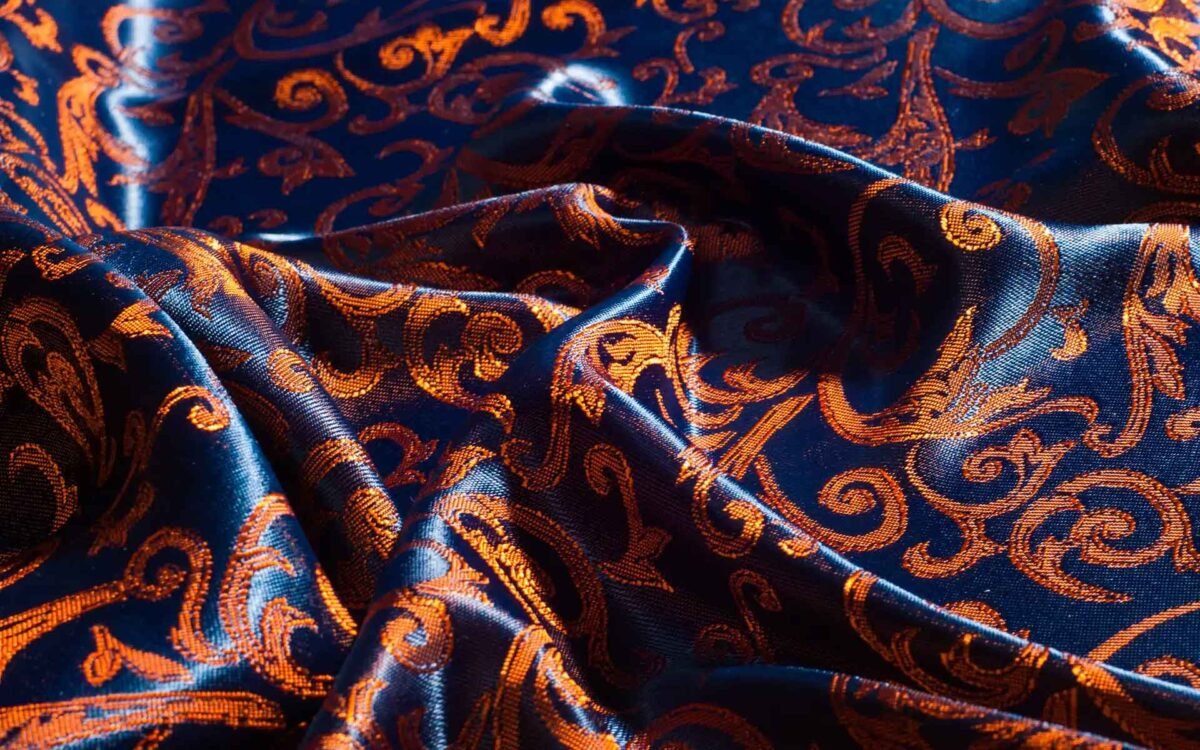
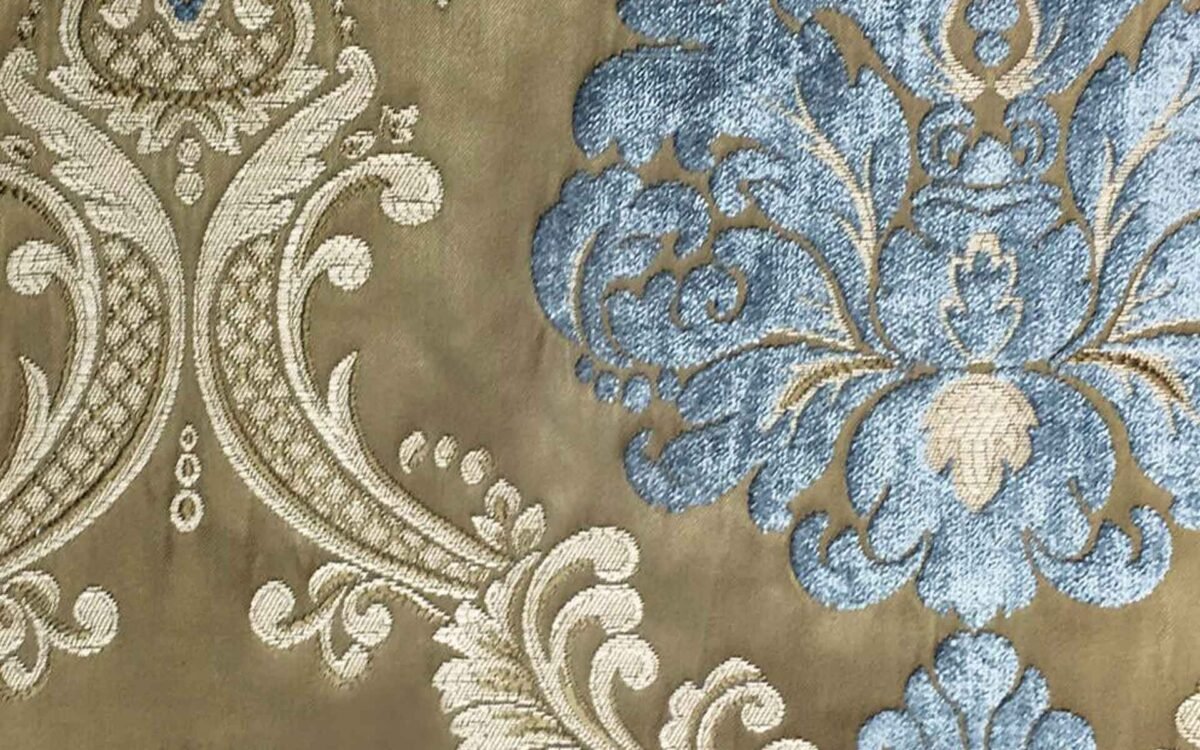
Some fabrics are loud. Damask is not one of them. It doesn’t rely on bold prints or bright colors to stand out. Instead, its beauty is quieter — revealed only when light moves across its surface. From one angle, it looks almost plain. From another, intricate patterns begin to appear, woven into the fabric itself. That subtle shift is what makes damask fabric different. In this guide, you’ll learn what damask really is, how it’s made, where it works best, and whether it’s the right choice for ...
Walk into a hotel lobby, a Victorian townhouse, or a contemporary design-forward apartment, and you'll find damask. The patterns change in color and scale, but the underlying vocabulary — the curved leaf, the symmetrical flower, the stylized pomegranate — stays remarkably consistent. Nobody decided to preserve these motifs. They survived because they work, and they work for reasons that go deeper than taste or tradition.
The honest answer has nothing to do with brand markup or boutique rent. It comes down to four compounding factors: the loom that made it, the yarn that went into it, how tightly those yarns were packed together, and what happened to the fabric after it came off the machine. Each factor builds on the last. Shortcut any one of them and the whole thing drops a tier.
Recent News
Learn how to choose the right fabric for clothing — fiber composition, GSM, weave structure, and functional finishes explained for fashion designers, clothing brands, and small-batch garment buyers so ...
Is twill fabric comfortable? Yes — and it's one of the most widely used constructions in garment manufacturing. This guide covers twill fabric properties, GSM ranges, fiber composition options, applic ...
Is viscose fabric breathable? Yes — viscose is one of the most breathable man-made fibers in garment production. Learn why viscose is breathable, how it compares to cotton and polyester, and how to so ...
Is spandex stretchable? Yes — spandex can stretch up to 5–8 times its original length. This guide explains how spandex works in garment production, how much spandex to specify, and how to source stret ...
Is nylon fabric breathable? The answer depends on construction and finish — not just fiber type. This guide explains nylon breathability, how it compares to other fibers, and how to source wholesale n ...
Is rayon stretchy? Pure rayon has minimal natural elasticity — but rayon fabrics can be engineered for stretch through construction and blending. This guide covers rayon stretch properties, blend opti ...
Is viscose a natural fiber? No — viscose is semi-synthetic, but its cellulose origin gives it properties no synthetic fiber can match. This guide covers viscose fiber classification, sustainability cr ...
Is polyester stretchy? Pure polyester has minimal natural elasticity — but polyester fabrics can be engineered for significant stretch through construction and blending. This guide covers polyester st ...
What is a twill suit? A suit made from twill-woven fabric — the most widely used construction in global suit and formal trouser production. This guide covers twill suit fabric types, GSM specification ...
What type of fabric is twill? Twill is a weave structure — not a fiber — used across cotton, polyester, TR, TC, wool, and nylon fabrics. This technical guide covers twill weave mechanics, construction ...
Batik boucle fabric Burlap Fabric Chenille Chiffon Cotton Damask Drop Cloth Elastane fabric painting Faux fur Felt Fleece Fabric Gabardine Fabric Gingham Jacquard linen Lycra lyocell fabric Merino Wool Minky Fabric Modal Fabric Muslin Nylon organza Polar Fleece Fabric Polyester Poplin quilting fabric Rayon Fabric Satin Weave Silk Fabric spandex sunbrella fabric Taffeta tartans Tencel Terry Cloth tulle fabric Twill Fabric Upholstery Fabric velvet fabric Viscose Waterproof Fabric Wool