
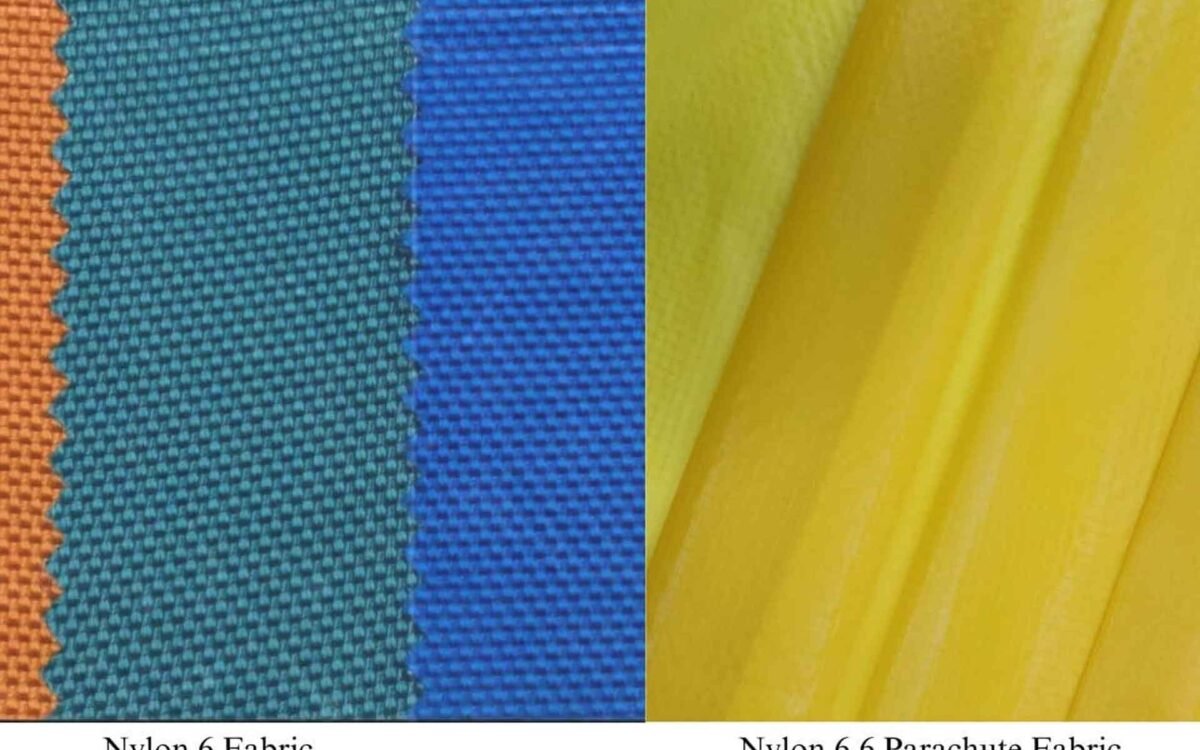
Types of Nylon Fabric: A Complete Guide for Garment Manufacturers and Wholesale Buyers
What types of nylon fabric are there? This guide covers all major nylon fabric types — nylon taffeta, Oxford, spandex, ballistic, waterproof, and more — with specifications, applications, and wholesale sourcing for garment manufacturers and fabric buyers.
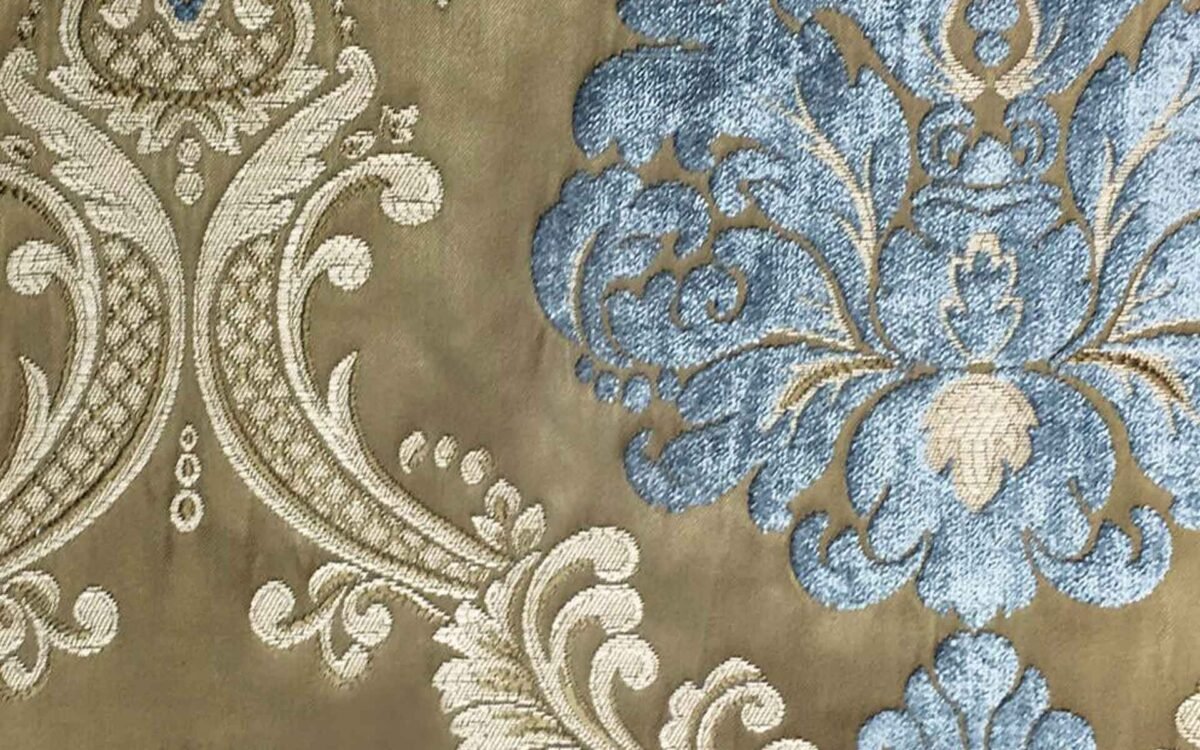
Damask vs Jacquard vs Brocade: Key Differences for Fabric Buyers and Manufacturers
Damask, jacquard, and brocade — what's the difference? This guide explains the construction, pattern, application, and cost differences between these three figured woven fabrics for garment manufacturers, home textile buyers, and wholesale fabric sourcing managers.
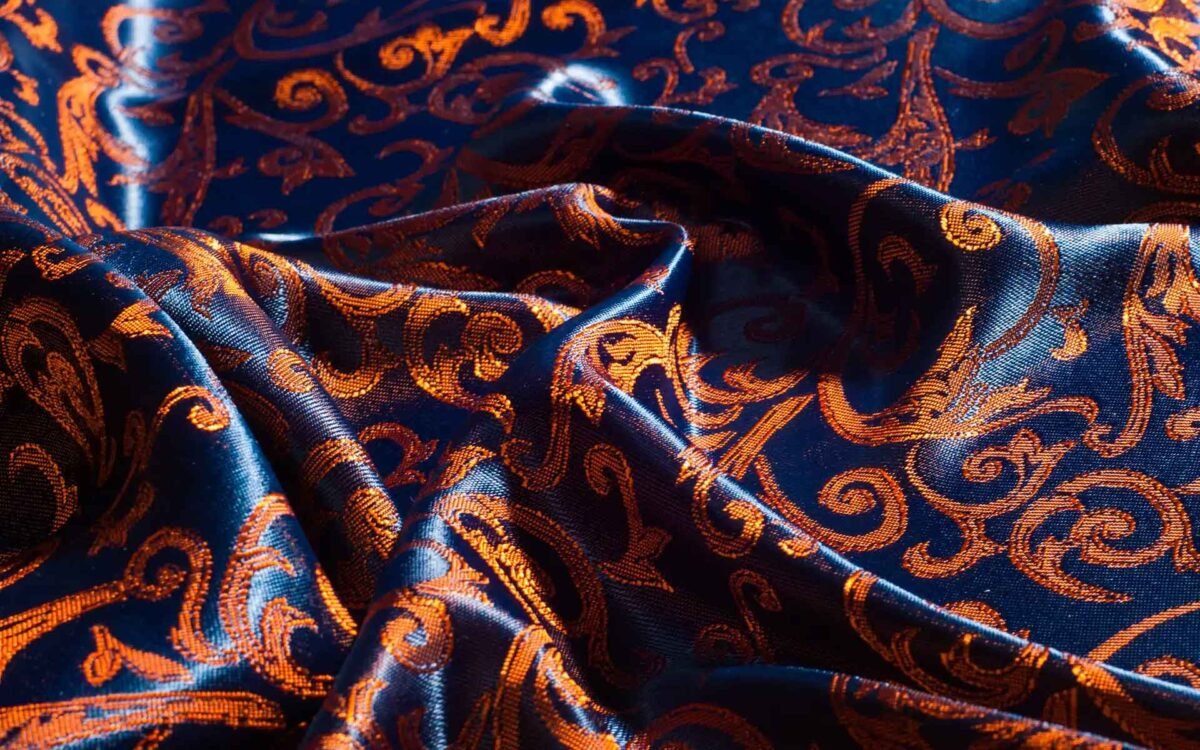
What Is Damask Fabric? Types, Properties & Wholesale Sourcing Guide for Manufacturers
What is damask fabric? Damask is a reversible figured woven textile with patterns created through weave structure — used in home textiles, formal garments, upholstery, and decorative applications. This guide covers damask types, compositions, GSM specifications, and wholesale sourcing from a China manufacturer.
Recycled Nylon: Sustainable Innovation for a Greener Future
Discover the benefits, applications, and performance of recycled nylon—a sustainable alternative to virgin nylon that reduces environmental impact without compromising quality.

Nylon Fabric for Bags: Oxford, Ripstop, Ballistic & Taffeta — Complete Sourcing Guide
Which nylon fabric is best for bags? This guide compares nylon Oxford, ripstop nylon, ballistic nylon, and nylon taffeta for bag manufacturing — with denier specifications, coating options, application mapping, and wholesale sourcing from a China manufacturer.

Nylon Taffeta Fabric: Properties, Specifications & Wholesale Sourcing Guide for Manufacturers
Wholesale nylon taffeta fabric — 150D to 210D, with DWR, PU coating, and TPU laminate options. This guide covers nylon taffeta properties, GSM specifications, finish options, and sourcing for down jacket, rainwear, umbrella, and outdoor equipment manufacturers.
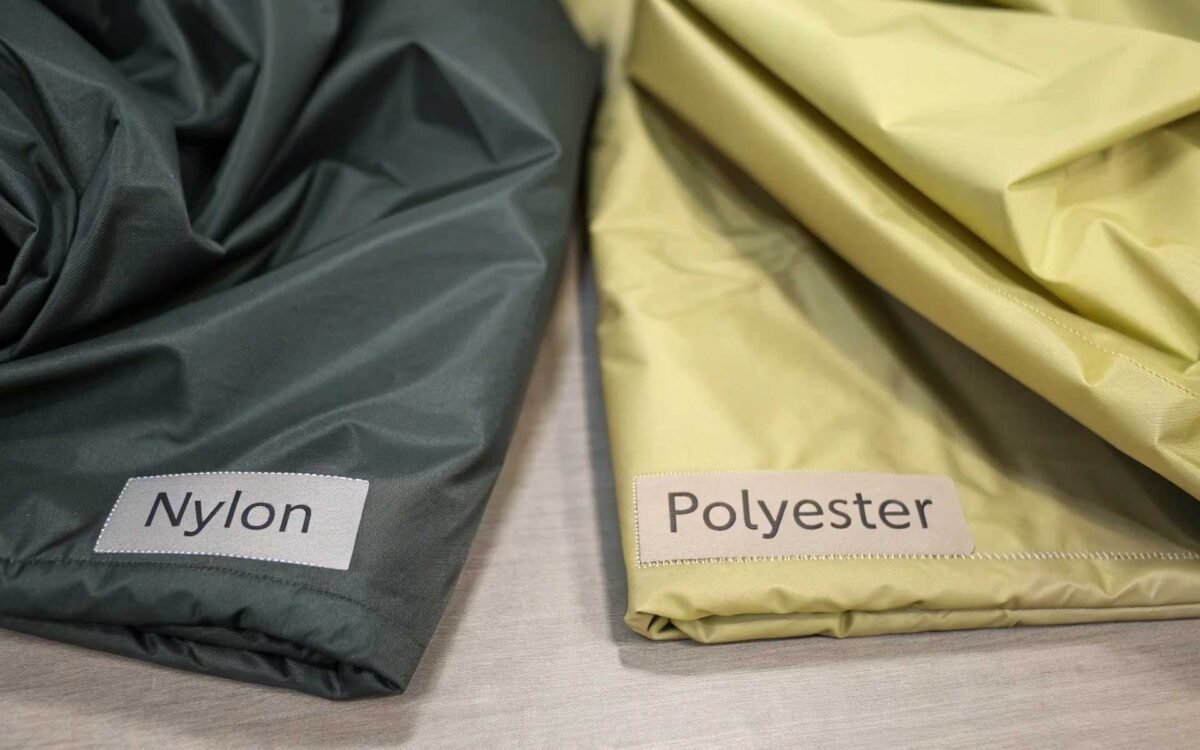
Nylon vs Polyester Fabric: Which Is Better? A Complete Guide for Garment Manufacturers and Buyers
Nylon vs polyester — which fabric is better for your application? This guide compares performance, durability, breathability, cost, and application suitability for garment manufacturers, bag producers, and wholesale fabric buyers sourcing from China.
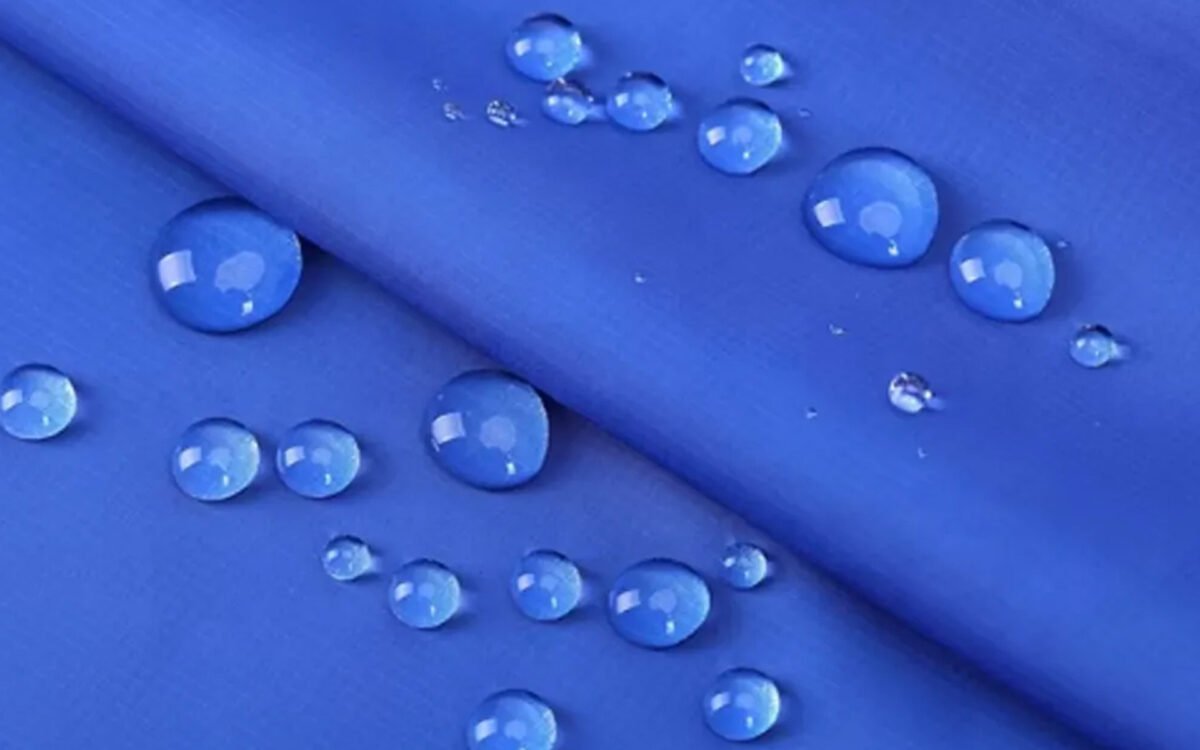
Waterproof Nylon Fabric: Types, Coatings, Specifications & Wholesale Sourcing Guide
Waterproof nylon fabric — DWR, PU coated, and TPU laminate options in 210D to 840D. This guide covers waterproof nylon fabric types, performance specifications, coating comparison, applications, and wholesale sourcing for garment manufacturers and bag producers.
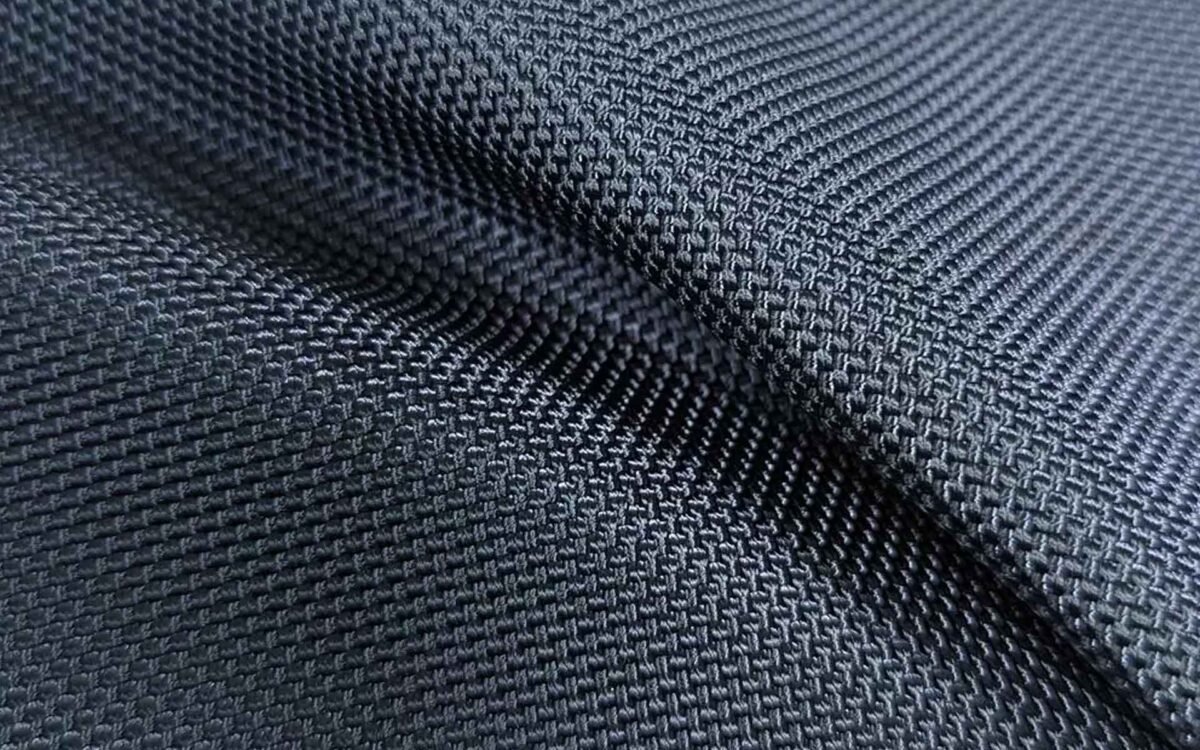
Ballistic Nylon Fabric: Properties, Specifications & Wholesale Sourcing Guide for Manufacturers
What is ballistic nylon fabric? This guide covers ballistic nylon denier specifications (840D, 1050D, 1680D), tensile and tear strength, coating options, applications, and wholesale sourcing for bag manufacturers, tactical gear producers, and industrial buyers.
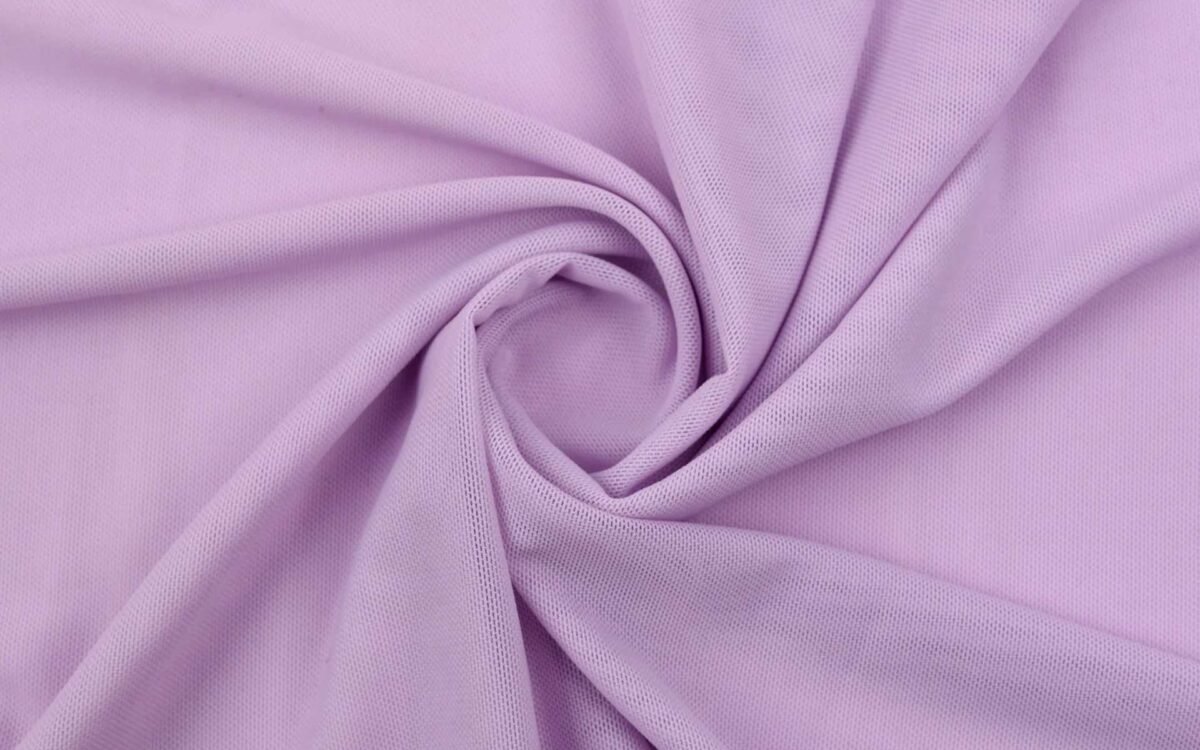
Nylon Spandex Fabric: Properties, Specifications & Wholesale Sourcing Guide for Manufacturers
Everything you need to know about nylon spandex fabric — performance properties, composition ratios, GSM guide, applications, and wholesale sourcing from a China manufacturer. For activewear brands, swimwear producers, and garment buyers.
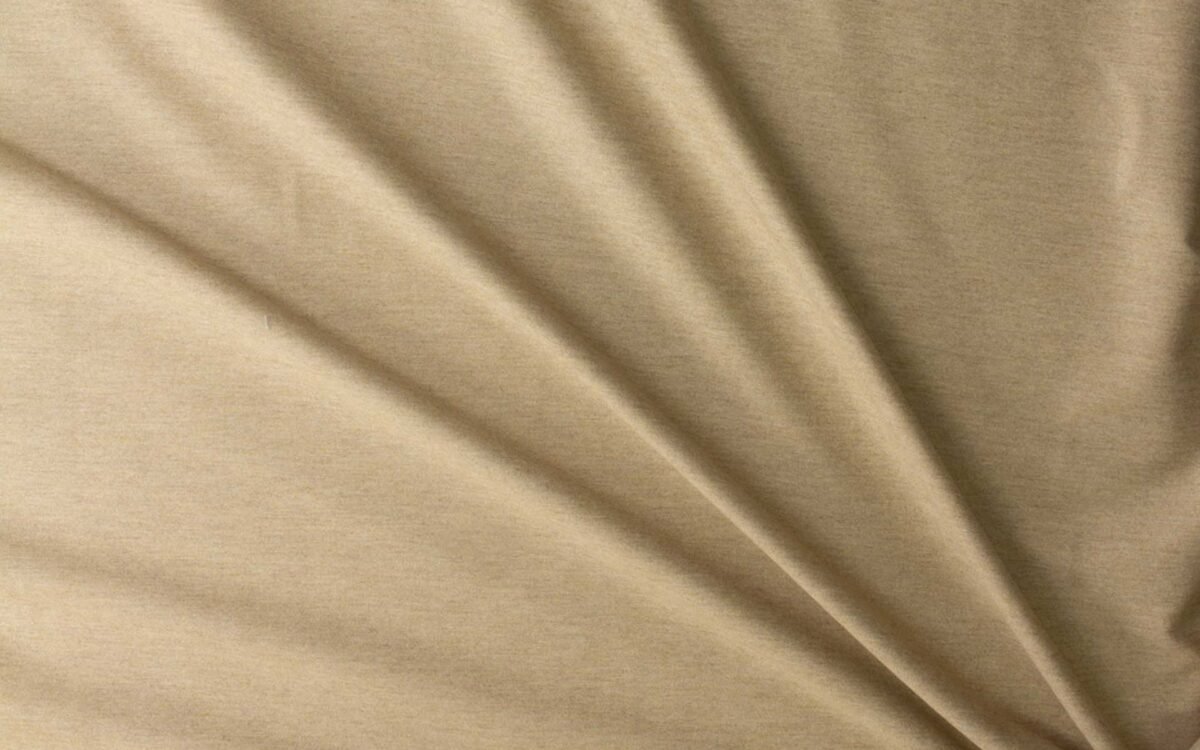
Brushed Nylon Fabric: Properties, Types & Wholesale Sourcing Guide for Manufacturers
Brushed nylon fabric — soft, warm, and moisture-wicking stretch fabric for activewear, thermal underwear, and outdoor garments. This guide covers brushed nylon properties, compositions, GSM specifications, and wholesale sourcing from a China manufacturer.
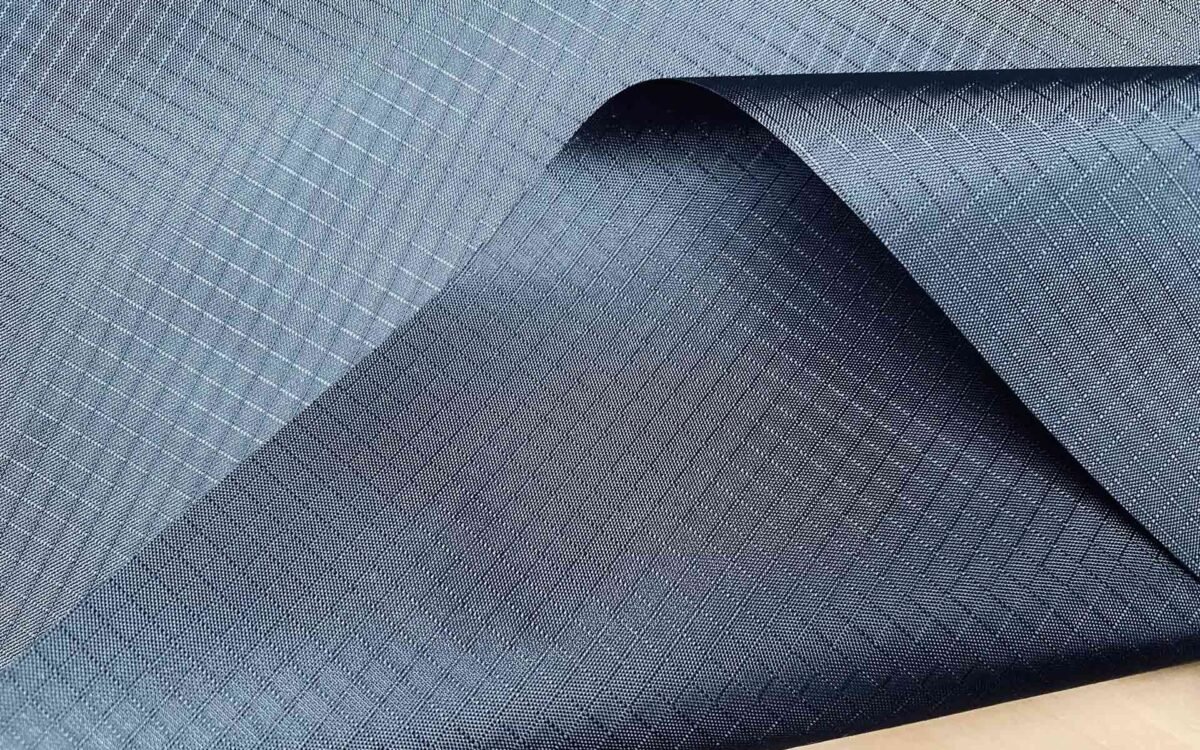
Ripstop Nylon Fabric: Properties, Specifications & Wholesale Sourcing Guide for Manufacturers
Ripstop nylon fabric — lightweight, tear-resistant, and highly durable. This guide covers ripstop nylon construction, denier specifications, coating options, applications, and wholesale sourcing for outdoor gear, bag, and garment manufacturers.
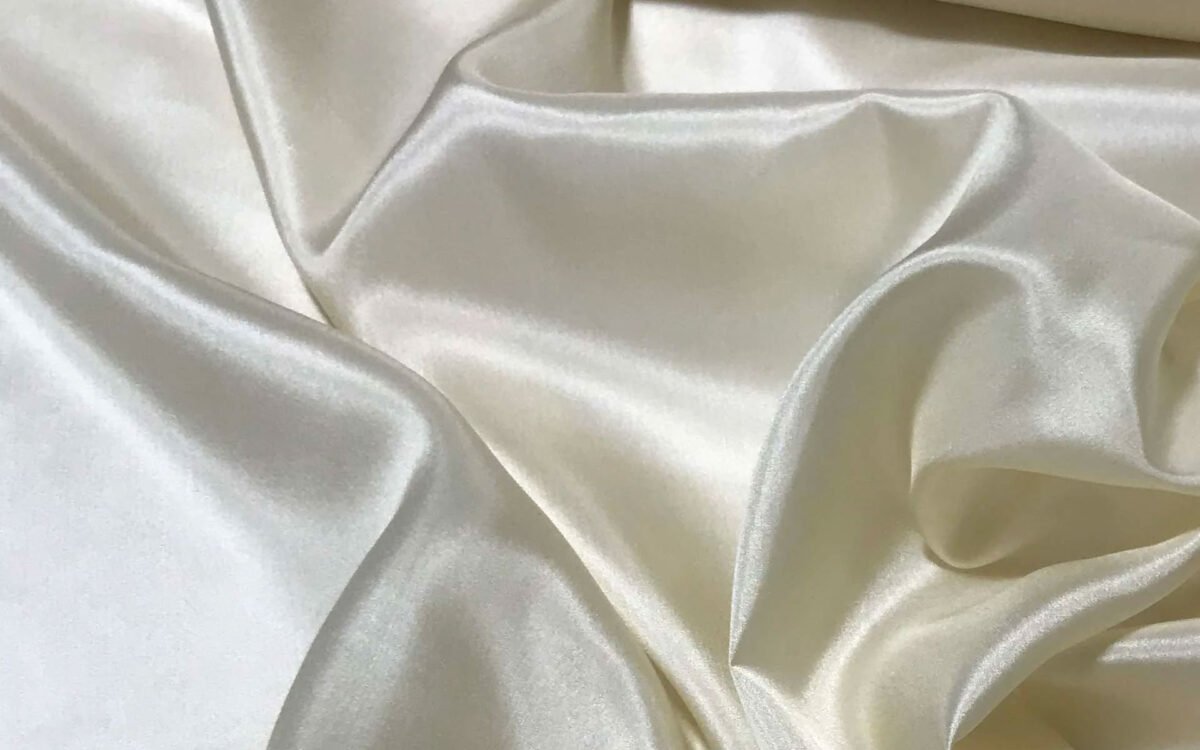
Habotai Silk Fabric: Properties, Uses & Wholesale Sourcing Guide for Manufacturers
Habotai silk — also called China silk or habutai — is a lightweight plain weave silk fabric used for lining, printing, blouses, and scarves. This guide covers habotai properties, momme specifications, and wholesale sourcing for garment manufacturers.
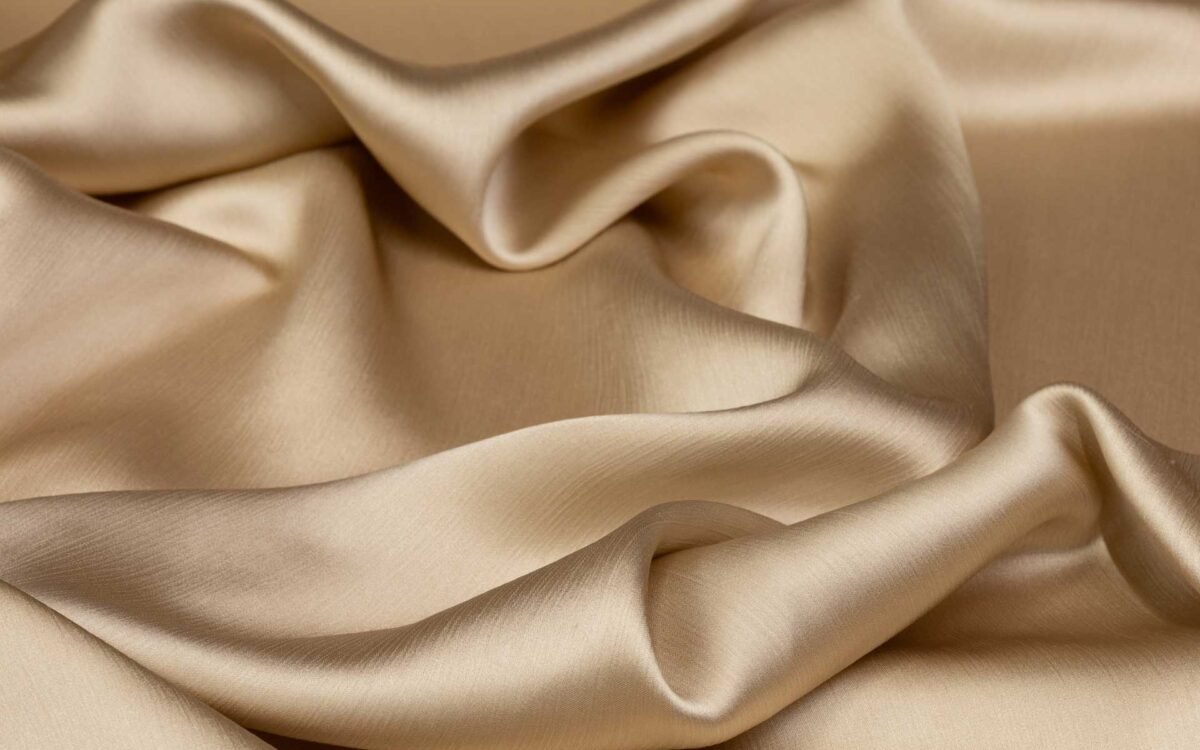
Charmeuse Fabric: Properties, Types & Wholesale Sourcing Guide for Garment Manufacturers
What is charmeuse fabric? Charmeuse is a satin-weave fabric — available in silk and polyester — with a smooth, lustrous face and matte crepe reverse. This guide covers charmeuse types, properties, applications, and wholesale sourcing for luxury garment manufacturers.
Silk vs Satin: What's the Difference? A Complete Guide for Fabric Buyers and Manufacturers
Silk vs satin — what's the actual difference? Silk is a fiber; satin is a weave structure. This guide explains the real difference, compares silk satin vs polyester satin, and covers wholesale sourcing for garment manufacturers and fabric buyers.
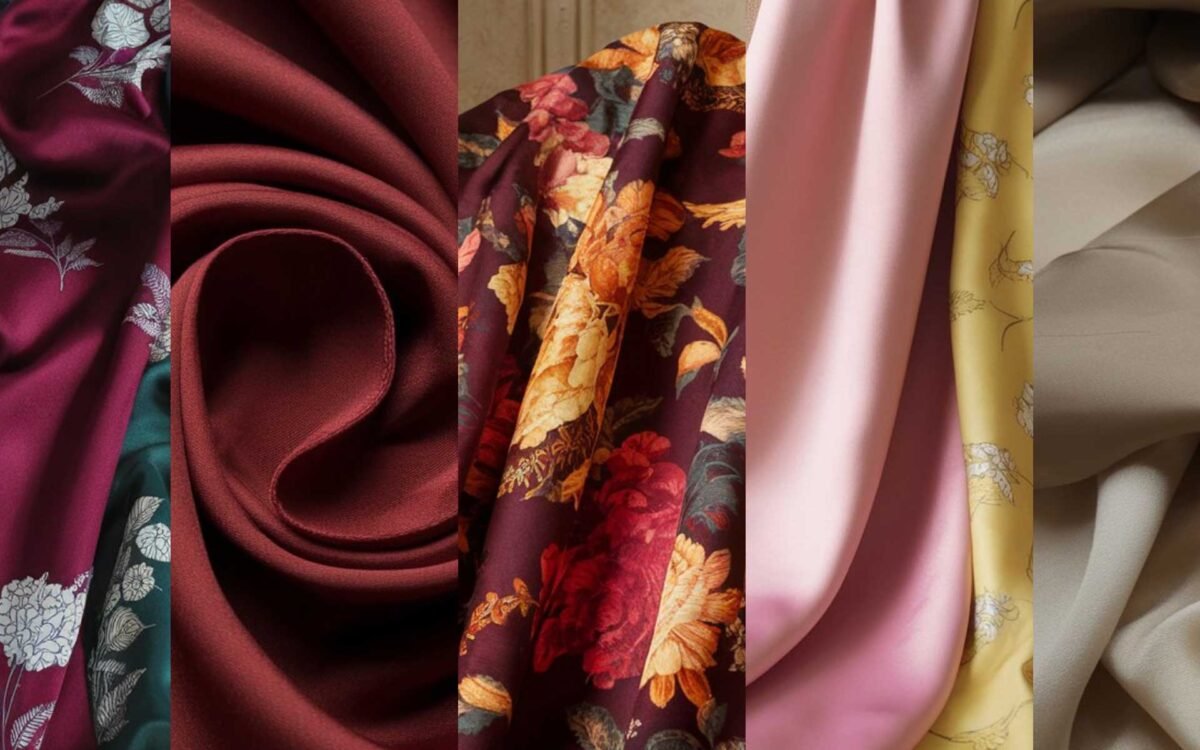
Types of Silk Fabric: A Complete Guide for Garment Manufacturers and Wholesale Buyers
What types of silk fabric are there? This guide covers all major silk fabric types — charmeuse, chiffon, organza, crepe de chine, taffeta, dupioni, habotai, and more — with momme specifications, applications, and wholesale sourcing for garment manufacturers.
Mulberry Silk Fabric: Why It’s the Best Silk in the World
Mulberry silk fabric is widely considered the highest-quality silk available in the global textile market. Known for its exceptional softness, durability, and natural sheen, mulberry silk has become the preferred material for luxury garments, premium bedding, scarves, and high-end textiles. If you have ever seen products labeled 100% mulberry silk fabric or pure mulberry silk fabric, they are typically referring to silk produced using the finest and most controlled silk production methods. In ...
Silk Crepe Fabric: Types, Properties & Wholesale Sourcing Guide for Garment Manufacturers
Silk crepe fabric — matte, textured, and fluid. This guide covers silk crepe types crepe de chine, georgette, crepe satin, momme specifications, production considerations, and wholesale sourcing for luxury garment manufacturers and fabric buyers.
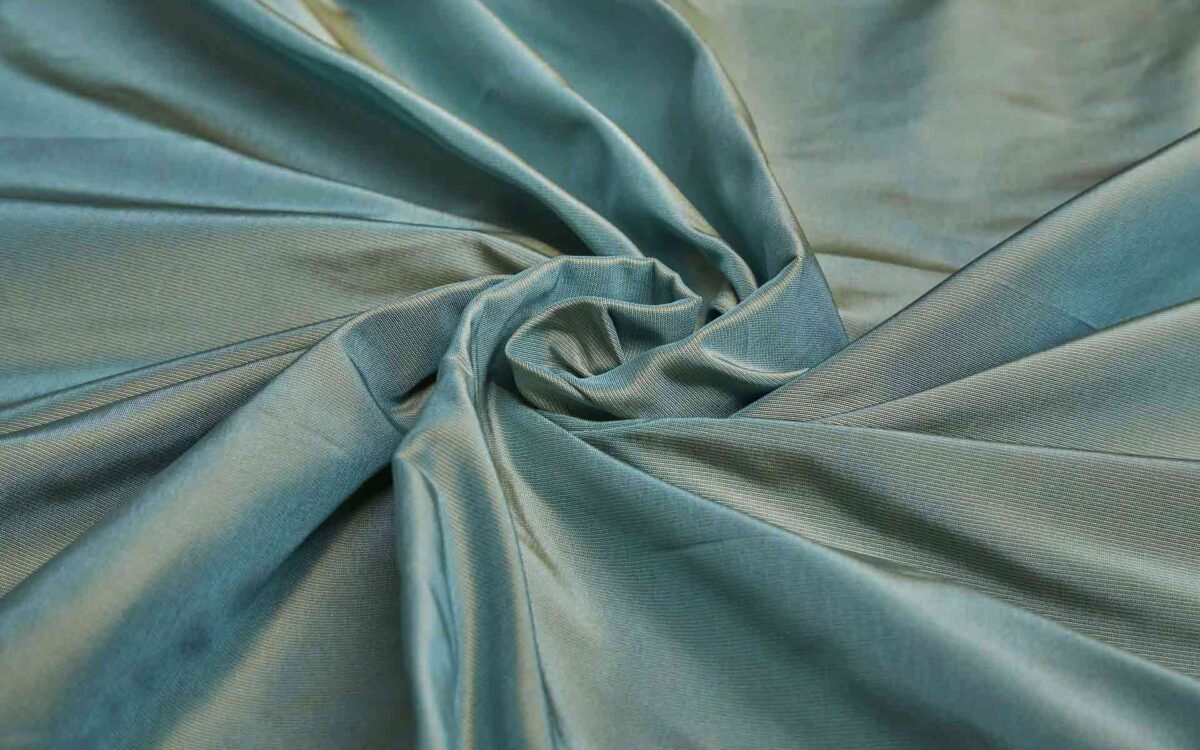
Silk Taffeta Fabric: Properties, Types & Wholesale Sourcing Guide for Garment Manufacturers
Silk taffeta fabric — crisp, rustling, and lustrous. This guide covers silk taffeta types, momme specifications, production considerations, and wholesale sourcing for bridal, evening wear, and luxury garment manufacturers.
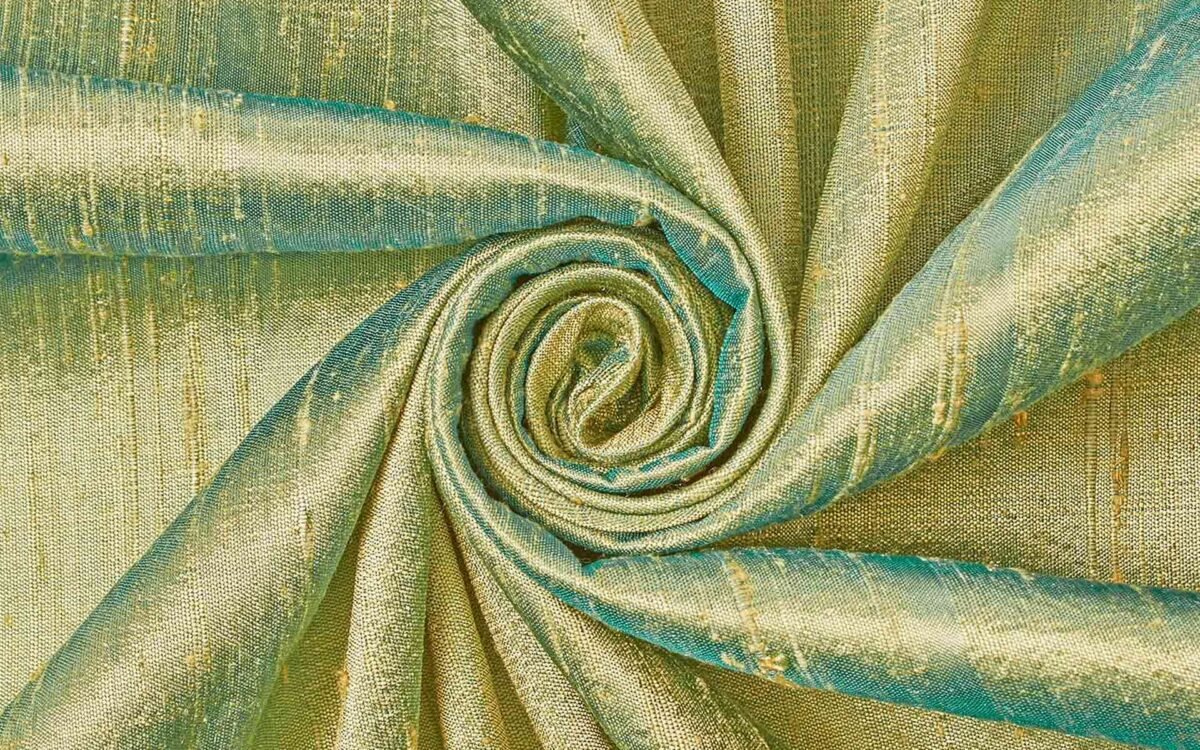
Dupioni Silk Fabric: Properties, Types & Wholesale Sourcing Guide for Garment Manufacturers
Dupioni silk fabric — crisp, lustrous, and distinctively textured. This guide covers dupioni silk properties, momme specifications, production considerations, and wholesale sourcing for bridal, evening wear, and home textile manufacturers. H1:
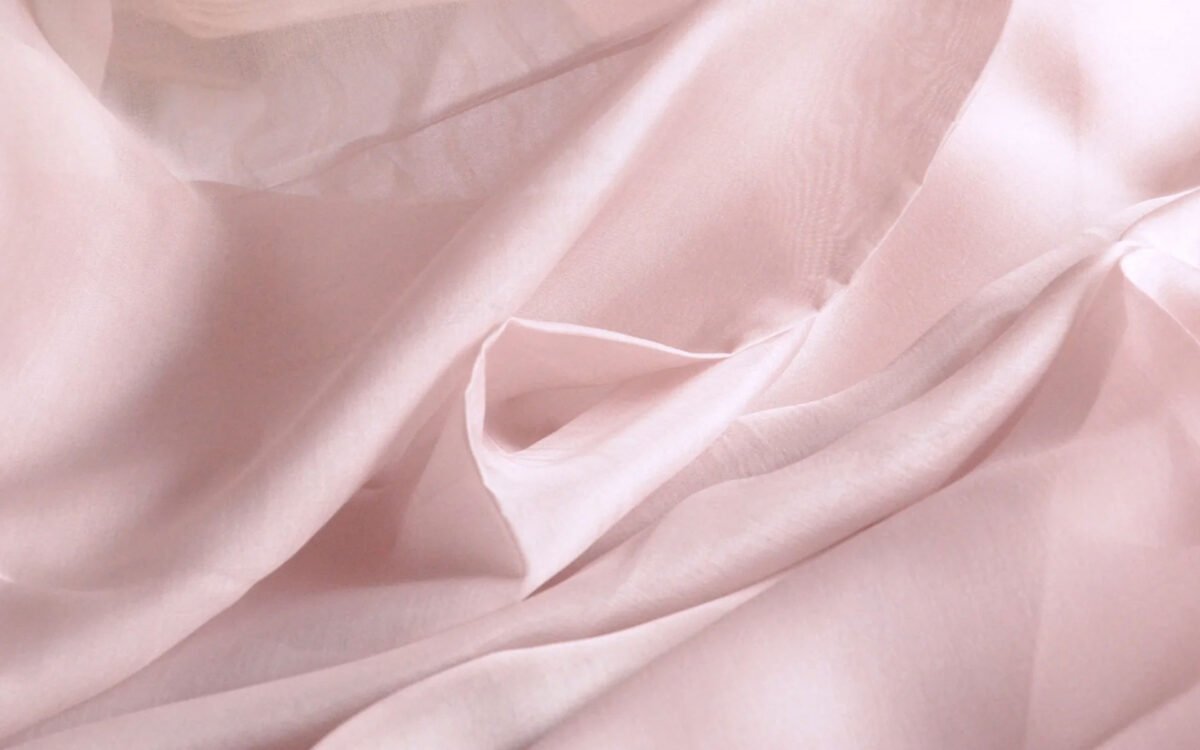
Silk Organza Fabric: Properties, Types & Wholesale Sourcing Guide for Garment Manufacturers
Silk organza fabric — sheer, crisp, and structured. This guide covers silk organza types, momme specifications, production considerations, and wholesale sourcing for bridal, evening wear, and luxury garment manufacturers.
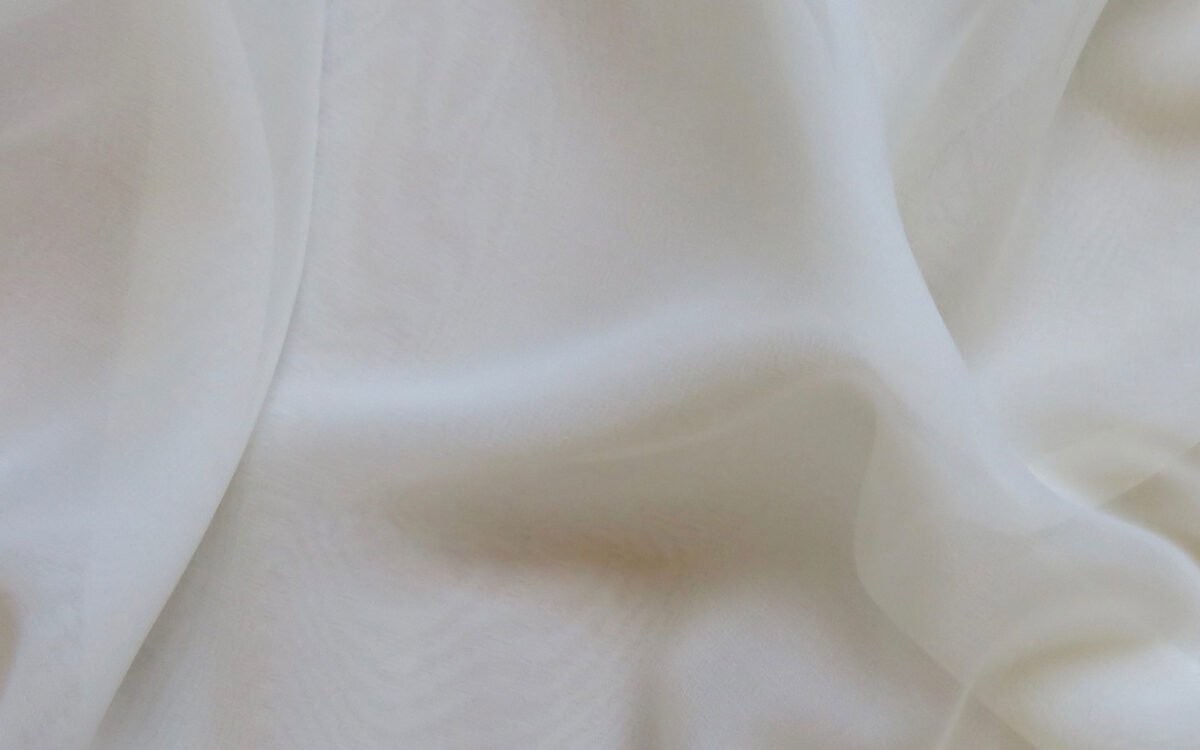
Silk Chiffon Fabric: Properties, Types & Wholesale Sourcing Guide for Garment Manufacturers
Silk chiffon fabric — ultra-lightweight, sheer, and fluid. This guide covers silk chiffon types, momme specifications, production considerations, and wholesale sourcing for evening wear, bridal, and luxury garment manufacturers.
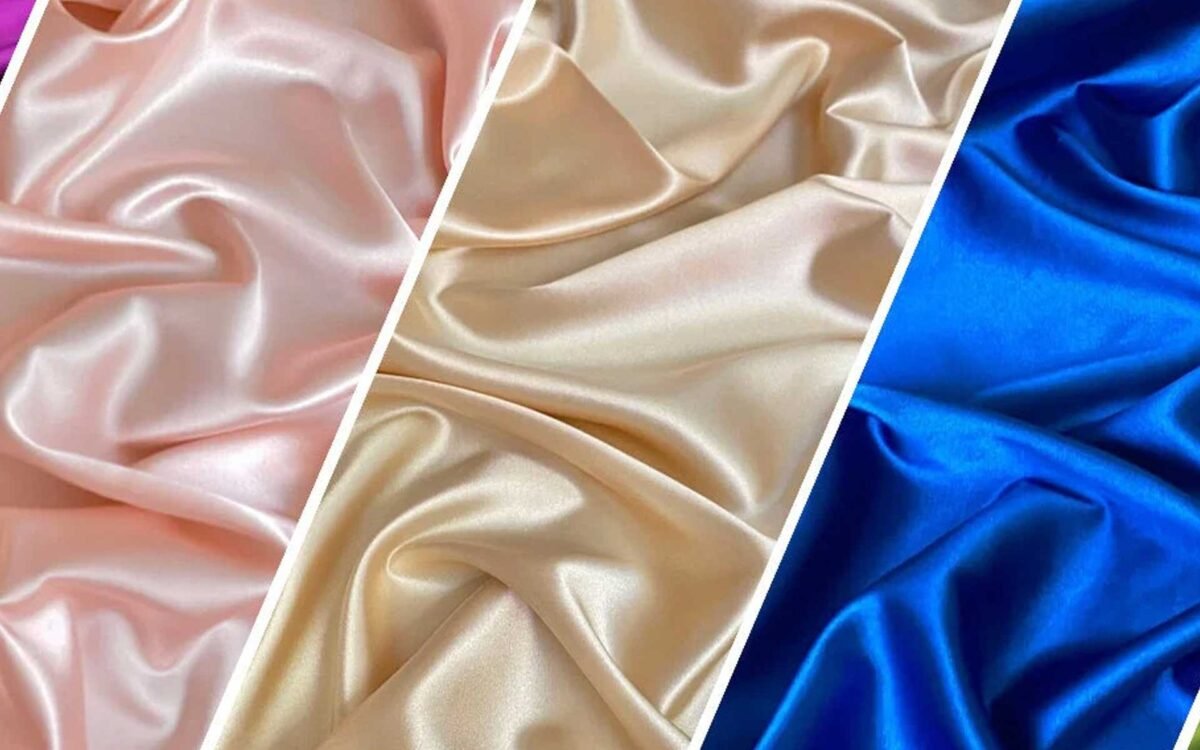
Silk Satin Fabric: Types, Momme Guide & Wholesale Sourcing for Garment Manufacturers
Silk satin fabric — charmeuse, heavy satin, and silk crepe satin explained. This guide covers silk satin types, momme specifications, production considerations, and wholesale sourcing for luxury garment manufacturers and fabric buyers.
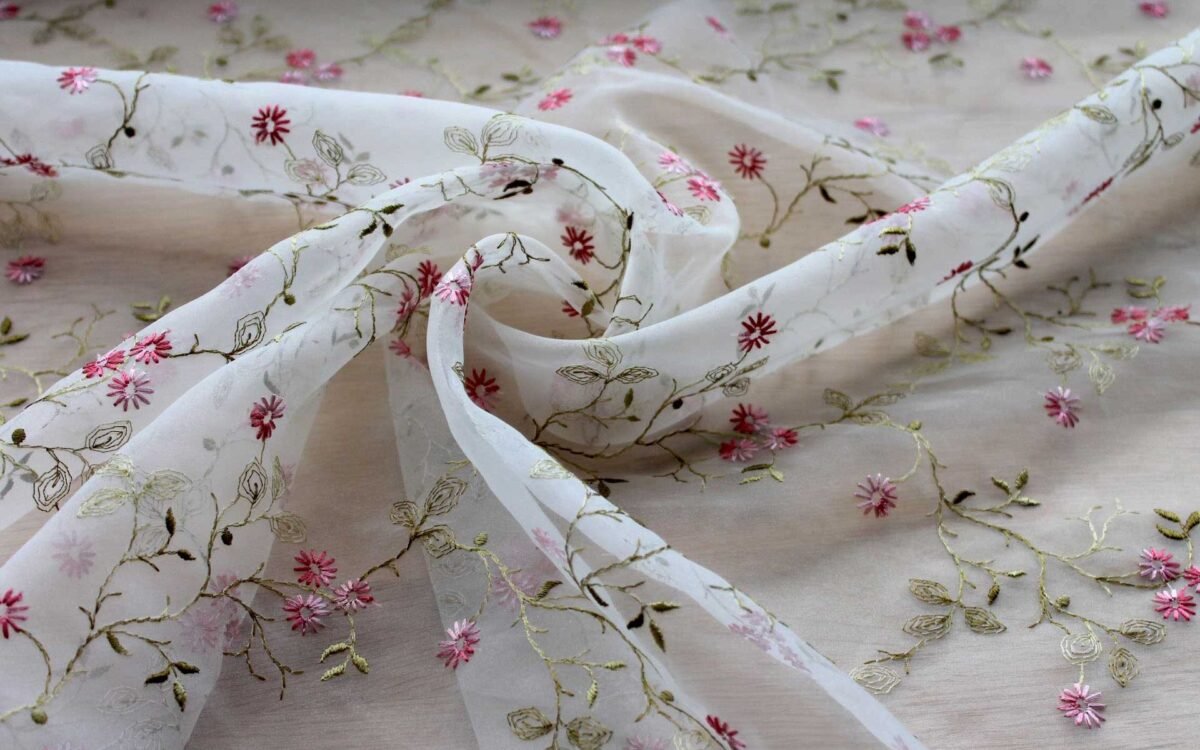
Embroidered Organza Fabric: Types, Specifications & Wholesale Sourcing Guide for Manufacturers
Embroidered organza fabric — machine embroidery, sequin, beadwork, and silk embroidered organza for bridal, evening wear, and luxury garments. This guide covers types, GSM specifications, and wholesale sourcing for garment manufacturers and fabric buyers.
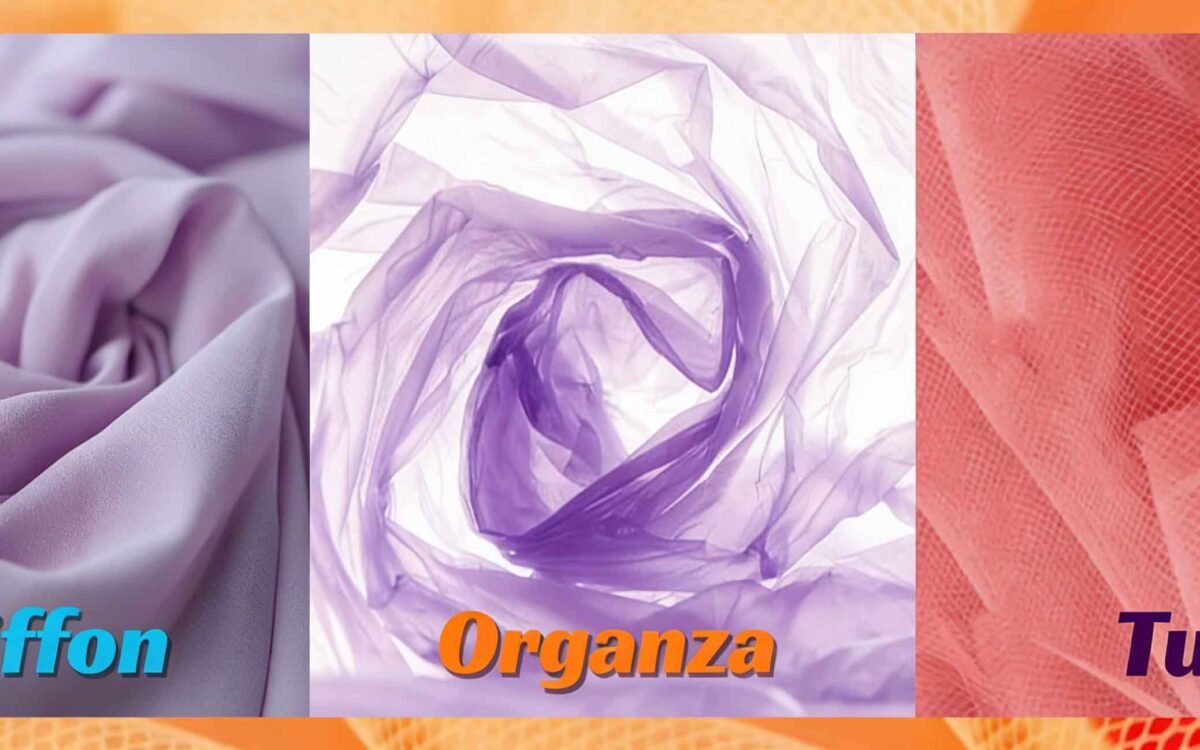
Organza vs Tulle vs Chiffon: Which Sheer Fabric Should You Choose?
Organza, tulle, and chiffon — three sheer fabrics used in bridal and evening wear, but with completely different structures. This guide compares all three to help garment manufacturers and fabric buyers specify the right fabric for their application.
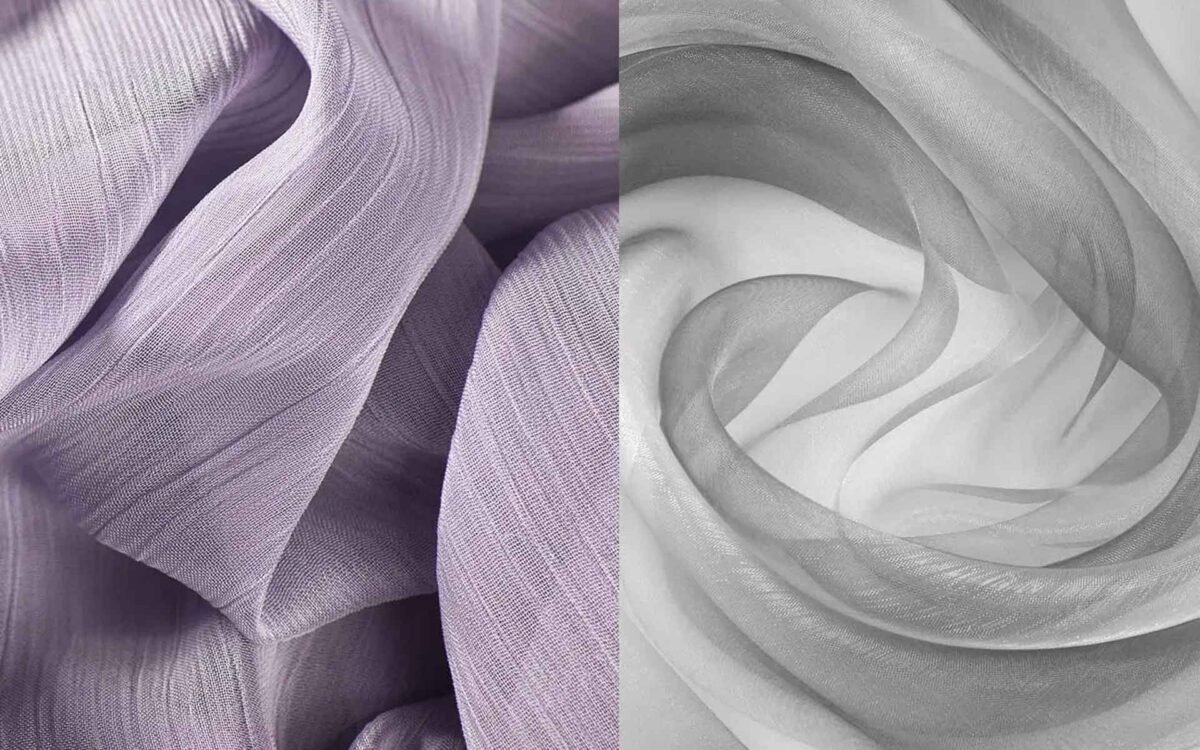
Organza vs Chiffon: Which Fabric Should You Choose? A Guide for Garment Manufacturers
Organza vs chiffon — which is right for your garment? This guide compares organza and chiffon by structure, drape, applications, and production behavior to help garment manufacturers and fabric buyers specify the correct fabric for their design.
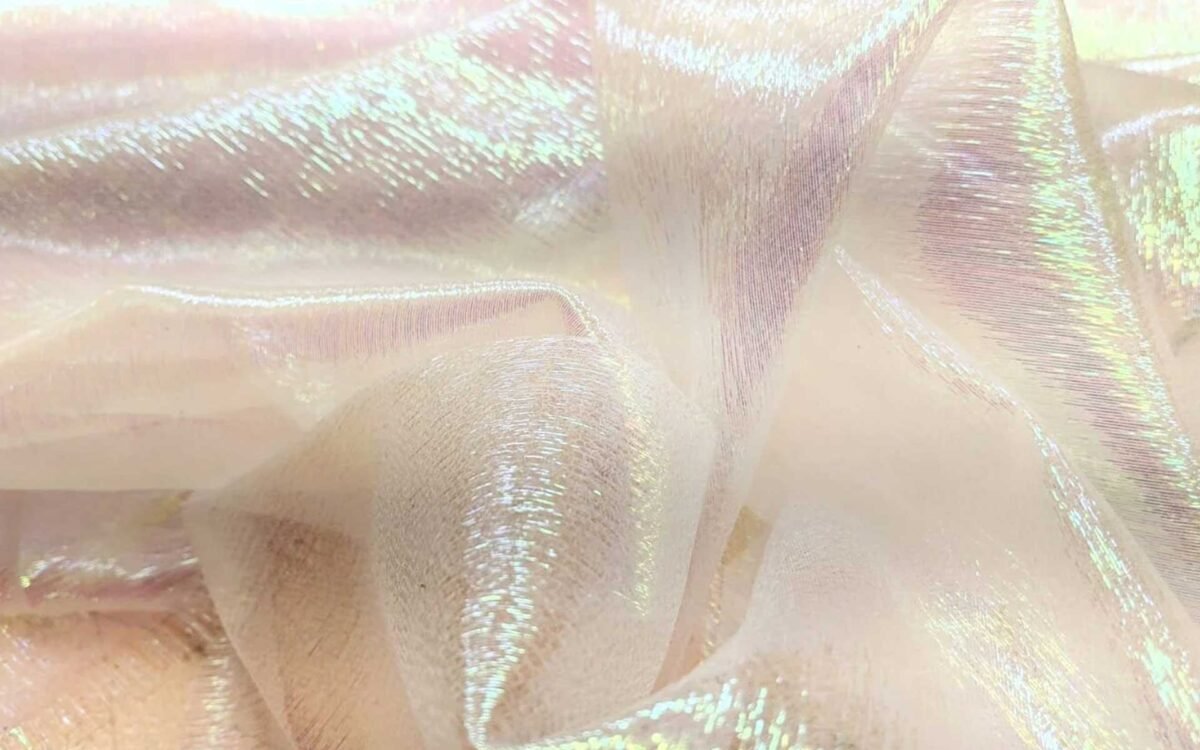
Iridescent Organza Fabric: Types, Colors & Wholesale Sourcing Guide for Manufacturers
Iridescent organza fabric — also called shot organza — shifts color depending on viewing angle. This guide covers iridescent organza types, color combinations, GSM specifications, and wholesale sourcing for bridal, evening wear, and costume manufacturers.
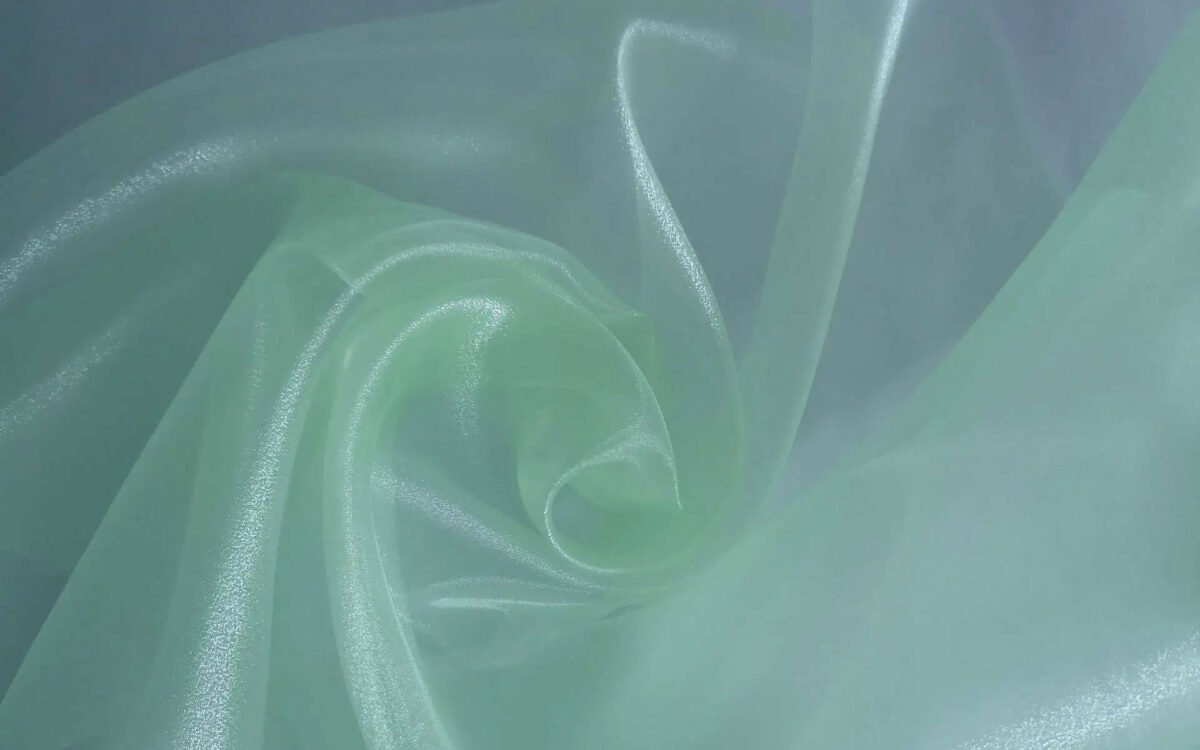
What Is Organza Fabric? A Complete Guide
What is organza fabric? Organza is a sheer, crisp plain weave fabric available in silk and polyester — used in bridal, evening wear, and home textiles. This guide covers organza types, properties, applications, and wholesale sourcing for garment manufacturers.
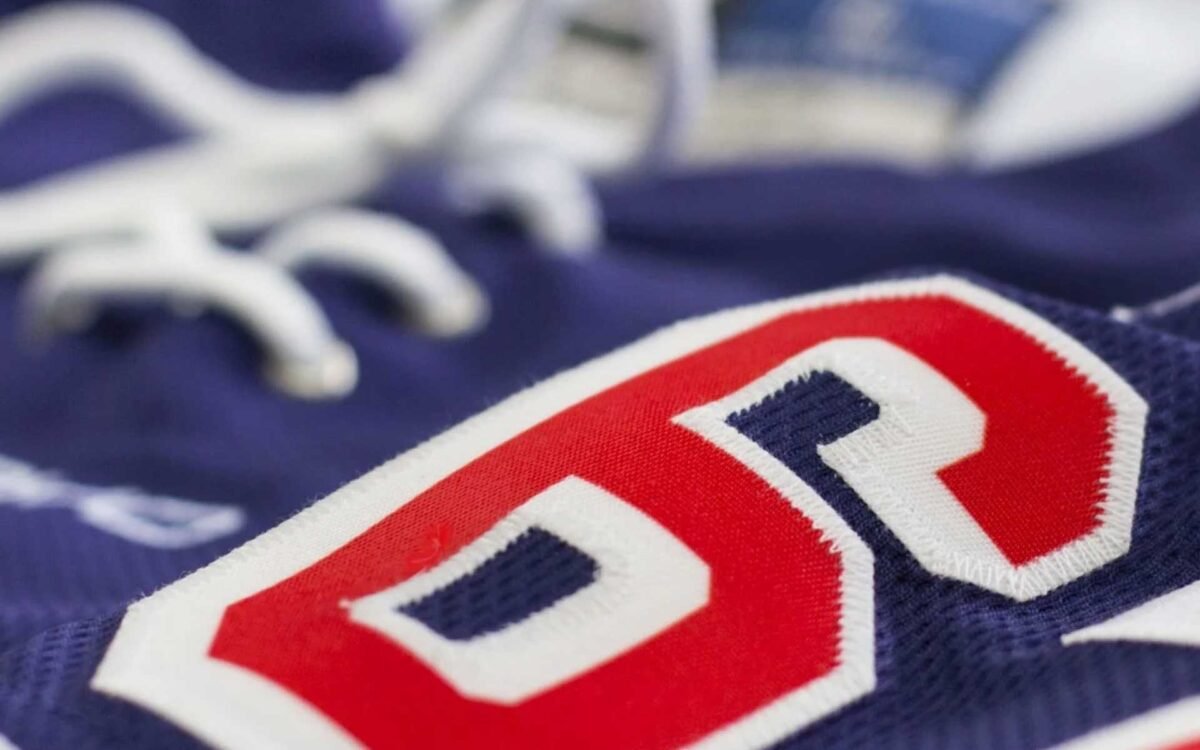
Choosing the Best Twill Fabric for Custom Embroidery Patches and Tackle Twill
Custom embroidery patches are widely used in sports uniforms, team apparel, corporate branding, and military insignia. One of the most popular base materials for these patches is twill fabric, valued for its durability and smooth surface. If you're searching for twill for patches, embroidery twill, or tackle twill material, understanding the differences between fabric types can help you choose the right material for your embroidery project. This guide explains what tackle twill is, why poly tw ...
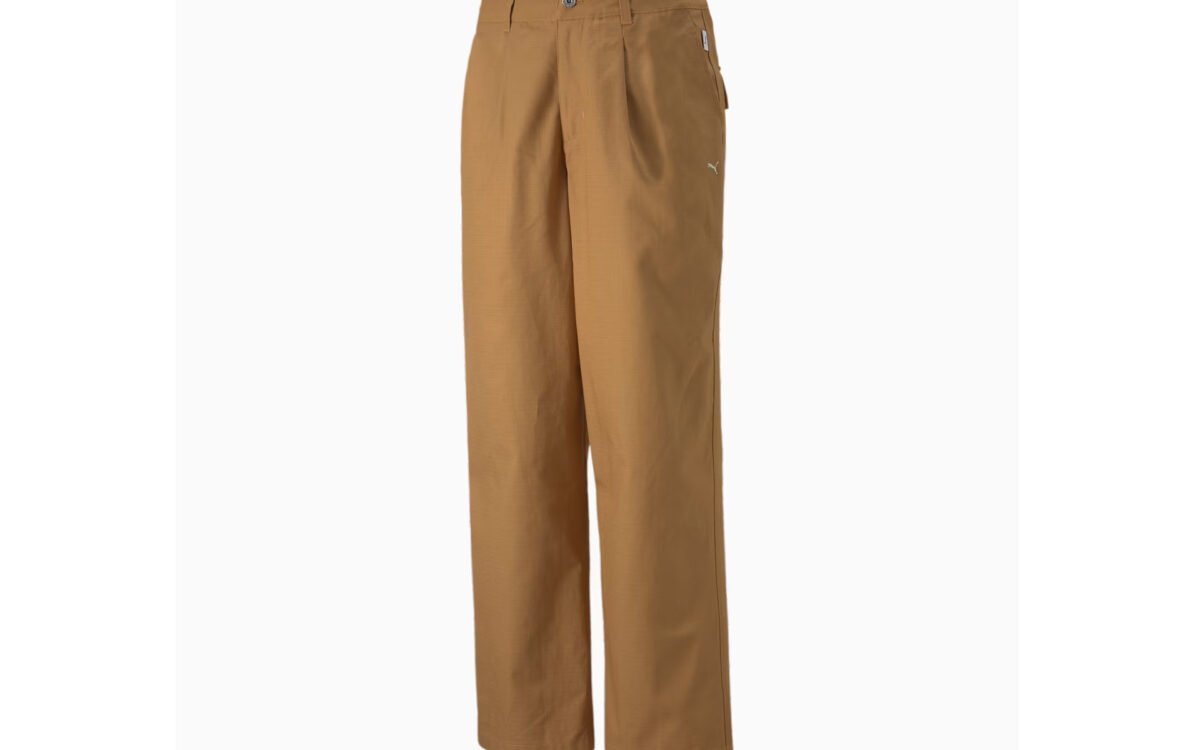
Everything You Need to Know About Twill Pants and Suits: Why They Are a Wardrobe Essential
Twill fabrics have long been a staple in the fashion world, especially when it comes to pants, trousers, and suits. Known for their durability, structured drape, and distinctive diagonal texture, twill textiles offer the perfect balance between comfort and style. If you've ever wondered what are twill pants or why twill suits are so popular in both business and casual wardrobes, this guide will explain everything—from fabric characteristics to styling tips and care instructions.