
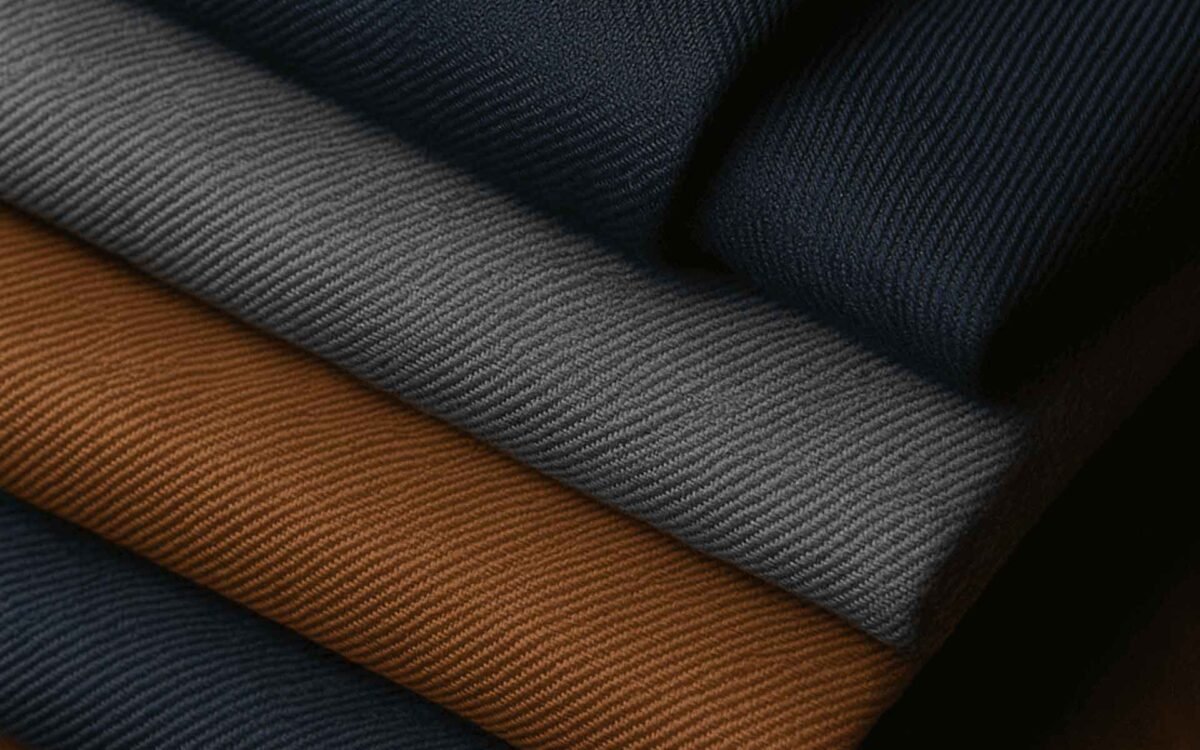
What Type of Fabric Is Twill? The Complete Technical Guide for Fabric Buyers and Garment Manufacturers
What type of fabric is twill? Twill is a weave structure — not a fiber — used across cotton, polyester, TR, TC, wool, and nylon fabrics. This technical guide covers twill weave mechanics, construction variants, fiber combinations, GSM ranges, and wholesale sourcing for garment manufacturers.
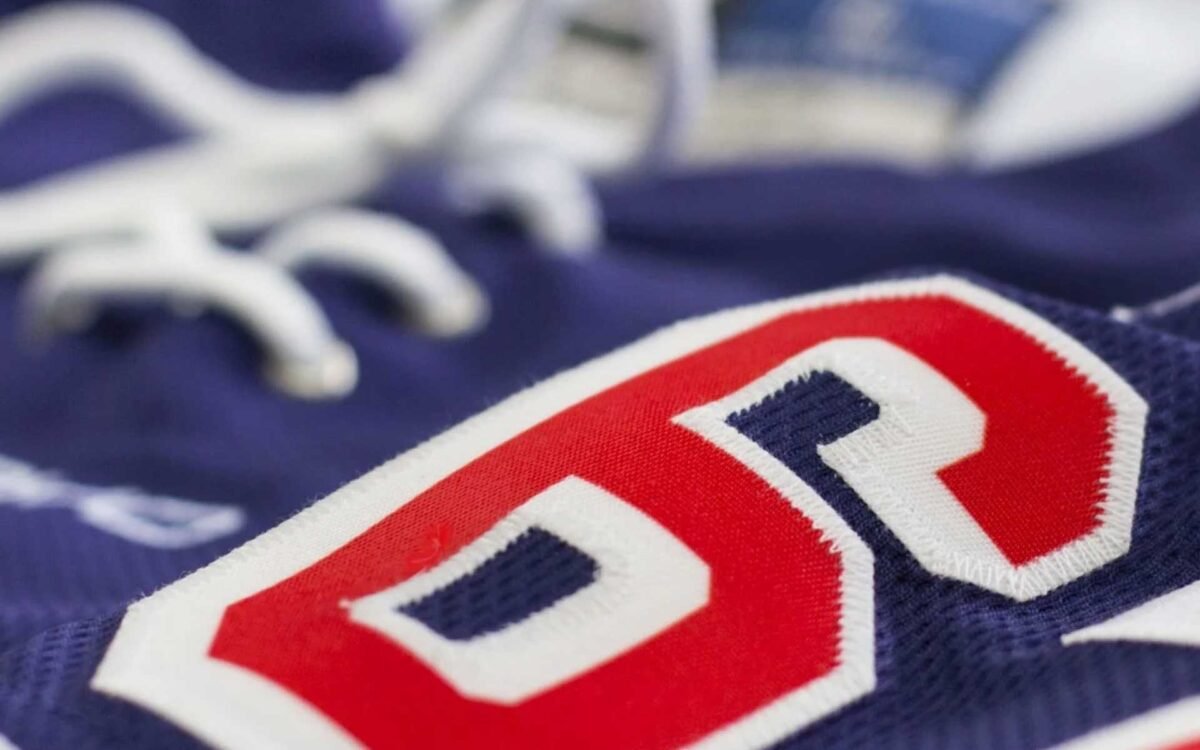
Choosing the Best Twill Fabric for Custom Embroidery Patches and Tackle Twill
Custom embroidery patches are widely used in sports uniforms, team apparel, corporate branding, and military insignia. One of the most popular base materials for these patches is twill fabric, valued for its durability and smooth surface. If you're searching for twill for patches, embroidery twill, or tackle twill material, understanding the differences between fabric types can help you choose the right material for your embroidery project. This guide explains what tackle twill is, why poly tw ...
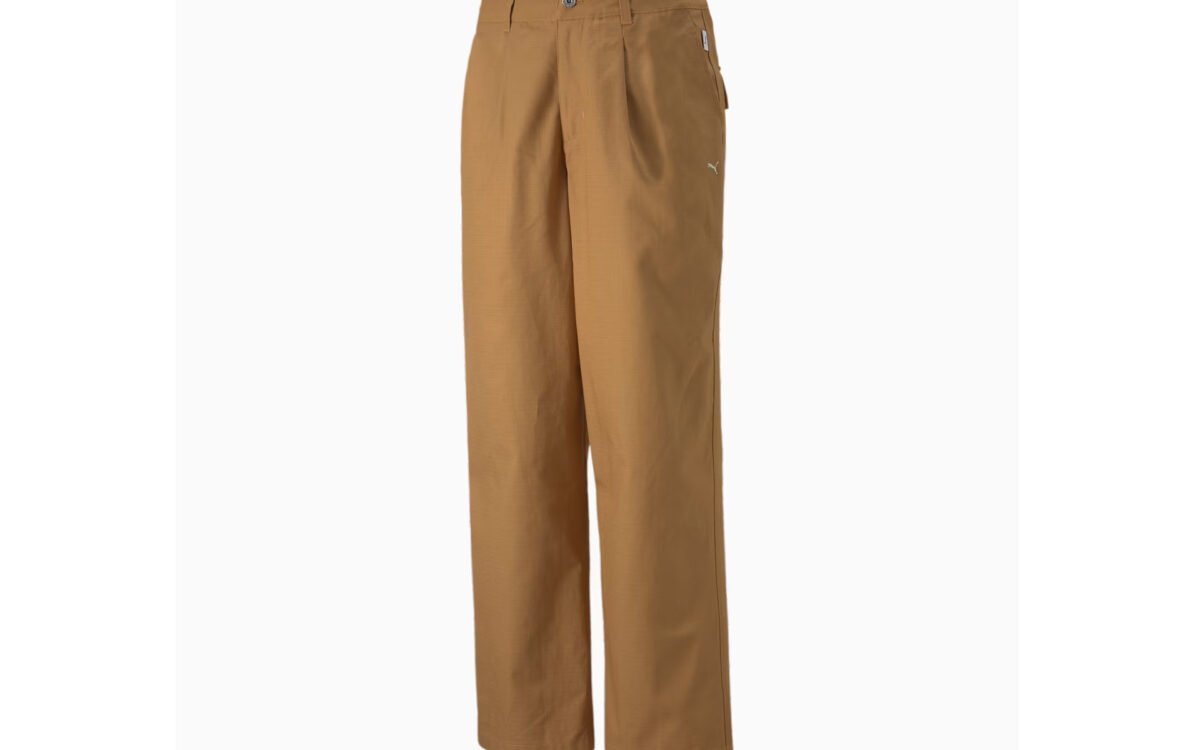
Everything You Need to Know About Twill Pants and Suits: Why They Are a Wardrobe Essential
Twill fabrics have long been a staple in the fashion world, especially when it comes to pants, trousers, and suits. Known for their durability, structured drape, and distinctive diagonal texture, twill textiles offer the perfect balance between comfort and style. If you've ever wondered what are twill pants or why twill suits are so popular in both business and casual wardrobes, this guide will explain everything—from fabric characteristics to styling tips and care instructions.
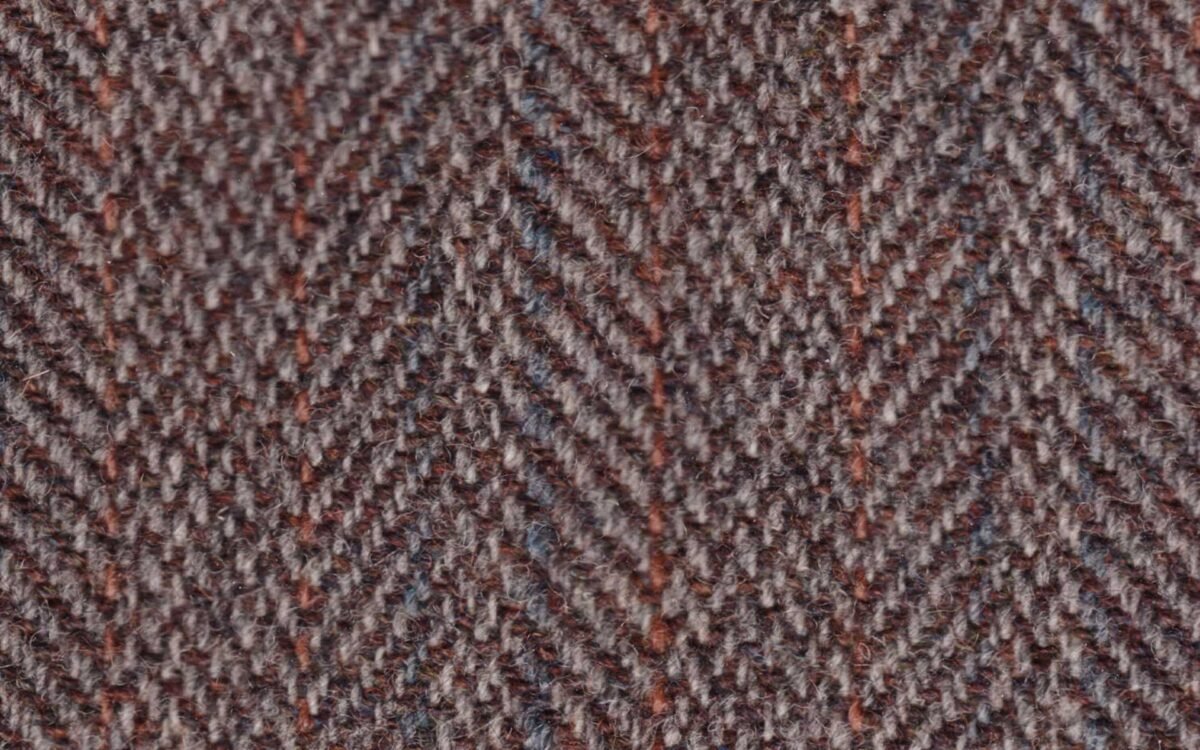
Twill vs Poplin vs Tweed: Which Fabric is Right for Your Next Project?
Choosing the right fabric can make or break a garment or textile project. Three popular materials—twill, poplin, and tweed—are widely used in fashion and tailoring, but they differ greatly in texture, weight, breathability, and ideal applications. If you’re deciding between cotton poplin vs twill, or wondering what poplin fabric or tweed fabric is best for, this guide compares their characteristics to help you choose the right material for your next project.
What is Twill Fabric? A Comprehensive Guide to Its Characteristics, Uses, and Comparison
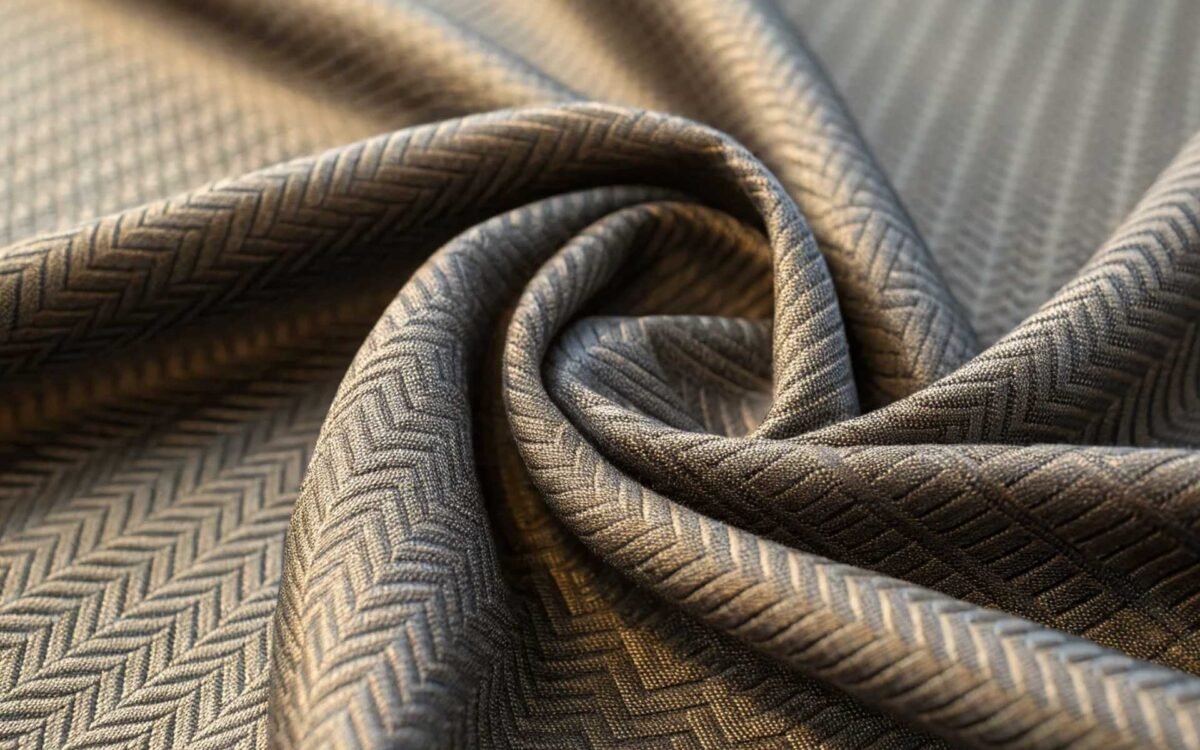
Twill fabric is one of the most widely used textile constructions in clothing and upholstery. From denim jeans to workwear and uniforms, twill fabrics are valued for their durability, wrinkle resistance, and distinctive diagonal texture. If you've ever wondered “what is twill fabric?” or “what is twill?”, the answer lies in a unique weaving technique that creates its signature pattern.
Poplin vs Twill: Which One Should You Choose?
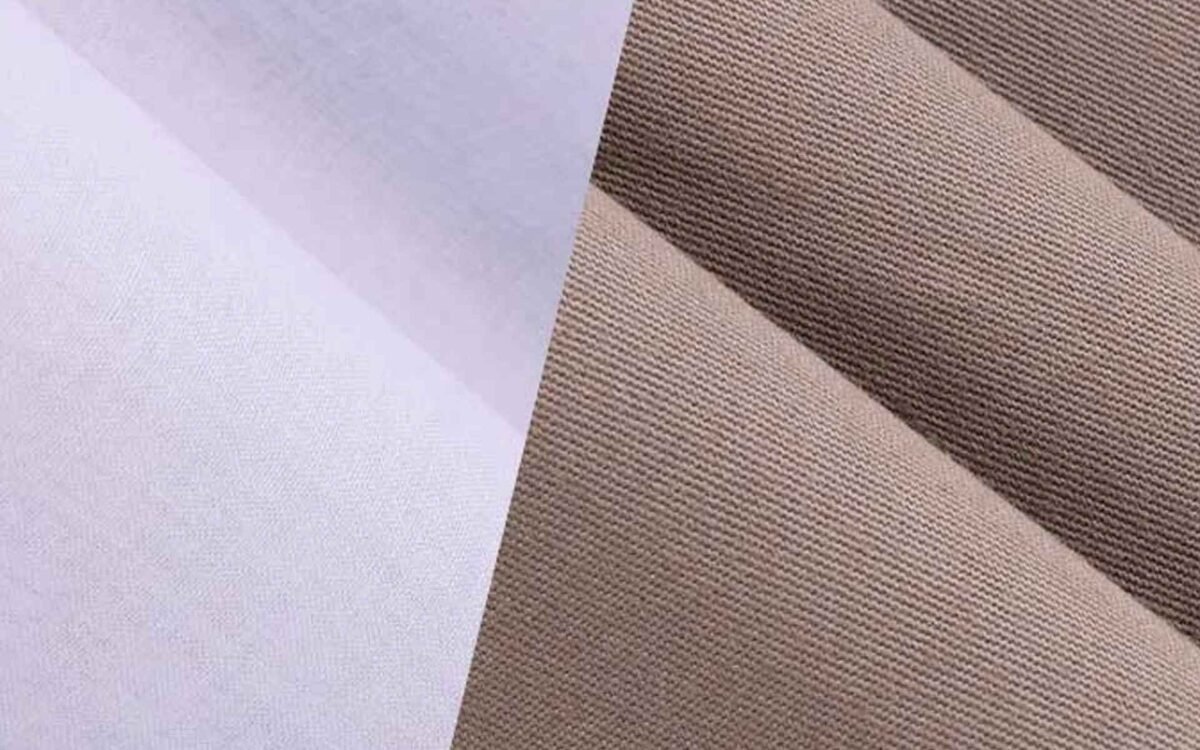
Poplin is better for lightweight, breathable clothing, while twill is better for durability and wrinkle resistance. 👉 Simple rule: Choose poplin for summer shirts and a crisp look Choose twill for everyday wear, durability, and easier maintenance