
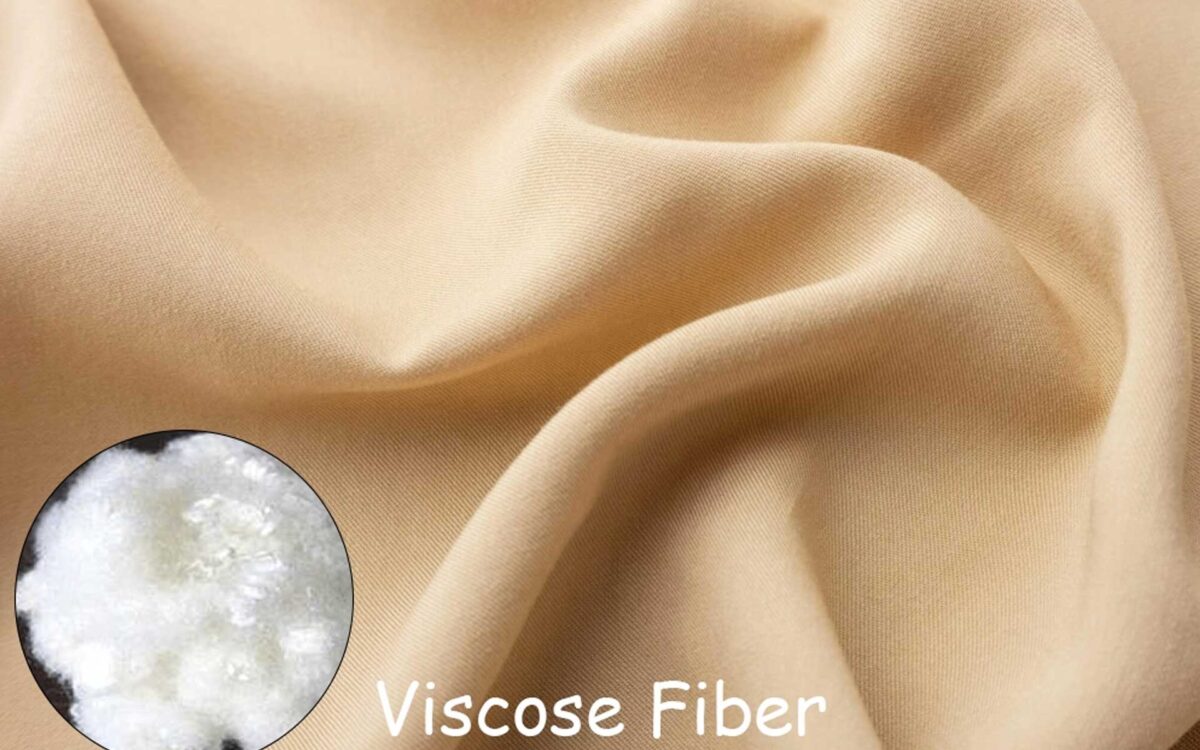
Is Viscose a Natural Fiber? Viscose, Sustainability & What Sourcing Managers Need to Know
Is viscose a natural fiber? No — viscose is semi-synthetic, but its cellulose origin gives it properties no synthetic fiber can match. This guide covers viscose fiber classification, sustainability credentials, GOTS and GRS certification, and wholesale sourcing for garment buyers.
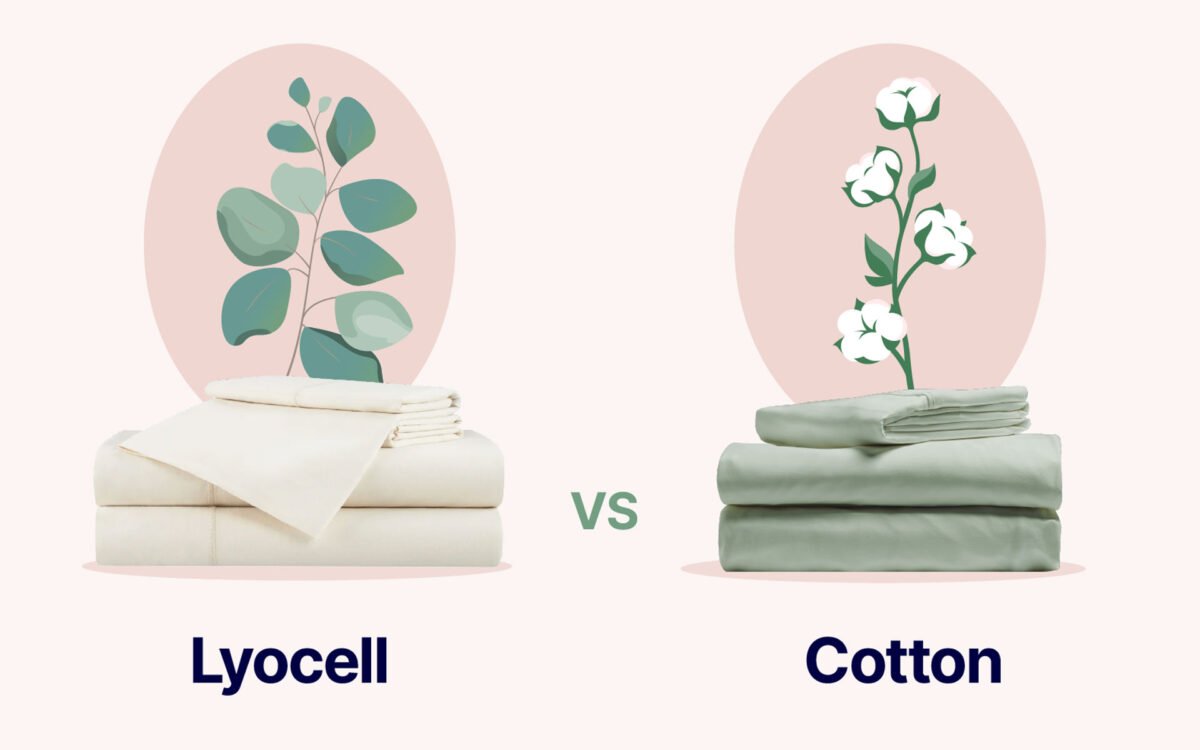
Lyocell vs Cotton: Which Fabric Is Better? (And Where Viscose Fits In)
Choosing between lyocell, cotton, and viscose can be confusing—especially since all three are used in modern clothing. But most people really want to know: 👉 Is lyocell better than cotton? And how does viscose compare? This guide gives you a clear, practical answer, so you can choose the right fabric based on comfort, performance, and budget.
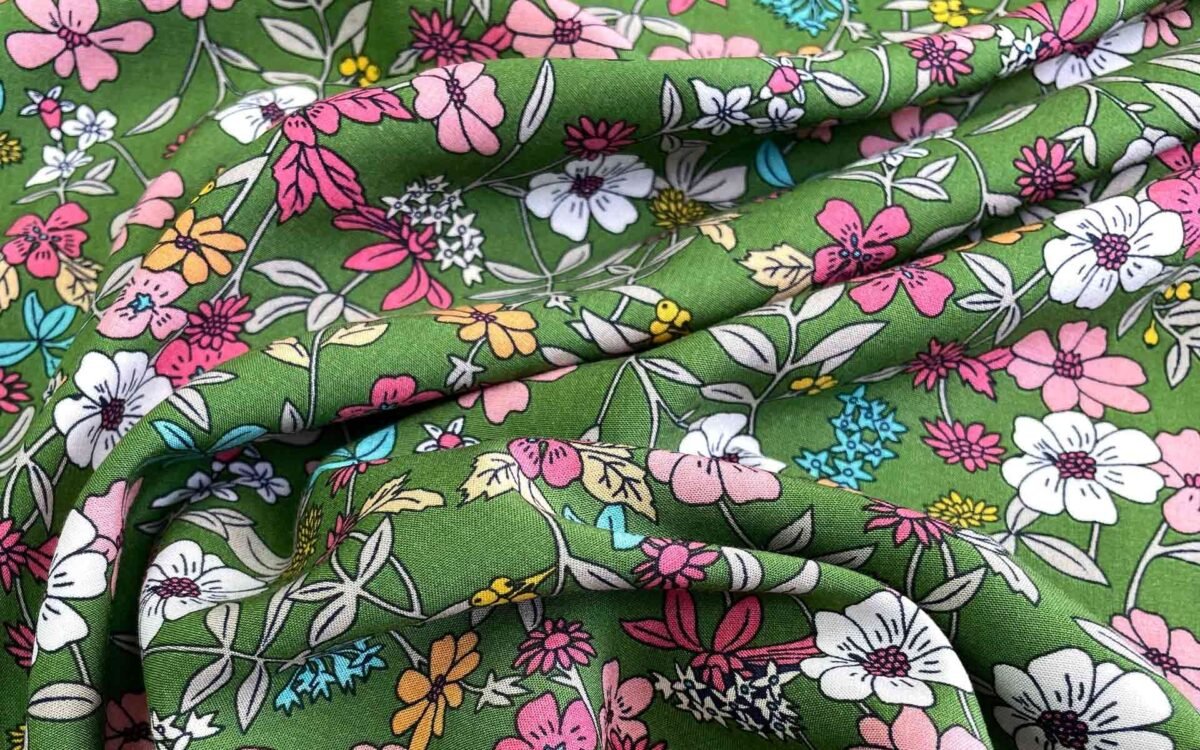
Luxury Dressmaking: Why Designers Love Atelier Brunette Viscose
Elevate your collection with luxury viscose dressmaking fabrics. Discover the superior quality of Atelier Brunette, Lady McElroy, and Liberty London viscose.
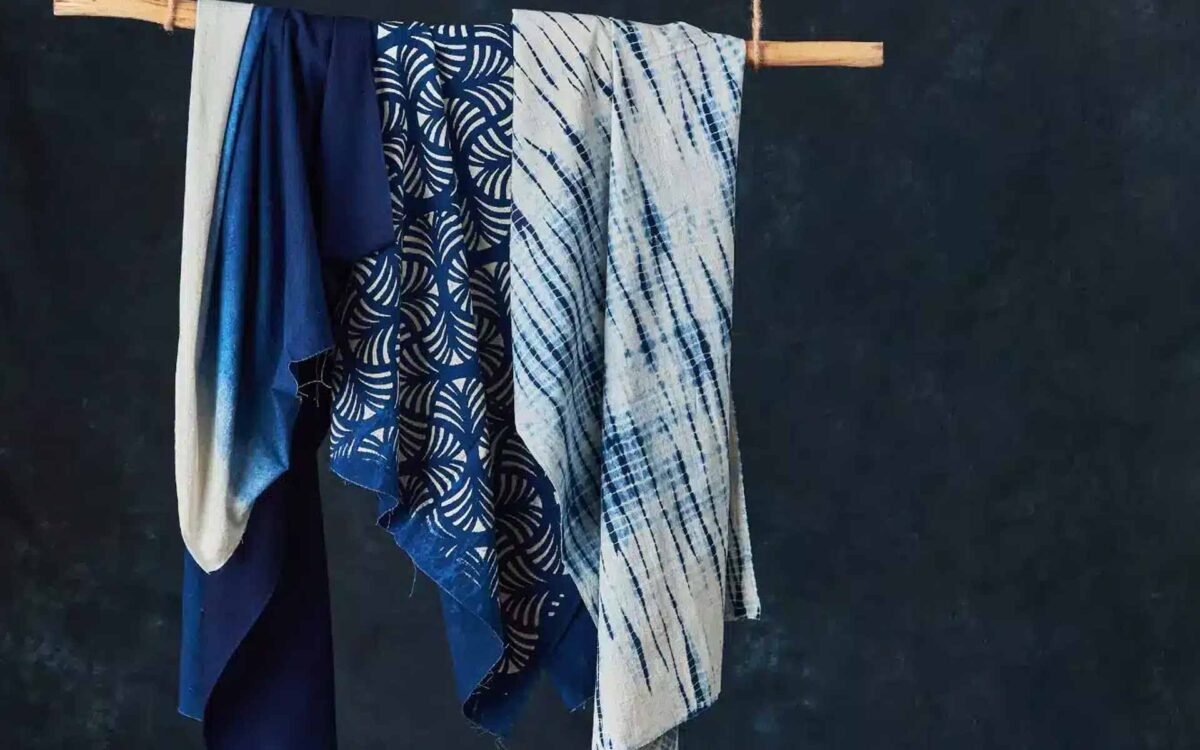
Does Viscose Shrink? The Ultimate Washing & Care Guide
Why does viscose shrink? Learn the science behind fiber swelling and follow our step-by-step guide to washing 100% viscose safely without ruining your clothes.
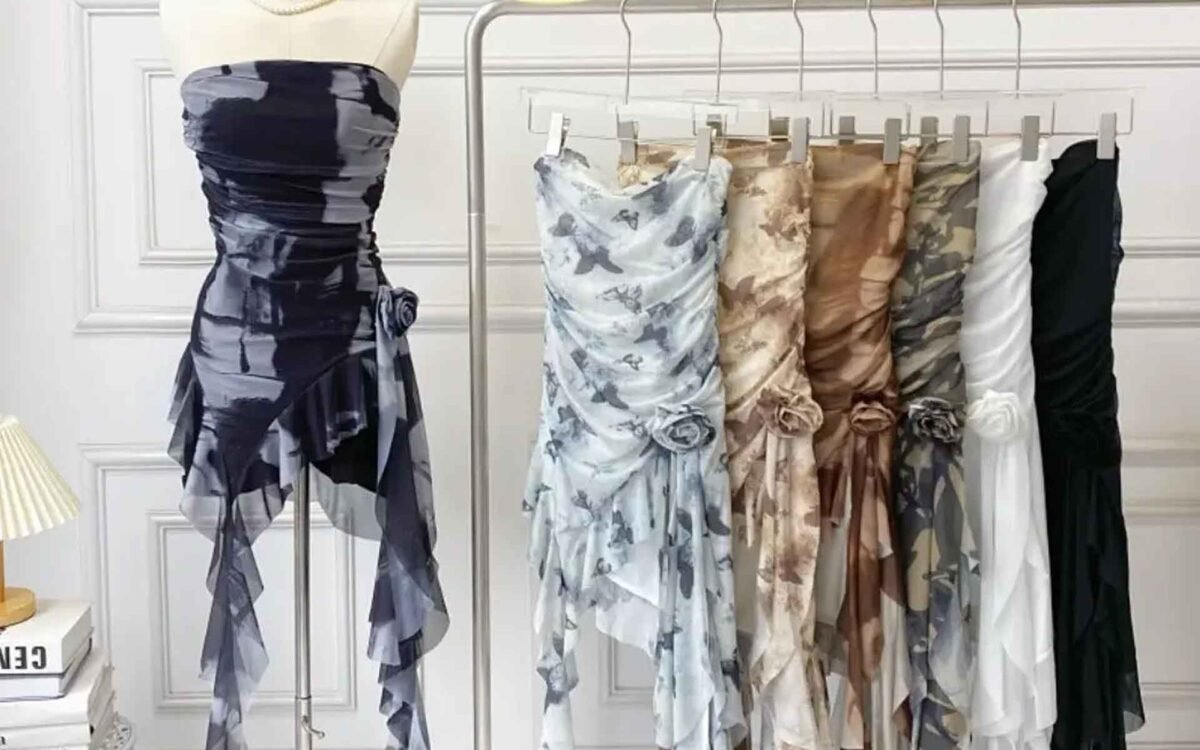
Is Viscose Good for Summer? Breathability and Heat Performance
Is viscose good for hot weather? Discover why viscose is actually more breathable and absorbent than cotton, making it the ultimate fabric for summer 2026.
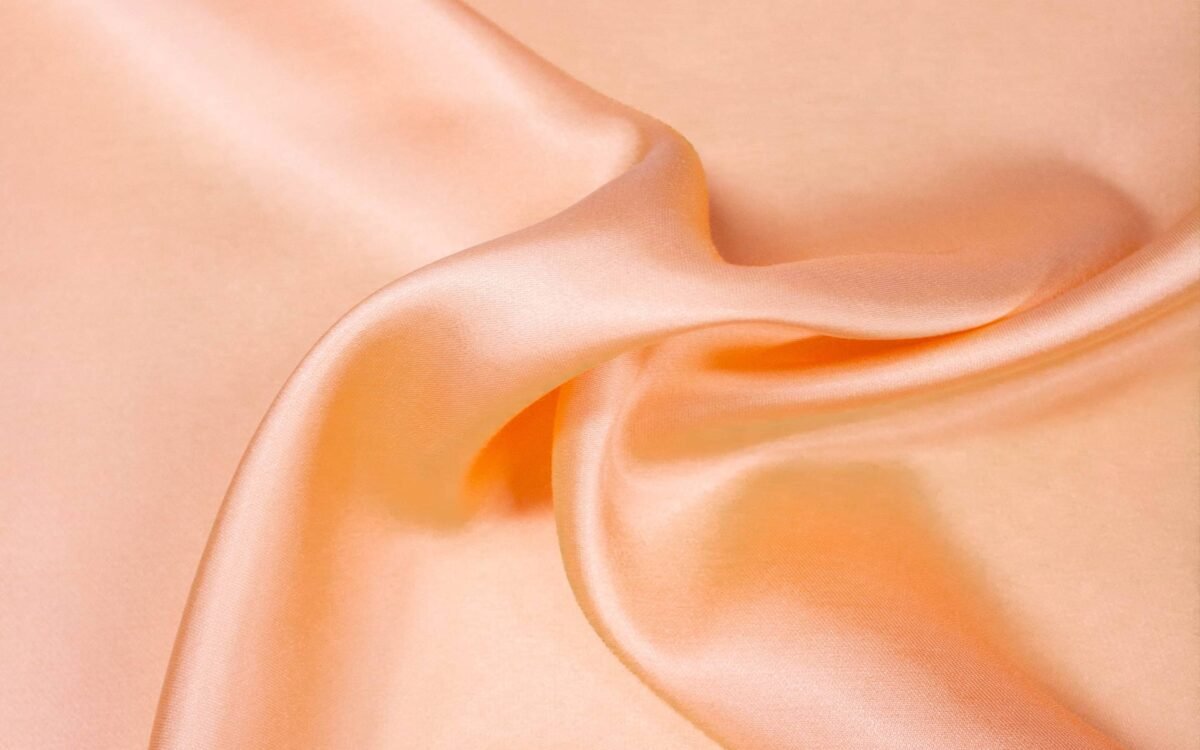
Understanding Viscose Weaves: From Satin to Jersey and Chiffon
Discover how weave construction changes the feel of viscose. From the luxury of viscose satin to the stretch of jersey and the airiness of chiffon, find the perfect texture for your project.
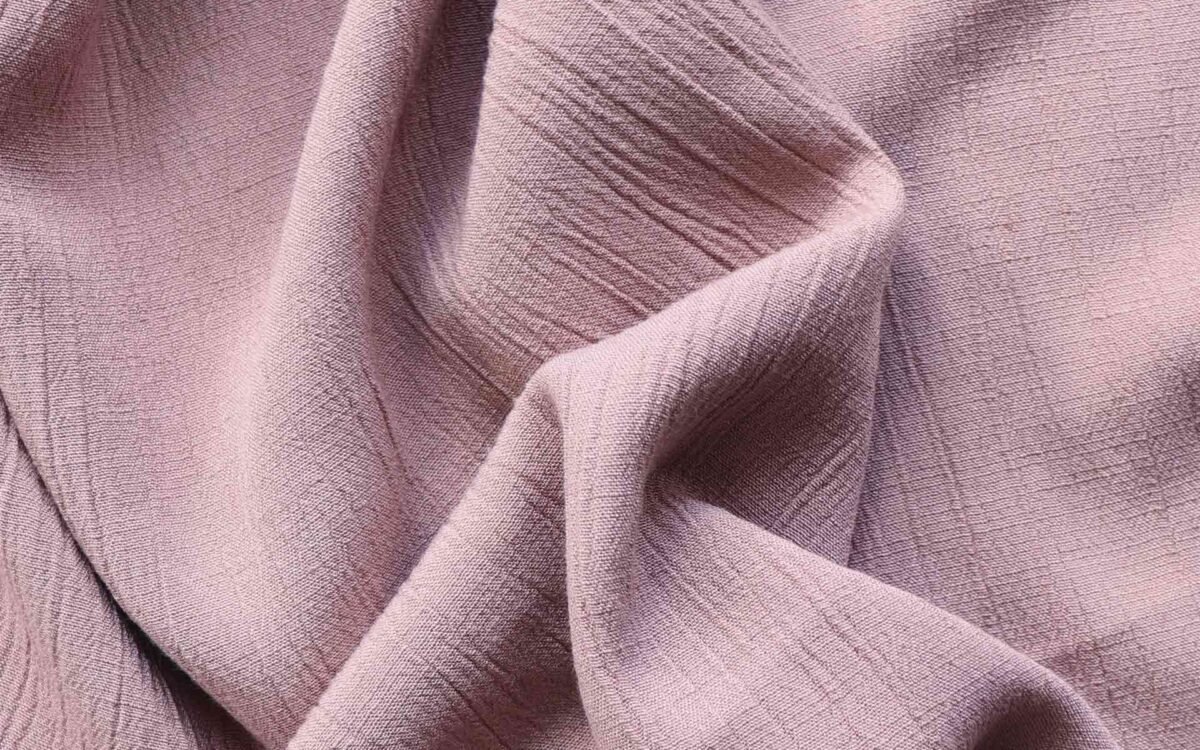
Viscose Blends: The Benefits of Linen-Viscose and Cotton-Viscose Fabrics
Discover why viscose blends dominate the fashion industry. From wrinkle-resistant linen-viscose to durable poly-viscose (TR) for suits, learn the benefits of these commercial textile powerhouses.
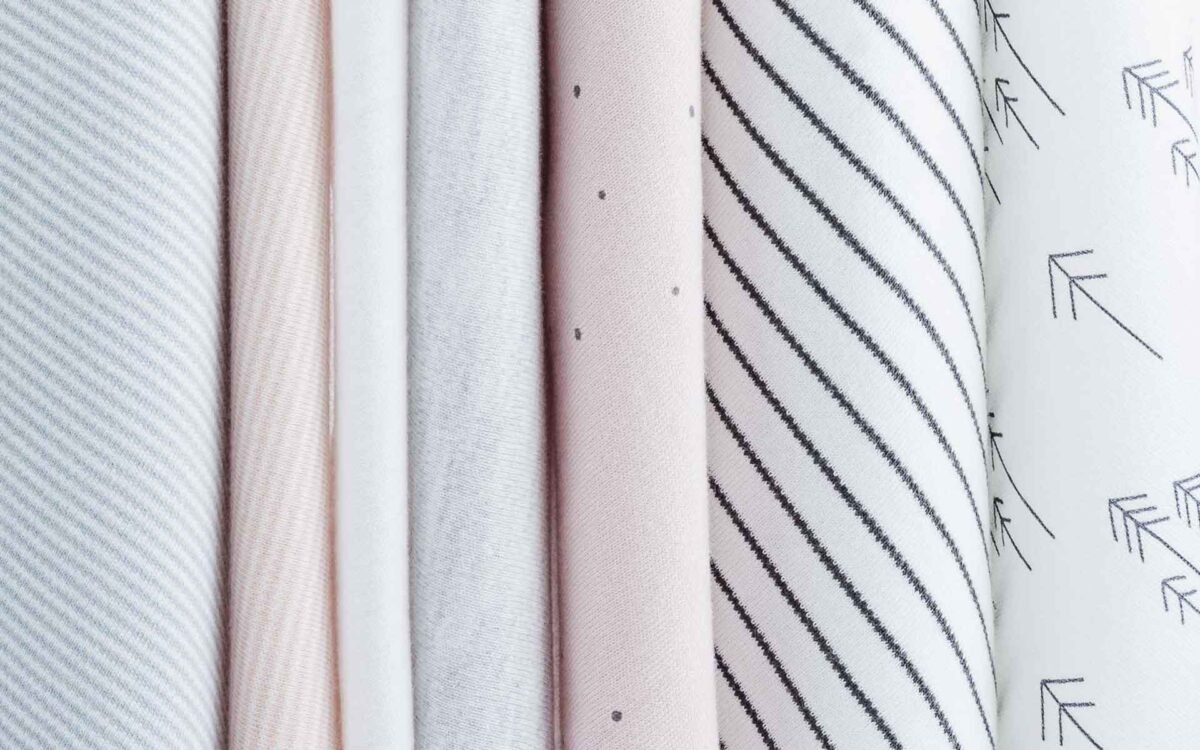
The Truth About Bamboo Viscose: Is it Really Eco-Friendly?
Explore the benefits of bamboo viscose fiber. From its legendary softness to its natural breathability, discover why bamboo rayon fabric is the top choice for bedding and intimates in 2026.
Sustainability in Textiles: Understanding Lenzing™ EcoVero™ vs Traditional Viscose
Not all viscose fibers are sustainable. This article takes an in-depth look at two of the fashion industry’s standout fibers in 2026—Lenzing™ EcoVero™ and Livaeco™—and explores how closed-loop production processes are redefining sustainable fashion.
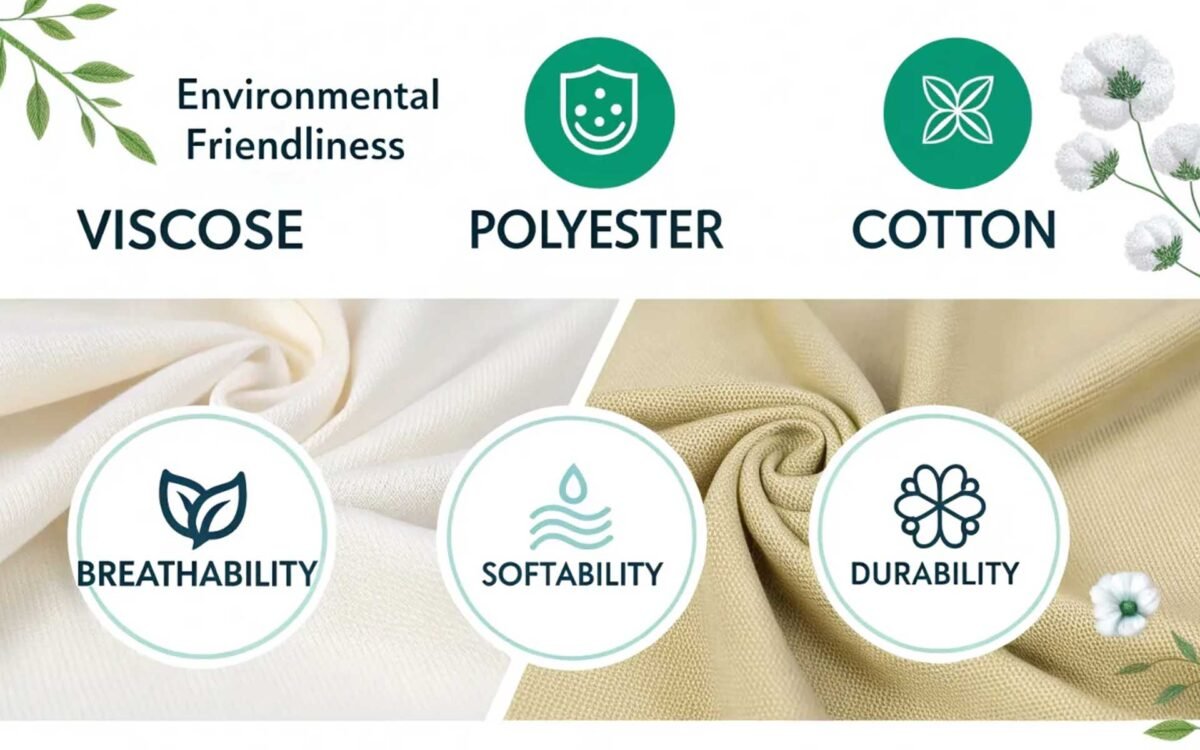
Viscose vs Polyester vs Cotton: Which to Specify for Your Uniform Contract (A Factory Answer)
Three fibers. Three different jobs. There's no winner — there's only the wrong spec for your application. A factory-level breakdown of when to specify viscose, polyester, or cotton in uniform fabrics.
What Is Viscose Fabric? Complete Guide to Rayon Textile Materials & Sustainability
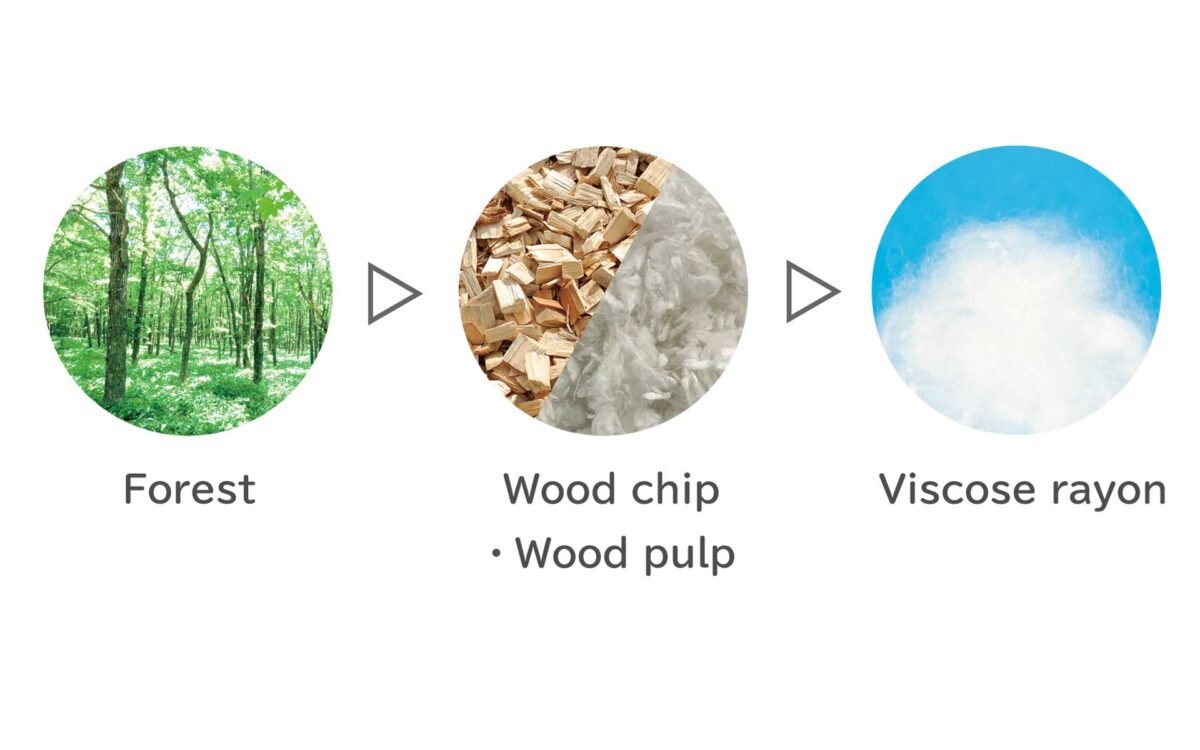
Viscose Is One of the Most Common Fabrics — But Also One of the Most Misunderstood Viscose fabric is widely used in clothing, bedding, and upholstery, often praised for its softness and silk-like feel. But what many people don’t realize is: 👉 Viscose is not a simple natural fabric — it is part of a larger fiber system called rayon (man-made cellulosic fibers). This means its performance, feel, and environmental impact depend heavily on how it is produced.