Oxford fabric is a basket-weave or plain-weave synthetic textile engineered for durability, water resistance, and structural stability — the standard fabric for bags, backpacks, luggage, outdoor equipment, and workwear accessories globally. Named after the Oxford weave structure that gives it a characteristic textured surface, Oxford fabric is produced primarily in 100% polyester at denier ratings from 300D through 1680D, with each denier specification suited to different load-bearing and durability requirements. XINGYE TEXTILE supplies wholesale Oxford fabric in 300D, 420D, 600D, and heavier constructions — factory direct, with flexible MOQ from 500 meters for stock colors and full customization options for coating, color, and functional finishing.
oxford waterproof fabric
What Is Oxford Fabric?
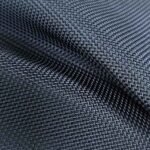
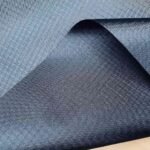
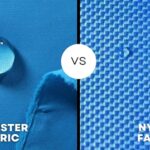
Oxford fabric gets its name from its distinctive weave structure — a basket weave or modified plain weave where multiple weft threads interlace with paired warp threads, producing a characteristic crosshatch or basketweave surface texture that distinguishes Oxford fabric from standard plain weave synthetics.
This weave structure, combined with the high-denier yarns used in Oxford fabric production, produces four performance properties that drive its dominance in bag, luggage, and outdoor equipment manufacturing:
High abrasion resistance. The dense interlacing of thick denier yarns in Oxford weave creates a fabric surface that resists scuffing, scraping, and wear significantly better than lighter plain weave fabrics at the same fiber content. Oxford fabric bags and luggage maintain their surface appearance through years of heavy use.
Structural stability. Oxford fabric holds its shape under load without significant deformation — essential for structured bags, backpack panels, and luggage shells where dimensional stability under weight is a functional requirement.
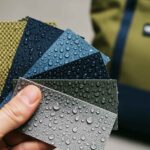
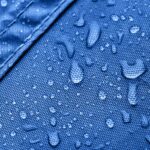
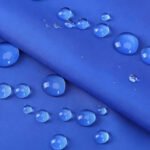
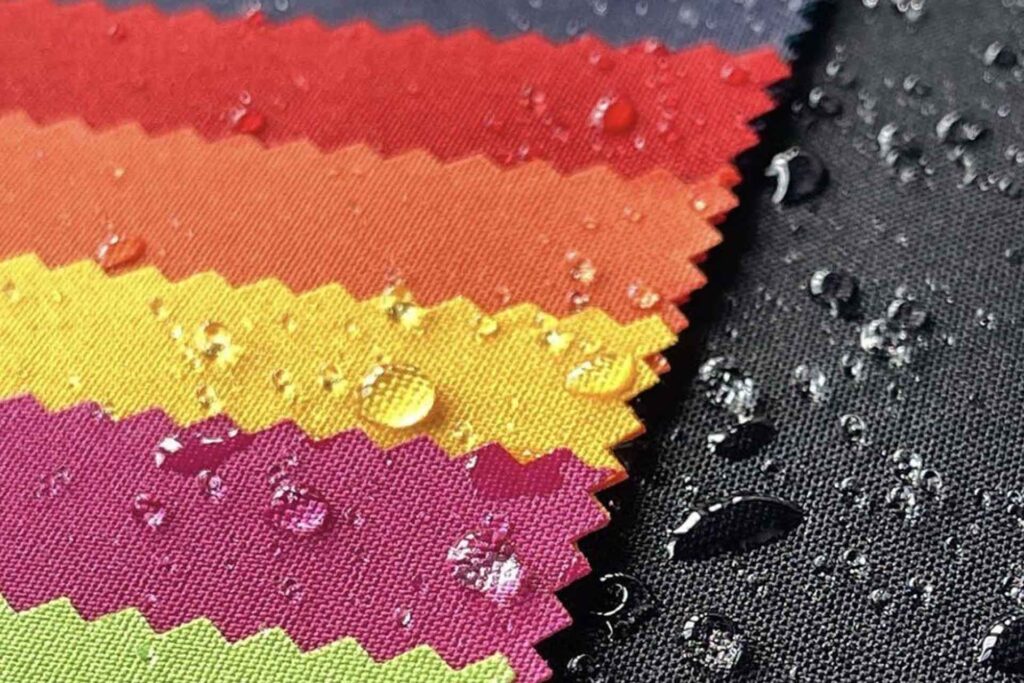
Water resistance. The tight weave structure of Oxford fabric inherently resists water penetration at a base level. Combined with PU coating or DWR finishing — standard in most commercial Oxford fabric production — Oxford fabric provides reliable water repellency for outdoor and travel applications.
Ease of production. Oxford fabric is dimensionally stable, easy to cut, and compatible with standard industrial sewing equipment. It does not fray excessively at cut edges and maintains consistent dimensions through the production process — advantages that reduce waste and simplify manufacturing compared to lighter, less stable fabrics.
Oxford Fabric Denier Guide — Which Specification to Choose
Denier (D) measures the linear mass density of the yarn used in Oxford fabric production — specifically, the weight in grams of 9,000 meters of a single yarn filament. Higher denier numbers indicate thicker, heavier yarns that produce denser, more durable fabric constructions. Choosing the correct denier for your application is the most important specification decision in Oxford fabric sourcing.
300D Oxford Fabric The lightest commercially produced Oxford fabric in our range. 300D Oxford uses fine-denier yarns to produce a lightweight, flexible fabric with good water resistance and a smooth surface texture. It lacks the structural rigidity of heavier denier constructions but delivers sufficient durability for light-duty bag applications where weight reduction is a priority.
Best applications: lightweight travel pouches, children's bags and backpacks, stationery organizers, simple outdoor accessories, promotional tote bags, and inner lining panels for heavier bag constructions.
420D Oxford Fabric Mid-weight Oxford fabric that balances durability, weight, and cost effectively for the majority of commercial bag and outdoor equipment applications. 420D Oxford has noticeably better abrasion resistance and structural rigidity than 300D while remaining light enough for everyday carry products. This is the most widely specified Oxford denier for commercial bag production globally.
Best applications: everyday backpacks, travel bags, outdoor daypacks, fishing and sports bags, tent groundsheets, lightweight outdoor equipment panels, and mid-range luggage.
600D Oxford Fabric Heavy-duty Oxford fabric with significantly higher abrasion resistance and structural rigidity than 300D or 420D. 600D Oxford fabric can bear substantial loads without deformation and maintains its surface appearance through intensive daily use. The higher yarn weight produces a fabric with a more pronounced surface texture and a noticeably more substantial hand feel.
Best applications: hard-use backpacks, rolling luggage and trolley bag shells, heavy-duty outdoor equipment, tactical and military-style bags, workwear tool bags and accessories, professional camera and equipment bags.
900D and 1680D Oxford Fabric Ultra-heavy Oxford constructions for maximum durability applications. 900D Oxford is used in heavy-duty luggage, military-specification bags, and industrial equipment covers. 1680D — the heaviest standard commercial Oxford denier — is the specification for ballistic-grade bags, professional tool cases, and industrial applications where extreme abrasion resistance is the primary requirement.
Best applications: military and tactical equipment, professional tool cases, heavy industrial equipment covers, high-specification luggage for frequent travelers.
Oxford Fabric Compositions
100% Polyester Oxford (Most Widely Used) Pure polyester Oxford is the dominant composition in commercial bag and luggage production globally. Polyester delivers high color fastness, excellent UV resistance, dimensional stability, and compatibility with PU and other functional coatings. It is the most cost-effective composition for high-volume production and is available across the full denier range from 300D to 1680D.
100% polyester Oxford is the correct specification for: the majority of commercial bag, backpack, luggage, and outdoor equipment applications where durability, color vibrancy, and coating compatibility are the primary requirements.
Polyester-Cotton Blend Oxford (TC Oxford) Blending cotton with polyester — typically 80/20 or 70/30 polyester-to-cotton — adds breathability and a more natural surface texture to Oxford fabric while retaining most of polyester's dimensional stability and water resistance. TC Oxford has a slightly softer hand feel than pure polyester and produces a more matte, less synthetic surface appearance.
TC Oxford is the correct specification for: workwear accessories, casual bags where a natural fabric aesthetic is preferred alongside synthetic durability, and applications where some breathability in the fabric panel is a functional requirement.
Cotton Oxford Pure cotton Oxford fabric offers maximum breathability and natural fiber credentials at the cost of lower water resistance and dimensional stability compared to synthetic alternatives. Cotton Oxford is used in premium casual bags, fashion accessories, and applications where organic cotton certification (GOTS) is a buyer requirement.
Nylon-Polyester Blend Oxford Nylon-blend Oxford fabric offers higher abrasion resistance and a smoother, more premium surface texture than pure polyester at equivalent denier ratings. Used in premium bag production where surface quality and durability are both critical specifications.
Functional Finishes for Oxford Fabric
Standard Oxford fabric can be enhanced with functional finishes to meet specific performance requirements.
PU Coating (Waterproof) Polyurethane coating applied to the reverse face of Oxford fabric is the industry standard waterproofing treatment for bags, luggage, and outdoor equipment fabric. PU coating creates a continuous waterproof barrier while maintaining the Oxford surface texture on the face side. Waterproof performance is rated in millimeters of water column — confirm the required rating for your application. PU coating adds 20–50 GSM to base fabric weight and is available on all denier specifications.
DWR (Durable Water Repellent) Surface-applied DWR treatment causes water to bead and roll off the Oxford fabric face without penetrating the weave structure. DWR provides water repellency without the weight addition of PU coating and maintains the fabric's breathability. Used in performance outdoor bags and light rain protection applications where full waterproofing is not required.
Silver Coating (Thermal Insulation) Metallic silver coating applied to Oxford fabric creates a thermal barrier that reflects heat — used in insulated food delivery bags, cooler bags, and thermal storage products.
Flame Retardant (FR) FR-treated Oxford fabric is required for industrial workwear accessories, military equipment, and applications in fire-risk environments. Confirm compliance with the applicable standard for your destination market before ordering.
Anti-Static Applied to Oxford fabric for electronics equipment bags, cleanroom applications, and industrial environments where electrostatic discharge is a risk.
Oxford Fabric Applications
Bags and Backpacks Oxford fabric dominates global bag production across all price points and application categories. 300D for lightweight and children's bags; 420D for everyday and travel backpacks; 600D for heavy-duty and professional bags. PU-coated Oxford is standard for waterproof bag applications.
Luggage and Travel Products 600D and above Oxford fabric is the standard shell material for soft-sided rolling luggage, trolley bags, and travel duffels. The combination of abrasion resistance, structural rigidity, and PU waterproofing makes Oxford fabric the dominant material in global luggage production at mid-market and budget price points.
Outdoor Equipment 420D and 600D Oxford is used for tent groundsheets, equipment covers, stuff sacks, and outdoor gear panels. TC Oxford with DWR or PU coating is preferred for applications requiring breathability alongside water resistance.
Workwear Accessories 600D Oxford fabric is used for workwear tool bags, vest pockets, knee pad covers, and equipment pouches where abrasion resistance and structural durability in heavy-use environments are the primary requirements.
Promotional and Fashion Products 300D Oxford fabric is the standard specification for promotional bags, branded tote bags, and fashion accessories where the Oxford texture provides a quality appearance at a cost-effective price point. High color fastness of polyester Oxford makes it well-suited to large-area printing and brand color matching.
Key Specifications to Confirm When Sourcing Oxford Fabric
| Specification | What to Confirm | Typical Standard |
|---|---|---|
| Fiber composition | Polyester %, cotton % if blend | Per agreed spec, lab test confirmed |
| Denier | 300D, 420D, 600D, 900D, 1680D | Per application requirement |
| Weave structure | Oxford basket weave, plain weave | Per design requirement |
| GSM | Physical sample weighing | ±5% tolerance |
| Width | Usable width after selvage | Standard 57/58' (144cm) |
| Coating | PU coating weight and waterproof rating | Per application requirement |
| Color fastness — washing | Grade rating | Minimum Grade 4 |
| Color fastness — rubbing | Dry and wet rub | Minimum Grade 3–4 |
| Color fastness — light | UV resistance | Minimum Grade 4 for outdoor |
| Certifications | OEKO-TEX Standard 100 | Per buyer requirement |
| MOQ | Per order type | See MOQ table below |
| Lead time | Stock vs custom | Stock: 3–5 days / Custom: 20–30 days |
MOQ by Order Type:
| Order Type | MOQ |
|---|---|
| Stock Oxford, standard colors | 500 meters per color |
| Custom dyeing or coating | 2,000 meters per color |
| Special functional treatment | 3,000 meters minimum |
Frequently Asked Questions — Wholesale Oxford Fabric
What is the difference between 300D, 420D, and 600D Oxford? The denier number indicates the yarn thickness and fabric weight. 300D is the lightest — flexible and lightweight, suitable for simple bags and pouches. 420D is mid-weight — the most widely used denier for everyday bags and backpacks, balancing durability and weight. 600D is heavy-duty — significantly more abrasion resistant and structurally rigid, used for heavy-use bags, luggage, and workwear accessories. Higher denier means heavier, thicker, and more durable fabric at higher cost per meter.
Is Oxford fabric waterproof? Standard Oxford fabric without coating is water-resistant — the tight weave structure slows water penetration but does not prevent it under sustained pressure or heavy rain. PU-coated Oxford fabric is waterproof — the coating creates a continuous barrier on the fabric reverse that prevents water penetration. For bag and luggage applications requiring reliable waterproof performance, specify PU-coated Oxford and confirm the waterproof rating in millimeters of water column.
Can Oxford fabric be custom printed? Yes. 100% polyester Oxford fabric is compatible with sublimation printing, screen printing, and digital printing. High color fastness of polyester ensures vibrant, durable print results. Confirm print method compatibility with your specific Oxford denier and coating specification before production.
What certifications are available for Oxford fabric? Our Oxford fabric is available with OEKO-TEX Standard 100 certification for chemical safety — required by most European and North American buyers for consumer product applications. Contact our team to confirm certification availability for your specific denier and composition requirement.
What is the minimum order for wholesale Oxford fabric? Standard MOQ for stock Oxford fabric in regular colors is 500 meters per color. Custom dyeing and coating requires 2,000 meters minimum. Special functional treatments start from 3,000 meters. Free A4 swatches and color cards are available before bulk commitment — contact our team to request samples.
Request Wholesale Oxford Fabric Samples and Pricing
XINGYE TEXTILE supplies wholesale Oxford fabric — 100% polyester, TC blend, and specialty compositions — in 300D, 420D, 600D, 900D, and 1680D denier specifications, serving bag manufacturers, luggage brands, outdoor equipment producers, and workwear buyers worldwide. Factory-direct pricing, MOQ from 500 meters for stock colors, free swatches available.
Contact our sourcing team with your denier specification, composition, coating requirement, quantity, and destination — we will provide a formal quotation within 24 hours.
→ Browse Our Full Fabric Range → Browse Fabric for Workwear → Read: Wholesale Canvas Fabric Guide → Request a Free Swatch → Get a Wholesale Quote