
Lycra and spandex fabrics are widely used in activewear, dancewear, swimwear, and stretch garments. However, sewing and caring for these materials can be challenging because they are highly elastic, smooth, and sensitive to heat. If you’re working with sewing lycra fabric or thick spandex fabric, using the right techniques can make a huge difference in the final result. This guide will walk you through how to sew Lycra correctly and how to wash Lycra clothes to maintain their stretch and durabi ...
Stretch fabrics are no longer just about comfort and performance—they’ve become a creative canvas for designers. Today’s fancy spandex fabrics feature bold finishes such as shiny coatings, metallic effects, holographic reflections, and vibrant printed patterns. These eye-catching materials are widely used in dancewear, stage costumes, performance outfits, and high-fashion designs. For small fashion brands, costume designers, and independent creators, these fabrics offer a way to differentiate p ...
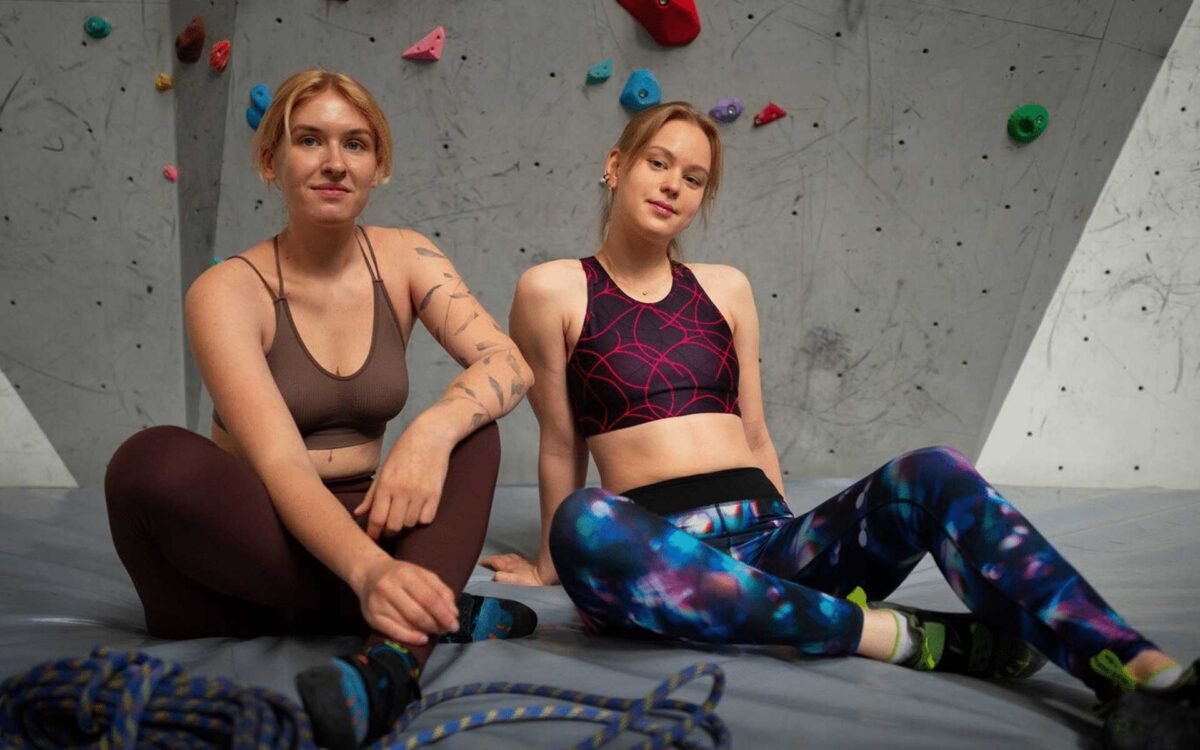
Performance garments like swimwear, yoga wear, and athletic apparel demand fabrics that combine extreme stretch, durability, and comfort. Among the most widely used materials are Lycra-based stretch fabrics, often blended with nylon or polyester to achieve optimal performance. Whether you’re a brand owner, apparel manufacturer, or fabric buyer, understanding how nylon spandex swimwear fabric and sports lycra fabric work can help you choose the right material for high-performance products. This ...
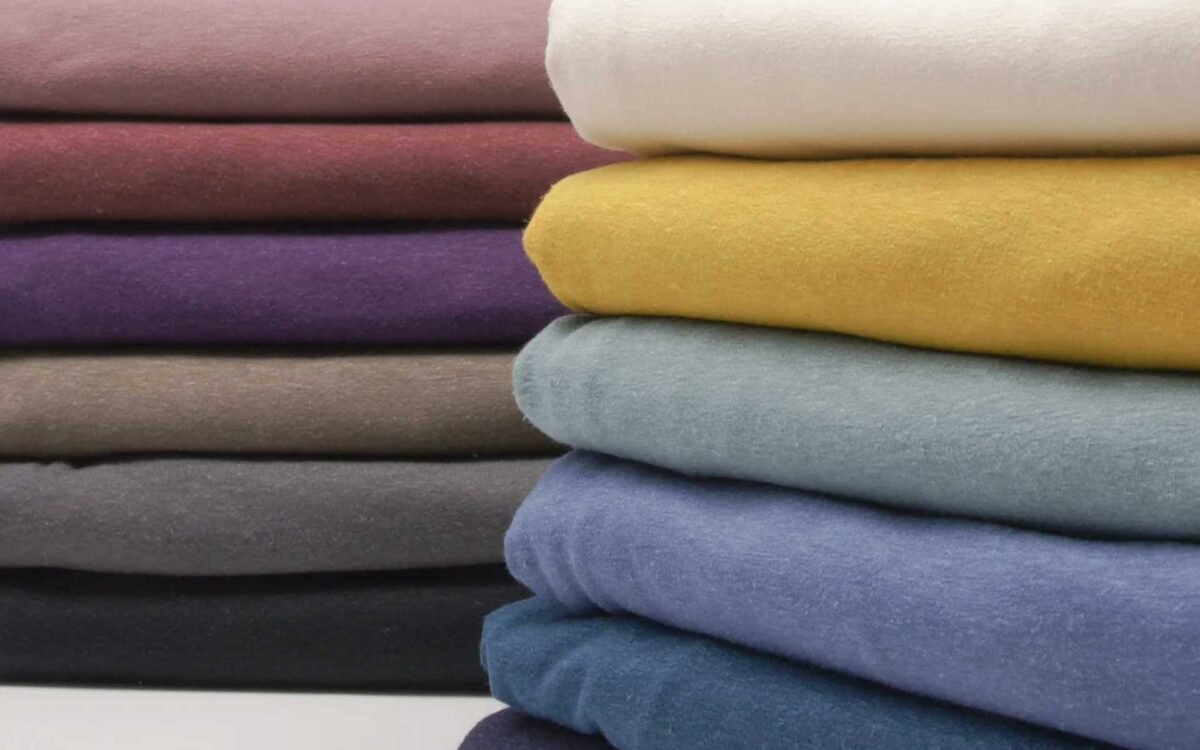
Stretch fabrics have become essential in modern apparel, from comfortable T-shirts to high-performance sportswear. For fabric buyers, designers, and manufacturers, understanding the difference between 95% cotton 5% lycra fabric, cotton spandex material, and nylon spandex blends is crucial when selecting the right textile. Different fiber blends and stretch ratios affect comfort, durability, performance, and garment fit. In this buyer’s guide, we’ll explore how cotton lycra jersey and nylon span ...
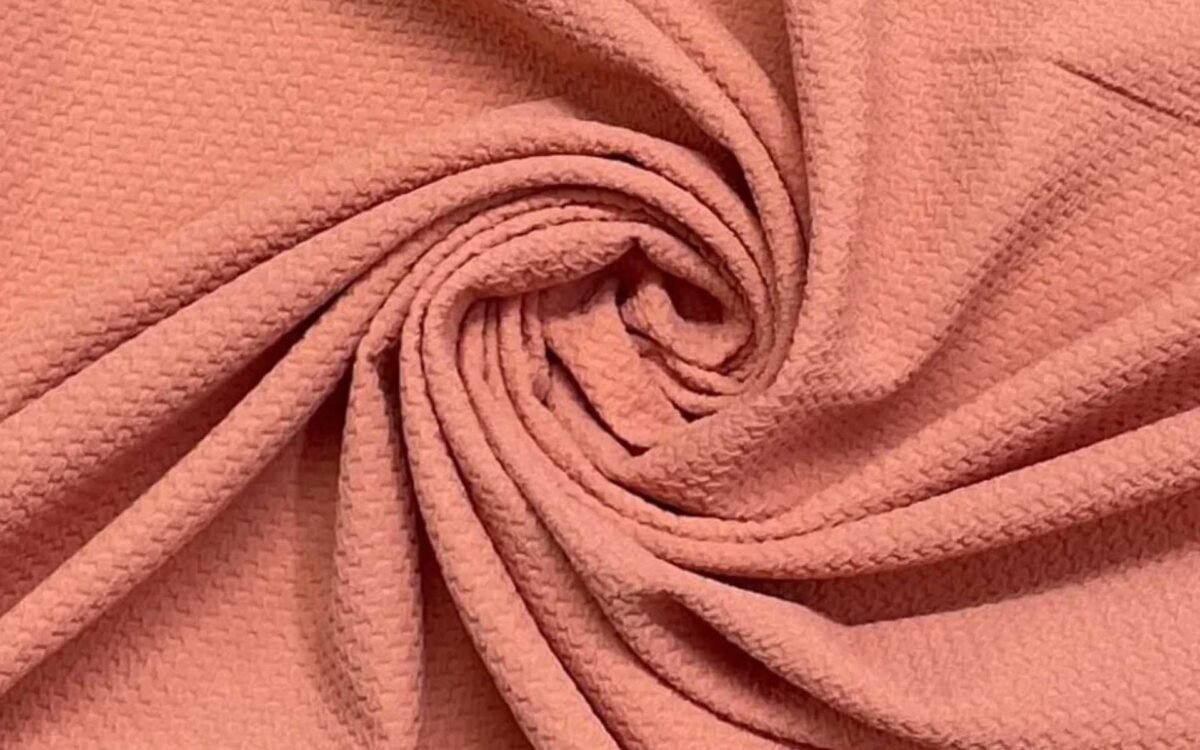
If you've ever shopped for stretch fabrics, you've probably seen the terms Lycra, Spandex, and Elastane used interchangeably. While they often refer to the same type of stretchy fiber, there are important technical and branding differences between them. Understanding the difference helps buyers, designers, and fabric manufacturers choose the right materials while avoiding confusion about fiber type, quality standards, and trademarks. In this guide, we’ll explain what Lycra is, the meaning of s ...
Recent News
Yes, spandex is extremely stretchable. In fact, spandex (also known as elastane or Lycra) can stretch up to 5–8 times its original length and still return to its original shape.
When people think of nylon, they often picture the heavy, plasticky rain jackets of the past—materials that keep the water out but trap the heat in. This has led to a persistent question in the appare ...
The Short Answer: It’s All About the Construction Pure rayon fiber is a regenerated cellulose fiber made from wood pulp. On its own, the fiber has very little natural elasticity (less than cotton, in ...
In the textile industry, fabrics are usually divided into two clear camps: Natural (like cotton and silk) and Synthetic (like polyester and nylon). However, Viscose sits in a fascinating middle ground ...
The short answer is: Pure polyester fiber is not naturally stretchy, but polyester fabrics can be incredibly elastic depending on how they are made. At XINGYE TEXTILE, we specialize in engineering hi ...
A twill suit is a suit made from twill fabric, a type of textile known for its diagonal weave pattern. Unlike plain weave fabrics, twill has a distinctive texture that makes it: More durable Slightl ...
Twill is not a specific fiber like cotton or polyester. Instead, it is a type of fabric weave. A twill fabric is defined by its distinct diagonal rib pattern, created by weaving threads in a staggere ...
Twill fabric has a distinct feel that sets it apart from other textiles. 👉 In simple terms, twill feels: Slightly textured (due to its diagonal weave) Smooth but not slippery Soft yet structured Mor ...
Twill is not a specific material—it is a type of weave that can be made from different fibers such as cotton, polyester, wool, or blends. This means the properties of twill fabric depend largely on t ...
If you’re searching for where to buy corduroy fabric, you’re likely ready to start a project—whether it’s sewing clothing, upholstery, or sourcing materials for your business. Corduroy is a timeless ...
Batik boucle fabric Burlap Fabric Chenille Chiffon Cotton Damask Drop Cloth Elastane fabric painting Faux fur Felt Fleece Fabric Gabardine Fabric Gingham Jacquard linen Lycra lyocell fabric Merino Wool Minky Fabric Modal Fabric Muslin Nylon organza Polar Fleece Fabric Polyester Poplin quilting fabric Rayon Fabric Satin Weave Silk Fabric spandex sunbrella fabric Taffeta tartans Tencel Terry Cloth tulle fabric Twill Fabric Upholstery Fabric velvet fabric Viscose Waterproof Fabric Wool