
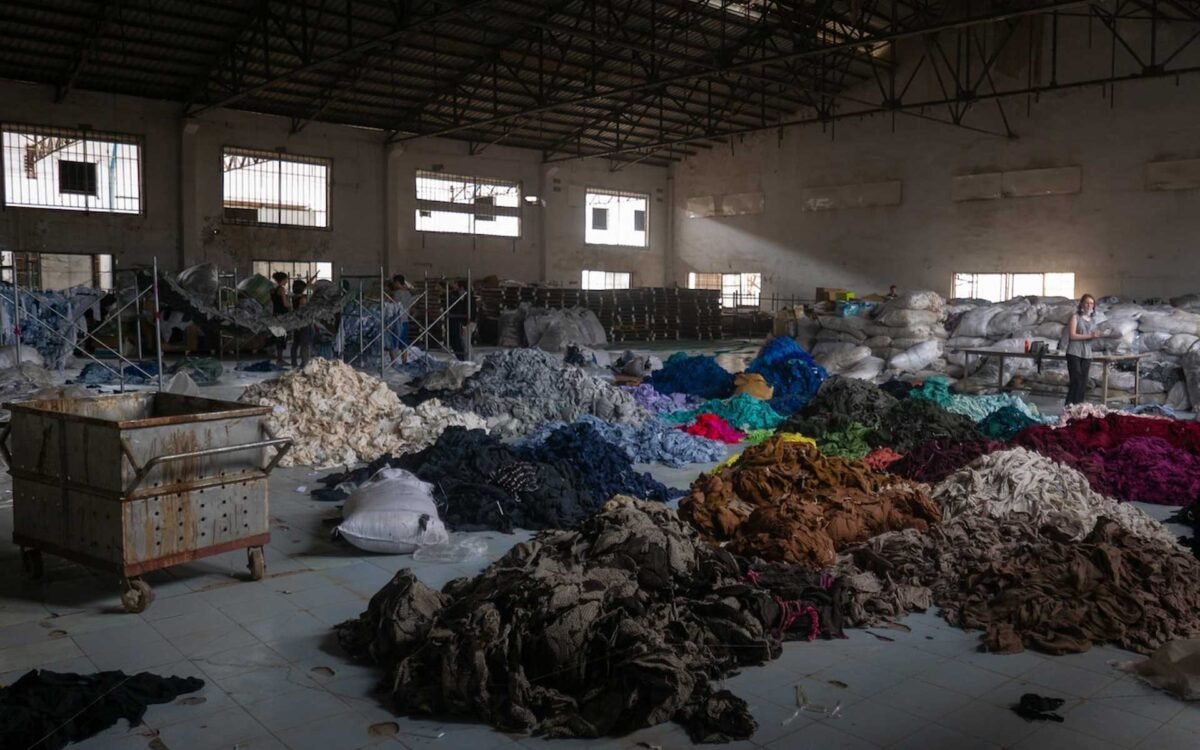
In an era dominated by fast fashion and the overuse of synthetic fibers, the textile industry is facing unprecedented environmental challenges. This article takes an in-depth look at the central role of cotton fiber and wool fiber in sustainable development. By comparing the long-term environmental impact of synthetic materials, we explore why natural fibers remain the future of the industry.

In the diverse world of textile arts, needle felting stands out as a unique craft that transforms loose fibers into solid, 3D sculptures or intricate "painted" textures. Unlike weaving or knitting, needle felting relies on the biological structure of the fiber itself. To master this art, one must understand not just the technique, but the science behind the wool textures being used.
Natural fibers like cotton and wool are the backbone of the textile industry, offering a range of properties that synthetic materials simply cannot replicate. This article explores the diverse uses of wool and cotton cloth, from everyday apparel to specialized industrial applications. By understanding what wool is used for and how cotton's breathability makes it ideal for home decor, businesses and designers can better select the right materials for their specific needs. TextileCloth.com provide ...
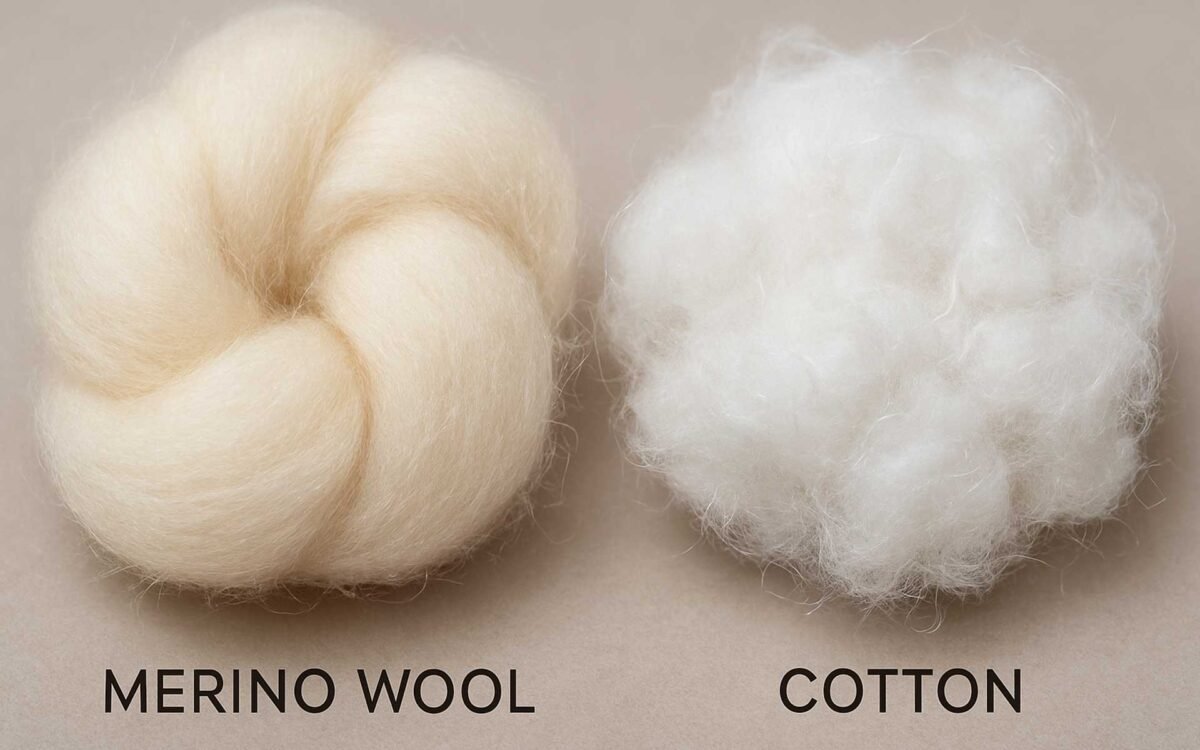
Choosing between cotton yarn and wool yarn for knitting is one of the most critical decisions for any textile project. This comparison guide breaks down the physical properties of these two natural fibers—highlighting cotton's breathability and wool's insulating loft. By understanding how wool threads for knitting behave differently from cotton fibers in various climates, designers and DIY enthusiasts can make informed choices. The article also provides a professional alternative for small studi ...
Recent News
Learn how to choose the right fabric for clothing — fiber composition, GSM, weave structure, and functional finishes explained for fashion designers, clothing brands, and small-batch garment buyers so ...
Is twill fabric comfortable? Yes — and it's one of the most widely used constructions in garment manufacturing. This guide covers twill fabric properties, GSM ranges, fiber composition options, applic ...
Viscose is breathable. But if you're sourcing for a uniform contract, that fact alone will cost you money. Here's what every procurement manager needs to know before specifying viscose at scale.
Is spandex stretchable? Yes — spandex can stretch up to 5–8 times its original length. This guide explains how spandex works in garment production, how much spandex to specify, and how to source stret ...
Is nylon fabric breathable? The answer depends on construction and finish — not just fiber type. This guide explains nylon breathability, how it compares to other fibers, and how to source wholesale n ...
Is rayon stretchy? Pure rayon has minimal natural elasticity — but rayon fabrics can be engineered for stretch through construction and blending. This guide covers rayon stretch properties, blend opti ...
Is viscose a natural fiber? No — viscose is semi-synthetic, but its cellulose origin gives it properties no synthetic fiber can match. This guide covers viscose fiber classification, sustainability cr ...
Is polyester stretchy? Pure polyester has minimal natural elasticity — but polyester fabrics can be engineered for significant stretch through construction and blending. This guide covers polyester st ...
What is a twill suit? A suit made from twill-woven fabric — the most widely used construction in global suit and formal trouser production. This guide covers twill suit fabric types, GSM specification ...
What type of fabric is twill? Twill is a weave structure — not a fiber — used across cotton, polyester, TR, TC, wool, and nylon fabrics. This technical guide covers twill weave mechanics, construction ...
Batik boucle fabric Burlap Fabric canvas fabric Chenille Chiffon Cotton Damask Elastane Faux fur Felt Fleece Fabric Gabardine Fabric Gingham Jacquard linen Lycra lyocell fabric Merino Wool Michaels Fabric Microfiber Modal Fabric Muslin Nylon organza Polar Fleece Fabric Polyester Poplin Rayon Fabric Satin Weave Silk Fabric spandex Taffeta tartans Tencel Terry Cloth tulle fabric Twill Fabric Upholstery Fabric velvet fabric Viscose Waterproof Fabric Wool