
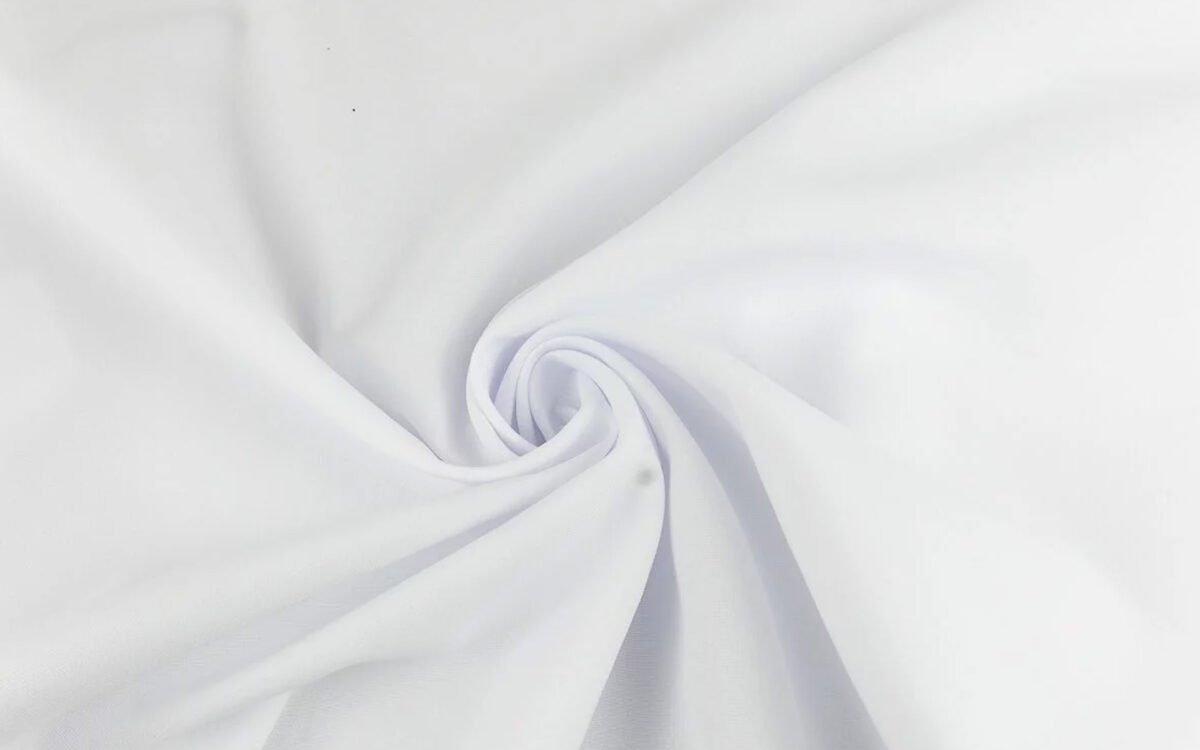
Polyester vs Cotton Poplin: Which is More Durable and Easier to Clean?
Poplin is one of the most widely used fabrics in clothing, uniforms, and home textiles. Known for its smooth surface and crisp structure, poplin fabric can be made from several fiber blends. Two of the most common options are poly poplin fabric (100% polyester) and polyester cotton poplin. If you’re choosing fabric for shirts, dresses, uniforms, or craft projects, understanding the differences between polyester vs cotton poplin will help you pick the right material for durability, maintenance, ...
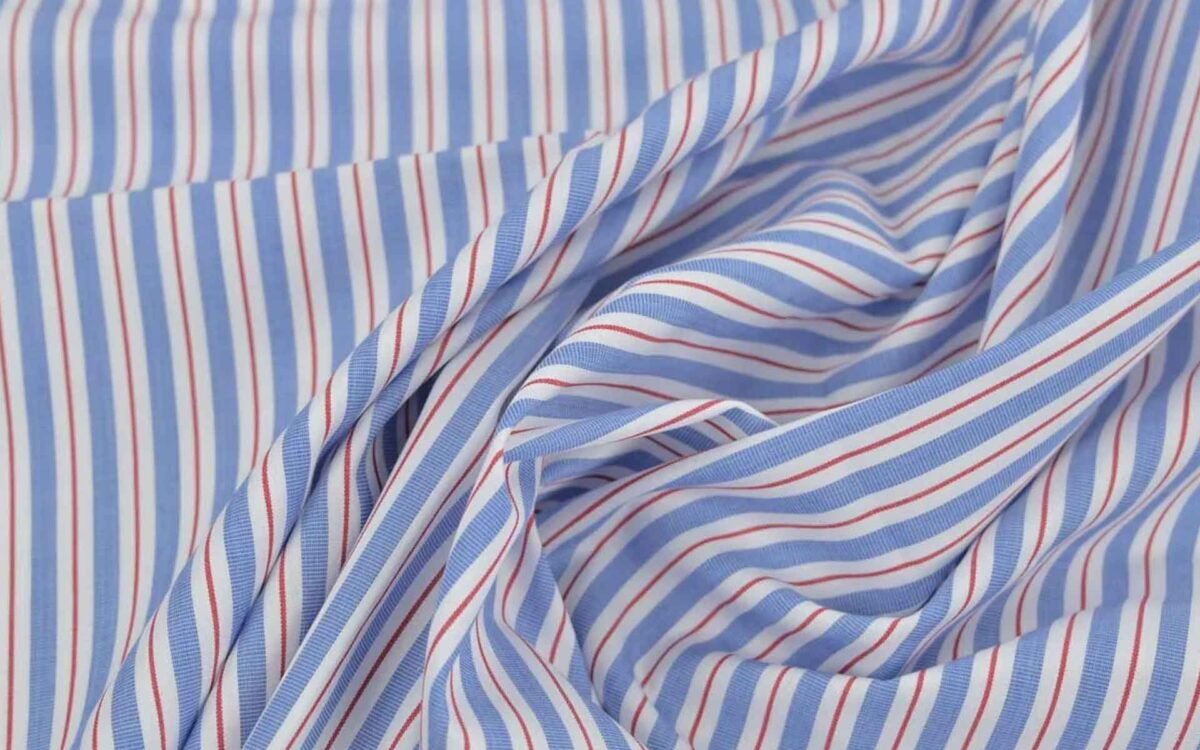
Floral, Gingham, and Stripes: Exploring Printed Cotton Poplin for Your Next Project
Printed cotton poplin fabric is a versatile textile that combines lightweight structure with vibrant designs, making it perfect for everything from summer dresses to shirts, skirts, and even home décor. Whether you prefer classic floral cotton poplin, timeless gingham poplin, or bold striped poplin fabric, understanding the options will help you choose the right print for your project.
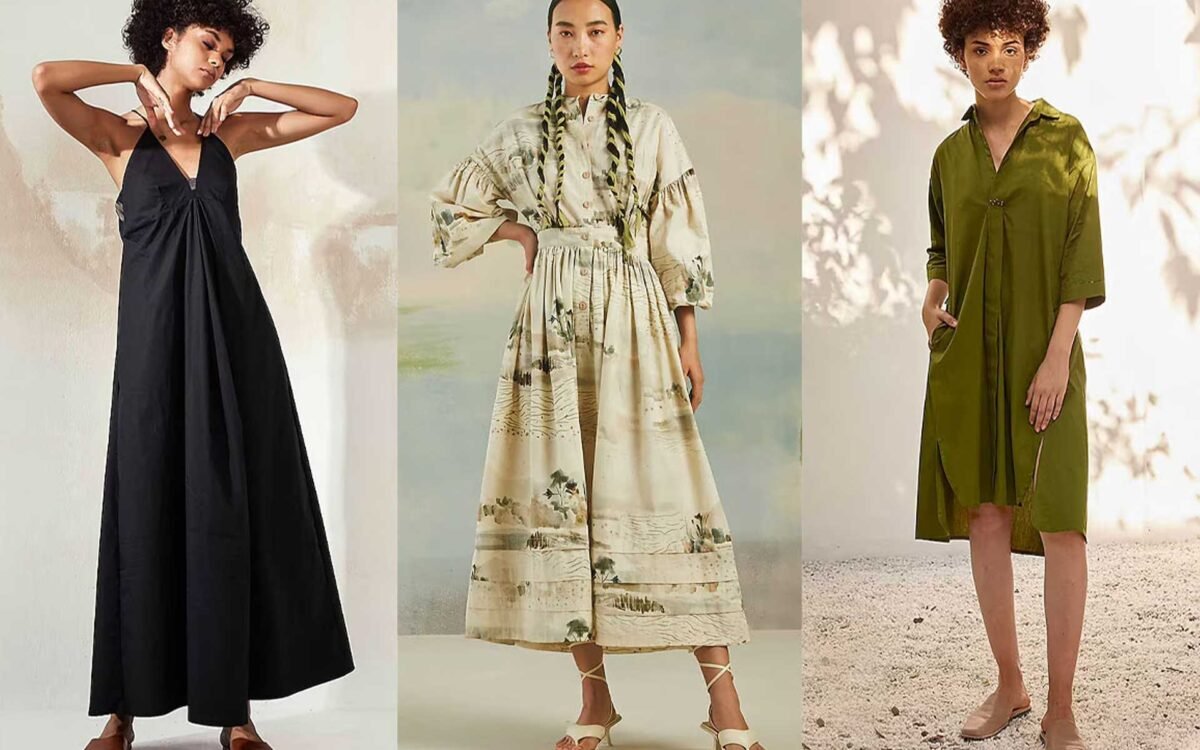
Is Poplin Fabric Good for Summer? Seasonality, Breathability, and When to Wear Poplin
When choosing clothing fabrics, seasonality and comfort are two of the most important factors. Many people wonder whether poplin fabric is suitable for hot weather and what season it works best in. In this guide, we’ll explore poplin fabric season suitability, explain why poplin fabric is breathable, and discuss whether poplin fabric for summer clothing is a good choice.

Why Poplin Dresses Are the Ultimate Summer Essential
Summer fashion is all about comfort, breathability, and effortless style. Among the many fabrics used in warm-weather clothing, poplin has earned a reputation for being both practical and elegant. From casual daywear to polished outfits, the poplin dress has become a staple in many wardrobes. In this guide, we’ll explore why cotton poplin dresses are perfect for summer, the most popular styles such as the white poplin dress and poplin shirt dress, and how to style and care for them.
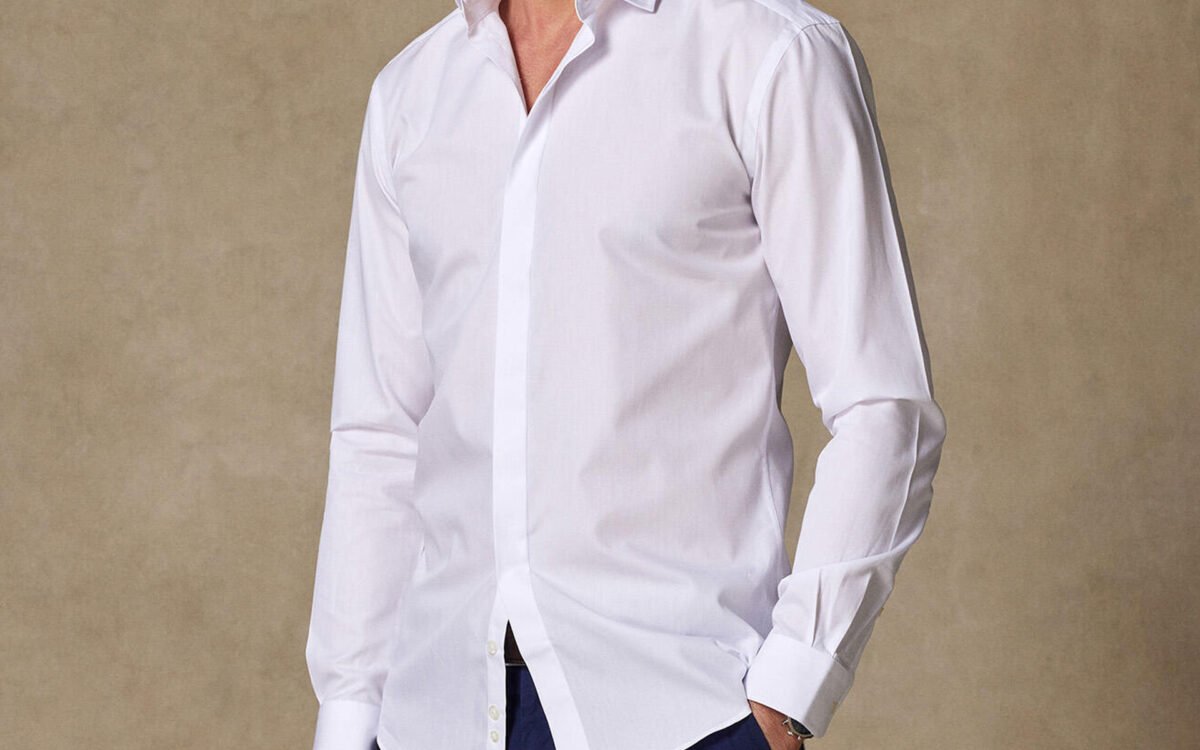
The Essential Guide to Poplin Shirts: Style, Comfort, and Care
Poplin shirts are a timeless staple in both men’s and women’s wardrobes. Known for their smooth texture, lightweight feel, and crisp appearance, they strike the perfect balance between comfort and professionalism. Whether you’re searching for a white poplin shirt for work, a cotton poplin dress shirt for formal occasions, or everyday poplin shirting fabric, understanding this material can help you choose the best option for your style and lifestyle.
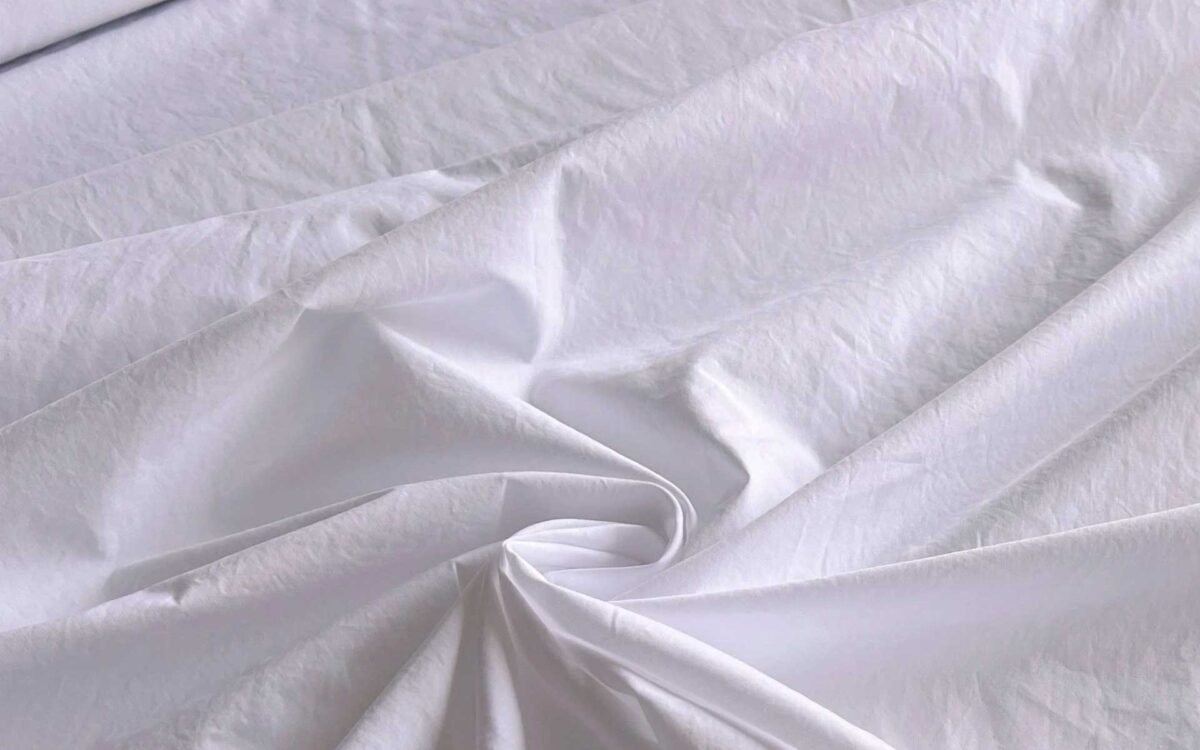
What Is Cotton Poplin? Everything You Need to Know About the Perfect Shirt Fabric
Cotton poplin is one of the most widely used fabrics in modern apparel. Known for its smooth surface, lightweight feel, and crisp structure, it has become a favorite material for shirts, dresses, and everyday clothing. If you’ve ever searched for “what is cotton poplin fabric?” or wondered what cotton poplin fabric is used for, this guide will walk you through everything you need to know—from its weave structure to its common applications.
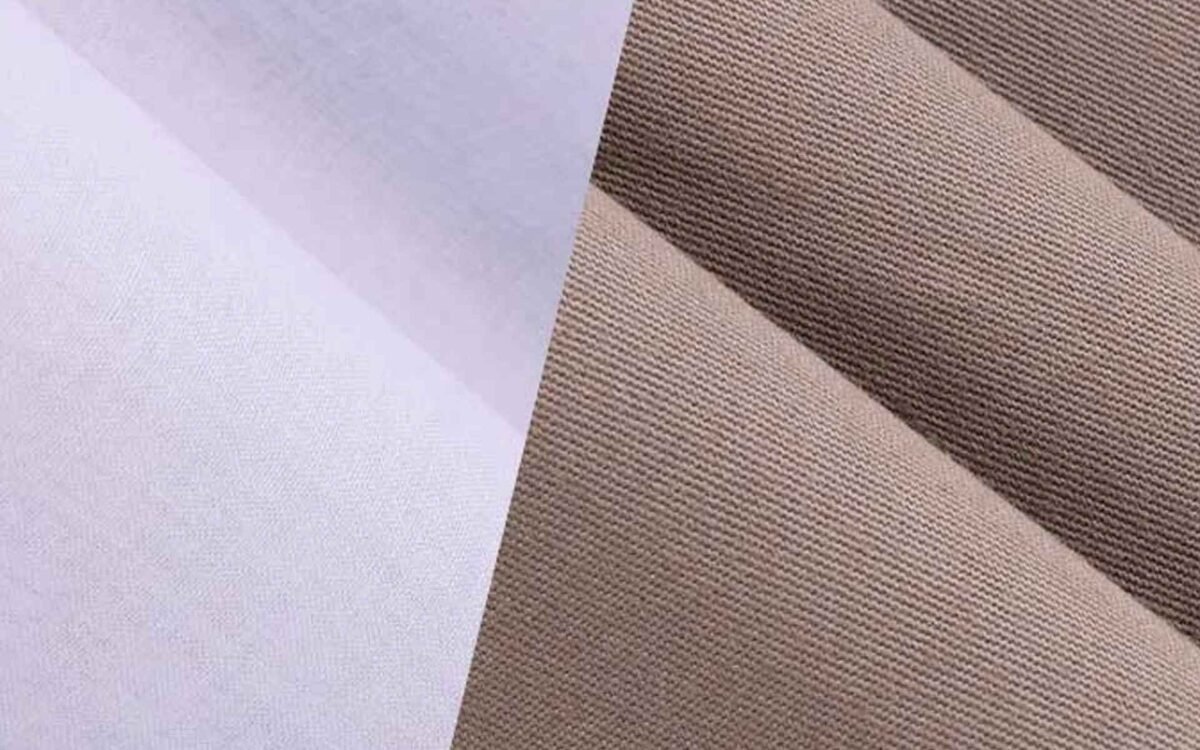
Poplin vs Twill: Which One Should You Choose?
Poplin is better for lightweight, breathable clothing, while twill is better for durability and wrinkle resistance. 👉 Simple rule: Choose poplin for summer shirts and a crisp look Choose twill for everyday wear, durability, and easier maintenance
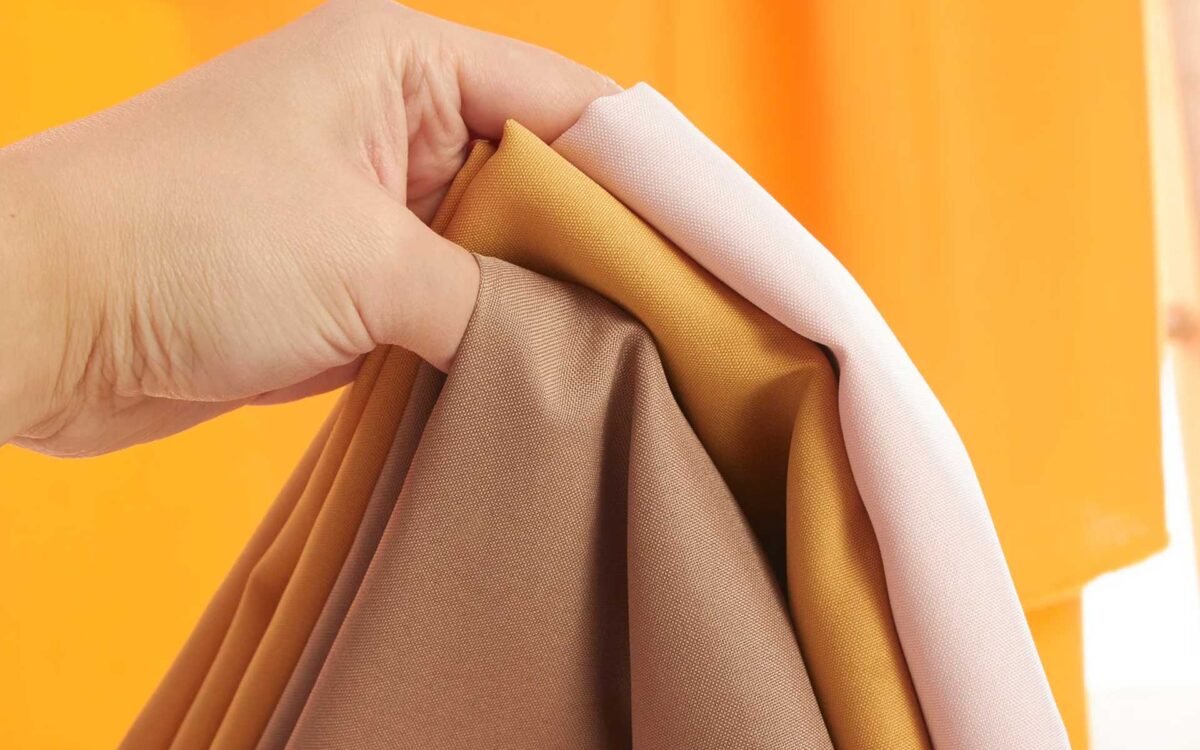
What is Poplin Fabric? The Ultimate Guide to This Versatile Textile
Poplin is one of the most widely used fabrics in the world, appearing in everything from dress shirts and summer dresses to uniforms and home textiles. Yet many people still ask basic questions like “What is poplin fabric?” or “What does poplin mean in textiles?” In this comprehensive guide, we’ll explore the poplin meaning, weave structure, characteristics, and common uses, so you can understand why this fabric has remained popular for centuries.