
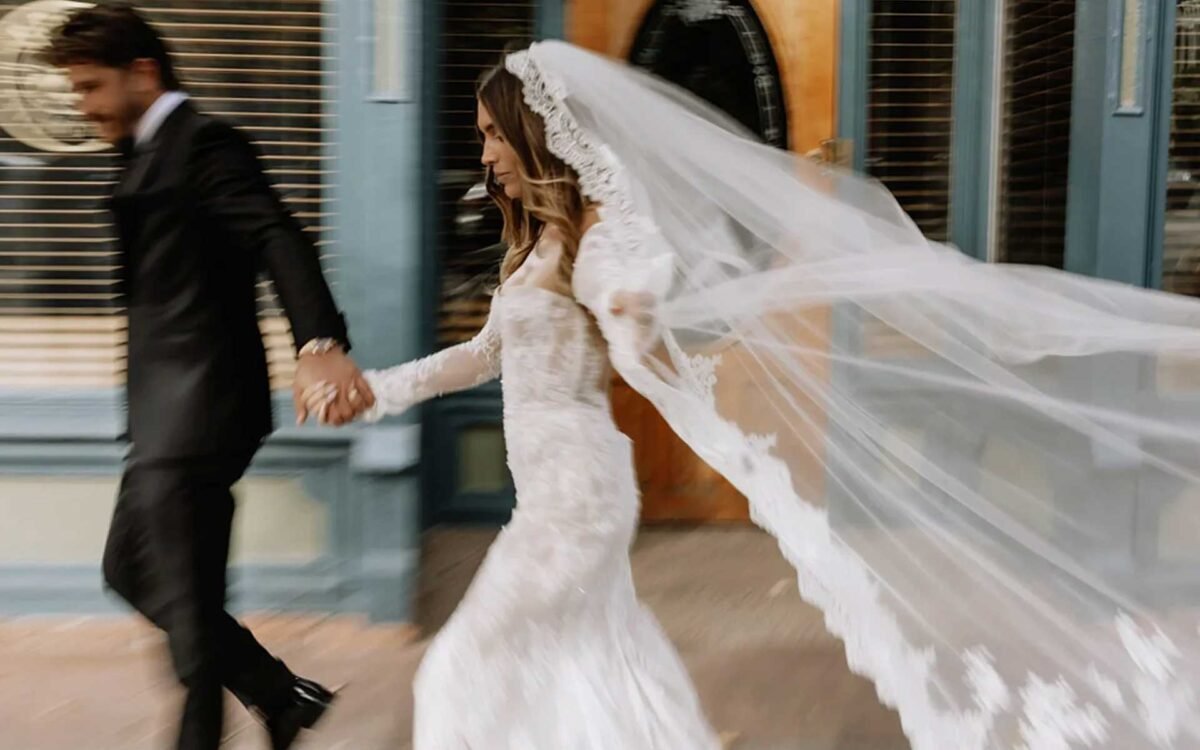
When designing a wedding veil or bridal headpiece, choosing the right type of tulle fabric is essential. Not all tulle is created equal—some are soft and barely visible, while others are stiff and better suited for decorations. Professional bridal designers typically use veiling tulle, a special type of fine mesh fabric designed specifically for wedding veils, fascinators, and headpieces. In this guide, we’ll explore what veiling tulle is, how it differs from regular tulle, and which types are ...
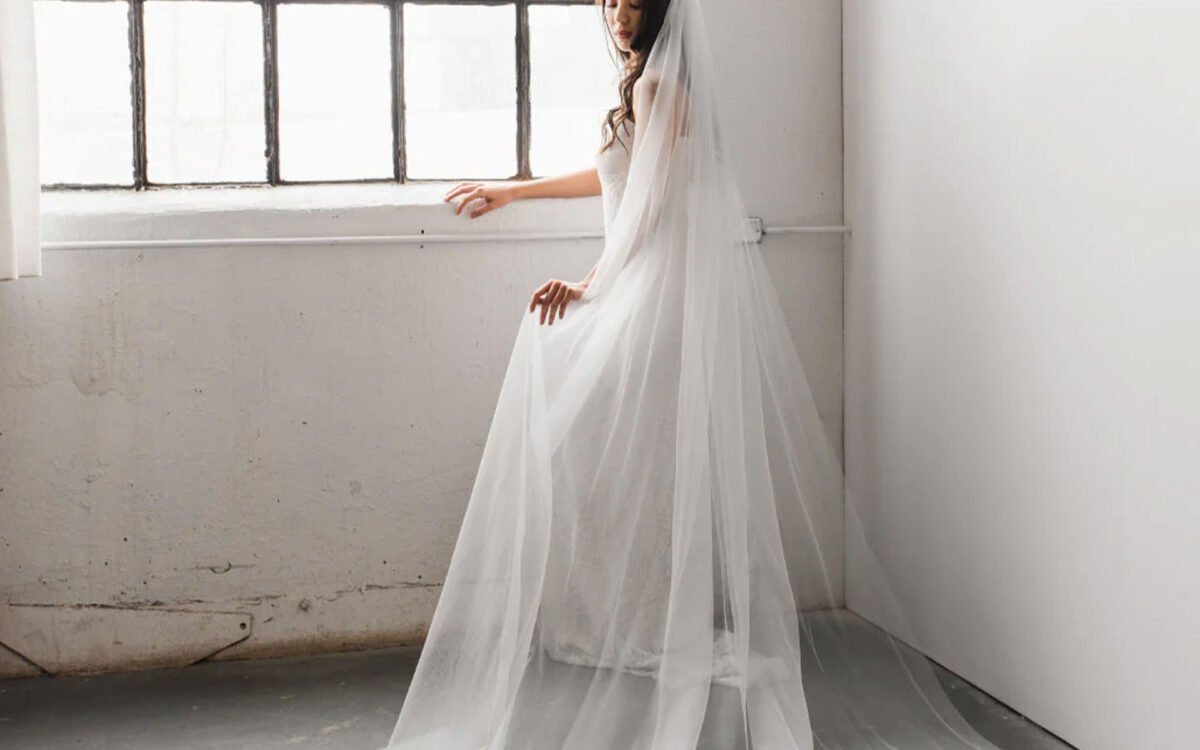
Silk tulle is widely considered the most luxurious version of tulle fabric. Known for its ultra-soft texture, natural drape, and delicate transparency, it is a favorite among couture designers, bridal ateliers, and luxury fashion houses. But because silk tulle fabric is significantly more expensive than polyester or nylon tulle, many designers and sewing enthusiasts wonder: Is silk tulle really worth the investment? The answer depends on the application, desired aesthetic, and budget. In this ...
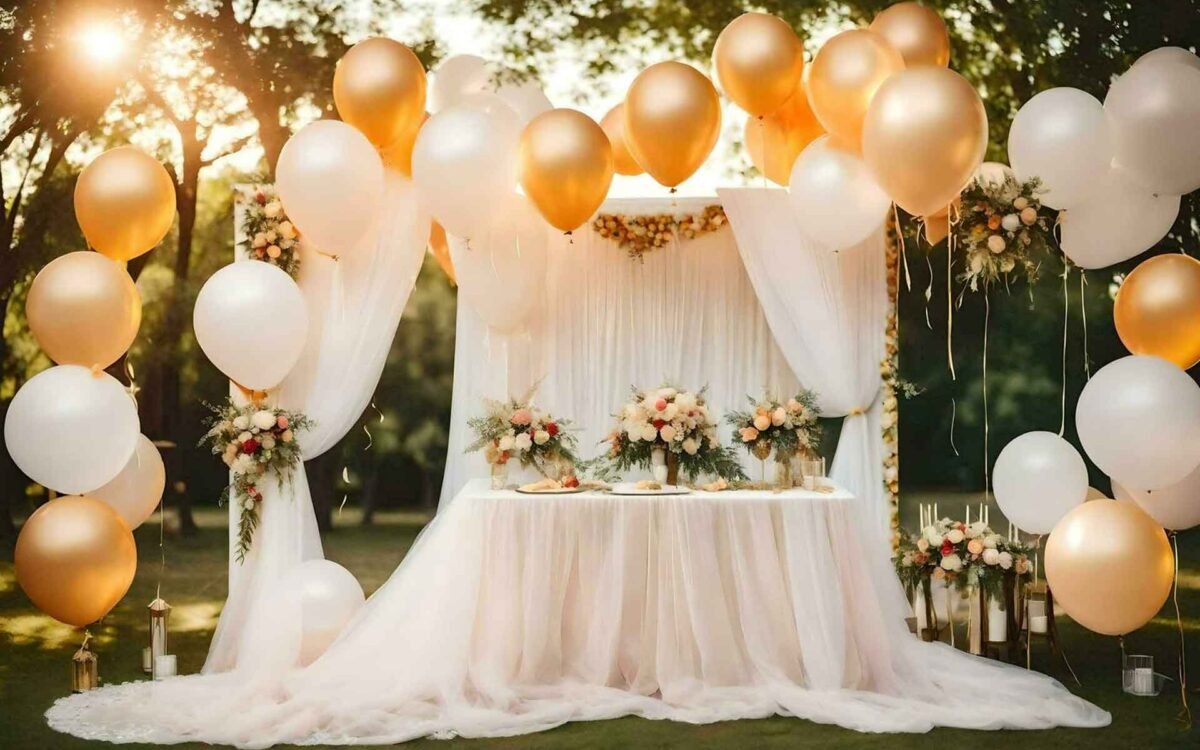
Tulle is one of the most versatile decorative fabrics for parties, weddings, and event styling. Because it’s lightweight, airy, and inexpensive, it’s perfect for creating tulle puffs, pom-poms, and elegant backdrops that instantly elevate a space. This step-by-step guide will show you how to make tulle puffs and DIY backdrops for birthdays, weddings, baby showers, and photo booths.
Tulle is a lightweight, sheer, and sometimes slippery fabric, making it one of the trickiest materials to sew. Whether you’re creating skirts, veils, tutus, or decorative overlays, handling it properly ensures your project looks professional and prevents frustrating mistakes. Here’s a practical guide for working with slippery and delicate tulle mesh.
If you’re planning a sewing, costume, or décor project, one of the most common questions is: how many yards are in a roll of tulle? Understanding tulle fabric rolls, tulle by the roll, and rolls of tulle will help you estimate your material needs accurately and avoid last-minute trips to the store.
For designers, event planners, and crafters who need large quantities of tulle, buying by the bolt is the most efficient and cost-effective solution. Whether you are sourcing wholesale tulle bolts, purchasing tulle in bulk, or looking for tulle roll wholesale, understanding how to choose the right type and quantity is key to ensuring your projects run smoothly.
Tulle is one of the most versatile fabrics in fashion and event decor. Its airy texture and delicate appearance make it perfect for dresses, skirts, wedding decorations, party backdrops, and more. But when it comes to selecting the right tulle colors, many people struggle to create a cohesive and visually appealing look. This guide will help you understand how to choose colored tulle effectively, whether for personal fashion or event design.
While white tulle is often associated with weddings and romance, black tulle fabric offers something entirely different—drama, sophistication, and a touch of rebellion. Designers and DIY creators alike love black tulle for its ability to add depth, texture, and striking contrast to both fashion and décor. Whether you are searching for black tulle fabric by the yard for a sewing project or looking for creative styling ideas, this guide will show you how to make the most of this versatile materia ...
Few fabrics are as versatile and iconic as white tulle. Known for its lightweight structure and airy elegance, this delicate mesh fabric appears everywhere—from bridal veils and wedding dresses to party decorations and DIY crafts. Whether you are planning a wedding, decorating an event, or starting a sewing project, understanding tulle fabric, veiling tulle, and how to choose the right type can help you achieve the perfect result.
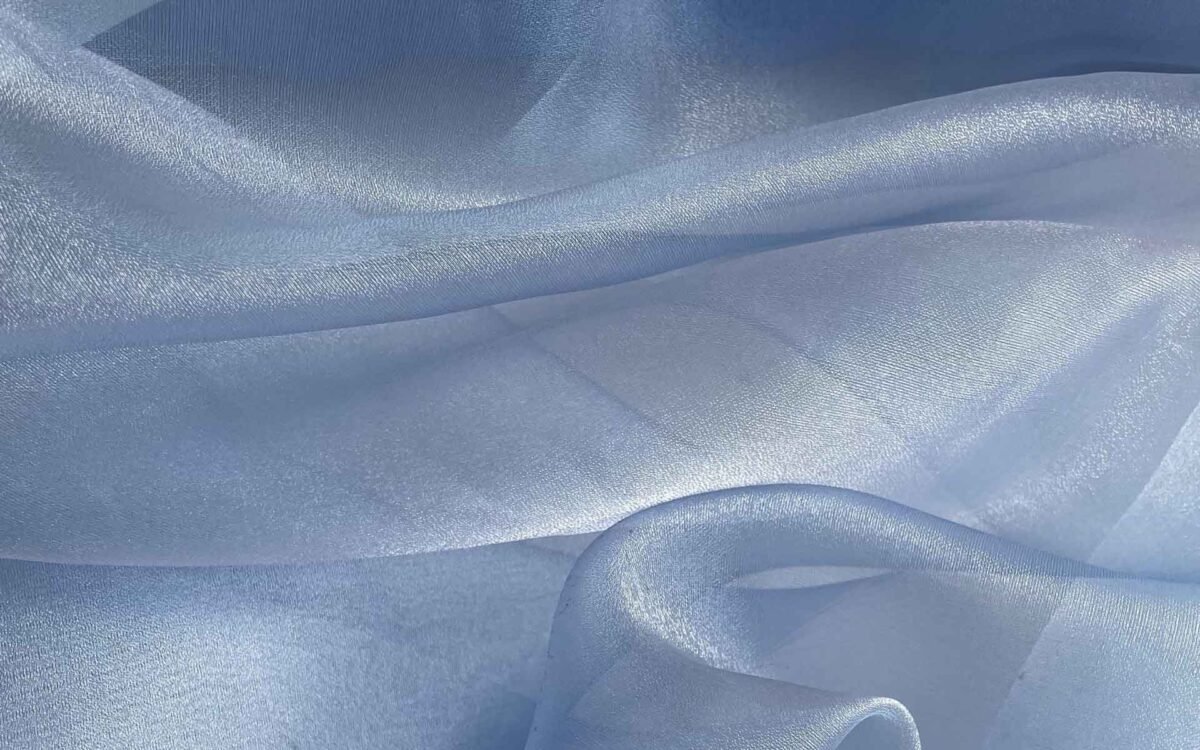
When working with sheer fabrics, two materials often appear at the top of the list: tulle and organza. At first glance they may seem similar—both are lightweight, transparent, and commonly used in formal fashion. However, their structure, texture, and performance are very different. Understanding the difference between tulle fabric and organza fabric can help designers, DIY creators, and fashion enthusiasts choose the right material for their projects.
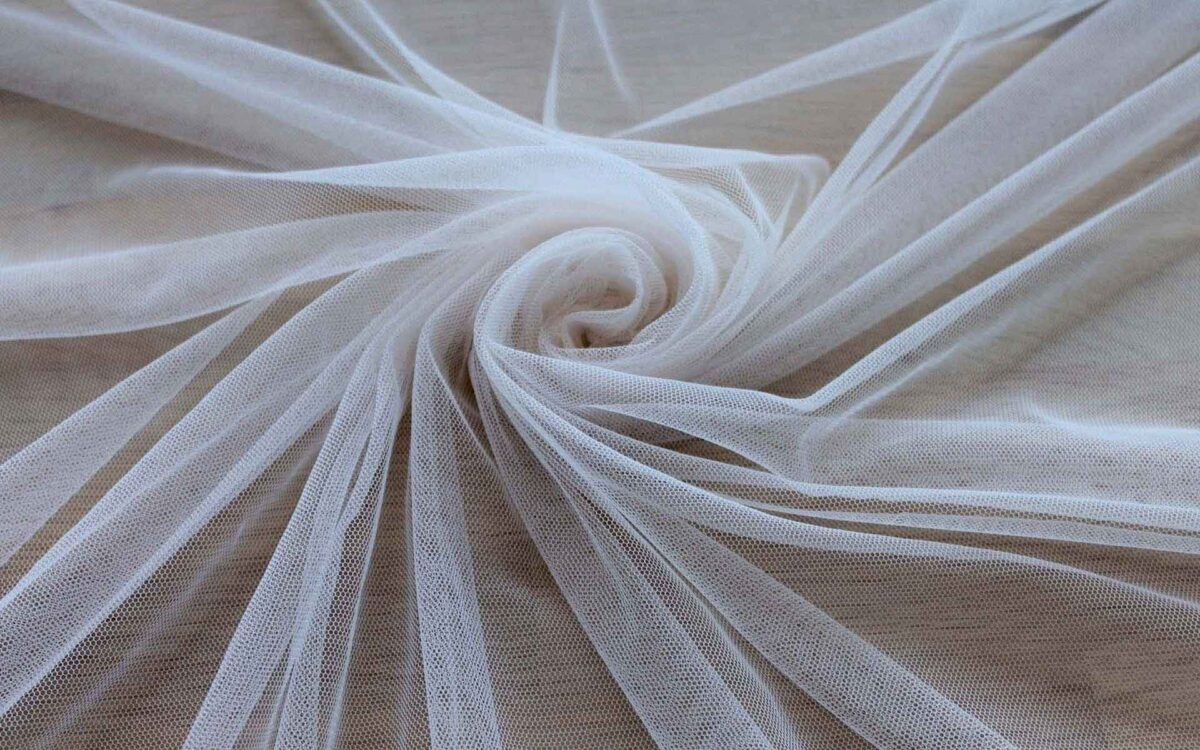
At first glance, all tulle fabric looks similar—lightweight, sheer, and made with a delicate net structure. But in reality, not all tulle is created equal. The fiber used to produce the mesh dramatically affects how the fabric feels, drapes, and performs. Two of the most common types are silk tulle and polyester tulle. While they share the same open-net structure, they differ significantly in softness, durability, cost, and typical applications. If you’re choosing tulle for fashion design, wed ...
If you recently searched for “tool fabric,” you’re not alone. Thousands of people type this phrase every month when they are actually looking for tulle fabric.So let’s clear up the confusion right away.Did you mean tulle?Yes — “tool fabric” is usually a spelling mistake for “tulle fabric.” Tulle is a lightweight netting material widely used in fashion, weddings, costumes, and crafts.This guide explains:The correct spelling of tulleWhat tulle fabric actually isWhy people search for tool fabricCom ...
Recent News
Yes, spandex is extremely stretchable. In fact, spandex (also known as elastane or Lycra) can stretch up to 5–8 times its original length and still return to its original shape.
When people think of nylon, they often picture the heavy, plasticky rain jackets of the past—materials that keep the water out but trap the heat in. This has led to a persistent question in the appare ...
The Short Answer: It’s All About the Construction Pure rayon fiber is a regenerated cellulose fiber made from wood pulp. On its own, the fiber has very little natural elasticity (less than cotton, in ...
In the textile industry, fabrics are usually divided into two clear camps: Natural (like cotton and silk) and Synthetic (like polyester and nylon). However, Viscose sits in a fascinating middle ground ...
The short answer is: Pure polyester fiber is not naturally stretchy, but polyester fabrics can be incredibly elastic depending on how they are made. At XINGYE TEXTILE, we specialize in engineering hi ...
A twill suit is a suit made from twill fabric, a type of textile known for its diagonal weave pattern. Unlike plain weave fabrics, twill has a distinctive texture that makes it: More durable Slightl ...
Twill is not a specific fiber like cotton or polyester. Instead, it is a type of fabric weave. A twill fabric is defined by its distinct diagonal rib pattern, created by weaving threads in a staggere ...
Twill fabric has a distinct feel that sets it apart from other textiles. 👉 In simple terms, twill feels: Slightly textured (due to its diagonal weave) Smooth but not slippery Soft yet structured Mor ...
Twill is not a specific material—it is a type of weave that can be made from different fibers such as cotton, polyester, wool, or blends. This means the properties of twill fabric depend largely on t ...
If you’re searching for where to buy corduroy fabric, you’re likely ready to start a project—whether it’s sewing clothing, upholstery, or sourcing materials for your business. Corduroy is a timeless ...
Batik boucle fabric Burlap Fabric Chenille Chiffon Cotton Damask Drop Cloth Elastane fabric painting Faux fur Felt Fleece Fabric Gabardine Fabric Gingham Jacquard linen Lycra lyocell fabric Merino Wool Minky Fabric Modal Fabric Muslin Nylon organza Polar Fleece Fabric Polyester Poplin quilting fabric Rayon Fabric Satin Weave Silk Fabric spandex sunbrella fabric Taffeta tartans Tencel Terry Cloth tulle fabric Twill Fabric Upholstery Fabric velvet fabric Viscose Waterproof Fabric Wool