
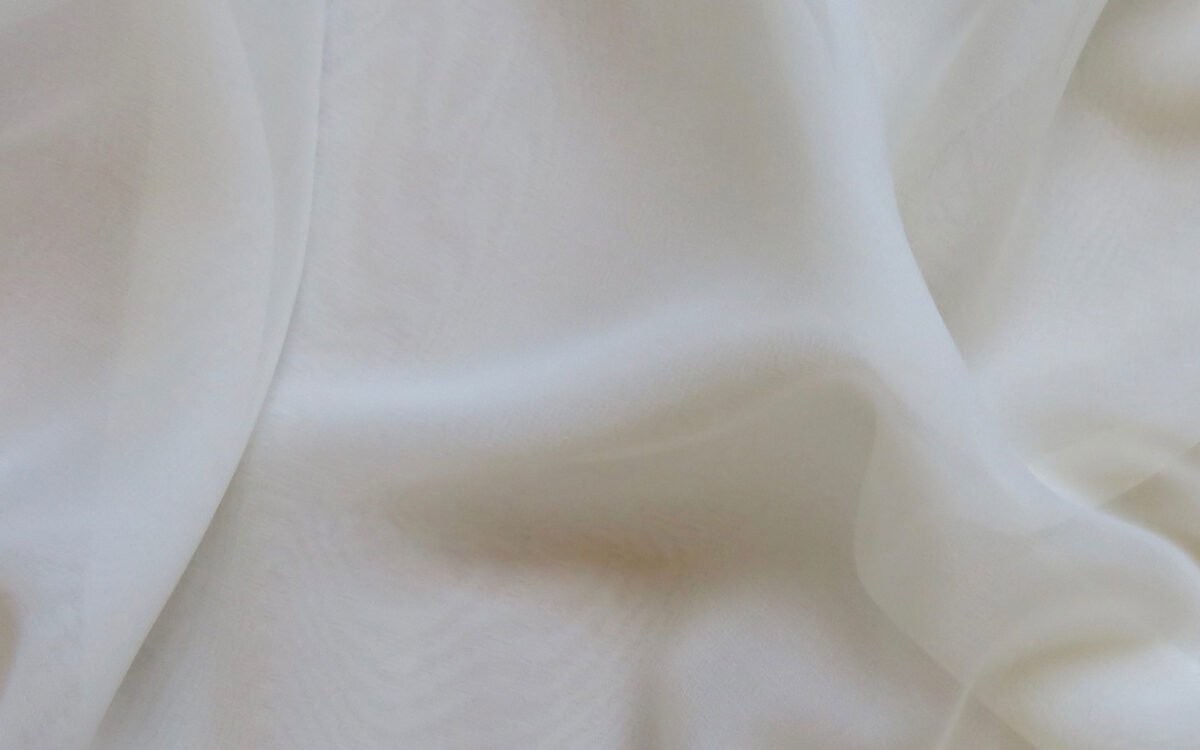
Silk chiffon fabric — ultra-lightweight, sheer, and fluid. This guide covers silk chiffon types, momme specifications, production considerations, and wholesale sourcing for evening wear, bridal, and luxury garment manufacturers.
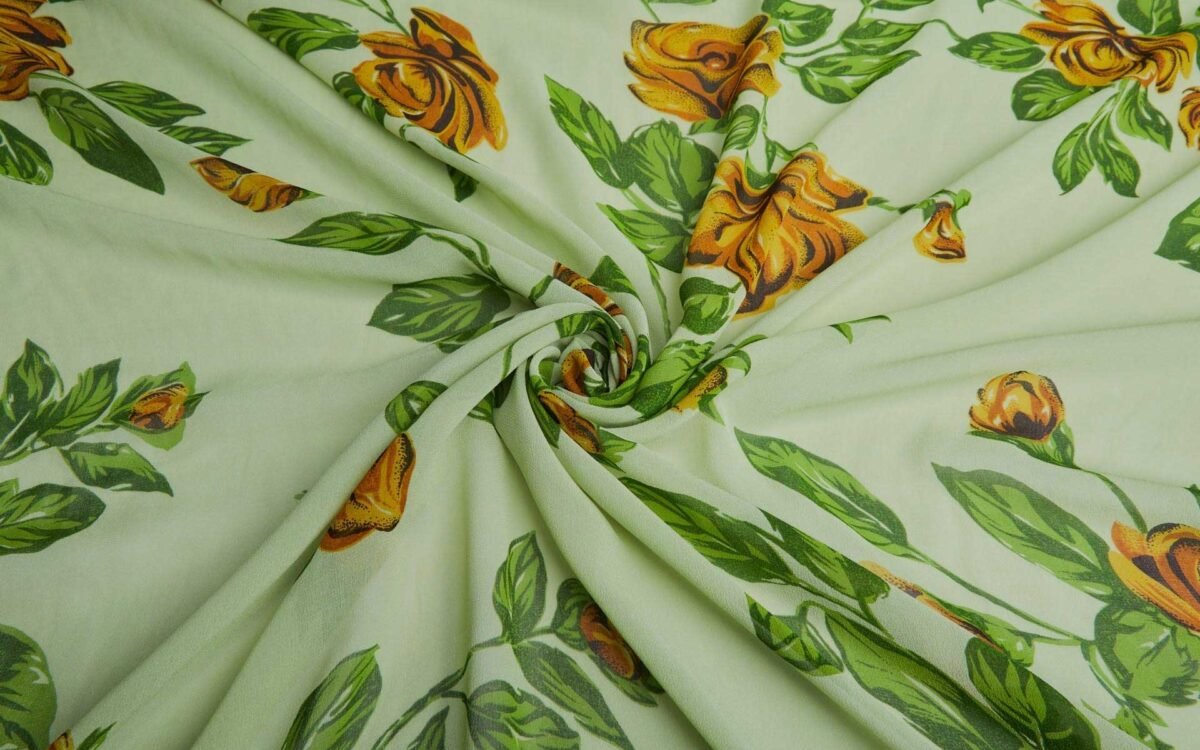
Chiffon is a favorite among designers for its airiness and grace, but its delicate nature requires specialized knowledge to handle correctly. From the sewing machine to the wardrobe, working with a chiffon fabric dress or intricate chiffon ribbon demands precision. Whether you are working with high-end printed silk chiffon or durable synthetics, following professional best practices ensures your designs maintain their integrity and beauty over time.
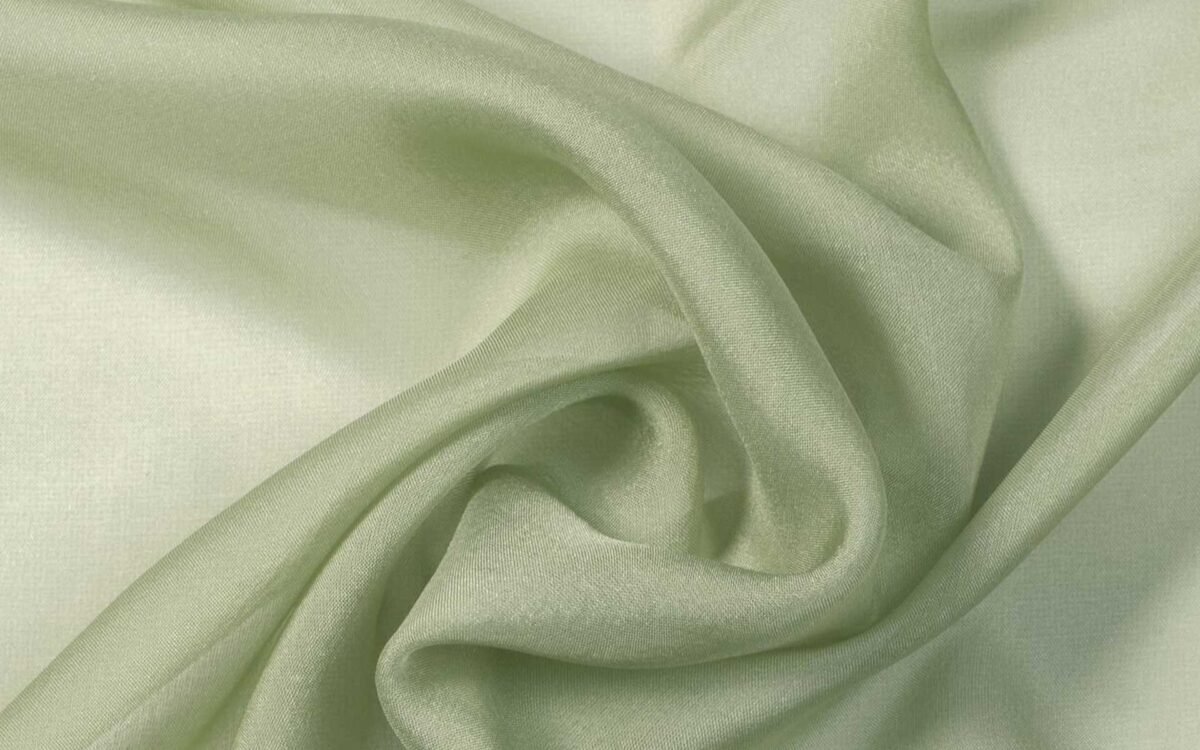
When sourcing chiffon for a collection, the most critical decision a designer faces is the fiber content. While the weave remains the same, the difference between silk chiffon fabric and polyester chiffon fabric determines the garment's price point, durability, and luxury appeal.
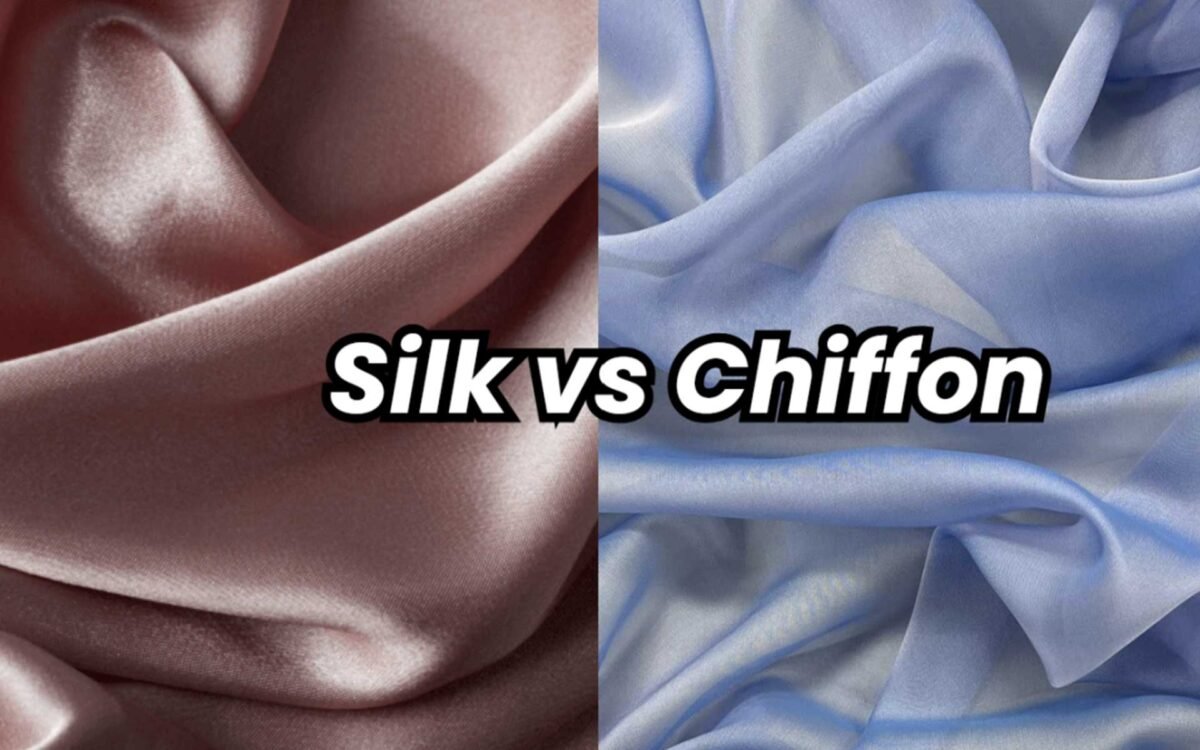
In the world of textiles, few fabrics evoke the same sense of elegance and ethereal beauty as chiffon. Whether it’s flowing down a red carpet or adding a delicate layer to home decor, chiffon is a staple for designers who prioritize drape and transparency. However, for many buyers, the technicalities of this fabric can be confusing.
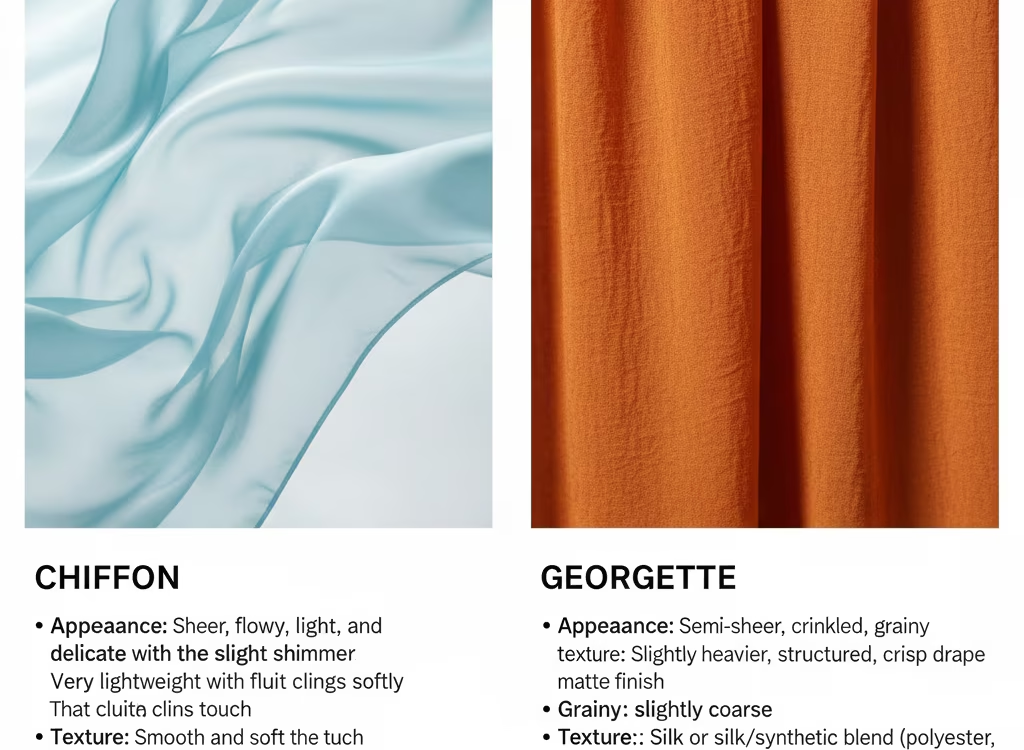
Can polyester replace silk? Explore the luxury side of synthetics with our guide to polyester satin, chiffon, and georgette. High-end looks with machine-washable ease.
Recent News
What is rayon / viscose fabric? A complete guide to regenerated cellulosic fiber — how it's made, types (viscose, modal, lyocell), properties, vs cotton vs polyester, and environmental impact.
What is modal fabric? A complete guide to beechwood-based cellulosic fiber — how it's made, modal vs cotton vs viscose, properties, uses, and environmental impact. From a textile manufacturer.
What is linen fabric? A complete guide to natural flax textile — how it's made, line vs tow linen, properties, uses, sustainability, and how to care for it. From a textile manufacturer.
What is microfiber fabric? A complete guide to ultra-fine fiber technology — how it's made, types of microfiber (suede, performance, cleaning), properties, and applications. From a textile manufacture ...
Polyester is a versatile synthetic fiber made from PET (or recycled rPET), featuring excellent durability and wrinkle resistance; available in multiple types and blends for uniforms, sportswear, home ...
Tetron and Terylene are the two that have survived as generic terms in their respective markets. In Pakistan, India, Bangladesh, Sri Lanka, and the Middle East, "Tetron" is widely understood to mean ...
TR fabric polyester-viscose vs 100% cotton — a side-by-side comparison of hand feel, breathability, wrinkle resistance, durability, shrinkage, and cost per wear. Which one should you choose?
Where to buy 100% cotton material for your clothing line. Compare mills, wholesalers, and online sources. Learn how to evaluate cotton quality, grades, and pricing. A practical guide for brands and de ...
How to source fabric for a clothing line — from spec creation and supplier selection to sample testing, MOQ negotiation, and quality control. A practical guide from a fabric manufacturer.
White fabric yellowing explained by a textile manufacturer. Oxidative yellowing, OBA depletion, deodorant stains, storage off-gassing, and detergent residue. What actually works to prevent it.
Batik boucle fabric Burlap Fabric canvas fabric Chenille Chiffon Cotton Damask Elastane Faux fur Fleece Fabric Gabardine Fabric Gingham Jacquard linen Lycra lyocell fabric Merino Wool Modal Fabric Muslin Nylon organza Polar Fleece Fabric Polyester Poplin Rayon Fabric Satin Weave Silk Fabric spandex Taffeta tartans Tencel Terry Cloth tulle fabric Twill Fabric Upholstery Fabric velvet fabric Viscose Waterproof Fabric Wool