
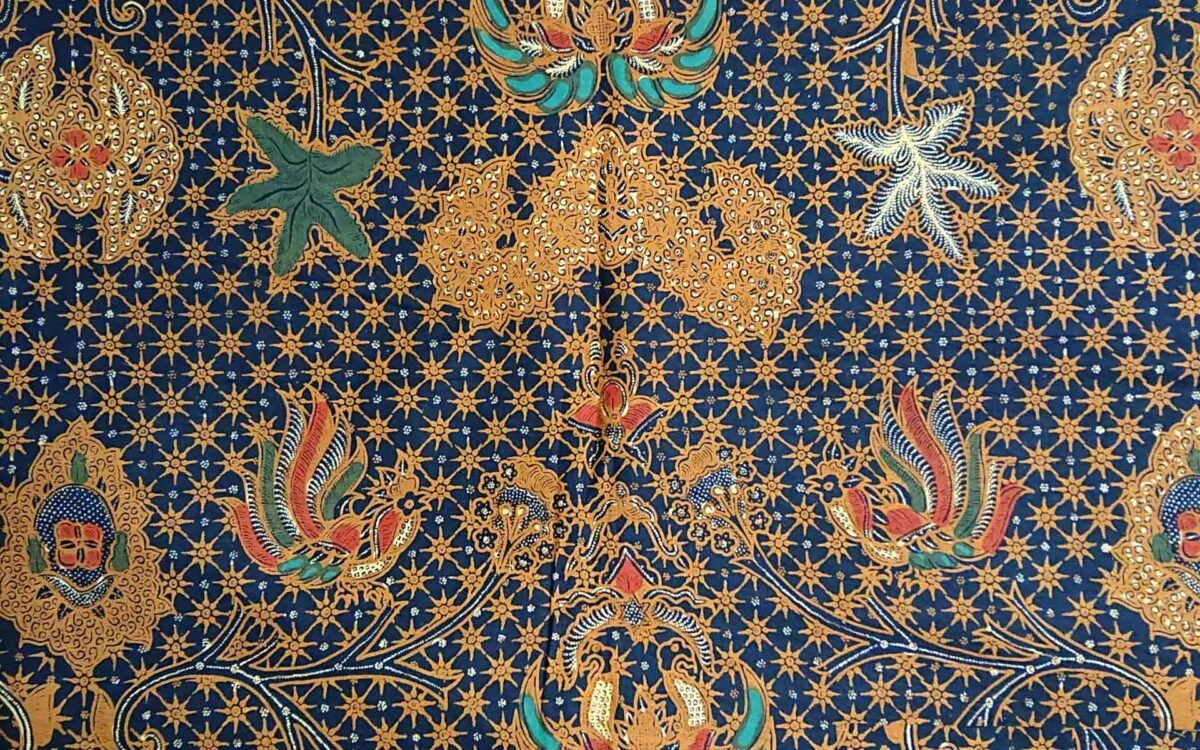
Batik is more than just fabric—it's a living tradition that carries centuries of history, artistry, and cultural identity. Across Southeast Asia, batik patterns and techniques vary widely, reflecting local histories, beliefs, and aesthetics. In this guide, we explore the unique characteristics of Indonesian batik, Malaysian batik, and minority styles like Hmong batik, helping enthusiasts and collectors understand what makes each style distinctive.
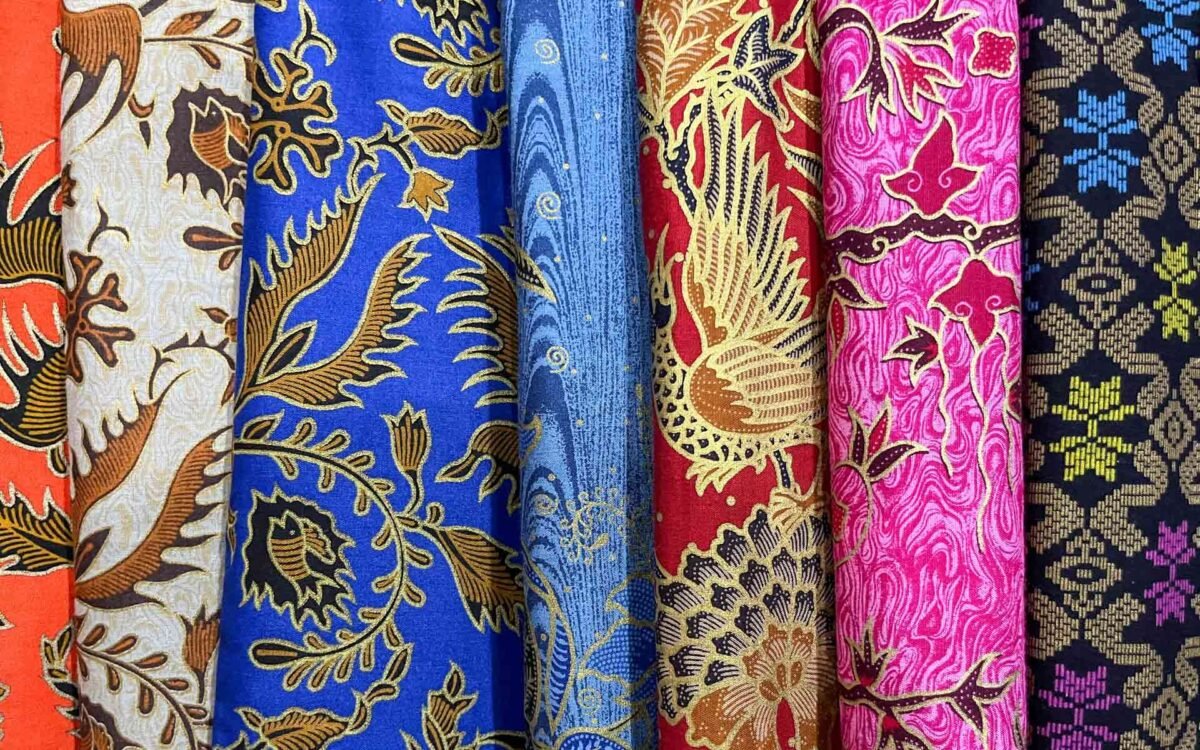
Batik fabric is a type of textile created using a traditional wax-resist dyeing technique. In this process, hot wax is applied to specific areas of the fabric to prevent dye from penetrating, resulting in intricate patterns and layered colors. Originating from Indonesia, batik is widely recognized for its artistic value, cultural significance, and handcrafted uniqueness. Today, batik fabric is used in fashion, home décor, and textile design around the world.
Recent News
Learn how to choose the right fabric for clothing — fiber composition, GSM, weave structure, and functional finishes explained for fashion designers, clothing brands, and small-batch garment buyers so ...
Is twill fabric comfortable? Yes — and it's one of the most widely used constructions in garment manufacturing. This guide covers twill fabric properties, GSM ranges, fiber composition options, applic ...
Viscose is breathable. But if you're sourcing for a uniform contract, that fact alone will cost you money. Here's what every procurement manager needs to know before specifying viscose at scale.
Is spandex stretchable? Yes — spandex can stretch up to 5–8 times its original length. This guide explains how spandex works in garment production, how much spandex to specify, and how to source stret ...
Is nylon fabric breathable? The answer depends on construction and finish — not just fiber type. This guide explains nylon breathability, how it compares to other fibers, and how to source wholesale n ...
Is rayon stretchy? Pure rayon has minimal natural elasticity — but rayon fabrics can be engineered for stretch through construction and blending. This guide covers rayon stretch properties, blend opti ...
Is viscose a natural fiber? No — viscose is semi-synthetic, but its cellulose origin gives it properties no synthetic fiber can match. This guide covers viscose fiber classification, sustainability cr ...
Is polyester stretchy? Pure polyester has minimal natural elasticity — but polyester fabrics can be engineered for significant stretch through construction and blending. This guide covers polyester st ...
What is a twill suit? A suit made from twill-woven fabric — the most widely used construction in global suit and formal trouser production. This guide covers twill suit fabric types, GSM specification ...
What type of fabric is twill? Twill is a weave structure — not a fiber — used across cotton, polyester, TR, TC, wool, and nylon fabrics. This technical guide covers twill weave mechanics, construction ...
Batik boucle fabric Burlap Fabric canvas fabric Chenille Chiffon Cotton Damask Elastane Faux fur Felt Fleece Fabric Gabardine Fabric Gingham Jacquard linen Lycra lyocell fabric Merino Wool Modal Fabric Muslin Nylon organza Polar Fleece Fabric Polyester Poplin Rayon Fabric Satin Weave Silk Fabric spandex Taffeta tartans Tencel Terry Cloth tulle fabric Twill Fabric Upholstery Fabric velvet fabric Viscose Waterproof Fabric Wool