
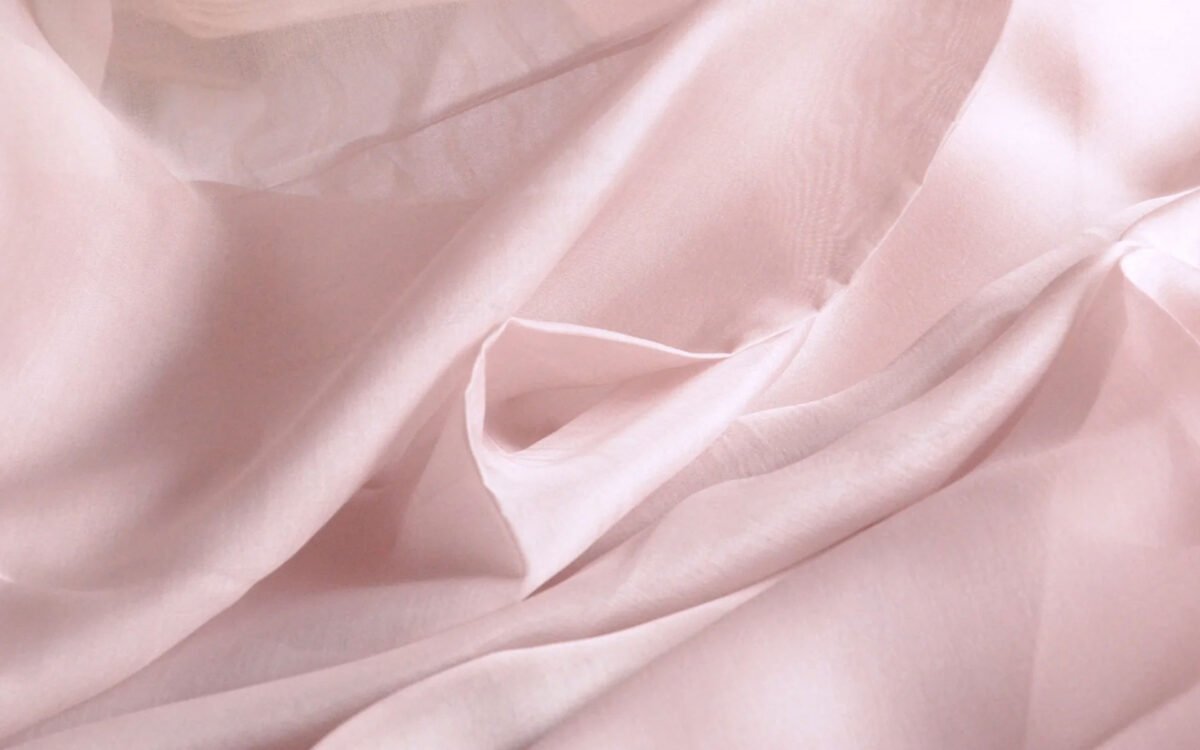
Silk Organza Fabric: Properties, Types & Wholesale Sourcing Guide for Garment Manufacturers
Silk organza fabric — sheer, crisp, and structured. This guide covers silk organza types, momme specifications, production considerations, and wholesale sourcing for bridal, evening wear, and luxury garment manufacturers.
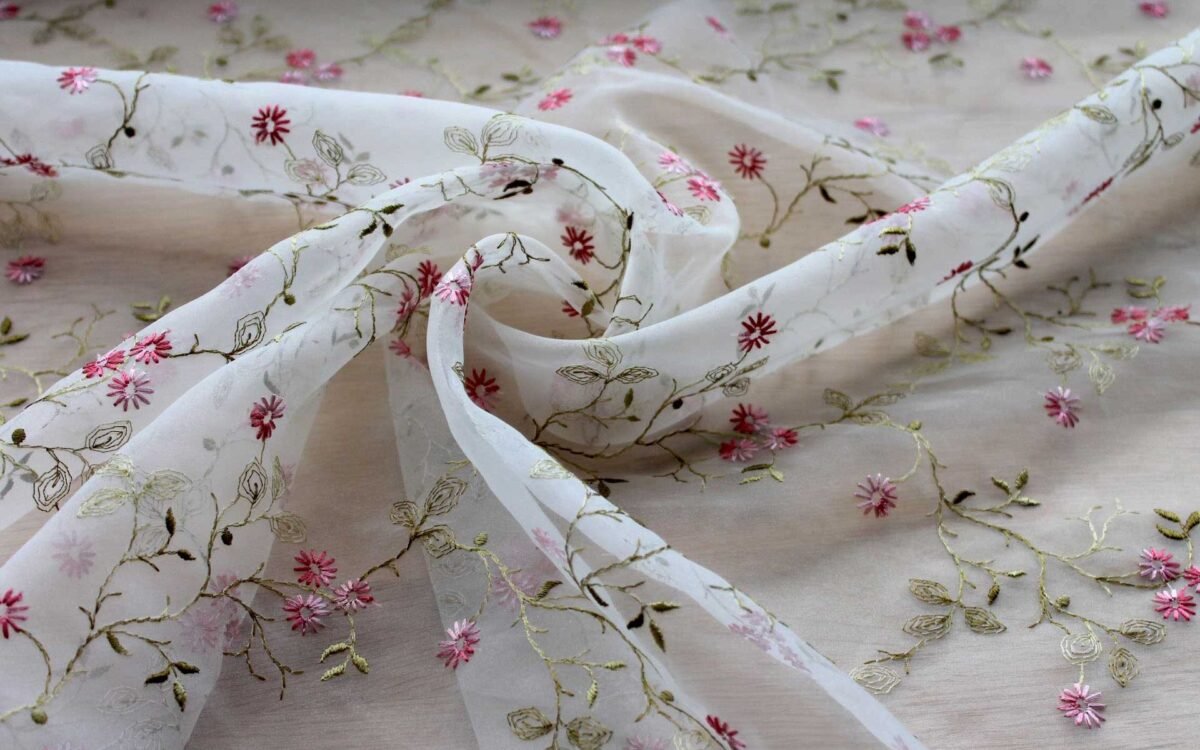
Embroidered Organza Fabric: Types, Specifications & Wholesale Sourcing Guide for Manufacturers
Embroidered organza fabric — machine embroidery, sequin, beadwork, and silk embroidered organza for bridal, evening wear, and luxury garments. This guide covers types, GSM specifications, and wholesale sourcing for garment manufacturers and fabric buyers.
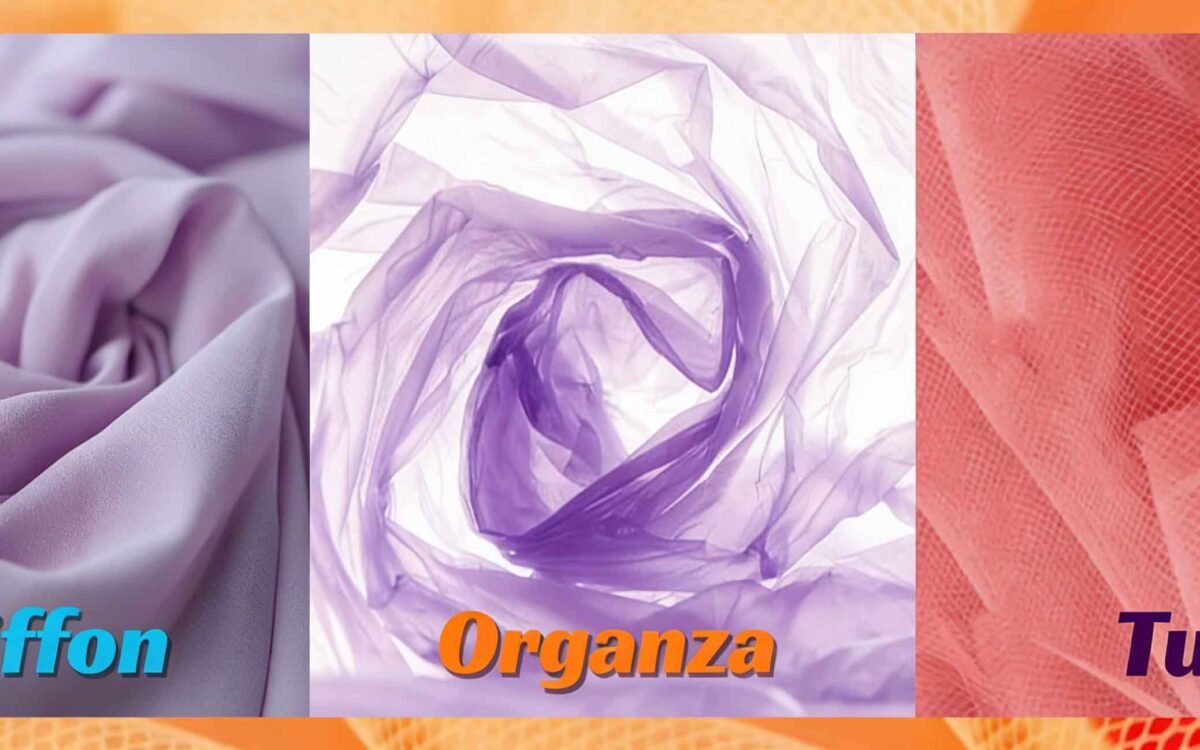
Organza vs Tulle vs Chiffon: Which Sheer Fabric Should You Choose?
Organza, tulle, and chiffon — three sheer fabrics used in bridal and evening wear, but with completely different structures. This guide compares all three to help garment manufacturers and fabric buyers specify the right fabric for their application.
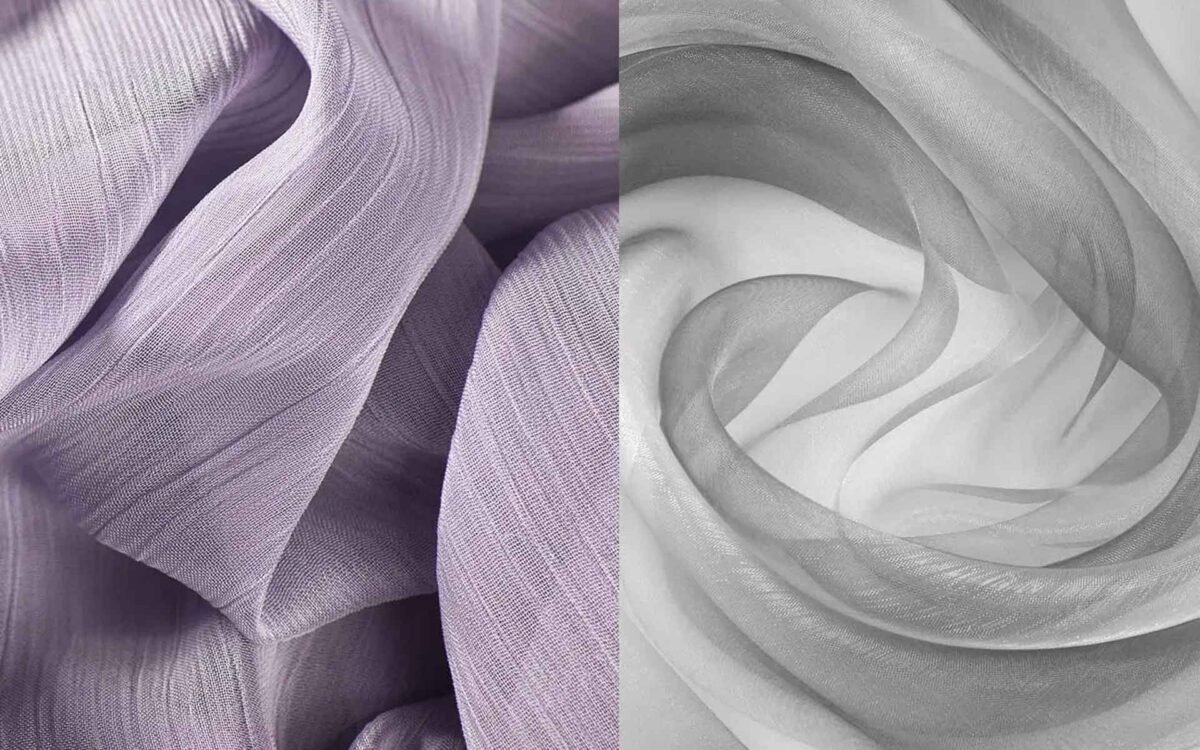
Organza vs Chiffon: Which Fabric Should You Choose? A Guide for Garment Manufacturers
Organza vs chiffon — which is right for your garment? This guide compares organza and chiffon by structure, drape, applications, and production behavior to help garment manufacturers and fabric buyers specify the correct fabric for their design.
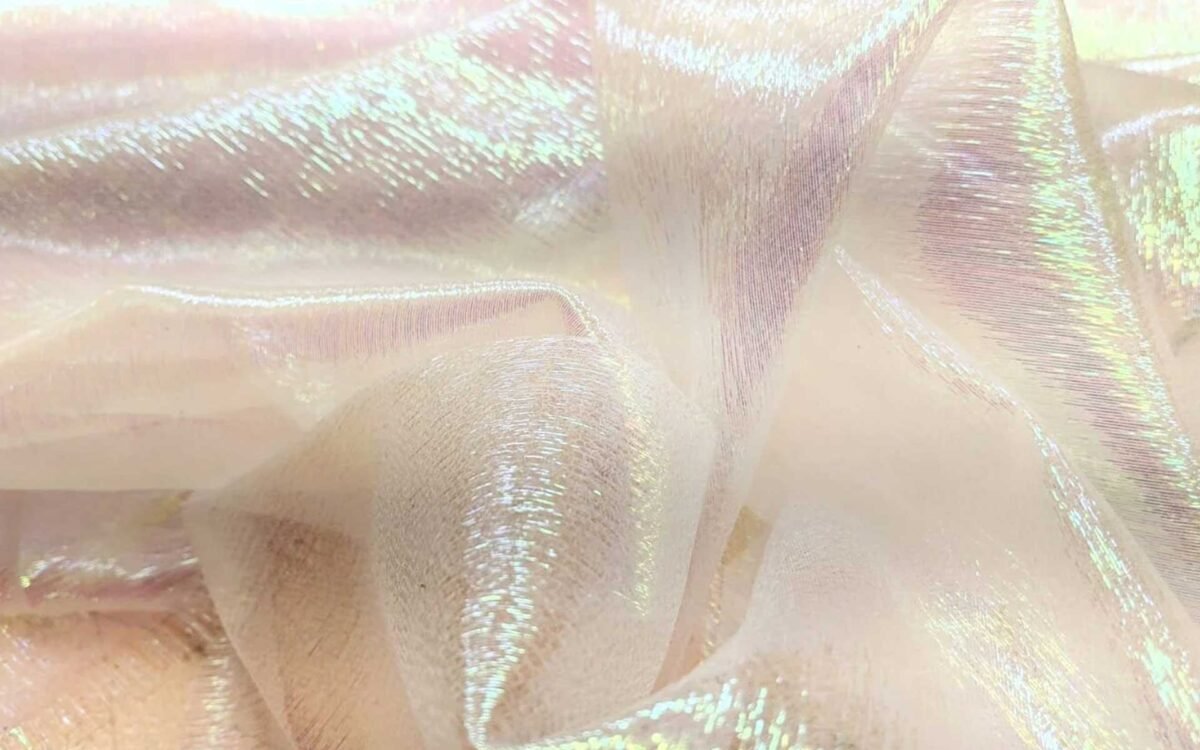
Iridescent Organza Fabric: Types, Colors & Wholesale Sourcing Guide for Manufacturers
Iridescent organza fabric — also called shot organza — shifts color depending on viewing angle. This guide covers iridescent organza types, color combinations, GSM specifications, and wholesale sourcing for bridal, evening wear, and costume manufacturers.
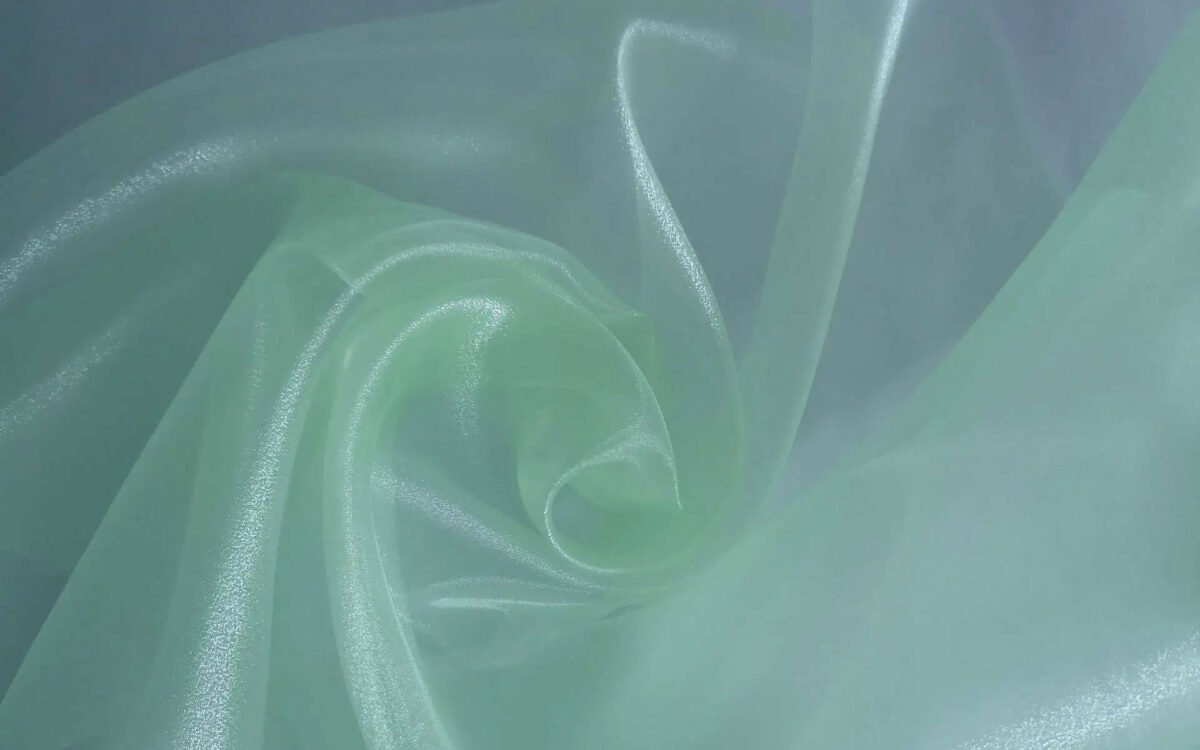
What Is Organza Fabric? A Complete Guide
What is organza fabric? Organza is a sheer, crisp plain weave fabric available in silk and polyester — used in bridal, evening wear, and home textiles. This guide covers organza types, properties, applications, and wholesale sourcing for garment manufacturers.
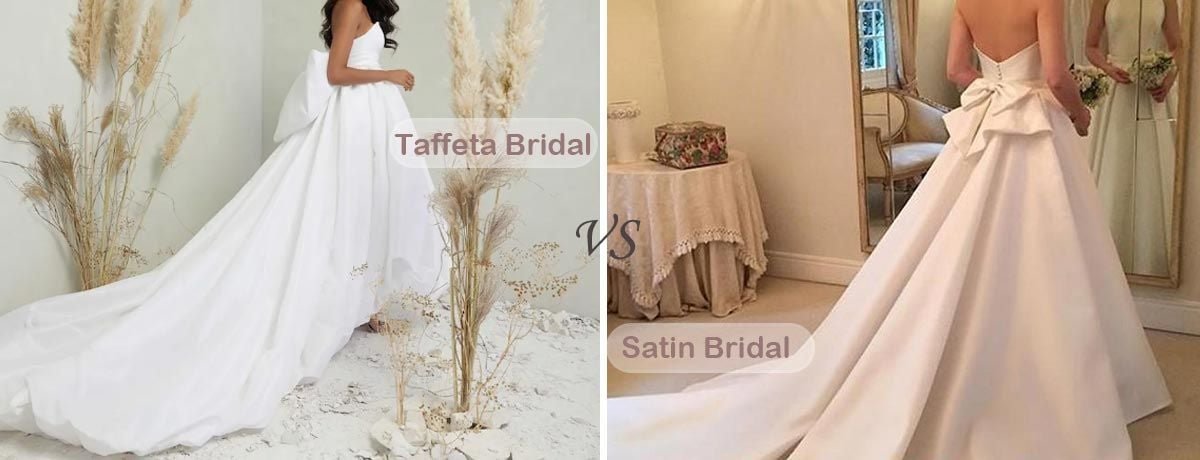
Taffeta vs Satin vs Organza: Which Fabric is Best for Your Occasion?
When choosing fabrics for formal clothing, wedding dresses, evening gowns, or event decorations, three materials often come up: taffeta, satin, and organza. While they may look similar at first glance, their texture, shine, structure, and durability are very different. Understanding the differences between taffeta vs satin, taffeta fabric vs satin, and organza fabric will help designers, DIY sewers, and buyers choose the right fabric for their project. This guide compares these fabrics in term ...
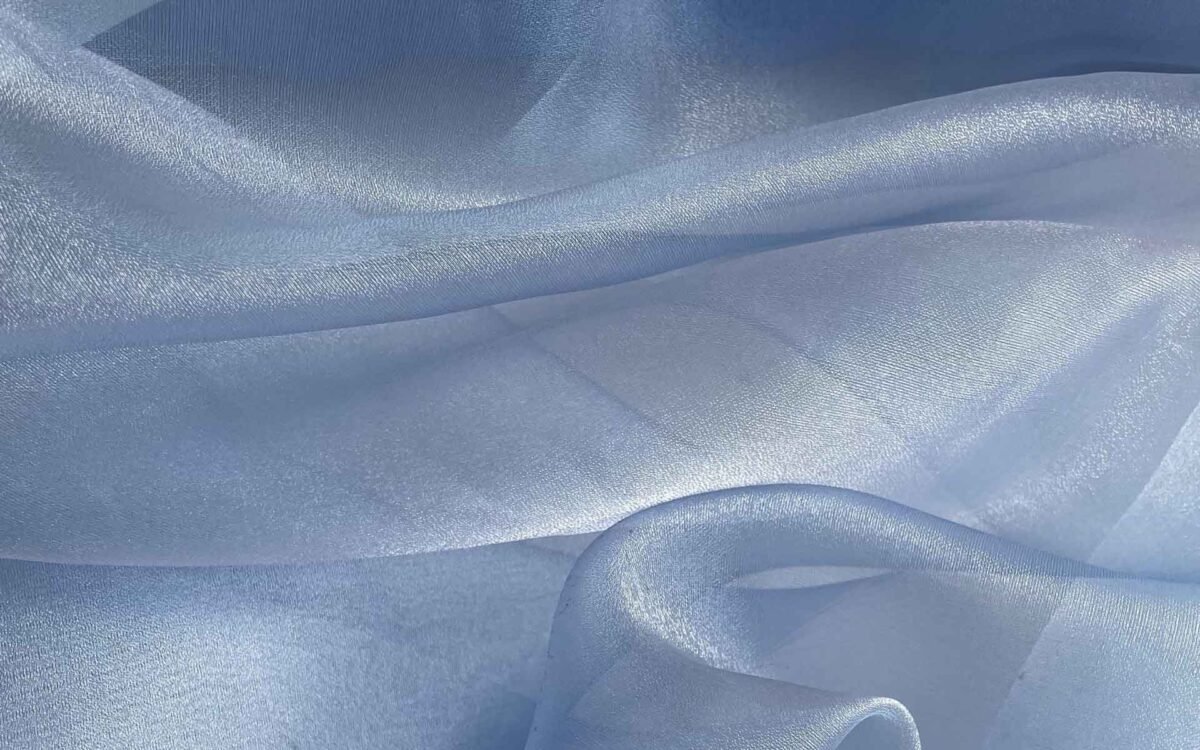
Tulle vs Organza: Which Fabric Should You Choose for Your Project?
When working with sheer fabrics, two materials often appear at the top of the list: tulle and organza. At first glance they may seem similar—both are lightweight, transparent, and commonly used in formal fashion. However, their structure, texture, and performance are very different. Understanding the difference between tulle fabric and organza fabric can help designers, DIY creators, and fashion enthusiasts choose the right material for their projects.