
- Fabrics
By Fiber Content
- Polyester / Viscose Fabric (TR Series) TR suiting fabrics
- ——TR Fabric
- ——TR Spandex Fabric
- ——TR Wool Blend Fabric
- ——Cationic TR Fabric
- Polyester & Cotton Fabric (TC Series)
- ——Polyester Fabric (T)
- ——Cotton Fabric (C)
- ——Polyester / Cotton Fabric (TC Fabric)
- ——TC with Spandex (TC+S)
- Polyester plaid fabric
- Thobe fabric
- Microfiber Fabric
- Linen / Flax Fabric
- Nylon / Polyamide Fabric
- Modal Fabric
- 100% Rayon Fabric
- Applications
Apparel Fabrics
- Fabric for Leggings
- Fabric for Suits
- Fabric for Workwear
- Fabric for Uniforms
- Pocketing Fabric
- Fabric for Shirts
- Fabric for Dresses
- Fabric for T-shirts
- Fabric for Trousers
- Fabric for Sportswear
- Fabric for Activewear
- Fabric for Underwear
- Fabric for Denim
- Fabric for Outerwear
- Fabric for Lining
- Fabric for Sleepwear
- Fabric for Aprons
- Fabric for Vests
- Fabric for Kids / Baby
- Fabric for Trench Coats
- Fabric for Rainwear
- Fabric for Swimwear
- Fabric for Shoes
- Fabric for Board Shorts
Home Textile Fabrics
Industrial & Technical Fabrics
- Functional Fabrics
Protection & Safety
- Custom Solutions
- News
- Who We Are
- Contact Us
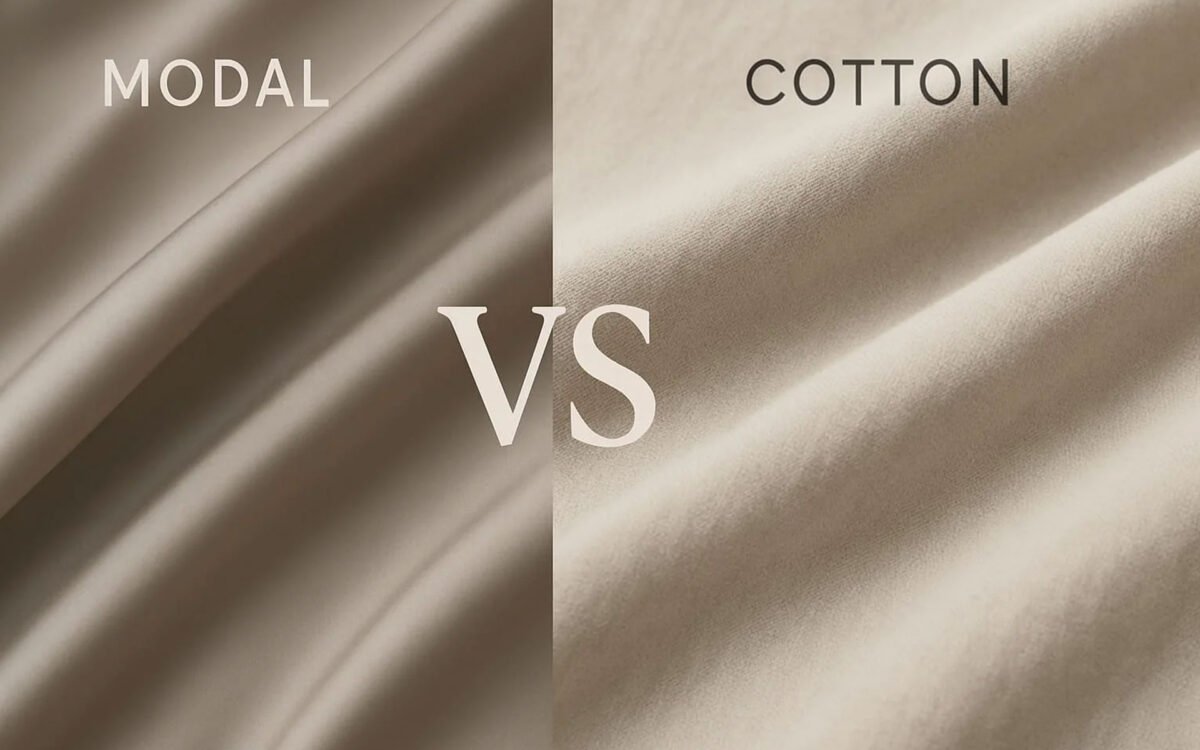
Modal vs. Cotton: Which Fabric is Actually Better for Your Lifestyle?
Struggling to choose between Modal and Cotton? While both are beloved for their comfort, they perform differently in terms of durability, breathability, and skin sensitivity. This deep dive compares the silky drape of Modal against the classic structure of Cotton to help you decide which fabric truly fits your lifestyle and wardrobe needs.
Recent News
Fabric Shrinkage: What Causes It and How to Prevent It
Discover the causes of fabric shrinkage and effective prevention methods. Learn about fiber types, fabric construction, processing techniques, and care tips to keep your garments fitting perfectly.
How to Test Fabric Quality Before Ordering: A Comprehensive Guide
Learn how to test fabric quality before ordering with expert tips on fiber content, weight, strength, colorfastness, and finishing to ensure your bulk fabric meets the highest standards.
Fabric Weight Guide: Lightweight vs Midweight vs Heavyweight
Discover the ultimate Fabric Weight Guide: Lightweight vs Midweight vs Heavyweight. Learn how to measure fabric weight, understand gsm and oz, and choose the right fabric for your sewing and design pr ...
Best Fabric for Sportswear: A Comprehensive Guide to Choosing the Perfect Material
Discover the best fabric for sportswear with our comprehensive guide. Learn about top materials like polyester, nylon, spandex, and sustainable options to boost your performance and comfort.
Best Fabric for Thobes: Your Ultimate Guide to Choosing Comfort and Style
Discover the best fabric for thobes with our expert guide. Learn about cotton, linen, blends, and luxury fabrics to choose the perfect thobe for comfort, style, and climate.
Best Fabric for Hospitality Uniforms: A Comprehensive Guide for Procurement and Comfort
Discover the best fabric for hospitality uniforms that balances durability, comfort, and style. Learn about top fabric blends, performance features, and procurement tips for lasting, professional unif ...
Best Fabric for Chef Uniforms: The Ultimate Guide to Comfort, Durability, and Performance
Discover the best fabric for chef uniforms that balances comfort, durability, and hygiene. Learn about top fabric blends, weave types, and maintenance tips to keep your chef coat sharp and functional.
Best Fabric for School Uniforms: A Comprehensive Guide for 2026
Discover the best fabric for school uniforms in 2026. Learn about polyester-cotton blends, 100% cotton, polyester, and more to find durable, comfortable, and easy-care materials ideal for any climate.
The Ultimate Guide to Choosing the Warm Fabric for Winter: Stay Cozy and Stylish
Discover the best warm fabric for winter with our comprehensive guide. Learn how to layer effectively, compare top winter fabrics like wool, fleece, and down, and stay warm no matter the cold.
What Is the Safest Fabric to Wear?
Discover what is the safest fabric to wear with our in-depth guide on non-toxic, skin-friendly fabrics. Learn about natural fibers, semi-synthetics, certifications, and tips for building a healthy war ...
Tag
Batik boucle fabric Burlap Fabric canvas fabric Chenille Chiffon Cotton Damask Elastane Faux fur Fleece Fabric Gabardine Fabric Gingham Jacquard linen Lycra lyocell fabric Merino Wool Modal Fabric Muslin Nylon organza Polar Fleece Fabric Polyester Poplin Rayon Fabric Satin Weave Silk Fabric spandex Taffeta tartans Tencel Terry Cloth tulle fabric Twill Fabric Upholstery Fabric velvet fabric Viscose Waterproof Fabric Wool