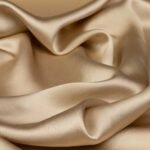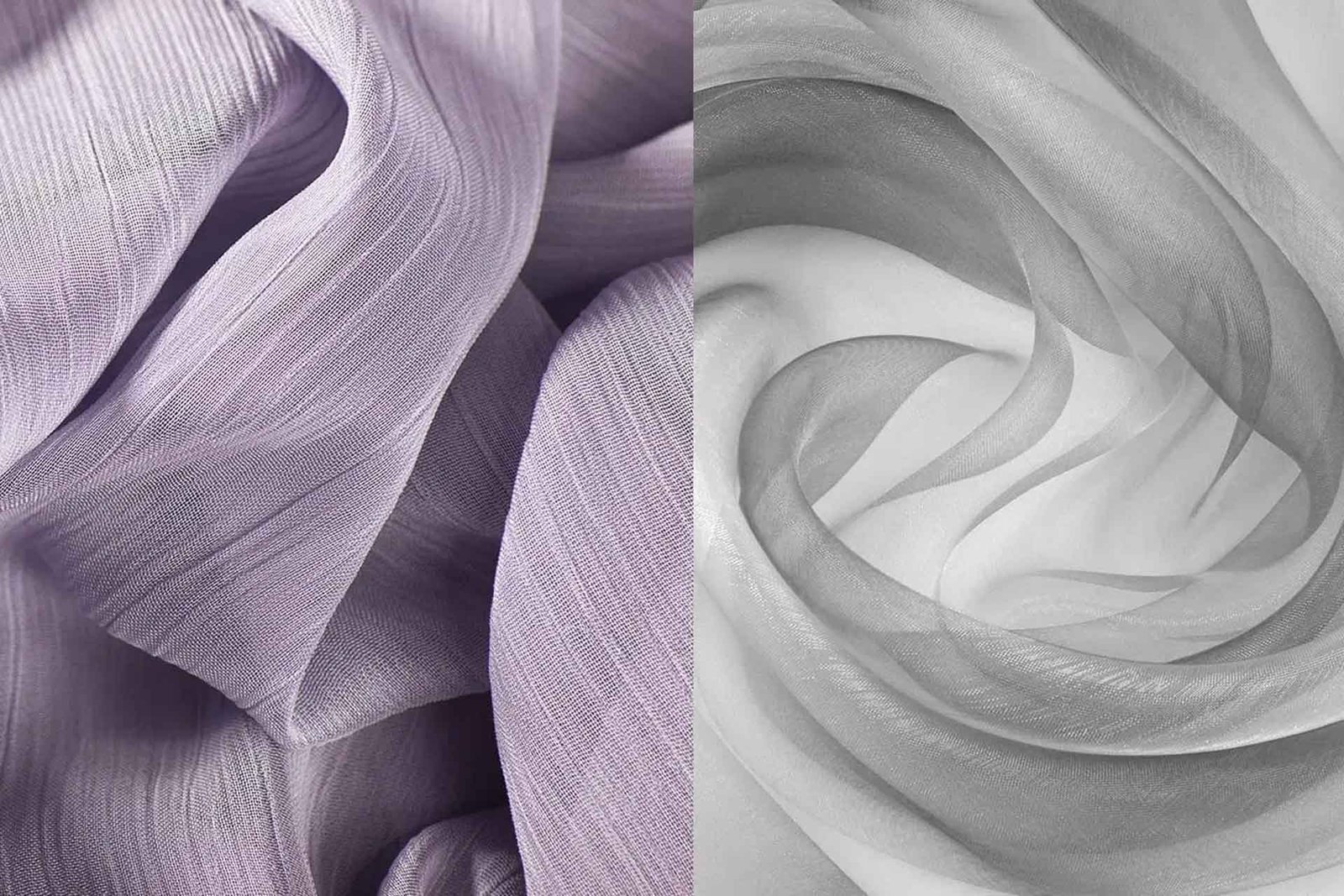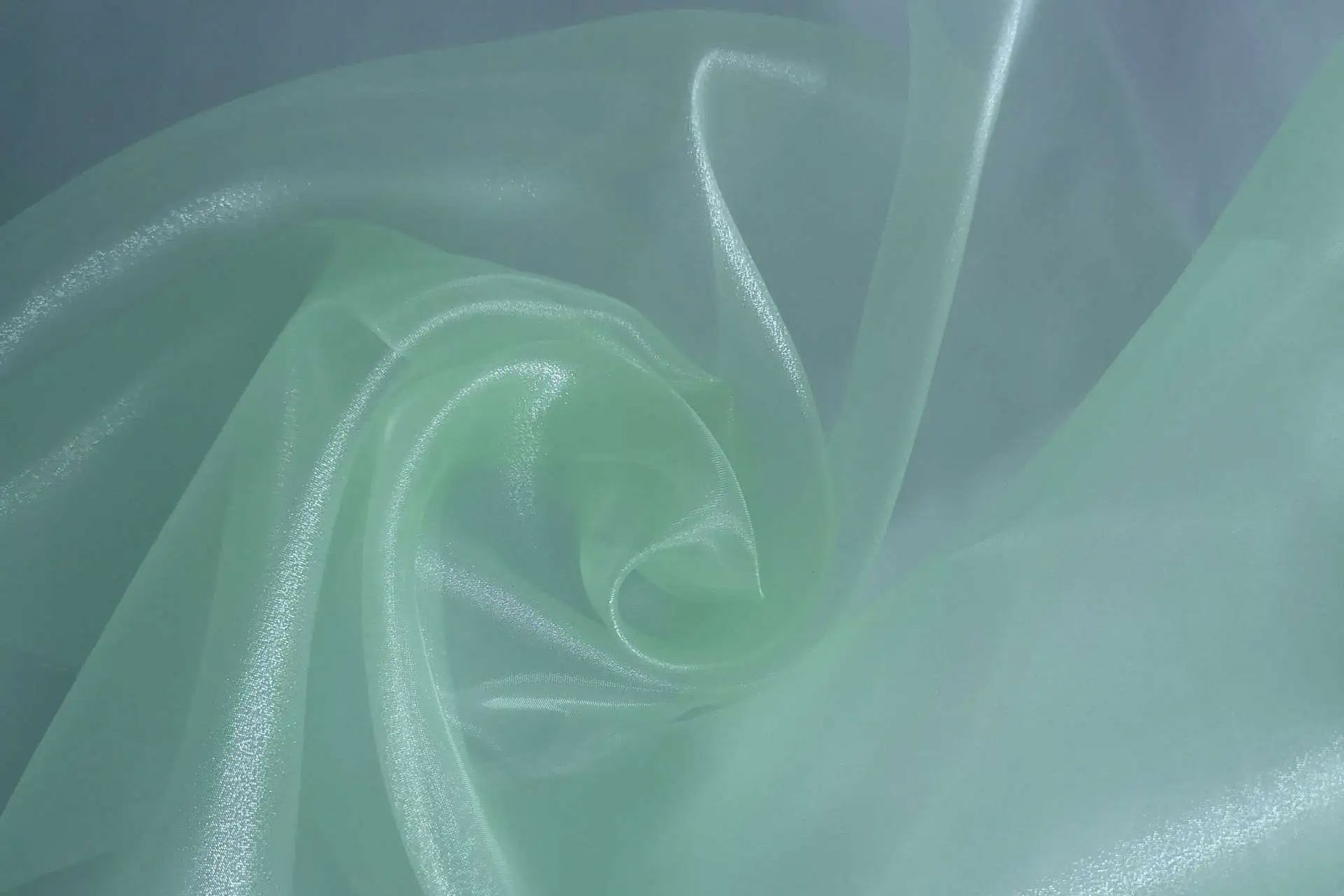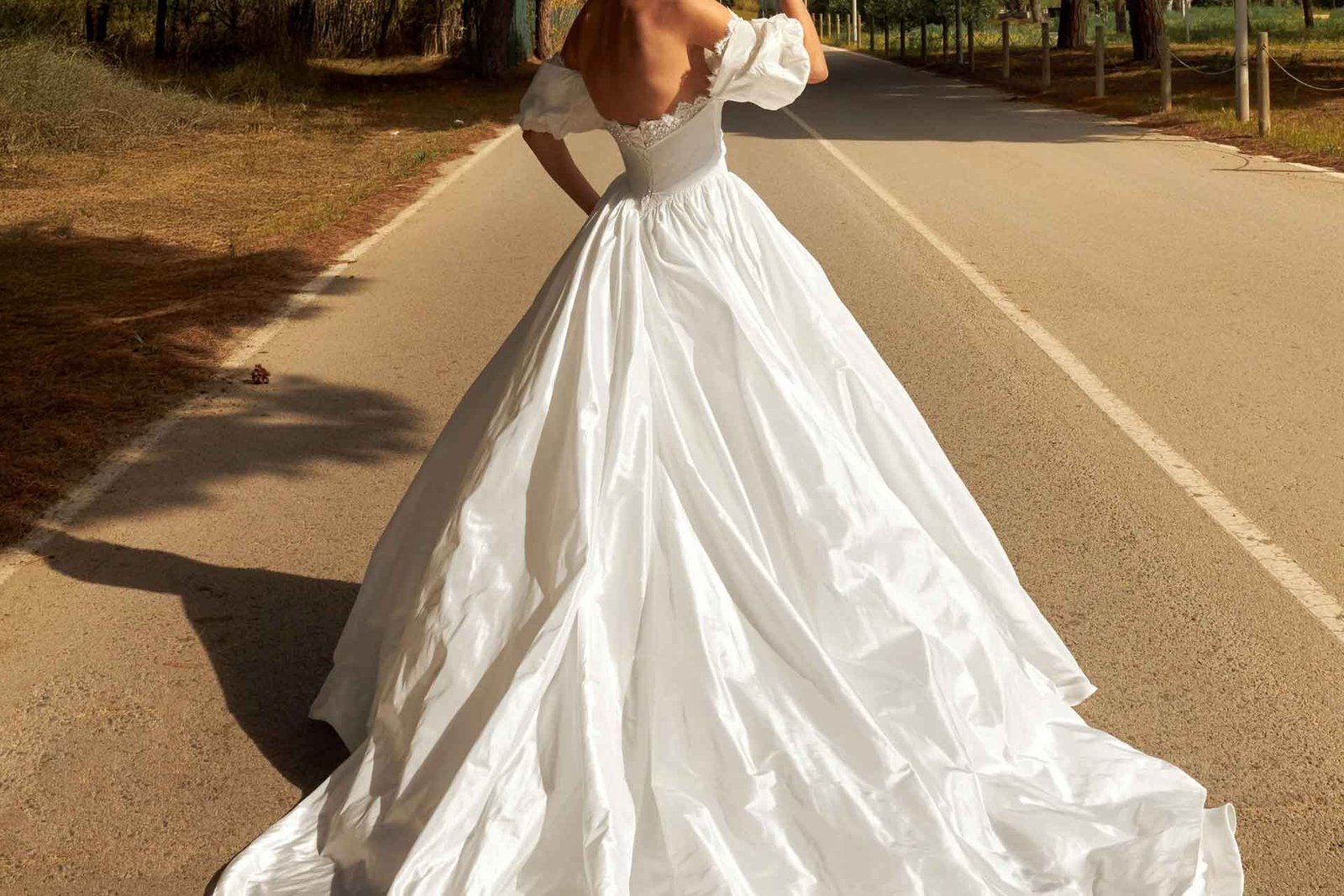
Silk taffeta is a crisp, smooth plain weave silk fabric with a characteristic stiff hand feel, high luster, and distinctive rustling sound — the fabric that creates the sweeping volume of traditional ball gowns, the structured bodices of couture evening wear, and the architectural silhouettes of formal occasion garments. Unlike silk chiffon's fluid drape or charmeuse's liquid flow, silk taffeta holds its shape firmly, creates volume through its own structural rigidity, and produces a dramatic visual presence that heavier, softer fabrics cannot replicate. This guide covers silk taffeta fabric types, momme specifications, production considerations, and wholesale sourcing for manufacturers specifying silk taffeta for bridal, evening wear, and luxury garment production.
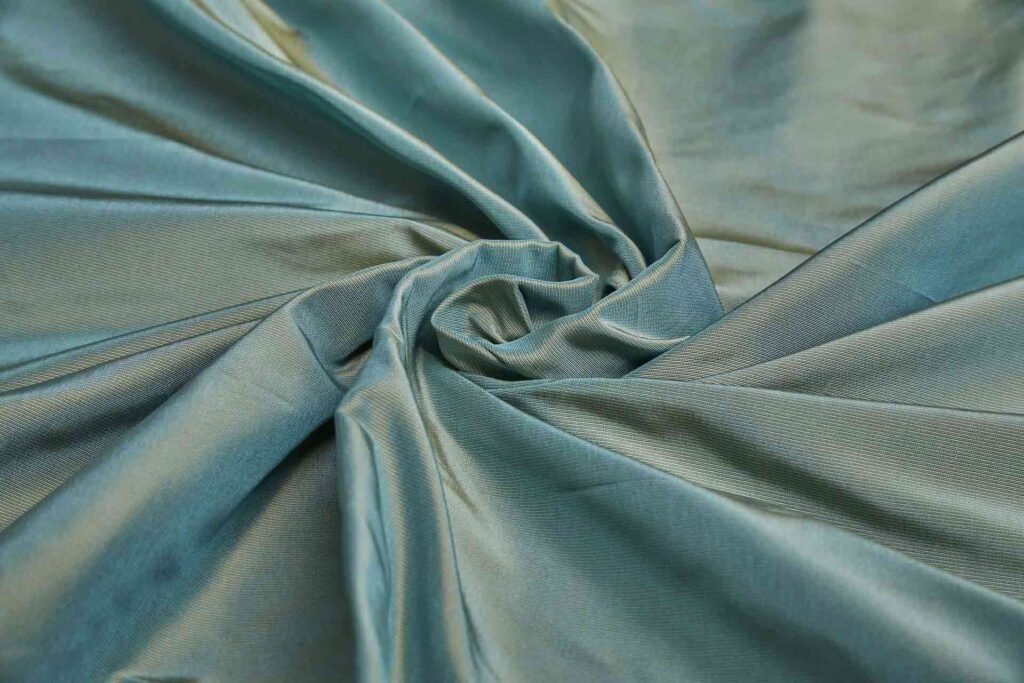
silk taffeta fabric
What Makes Silk Taffeta Unique — Construction and Properties
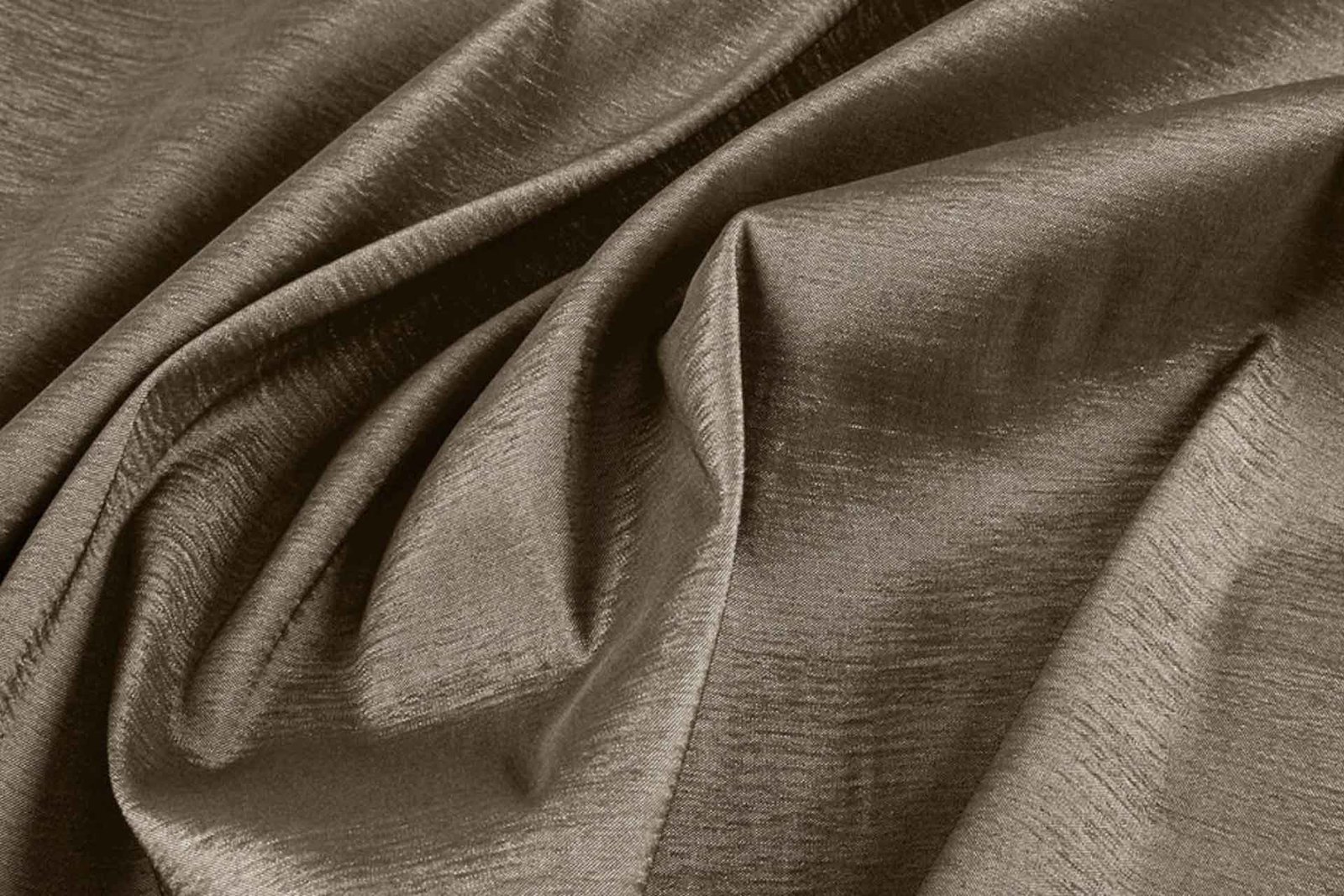
Silk taffeta is produced from tightly twisted silk yarn woven in a plain weave at high thread count — similar to organza in its construction approach, but woven more densely and at heavier momme weights that produce an opaque rather than sheer fabric. The combination of high yarn twist, dense plain weave, and heavier momme creates taffeta's defining characteristics.
Crisp, papery hand feel. The high-twist yarn and dense weave produce a fabric that is stiff and resilient against pressure — it springs back when compressed rather than yielding softly. This crispness is the structural foundation of taffeta's ability to hold volume and create precise silhouette lines without support.
High luster with smooth surface. Unlike dupioni's textured slub surface or chiffon's matte grainy surface, silk taffeta has a uniformly smooth face that reflects light consistently across its entire surface. The luster of silk taffeta is high and directional — the fabric appears to glow from within under stage lighting, making it the fabric of choice for performance costumes and theatrical garments alongside formal fashion.
Distinctive scroop and rustle. Silk taffeta produces the most pronounced scroop of any silk fabric — the characteristic rustling sound caused by friction between silk filaments is audible with every movement of the garment. This sound has historically been associated with luxury and formality — the 'sound of silk' that synthetic taffeta cannot replicate convincingly.
Volume without weight. Silk taffeta creates dramatic volume through structural rigidity rather than through heavy fabric weight — a full ball gown skirt in silk taffeta holds its shape through the fabric's own stiffness rather than through underlining or crinoline. This volume-without-weight property is what makes silk taffeta irreplaceable in structured formal garment production.
Types of Silk Taffeta
Plain Silk Taffeta The standard construction — uniform plain weave with no surface embellishment in a single color. Available from lightweight 15mm through standard 20mm to heavier constructions. Plain taffeta in custom colors is the base specification for most structured bridal and evening wear applications.
GSM range: 65–108 GSM (15–25 momme). Best for: ball gown skirts, structured bodices, formal occasion wear, stiffened accessories, theatrical costumes.
Shot Silk Taffeta (Two-Tone / Iridescent) Produced using warp and weft threads in different colors — the smooth, uniform surface of taffeta amplifies the iridescent color-change effect more dramatically than dupioni because there are no slubs to interrupt the color play. Shot taffeta appears to shift between two colors depending on viewing angle and light direction — one of the most visually spectacular fabric effects available in commercial silk production.
Best for: statement evening wear, fashion garments where maximum color-play impact is the design brief, theatrical and performance costumes, luxury accessories.
Printed Silk Taffeta Plain taffeta base with digital or screen print. The smooth, high-luster surface of taffeta produces exceptionally vivid print colors — the luster of the base fabric amplifies color saturation in ways that matte fabrics cannot. Printed silk taffeta is used in luxury fashion garments where the combination of taffeta structure and vivid print design is the product differentiator.
Best for: fashion garments, luxury scarves, structured printed occasion wear.
Yarn-Dyed Taffeta Taffeta produced from pre-dyed yarn — provides superior color fastness and depth compared to piece-dyed fabric. Particularly effective for shot taffeta two-tone effects where precise color control of warp and weft components is required.
Best for: premium garments with maximum color fastness requirements, high-specification two-tone effects.
Crushed Silk Taffeta Permanently crinkled through mechanical or chemical treatment — the taffeta base provides structural body while the crush treatment adds irregular surface texture. Crushed taffeta has slightly less stiffness than standard taffeta but retains the characteristic rustling sound and luster.
Best for: fashion garments where a less formal, more textured taffeta aesthetic is preferred alongside the fabric's structural properties.
Silk Taffeta Momme Guide
| Momme | GSM | Character | Best Applications |
|---|---|---|---|
| 15–17mm | 65–73 GSM | Lightweight, crisp, good structure | Light structured garments, accessories, stiffened details |
| 17–20mm | 73–86 GSM | Standard weight, balanced structure | Standard formal garments, cocktail dresses, structured bodices |
| 20–22mm | 86–95 GSM | Mid-weight, excellent volume | Ball gown skirts, structured bridal, formal occasion wear |
| 22–25mm | 95–108 GSM | Substantial, maximum structure | Heavy ball gowns, theatrical costumes, architectural garments |
For most bridal and formal evening wear applications, 20–22mm silk taffeta covers the standard specification range — providing the crispness and volume needed for structured garment construction without excessive weight. Lighter weights are used for less structured applications and accessories; heavier weights for theatrical and maximum-volume garments.
Silk Taffeta vs Dupioni Silk — Choosing Between Them
Silk taffeta and dupioni are the two dominant crisp, structured silk fabrics used in similar applications. Understanding their specific differences helps buyers choose correctly.
| Factor | Silk Taffeta | Dupioni Silk |
|---|---|---|
| Surface texture | Smooth, uniform | Slub texture, irregular ribs |
| Luster | High, uniform, directional | High with texture contrast |
| Scroop | Most pronounced of all silk types | Moderate |
| Crispness | Very crisp, maximum stiffness | Crisp but slightly less than taffeta |
| Volume creation | Maximum — most structured silk | Good structure, slightly less than taffeta |
| Pattern matching | Clean — smooth surface | Cannot match — slubs are random |
| Visual character | Formal, smooth, glamorous | Textured, natural, artisanal |
| Shot/iridescent effect | Maximum — smooth surface amplifies | Good — slubs create variation |
| Best for | Maximum volume, smooth formal silhouettes | Textured formal, natural aesthetic, home textiles |
Decision rule: Specify silk taffeta when maximum structural volume, smooth formal silhouette, and pronounced scroop are the design requirements — traditional ball gowns, theatrical costumes, maximum-impact formal garments. Specify dupioni when textured surface character, natural aesthetic, and home textile applications are the brief — structured but with personality rather than maximum formal polish.
Silk Taffeta in Bridal and Evening Wear Production
Silk taffeta's role in bridal and formal garment production is specific and well-defined — it is the fabric for garments where volume, structure, and formal presence are the primary design requirements.
Ball gown skirts The signature application for silk taffeta — full, voluminous skirts that hold their shape through the fabric's own structural rigidity. Multiple layers of taffeta in the skirt build volume progressively without requiring heavy crinoline support. Three to five layers of 20–22mm taffeta creates substantial ball gown volume; additional layers increase volume further. The rustling sound of a full taffeta skirt in movement is considered part of the luxury experience of wearing a silk taffeta gown.
Structured bodices Silk taffeta's crispness makes it ideal for structured bodice construction — the fabric holds boning channels cleanly, maintains precise seam lines, and does not shift under the stress of fitted bodice construction. Taffeta bodices can be constructed with minimal interfacing because the fabric's own structure provides sufficient support.
Puffed and structured sleeves Taffeta's stiffness allows puffed sleeves, bishop sleeves, and structured sleeve heads to hold their shape without internal support — the fabric creates volume through its own rigidity. This property makes taffeta the standard fabric for structured sleeve applications in formal and bridal garments.
Formal accessories Hair bows, sashes, structured belts, and formal accessories in silk taffeta hold their shape without internal stiffening — the fabric's crispness creates self-supporting structured accessories appropriate for formal garment styling.
Production Considerations for Silk Taffeta
Cutting Silk taffeta's smooth, stiff surface is easier to cut accurately than chiffon or charmeuse — the fabric does not shift as readily under cutting equipment. Use sharp rotary blades or sharp fabric scissors. Pin through seam allowances only — pin marks through the garment body are visible on the smooth taffeta surface. Mark pattern adjustments with tailor's chalk on the reverse face — pencil and ballpoint marks show through taffeta.
Needle marks and pinholes Silk taffeta shows needle holes permanently — the smooth, dense weave does not recover from punctures the way knit fabrics do. Place pins only in seam allowances. Use size 9 or 11 fine needles — larger needles create more visible holes. Test needle size on a sample before production.
Pressing Press at maximum 140°C on the reverse face using a pressing cloth — direct pressing contact on the smooth taffeta face causes permanent shine marks. The crisp structure of taffeta holds pressed seams and pleats cleanly — press seams open for a flat, precise finish. Steam carefully — excessive moisture can cause water spotting on the smooth face.
Seam finishing Taffeta frays readily — finish all seam allowances immediately after cutting. French seams, flat-fell seams, or Hong Kong finish are standard for visible seams. Overlock finishing is acceptable for enclosed seams where the finish will not be visible in the finished garment.
Noise management in production The scroop of silk taffeta is audible during production — the fabric rustles with every handling movement. This is normal and not a quality concern, but production teams new to taffeta should be aware that the sound level during cutting and sewing is significantly higher than with soft silk fabrics.
Key Specifications to Confirm When Sourcing Silk Taffeta
| Specification | What to Confirm | Standard |
|---|---|---|
| Fiber content | 100% mulberry silk, lab test confirmed | Per agreed spec |
| Silk grade | 5A or 6A minimum | Per application requirement |
| Construction | Plain, shot, printed, yarn-dyed, crushed | Per design requirement |
| Momme weight | mm, physical sample weighing | Per application — see momme table |
| GSM | Physical sample weighing | ±5% tolerance |
| Width | 114cm standard | Confirm before pattern grading |
| Color fastness — washing | Grade rating | Minimum Grade 3–4 |
| Color fastness — light | UV stability | Minimum Grade 3–4 |
| Scroop | Confirm against physical sample | Natural characteristic of silk taffeta |
| Shrinkage | After hand wash | ≤5% acceptable |
| Certifications | OEKO-TEX, Silk Mark | Per buyer requirement |
| MOQ | Per order type | See below |
| Lead time | Stock vs custom | Stock: 3–5 days / Custom: 7 days |
MOQ by Order Type:
| Order Type | MOQ |
|---|---|
| Stock silk taffeta, standard colors | 50–100 meters per color |
| Custom dyeing or shot taffeta | 150–300 meters per color |
| Digital or screen print | 100–200 meters per pattern |
Frequently Asked Questions — Silk Taffeta
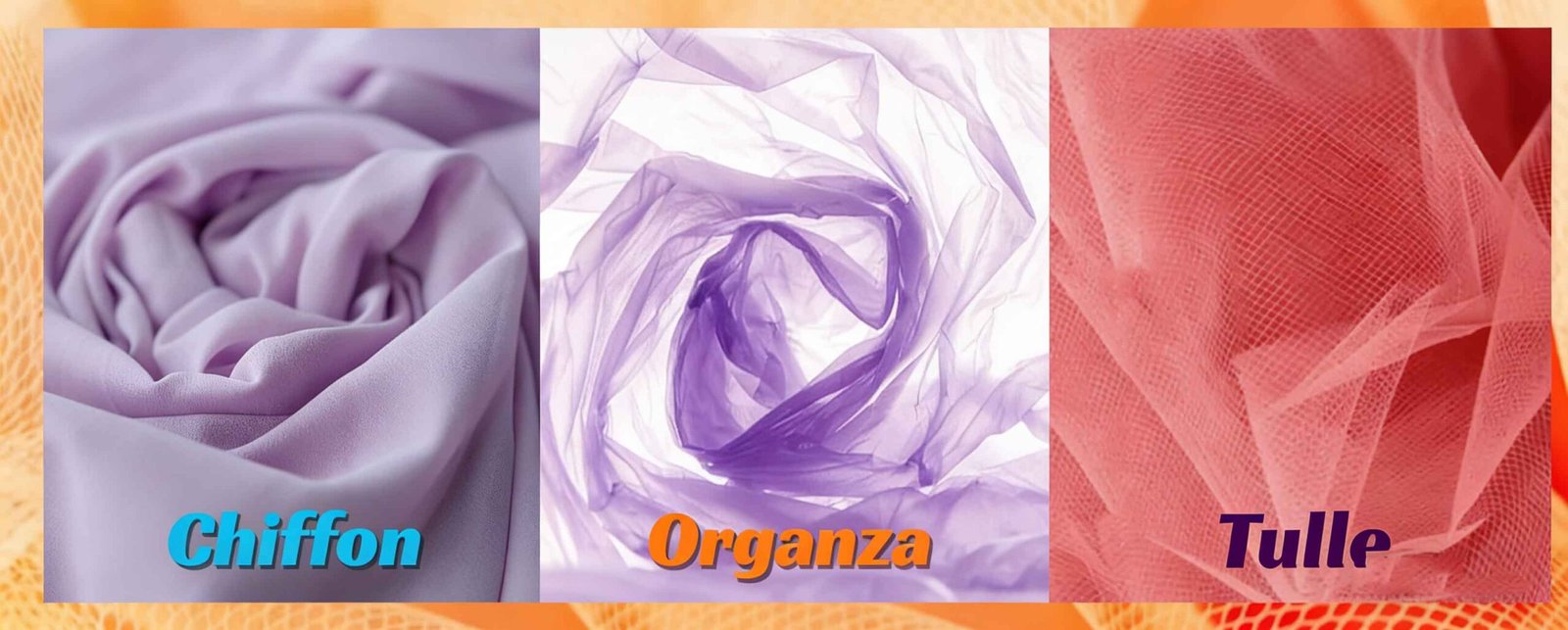
What is the difference between silk taffeta and silk organza? Both are crisp, structured silk fabrics but with different weight and transparency. Silk organza is sheer — light passes through it clearly — and is used for volume through layering and transparent overlay effects. Silk taffeta is opaque at standard momme weights and creates volume through its own structural rigidity without requiring multiple layers for opacity. Organza is lighter and more transparent; taffeta is heavier, opaque, and even stiffer. For structured, opaque garments requiring maximum volume — ball gowns, formal occasion wear — taffeta is the correct specification. For sheer overlay and layered volume effects — bridal veils, organza layers over lining — organza is appropriate.
Why does silk taffeta make a rustling sound? The rustling sound — called scroop — is produced by friction between the highly twisted silk filaments when the fabric moves. Taffeta produces more pronounced scroop than most other silk fabrics because its dense, smooth plain weave creates maximum filament-to-filament contact across the fabric surface. The sound is considered a quality characteristic of genuine silk taffeta — synthetic taffeta produces a different, less refined sound quality because polyester filament friction produces different acoustic properties than silk protein fiber.
Can silk taffeta be washed at home? Silk taffeta should be dry cleaned — wet washing risks permanent damage to the fabric's crisp structure. Silk taffeta can lose its characteristic stiffness after wet washing as the high-twist yarn absorbs water and relaxes. Some pre-treated taffeta fabrics offer improved washability — confirm care requirements with your supplier for the specific fabric before advising end customers on home care.
How many layers of silk taffeta are needed for a ball gown skirt? For a full traditional ball gown silhouette, three to five layers of 20–22mm silk taffeta in the skirt creates substantial volume through the fabric's own structural rigidity. Additional layers increase volume progressively. Unlike chiffon (which requires layers for opacity), taffeta is opaque from a single layer — multiple layers in a ball gown skirt are for volume, not transparency management. The weight of multiple taffeta layers should be factored into garment construction planning — a full five-layer taffeta skirt is substantially heavier than equivalent chiffon construction.
What is the minimum order for wholesale silk taffeta? Stock silk taffeta in standard colors: 50–100 meters per color. Custom dyeing and shot taffeta development: 150–300 meters minimum. Digital print: 100–200 meters per pattern. Sample cost $25–$80 per meter depending on momme, deductible from bulk order.
Source Wholesale Silk Taffeta from XINGYE TEXTILE
XINGYE TEXTILE supplies wholesale silk taffeta — plain, shot, printed, yarn-dyed, and crushed constructions — in 5A and 6A mulberry silk, from 15 to 25 momme, serving bridal manufacturers, evening wear brands, theatrical costume producers, and wholesale silk fabric buyers worldwide. Factory-direct pricing, MOQ from 50 meters for stock colors, free swatches available before bulk commitment.
→ Browse Our Full Fabric Range → Read: Silk vs Satin → Read: Dupioni Silk Fabric → Read: Silk Organza Fabric → Read: Types of Silk Fabric → Request a Free Swatch → Get a Wholesale Quote