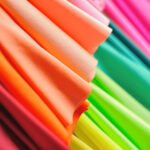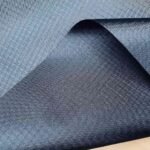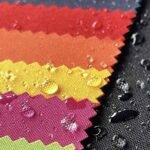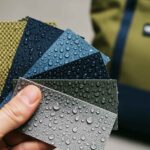
Ballistic nylon is a heavy-duty, high-denier nylon fabric originally developed for military body armor — designed to resist fragmentation, abrasion, and mechanical stress under conditions that destroy standard fabric constructions. While true ballistic protection now uses specialized aramid fibers (Kevlar, Dyneema), ballistic nylon fabric has found a permanent second life in premium bags, tactical gear, motorcycle protective clothing, heavy-duty workwear, and industrial equipment — where its extraordinary abrasion resistance, structural rigidity, and tensile strength deliver performance that no other commercial fabric construction matches. This guide covers ballistic nylon fabric specifications — denier ratings, tensile and tear strength, coating options, GSM ranges, and application mapping — for manufacturers and buyers sourcing ballistic nylon at wholesale scale.
ballistic nylon fabric
What Is Ballistic Nylon — History and Construction
Ballistic nylon was developed by DuPont in the 1940s for the US military — specifically for flak jackets designed to protect against artillery shell fragments (ballistic fragmentation) rather than direct bullet penetration. The original ballistic nylon used extremely high-denier nylon yarns — 1050 denier was the military standard — woven in a 2×2 basket weave construction that distributed impact energy across multiple yarn intersections rather than concentrating it at a single point.
The construction that gave ballistic nylon its name has three defining characteristics:
High denier yarn. Ballistic nylon uses yarn significantly thicker than standard nylon fabric — 840D to 1680D compared to 70D–420D for standard activewear and bag fabric. The thick yarn diameter provides the cross-sectional area needed to absorb and distribute mechanical stress without fiber breakage.
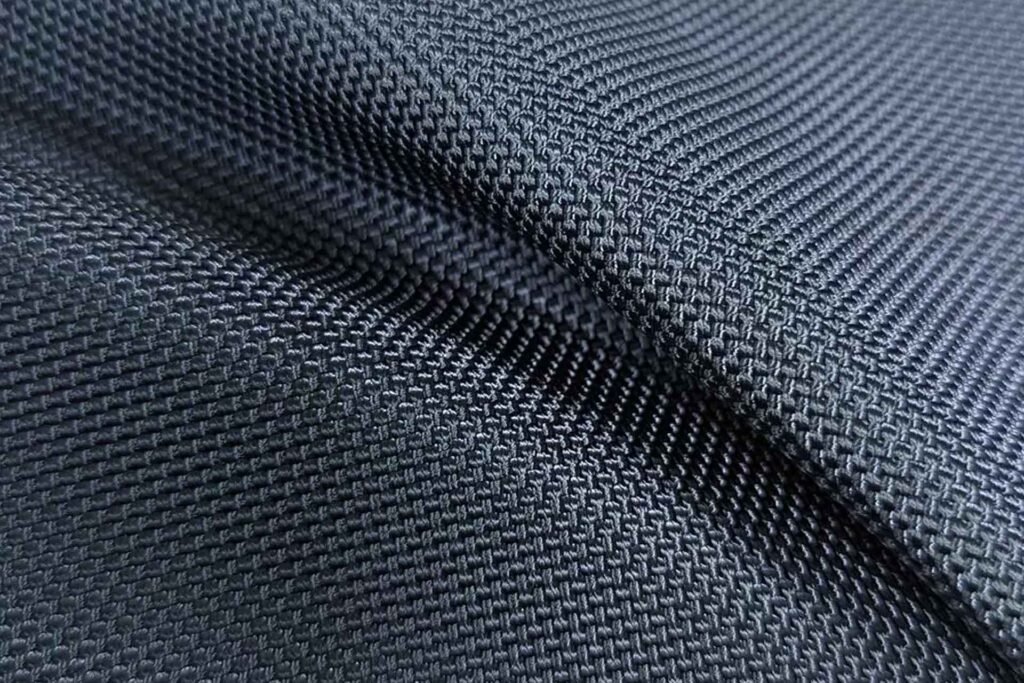
2×2 basket weave construction. Unlike standard plain weave (1×1) where each thread passes over one and under one, ballistic nylon uses a 2×2 basket weave where two warp threads and two weft threads interlace as paired units. This construction distributes stress across four thread crossings simultaneously — increasing the force required to propagate a tear through the fabric and giving ballistic nylon its characteristic grid-like surface texture.
High thread density. Ballistic nylon is woven at significantly higher thread counts than standard nylon Oxford — the combined effect of high denier yarn and high thread count produces a dense, rigid fabric structure that resists deformation under load far more effectively than lighter constructions.
The military eventually replaced ballistic nylon body armor with aramid fiber (Kevlar) constructions that provide superior ballistic protection at lower weight. But ballistic nylon's mechanical properties — tensile strength of 3,000–4,500N, tear strength of 80–150N, and abrasion resistance that outlasts virtually any other commercial fabric — made it the material of choice for premium bags, tactical equipment, and industrial protective applications where the absolute limits of fabric performance are required.
Ballistic Nylon Denier Specifications
Denier is the defining specification of ballistic nylon — higher denier means thicker yarn, heavier fabric, and higher mechanical performance at the cost of increased weight and reduced flexibility.
840D Ballistic Nylon The lightest standard ballistic nylon construction — offering significantly better abrasion resistance than standard 600D Oxford while remaining manageable in weight and flexibility for everyday bag and luggage applications.
- GSM range: 220–280 GSM
- Tensile strength: approximately 3,000N warp and weft
- Tear strength: 80–100N
- Character: heavy-duty but flexible — can be folded, rolled, and worked with standard industrial sewing equipment
- Best for: premium everyday backpacks, laptop bags, professional camera bags, high-end briefcases, and bag applications where maximum abrasion resistance at manageable weight is the specification requirement
1050D Ballistic Nylon The original military specification — the balance point between maximum mechanical performance and workable flexibility. 1050D is the most widely specified ballistic nylon for premium tactical and performance bag applications globally.
- GSM range: 280–350 GSM
- Tensile strength: approximately 3,500–4,000N warp and weft
- Tear strength: 100–130N
- Character: substantially rigid — holds its shape under heavy loads without deformation; requires heavy-duty sewing equipment and industrial needles for garment construction
- Best for: tactical backpacks and military-style bags, heavy-duty outdoor gear, professional equipment cases, motorcycle saddlebags, high-specification laptop and travel bags
1260D Ballistic Nylon Mid-point between 1050D and 1680D — less commonly stocked but available for applications requiring performance between the two standard denier ratings.
- GSM range: 320–390 GSM
- Best for: heavy tactical gear, specialist military equipment, industrial protective covers
1680D Ballistic Nylon The heaviest standard commercial ballistic nylon denier — maximum tensile and tear strength at the cost of significant weight and reduced flexibility. 1680D fabric is stiff, dense, and requires heavy industrial sewing equipment.
- GSM range: 380–450 GSM
- Tensile strength: approximately 4,000–4,500N warp and weft
- Tear strength: 120–150N
- Character: very rigid and heavy — limited folding and flexibility; produces structured, self-supporting bag panels without additional stiffening
- Best for: military-specification tactical bags and pouches, heavy-duty tool cases, industrial equipment covers, Cordura-equivalent applications, extreme-duty outdoor gear
Nylon 6 vs Nylon 66 — Which Base Fiber
Ballistic nylon is produced in two primary nylon polymer types — Nylon 6 and Nylon 66 — with meaningfully different performance profiles.
Nylon 6 (Polycaprolactam) The most widely used base polymer for commercial ballistic nylon. Nylon 6 has good tensile strength, excellent abrasion resistance, and better dye uptake than Nylon 66 — producing richer, more consistent colors. Nylon 6 is also more readily recyclable than Nylon 66 and is the base polymer for Econyl recycled nylon.
Best for: commercial premium bags, everyday tactical gear, civilian outdoor equipment, and applications where color range and sustainability certification are relevant alongside mechanical performance.
Nylon 66 (Polyhexamethylene Adipamide) Military-grade base polymer — Nylon 66 has higher tensile strength, better heat resistance, and superior resistance to fuel and chemical exposure compared to Nylon 6. The original DuPont ballistic nylon was Nylon 66. The trade-off is slightly lower dye uptake — Nylon 66 produces less vivid colors than Nylon 6 — and higher raw material cost.
Best for: genuine military-specification applications, law enforcement tactical equipment, industrial applications involving fuel or chemical exposure, and any application where maximum absolute mechanical performance is the non-negotiable specification requirement.
Coating Options for Ballistic Nylon
Standard uncoated ballistic nylon has inherent water resistance from its tight weave structure but is not waterproof. Coating or laminate finishing extends ballistic nylon's performance range for specific applications.
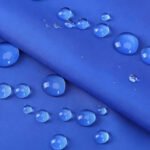
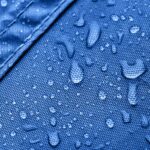
PU Coating Polyurethane coating applied to the reverse face of ballistic nylon creates a continuous waterproof barrier — waterproof rating 2,000–4,000 mmH₂O. PU coating adds minimal weight and maintains the fabric's flexibility while providing reliable water protection for bags and outdoor equipment. Standard finish for most commercial ballistic nylon bag applications.
TPU Laminate Higher waterproof performance (5,000–10,000 mmH₂O) with better cold-weather flexibility than PU coating. TPU laminate is RF-weldable — enabling seamless construction in premium waterproof tactical bags where stitched seam leak points are not acceptable. Preferred for high-specification tactical and military bag applications.
PVC Coating Maximum waterproof performance (10,000–20,000 mmH₂O) at lower cost than TPU laminate. PVC-coated ballistic nylon is used in industrial equipment covers, heavy outdoor applications, and budget-tier tactical bags where maximum waterproofing at minimum cost is the requirement. PVC adds significant weight and reduces flexibility — confirm suitability for applications requiring folding or rolling.
FR (Flame Retardant) Finish Flame retardant treatment applied to ballistic nylon for military, emergency services, and industrial applications in fire-risk environments. FR ballistic nylon must comply with applicable standards for the destination market (EN ISO 11612 for Europe, NFPA for North America). FR finishing adds 10–20% to base fabric cost.
Camouflage and Specialty Prints Ballistic nylon is available in military camouflage patterns — Multicam, Woodland, Digital, and custom patterns — for tactical and military applications. Camouflage pattern development requires minimum 2,500 meters and 7–10 days sample lead time.
Ballistic Nylon Applications
Tactical and Military Bags The primary commercial application for 1050D and 1680D ballistic nylon. Tactical backpacks, MOLLE-compatible pouches, military duffel bags, and assault packs specify ballistic nylon for its combination of tensile strength, abrasion resistance, and structural rigidity under heavy load. Military-specification applications use Nylon 66 base fiber; commercial tactical and outdoor applications typically use Nylon 6.
Premium Laptop and Professional Bags 840D and 1050D ballistic nylon is specified by premium bag brands — including Briggs & Riley, Tumi, and equivalent positioning — for laptop bags, briefcases, and professional carry bags where the fabric's abrasion resistance and structural rigidity deliver a measurably longer service life than standard 600D Oxford. Ballistic nylon bags maintain their surface appearance and structural integrity through years of daily use that would visibly degrade standard Oxford fabric.
Motorcycle Protective Clothing 1050D and 1680D ballistic nylon is used in motorcycle jacket and trouser outer shells and reinforcement panels as a cost-effective alternative to aramid fiber panels in abrasion protection applications. Ballistic nylon's abrasion resistance in road slide conditions significantly outperforms standard textile outerwear fabrics — a performance requirement where CE certification standards (EN 13595) specify minimum abrasion resistance for motorcycle protective clothing.
Heavy-Duty Outdoor Gear Ballistic nylon is used in heavy-duty hiking and mountaineering equipment where fabric durability under abrasion against rock, soil, and equipment is the critical specification. Pack panels, hip belt pockets, and high-wear garment areas in technical outdoor equipment specify ballistic nylon or equivalent high-denier constructions.
Industrial Protective Equipment Chainsaw protective trousers, industrial equipment covers, tool bags, and safety equipment specify ballistic nylon for its extreme abrasion and cut resistance. CE-certified chainsaw trousers use ballistic nylon layers as the primary cut-resistant layer in Type A and Type B classifications.
Pet Products High-end dog harnesses, leads, and pet carriers increasingly specify 840D–1050D ballistic nylon for applications where standard fabric would be damaged by chewing, scratching, or sustained outdoor use.
Key Specifications to Confirm When Sourcing Ballistic Nylon
| Specification | What to Confirm | Standard |
|---|---|---|
| Denier | 840D, 1050D, 1260D, or 1680D | Per application requirement |
| Base polymer | Nylon 6 or Nylon 66 | Nylon 66 for military spec; Nylon 6 for commercial |
| Weave construction | 2×2 basket weave confirmation | Standard for ballistic nylon |
| GSM | Physical sample weighing | ±5% tolerance |
| Tensile strength | Warp and weft, ISO 13934-1 | 3,000–4,500N depending on denier |
| Tear strength | ISO 13937-2 | 80–150N depending on denier |
| Coating | PU, TPU, PVC, or uncoated | Per waterproof requirement |
| Waterproof rating | mmH₂O if coated | Per application minimum |
| FR compliance | EN ISO 11612 or NFPA if required | Per application and market |
| Color fastness — washing | Grade rating | Minimum Grade 4 |
| Color fastness — light | UV stability | Minimum Grade 4 |
| Width | Usable width after selvage | Standard 144cm (57/58') |
| Certifications | OEKO-TEX, REACH compliance | Per buyer requirement |
| MOQ | Per order type | See below |
| Lead time | Stock vs custom | Stock: 3–5 days / Custom: 7–10 days |
MOQ by Order Type:
| Order Type | MOQ |
|---|---|
| Stock ballistic nylon (black, olive, navy) | 1,000 meters per color |
| Custom dyeing or special coating | 1,500–2,000 meters per color |
| Camouflage or jacquard pattern | 2,500 meters minimum |
Frequently Asked Questions — Ballistic Nylon Fabric
Is ballistic nylon actually bulletproof? No — modern ballistic nylon fabric is not bulletproof and does not provide meaningful protection against direct bullet penetration. The term 'ballistic' refers to its original military application (fragmentation protection) and its extraordinary mechanical properties — not to bullet resistance. Modern body armor uses aramid fibers (Kevlar, Dyneema) that are specifically engineered for ballistic protection. Ballistic nylon's value in commercial and industrial applications is its exceptional abrasion resistance, tensile strength, and structural rigidity — not bullet resistance.
What is the difference between ballistic nylon and Cordura? Cordura is a brand name owned by Invista for a range of high-performance nylon and polyester fabrics. Cordura 1000D is a high-denier nylon fabric similar in construction to ballistic nylon — both use high-denier nylon yarns in a dense woven construction for maximum durability. The key differences are brand certification (Cordura-branded fabric carries Invista's quality certification), available denier range, and price. Generic ballistic nylon provides equivalent or superior mechanical performance to Cordura at lower cost — without the brand recognition that Cordura carries in consumer-facing premium bag and tactical gear markets.
What sewing equipment is required for ballistic nylon? Ballistic nylon requires industrial sewing equipment rated for heavy materials — standard home or light industrial machines cannot reliably sew 1050D or 1680D ballistic nylon. Requirements: industrial walking-foot machine or compound-feed machine, heavy-duty nylon thread (Tex 70–90 minimum), size 18–21 industrial needles, and reduced sewing speed compared to standard fabric. Bar tacking reinforcement at stress points (strap attachments, zipper ends, handle connections) is essential for tactical and heavy-load bag applications.
Can ballistic nylon be used for motorcycle protective clothing? Yes — ballistic nylon is used in motorcycle jacket and trouser panels as an abrasion-resistant outer layer. For CE-certified motorcycle protective clothing (EN 13595), the abrasion resistance performance of the ballistic nylon panel must be independently tested and certified. 1050D and 1680D ballistic nylon typically meets the abrasion resistance requirements for CE Level 1 motorcycle protective clothing — confirm specific test results for your certification requirement before production.
What is the minimum order for wholesale ballistic nylon fabric? Standard MOQ for stock ballistic nylon in standard colors (black, olive drab, navy) is 1,000 meters per color. Custom dyeing and special coating: 1,500–2,000 meters. Camouflage and custom pattern development: 2,500 meters minimum. Free A4 swatches available — contact our team to request samples with tensile and tear strength test reports.
Source Wholesale Ballistic Nylon Fabric from XINGYE TEXTILE
XINGYE TEXTILE supplies wholesale ballistic nylon fabric — 840D, 1050D, 1260D, and 1680D in Nylon 6 and Nylon 66 base polymers, with PU, TPU, and PVC coating options — serving tactical bag manufacturers, premium luggage brands, motorcycle protective clothing producers, and industrial equipment buyers worldwide. Factory-direct pricing, MOQ from 1,000 meters for stock colors, free swatches and mechanical test reports available before bulk commitment.
Contact our sourcing team with your denier requirement, base polymer, coating specification, quantity, and destination for a formal quotation within 24 hours.
→ Browse Nylon / Polyamide Fabric → Browse Fabric for Bags → Read: Nylon vs Polyester Fabric → Read: Best Waterproof Fabric for Bags → Read: Oxford Fabric Wholesale Guide → Request a Free Swatch → Get a Wholesale Quote