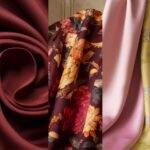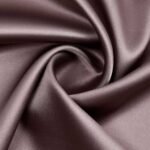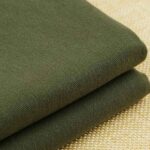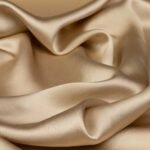
The confusion between silk and satin is one of the most common fabric terminology mistakes in the industry — and it costs buyers money when they specify one and receive the other. Silk is a fiber — a natural protein filament produced by silkworms. Satin is a weave structure — a method of interlacing threads that produces a smooth, lustrous surface regardless of what fiber the fabric is made from. Silk satin is a fabric made from silk fiber woven in a satin weave. Polyester satin is a fabric made from polyester fiber woven in the same satin weave. They look similar and feel broadly similar to an untrained hand — but they perform completely differently in production and in wear, and they are priced very differently. This guide explains the real difference between silk and satin, how to identify each, and what wholesale buyers and garment manufacturers need to know when specifying satin fabric for production.
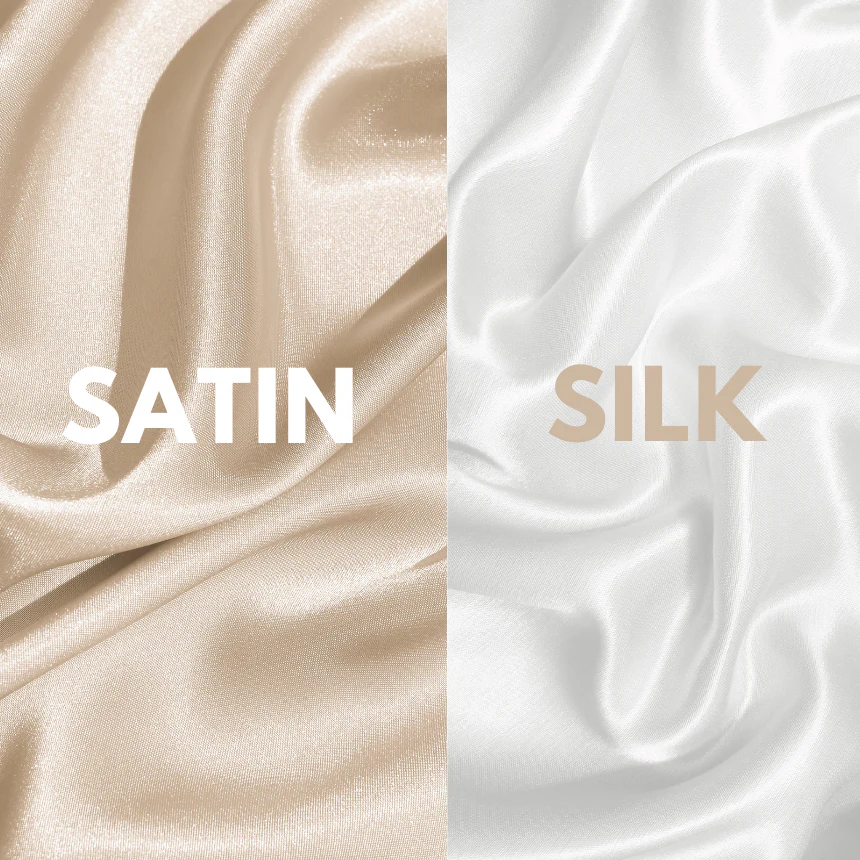
silk & satin
The Fundamental Distinction — Fiber vs Weave
Understanding silk vs satin requires separating two concepts that are completely independent of each other.
Silk is a fiber. Silk is a natural protein fiber produced by the Bombyx mori silkworm as it spins its cocoon. The silkworm secretes two proteins — fibroin (the structural fiber) and sericin (a gummy coating) — which are reeled into long continuous filaments after the cocoon is softened in hot water. These filaments are twisted together to form silk yarn, which is then woven or knitted into silk fabric. Silk fiber has a triangular cross-section that reflects light in multiple directions simultaneously — producing the characteristic shimmering luster that no synthetic fiber can fully replicate.
Satin is a weave structure. Satin weave is one of the three fundamental weave structures in textile production — alongside plain weave and twill weave. In satin weave, warp threads pass over four or more weft threads before going under one — creating long 'floats' on the fabric surface that reflect light uniformly, producing a smooth, lustrous face with a duller reverse. The key property of satin weave is that the long floats minimize thread interlacing points on the face, creating maximum surface smoothness and light reflection.
The relationship: Satin weave can be applied to any fiber — silk, polyester, nylon, cotton, rayon, or acetate. When satin weave is applied to silk fiber, the result is silk satin. When applied to polyester, the result is polyester satin. Both have the smooth, lustrous satin surface — but their fiber properties produce completely different performance characteristics.
Silk Satin vs Polyester Satin — Direct Comparison
This is the comparison that matters most for buyers making specification decisions.
| Factor | Silk Satin | Polyester Satin |
|---|---|---|
| Fiber origin | Natural — silkworm protein | Synthetic — petroleum-derived |
| Surface luster | Soft, warm, multi-directional shimmer | Bright, cool, more uniform reflection |
| Hand feel | Exceptionally soft, warm against skin | Smooth but slightly cooler and more slippery |
| Breathability | High — natural protein fiber breathes | Low — polyester traps heat and moisture |
| Moisture absorption | ~11% — absorbs and wicks moisture | ~0.4% — virtually no absorption |
| Temperature regulation | Natural — warm in cool conditions, cool in warm | None — traps body temperature |
| Drape | Exceptional fluid drape | Good drape — heavier than silk at same appearance |
| Weight | Light — 69–175 GSM depending on momme | Heavier than silk at equivalent visual weight |
| Durability | Moderate — sensitive to abrasion and moisture | High — machine washable, abrasion resistant |
| Care requirements | Dry clean or gentle hand wash | Machine washable, easy care |
| UV resistance | Degrades under sustained UV exposure | Good UV stability |
| Cost | Significantly higher | Much lower |
| Certification | Silk Mark, OEKO-TEX | OEKO-TEX, GRS recycled |
| Best applications | Luxury garments, bridal, evening wear, premium bedding | Commercial garments, costume, budget bedding, lining |
How to Tell the Difference — Identification Methods
For wholesale buyers receiving fabric deliveries, confirming whether a fabric is genuine silk satin or polyester satin is an essential quality verification step.
Burn test The most reliable field test. Cut a small piece of fabric and hold it to a flame:
- Silk: burns slowly, self-extinguishes when flame is removed, produces a crushable ash and smells like burning hair (protein fiber)
- Polyester: melts and burns simultaneously, produces black smoke, leaves a hard plastic bead residue, smells like burning plastic
Hand feel temperature test Silk feels warm against skin — the protein fiber structure conducts heat similarly to skin. Polyester satin feels slightly cooler and more slippery. This test requires experience to apply reliably but is useful as a quick preliminary check.
Water absorption test Place a small drop of water on the fabric face. Silk absorbs water readily — the drop disappears into the fiber quickly. Polyester repels water — the drop beads and rolls off the surface. A definitive test that requires no equipment.
Weight per momme Silk fabric weight is measured in momme (mm) — one momme equals approximately 4.3 GSM. Genuine silk at 16 momme (approximately 69 GSM) feels significantly lighter than polyester satin at equivalent visual weight. If a fabric presented as silk feels heavier than expected for its stated momme, request a fiber content lab test report.
Lab test — fiber content confirmation For bulk order verification, request a fiber content test report from an accredited laboratory (SGS, Intertek, Bureau Veritas) confirming the fiber composition by weight percentage. This is the only definitive method for confirming genuine silk content and should be standard practice for high-value silk fabric orders.
Silk Fabric Types — Satin Is One of Many
Satin is one construction available in silk — not the only one. Understanding the full range of silk fabric types helps buyers specify the correct construction for their application.
| Silk Fabric Type | Construction | Momme Range | GSM | Key Characteristics |
|---|---|---|---|---|
| Silk Chiffon | Plain weave, fine twist | 6–8mm | 26–35 GSM | Ultra-lightweight, sheer, floating drape |
| Silk Georgette | Plain weave, high twist | 8–12mm | 35–52 GSM | Slightly creped, semi-sheer, good drape |
| Habotai (China Silk) | Plain weave, smooth | 12–16mm | 52–69 GSM | Smooth, lightweight, versatile |
| Silk Crepe de Chine | Crepe twist | 12–22mm | 52–95 GSM | Matte, slightly textured, breathable |
| Charmeuse (Silk Satin) | Satin weave | 16–30mm | 69–130 GSM | Smooth lustrous face, matte reverse |
| Heavy Satin / Crepe | Satin or crepe | 30–40mm+ | 130–175 GSM+ | Heavy drape, matte, wrinkle-resistant |
| Silk Twill | Twill weave | 16–22mm | 69–95 GSM | Diagonal rib, structured, scarves |
| Silk Organza | Plain weave, crisp | 12–18mm | 52–78 GSM | Sheer, stiff, holds shape |
| Dupioni Silk | Plain weave, irregular slub | 15–25mm | 65–108 GSM | Textured slub, crisp, lustrous |
When to Specify Silk Satin vs Polyester Satin
Specify silk satin (charmeuse) when:
- The garment is positioned as luxury, premium, or natural fiber
- Breathability and skin comfort during extended wear are specification requirements
- The fabric will be in direct skin contact in warm conditions — silk's natural temperature regulation is a functional advantage
- Natural fiber certification (Silk Mark, OEKO-TEX) is required by the buyer or end retailer
- The garment is evening wear, bridal, or luxury sleepwear where the unique drape and luster of silk are part of the product's value proposition
Specify polyester satin when:
- Cost efficiency is the primary driver — polyester satin delivers the satin aesthetic at a fraction of silk's cost
- Easy care is a specification requirement — machine washability and abrasion resistance make polyester satin practical for garments that will be worn and washed frequently
- Durability through sustained use is more important than natural fiber performance
- The application is costume, theatrical, or promotional garments where authentic silk performance is not required
- Lining applications where the fabric's primary role is surface smoothness rather than skin-contact performance
Momme Weight Guide for Silk Satin
Momme (mm) is the standard weight measurement for silk fabric — one momme equals approximately 4.3 GSM. Higher momme means heavier, denser fabric with more silk content per square meter.
Momme Range
GSM Equivalent
Character
Best Applications
16–19mm
69–82 GSM
Lightweight, fluid drape
Lightweight blouses, scarves, lining
19–22mm
82–95 GSM
Standard weight, balanced
Dresses, blouses, standard garments
22–25mm
95–108 GSM
Mid-weight, good body
Formal dresses, tailored garments
25–30mm
108–130 GSM
Substantial, excellent drape
Premium garments, pajamas, bedding
30–40mm+
130–175 GSM+
Heavy, maximum drape and body
Luxury bedding, heavy garments, upholstery
For most silk satin garment applications, 19–22mm is the standard range. Premium positioning and luxury bedding typically specify 25mm and above.
Wholesale Silk Satin Sourcing — What Buyers Need to Know
Grade matters more than momme alone Chinese silk is graded on a 6A–1A scale based on filament uniformity, defect rate, and luster consistency — 6A being the highest grade. Two silk fabrics at the same momme weight can perform very differently if produced from different silk grades. Specify minimum 5A or 6A grade for premium garment applications; confirm grade with supplier documentation.
Mulberry vs Tussah silk Most commercial silk satin is produced from mulberry silk (Bombyx mori) — the white, lustrous fiber standard for garment production. Tussah silk comes from wild silkworms and has a natural off-white to tan color with a slightly coarser texture. Tussah silk satin has a more rustic aesthetic — appropriate for specific design applications but not a substitute for mulberry silk satin in luxury garment production.
Width options Standard silk fabric width is 114cm (44') — narrower than synthetic fabrics due to the historical constraints of silk loom production. Some heavier silk constructions are available at 140cm (55%). Factor narrower width into fabric consumption calculations — a pattern graded for 150cm synthetic fabric will require more silk fabric meters at 114cm width.
MOQ structure Stock silk fabric: 50–100 meters per color — significantly lower MOQ than synthetic fabric due to higher per-meter value. Custom dyeing: 150–300 meters per color. Digital print: 100–200 meters per pattern, with small-batch options from 50 meters at premium pricing.
Frequently Asked Questions — Silk vs Satin
Is satin always silk? No. Satin is a weave structure that can be applied to any fiber. Most commercial satin fabric sold today is polyester satin — not silk. Genuine silk satin (charmeuse) is significantly more expensive than polyester satin and requires specific care. Always confirm fiber content with a lab test report when sourcing satin fabric for applications where genuine silk is a specification requirement.
Is silk satin the same as charmeuse? Yes — charmeuse is the specific term for silk satin fabric. Charmeuse describes silk woven in a 4/1 or 5/1 satin weave, producing a smooth, lustrous face and a matte, slightly creped reverse. The term is used interchangeably with silk satin in trade. When a supplier offers 'charmeuse,' they are offering silk satin fabric.
Why is silk satin more expensive than polyester satin? Silk production is labor-intensive and yield-limited — one silkworm produces approximately 300–900 meters of usable filament, and thousands of cocoons are required to produce one kilogram of silk thread. Polyester is produced from petroleum through industrial chemical processes at effectively unlimited scale. The natural scarcity and production complexity of silk fiber directly drives the cost premium over polyester at equivalent fabric weight.
Can you machine wash silk satin? Standard silk satin should be hand washed in cool water with silk-specific detergent or dry cleaned. Machine washing risks damaging the silk fiber structure and causing shrinkage — silk loses up to 40% tensile strength when wet and the agitation of machine washing can cause permanent fiber damage. Some silk fabrics are pre-treated for improved washability — confirm care requirements with your supplier for the specific fabric you are sourcing.
What is the minimum order for wholesale silk satin fabric? Stock silk satin in standard colors: 50–100 meters per color. Custom dyeing: 150–300 meters per color. Digital print development: from 50 meters per pattern at premium pricing, standard from 100–200 meters. Sample cost: $25–$80 per meter depending on momme weight, fully deductible from bulk order.
Source Wholesale Silk and Silk Satin Fabric from XINGYE TEXTILE
XINGYE TEXTILE supplies wholesale silk fabric — mulberry silk charmeuse, silk chiffon, silk crepe de chine, silk organza, silk taffeta, dupioni silk, and habotai — in 6A and 5A grade, from 6 momme through 40+ momme, serving luxury garment brands, bridal manufacturers, premium bedding producers, and wholesale fabric buyers worldwide. Factory-direct pricing, MOQ from 50 meters for stock colors, free swatches available before bulk commitment.
Contact our sourcing team with your silk type, momme requirement, width, quantity, and destination for a formal quotation within 24 hours.
→ Browse Our Full Fabric Range → Browse Fabric for Suits → Read: Types of Silk Fabric → Read: Mulberry Silk Fabric → Read: Silk Satin Fabric Guide → Request a Free Swatch → Get a Wholesale Quote