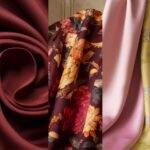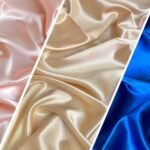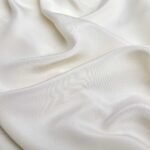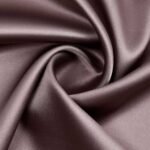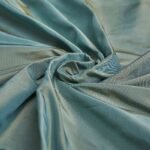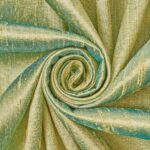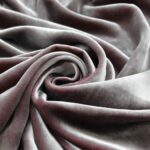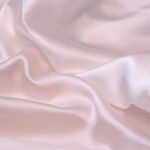
Charmeuse is a satin-weave fabric with a smooth, lustrous face and a slightly creped matte reverse — the fabric that defines luxury sleepwear, lingerie, bias-cut evening gowns, and draped formal garments globally. Its combination of liquid drape, high surface luster, and skin-contact softness makes charmeuse the standard specification for garments where the fabric's sensory qualities are as important as its visual properties. Available in both silk and polyester compositions, charmeuse serves applications from luxury bridal through to volume commercial sleepwear — with silk charmeuse and polyester charmeuse serving different market segments with different performance characteristics. This guide covers charmeuse fabric types, how it differs from other satin and crepe fabrics, application mapping, and wholesale sourcing for manufacturers specifying charmeuse at production scale.
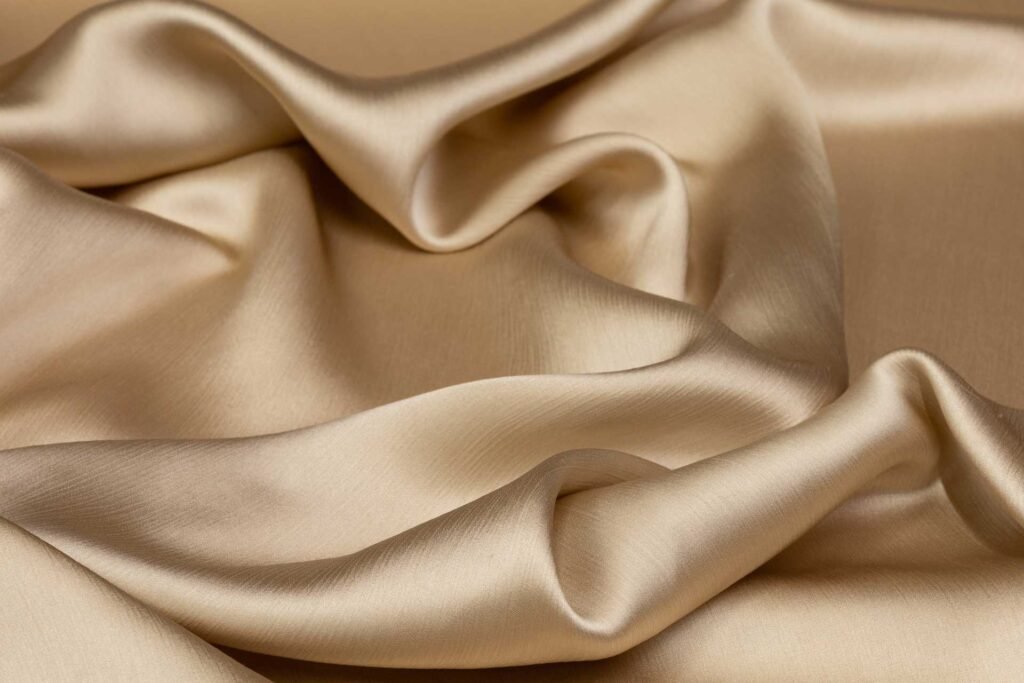
silk charmeuse fabric
What Is Charmeuse — Construction and Defining Properties
Charmeuse is defined by two construction elements that work together to produce its characteristic properties.
4/1 satin weave face. The face of charmeuse is woven in a 4/1 satin weave — each warp thread passes over four weft threads before going under one. This produces the long surface floats that create charmeuse's smooth, lustrous face. The minimal interlacing points on the face allow silk or polyester filaments to lie parallel and undisturbed, reflecting light uniformly and producing the concentrated, directional luster that defines the charmeuse appearance.
Creped weft reverse. The weft threads in charmeuse are highly twisted — twisted enough to create a slight crepe effect on the reverse face. This twisted weft creates the slightly textured, matte reverse that distinguishes charmeuse from standard satin fabric (which has a smooth reverse). The creped reverse serves two functions: it adds slight internal structure to the satin float construction, improving drape control, and it provides a visually distinct reverse face that designers can use deliberately in garment construction.
Four properties result from this construction:
Liquid drape. The combination of satin float structure and creped weft produces a fabric that drapes in smooth, continuous curves — following body contours closely without the structured stiffness of taffeta or the floating airiness of chiffon. Charmeuse drapes like liquid, pooling and flowing against the body in the way that defines the luxury sleepwear and bias-cut gown aesthetic.
Dual-face versatility. The lustrous face and matte reverse are both usable in garment construction. Many charmeuse garments deliberately use both faces — the matte reverse for contrast panels, facing, or lining sections that complement the lustrous face panels. This dual-face versatility is unique to charmeuse within the satin fabric category.
Skin-contact softness. The smooth satin face is exceptionally soft against skin — a key reason charmeuse dominates luxury sleepwear and lingerie production. The fabric moves with the body without friction, making it comfortable for sustained skin contact in ways that textured or structured fabrics are not.
Weight-appropriate sheen. Unlike organza or taffeta where luster can appear stiff or formal, charmeuse's liquid drape gives its sheen a sensual, relaxed quality appropriate for sleepwear and intimate garments as much as for evening wear.
Silk Charmeuse vs Polyester Charmeuse
Charmeuse is produced in both silk and polyester compositions — and the difference between them extends beyond fiber origin to fundamental performance differences that affect application suitability.
| Factor | Silk Charmeuse | Polyester Charmeuse |
|---|---|---|
| Drape | Liquid, flowing, responsive to body heat | Good drape — slightly heavier feel |
| Hand feel | Warm, soft, natural | Smooth but slightly cooler and more slippery |
| Breathability | Good — natural protein fiber | Low — traps heat and moisture |
| Temperature regulation | Natural — warm in cool, cool in warm | None |
| Luster | Soft, multi-directional, warm sheen | Brighter, more uniform, cooler tone |
| Moisture absorption | ~11% — absorbs perspiration | ~0.4% — does not absorb |
| Care | Hand wash or dry clean | Machine washable |
| Static | Low | Higher — generates static cling |
| Durability | Moderate — sensitive to abrasion | High — machine washable, abrasion resistant |
| Cost | Significantly higher | Much lower |
| Best for | Luxury sleepwear, bridal, couture, premium garments | Commercial sleepwear, costume, budget fashion |
The practical implication: For luxury sleepwear and lingerie where skin-contact performance, breathability, and natural temperature regulation are specification requirements — silk charmeuse is the correct specification. For commercial sleepwear, costume, and fashion garments where easy-care performance and cost efficiency are the primary drivers — polyester charmeuse delivers the charmeuse aesthetic at accessible pricing.
Charmeuse vs Similar Silk Fabrics — How to Choose
Charmeuse is frequently compared to other smooth, draped silk fabrics. Understanding the specific differences helps buyers specify correctly.
Charmeuse vs Habotai (China Silk) Both are smooth silk fabrics but with different weave constructions. Habotai is plain weave — it has moderate drape, slightly less luster than charmeuse, and a firmer hand feel. Charmeuse is satin weave — it has more fluid drape, higher luster, and softer hand feel. Habotai is specified for garments requiring more body and less drape; charmeuse for maximum fluid drape and luster. For lining applications, habotai is preferred for structured garments where the lining needs body; charmeuse for draped garments where the lining should move with the outer fabric.
Charmeuse vs Crepe de Chine Charmeuse has a smooth, lustrous satin face; CDC has a matte, subtly textured crepe surface. Charmeuse drapes more fluidly and is more visually glamorous; CDC has better wrinkle resistance and a more understated sophisticated aesthetic. For evening wear requiring maximum luster and impact — charmeuse. For everyday luxury garments requiring wrinkle resistance and matte sophistication — CDC.
Charmeuse vs Silk Chiffon Charmeuse is heavier, opaque, and has high luster with controlled liquid drape. Chiffon is ultra-lightweight, sheer, and has a floating, free drape. For garments where the fabric is the primary visual element — charmeuse. For layered, sheer, floating garments — chiffon. Many evening wear designs combine charmeuse lining or underlayer with chiffon overlay to achieve both opacity and floating movement.
Charmeuse Applications — Where It Is the Correct Specification
Luxury Sleepwear and Pajamas The primary application for silk charmeuse globally. The combination of skin-contact softness, natural breathability, temperature regulation, and liquid drape makes silk charmeuse the defining fabric for luxury pajama sets, nightgowns, and sleep accessories. At 19–25mm momme, silk charmeuse pajamas have the weight and opacity required for sleepwear alongside the softness and breathability that make them comfortable for all-night wear.
For commercial sleepwear production where easy-care performance is the priority, polyester charmeuse at equivalent GSM delivers the charmeuse aesthetic with machine washability.
Recommended spec: 19–22mm silk charmeuse for luxury; polyester charmeuse 75–95 GSM for commercial.
Lingerie and Intimate Apparel Charmeuse's skin-contact softness and smooth, non-abrasive surface make it the standard fabric for luxury lingerie — camisoles, slips, bralettes, and intimate garments where direct skin contact requires maximum softness alongside the visual elegance of the charmeuse surface. Lighter weight silk charmeuse at 16–19mm is used for intimate apparel where minimum fabric weight alongside softness is the specification.
Bias-Cut Evening Gowns Charmeuse is the standard fabric for bias-cut evening gowns — garments where the fabric is cut at 45 degrees to the grain to create fluid, body-following drape. The liquid drape and slightly creped reverse of charmeuse work together to create controlled bias movement — more stable than lighter chiffon, more fluid than heavier satin. 19–22mm charmeuse is the most widely specified weight for bias-cut evening wear construction.
Bridal and Formal Garments Charmeuse is used in bridal gowns and formal garments where a liquid, low-key glamour is preferred over the structured volume of taffeta or the crisp precision of dupioni. Charmeuse bridal gowns drape softly against the body, creating an elegant, understated silhouette that suits modern minimalist bridal aesthetics as well as traditional formal styling.
Scarves and Accessories Lightweight silk charmeuse at 12–16mm is the standard specification for luxury silk scarves — the high luster and fluid drape produce scarves with the characteristic movement and sheen that define the luxury accessory market. Printed charmeuse scarves are a major product category in luxury fashion accessories.
Premium Bedding Heavy silk charmeuse at 25–30mm+ is used for luxury silk pillowcases and bedding — the smooth surface reduces friction against hair and skin during sleep, a property marketed for both hair care and skin care benefits in premium bedding applications.
Momme Guide for Charmeuse
| Momme | GSM | Character | Best Applications |
|---|---|---|---|
| 12–16mm | 52–69 GSM | Lightweight, very fluid | Lightweight scarves, lining, light intimate apparel |
| 16–19mm | 69–82 GSM | Light-standard, good drape | Intimate apparel, light blouses, scarves |
| 19–22mm | 82–95 GSM | Standard weight, balanced | Dresses, blouses, standard sleepwear, bias-cut garments |
| 22–25mm | 95–108 GSM | Mid-weight, excellent body | Premium sleepwear, formal dresses, structured charmeuse |
| 25–30mm | 108–130 GSM | Substantial, maximum drape | Luxury pajamas, premium bedding, heavy formal garments |
| 30mm+ | 130+ GSM | Very heavy, maximum body | Luxury bedding, heavyweight formal garments |
Production Considerations for Charmeuse
Cutting Charmeuse is the most challenging smooth silk fabric to cut — the high-luster satin face and fluid drape cause the fabric to shift constantly on the cutting table. Use non-slip cutting table covering, cut single-ply for precise pieces, and use sharp rotary blades. Place pattern weights on fabric edges rather than pinning through the fabric body — pin marks show permanently on the satin face.
Sewing direction Always sew in the direction of the satin float — from top to bottom of the garment piece — to prevent the satin face from catching and puckering under the presser foot. Use a roller foot or Teflon presser foot to reduce friction on the smooth face. Size 9 fine needles minimize needle marks on the dense satin weave.
Seam puckering Charmeuse's smooth, slippery face causes seam puckering — the fabric moves faster than the feed dogs can control during sewing. Reduce machine speed, use fine thread, and slightly reduce upper thread tension. Stitch stabilizer paper under the seam line for particularly difficult areas.
Pressing Press on the reverse (crepe) face only — pressing on the satin face causes permanent shine marks that cannot be removed. Use a pressing cloth if pressing from the face side is unavoidable. Maximum temperature 140°C; minimal steam to avoid water spotting.
Pattern grading for bias cut Bias-cut charmeuse garments require specific pattern adjustments — build in bias stretch allowance (typically 2–3% reduction in bias dimension) and hang finished garments for 24–48 hours before hemming to allow bias stretch to stabilize.
Key Specifications to Confirm When Sourcing Charmeuse
| Specification | What to Confirm | Standard |
|---|---|---|
| Fiber content | Silk or polyester, percentage confirmed | Per agreed spec |
| Silk grade (if silk) | 5A or 6A minimum | Per application requirement |
| Momme weight | mm, physical sample weighing | Per application — see momme table |
| GSM | Physical sample weighing | ±5% tolerance |
| Width | 114cm silk / 150cm polyester standard | Confirm before pattern grading |
| Face/reverse character | Confirm luster and crepe texture against sample | Per design requirement |
| Color fastness — washing | Grade rating | Minimum Grade 3–4 |
| Color fastness — light | UV stability | Minimum Grade 3–4 |
| Shrinkage | After hand wash (silk) | ≤5% acceptable |
| Certifications | OEKO-TEX, Silk Mark (silk only) | Per buyer requirement |
| MOQ | Per order type | See below |
| Lead time | Stock vs custom | Stock: 3–5 days / Custom: 7 days |
MOQ by Order Type:
| Order Type | Silk Charmeuse | Polyester Charmeuse |
|---|---|---|
| Stock, standard colors | 50–100m per color | 500m per color |
| Custom dyeing | 150–300m per color | 1,200–2,000m per color |
| Digital print | 50–200m per pattern | 500m+ per pattern |
Frequently Asked Questions — Charmeuse Fabric
Is charmeuse always silk? No — charmeuse describes a satin-weave construction with a creped reverse, available in both silk and polyester. Silk charmeuse is the original and premium version; polyester charmeuse replicates the construction in synthetic fiber at significantly lower cost. When sourcing charmeuse, always confirm fiber content — 'charmeuse' alone does not specify the fiber. Request a fiber content lab test report for orders where genuine silk is a specification requirement.
What is the difference between charmeuse and regular satin? Charmeuse has a creped, matte reverse produced by highly twisted weft yarn — this distinguishes it from standard satin fabric that has a smooth, equally lustrous reverse. The creped reverse of charmeuse adds slight internal structure that improves drape control compared to standard satin. Charmeuse also typically refers specifically to lighter, more fluid satin-weave fabrics — heavy structured satin fabrics for bridal bodices and ball gowns are usually specified as 'bridal satin' or 'duchess satin' rather than charmeuse.
Why is silk charmeuse used for luxury pillowcases? Silk charmeuse pillowcases are marketed for reducing friction against hair and skin during sleep — the smooth satin face creates significantly less surface friction than cotton pillowcases. The reduced friction is claimed to reduce hair breakage, prevent sleep creases, and be gentler on sensitive skin. The natural breathability of silk also regulates temperature during sleep better than synthetic alternatives. These properties have made silk charmeuse pillowcases a significant product category in the luxury home textile market.
What momme charmeuse is best for sleepwear? 19–22mm silk charmeuse is the standard specification for luxury silk pajama sets — providing sufficient weight for opacity and drape while maintaining the lightweight comfort appropriate for sleepwear. For nightgowns where more fluid drape is preferred, 16–19mm is appropriate. For luxury pajama sets positioned at maximum quality, 22–25mm provides a more substantial hand feel that communicates premium quality to the wearer.
What is the minimum order for wholesale charmeuse? Silk charmeuse stock colors: 50–100 meters per color. Custom dyeing: 150–300 meters minimum. Polyester charmeuse stock: 500 meters per color. Custom polyester: 1,200–2,000 meters. Sample cost for silk: $25–$80 per meter deductible from bulk order.
Source Wholesale Charmeuse Fabric from XINGYE TEXTILE
XINGYE TEXTILE supplies wholesale charmeuse fabric — silk charmeuse in 5A and 6A mulberry silk from 12 to 30+ momme, and polyester charmeuse across standard GSM ranges — serving luxury sleepwear brands, lingerie manufacturers, evening wear producers, bridal manufacturers, and wholesale fabric buyers worldwide. Factory-direct pricing, MOQ from 50 meters for silk stock colors, free swatches available before bulk commitment.
→ Browse Our Full Fabric Range → Read: Silk vs Satin → Read: Silk Satin Fabric → Read: Silk Crepe Fabric → Read: Types of Silk Fabric → Request a Free Swatch → Get a Wholesale Quote