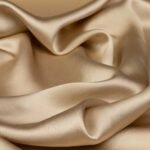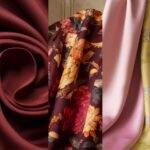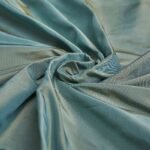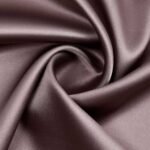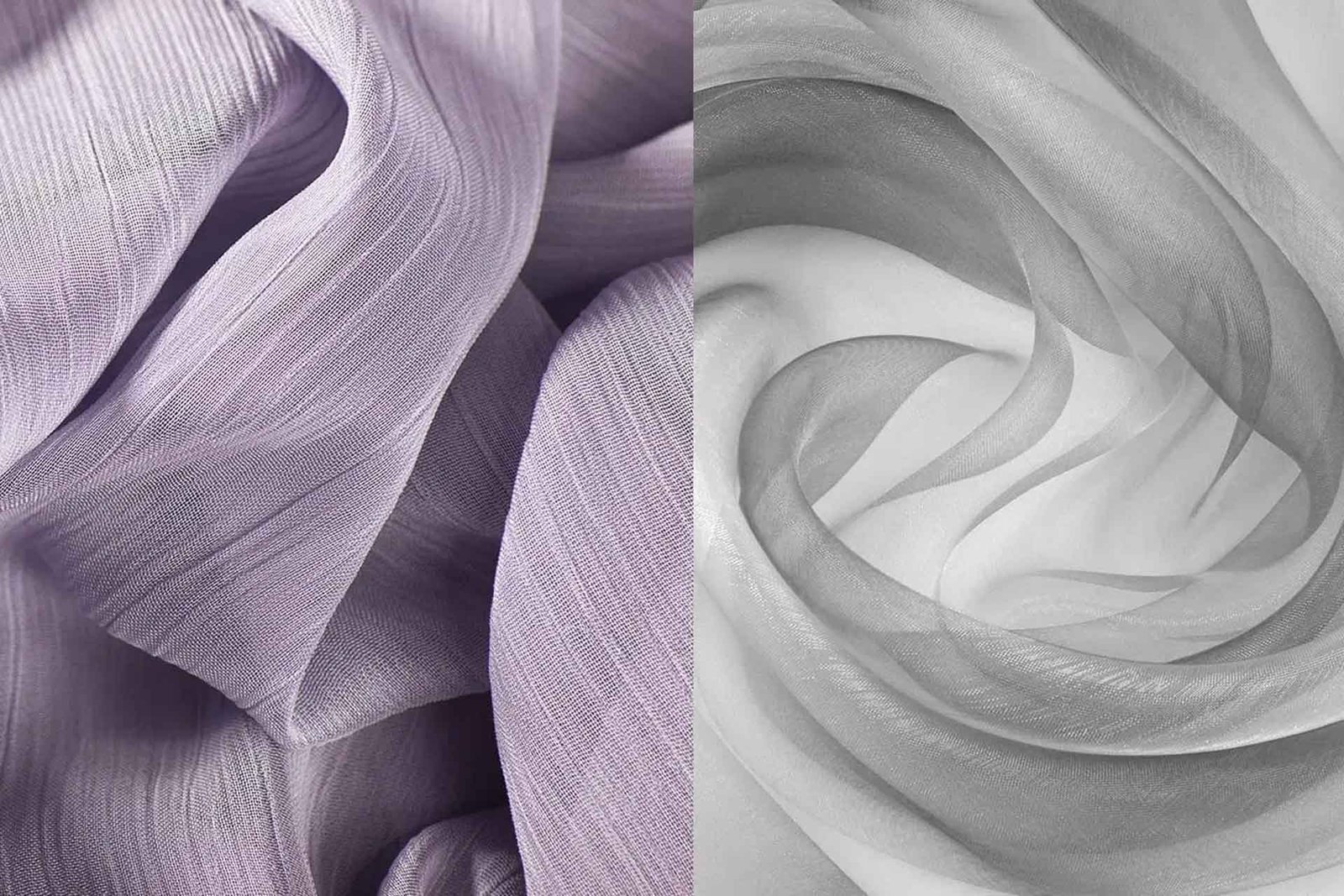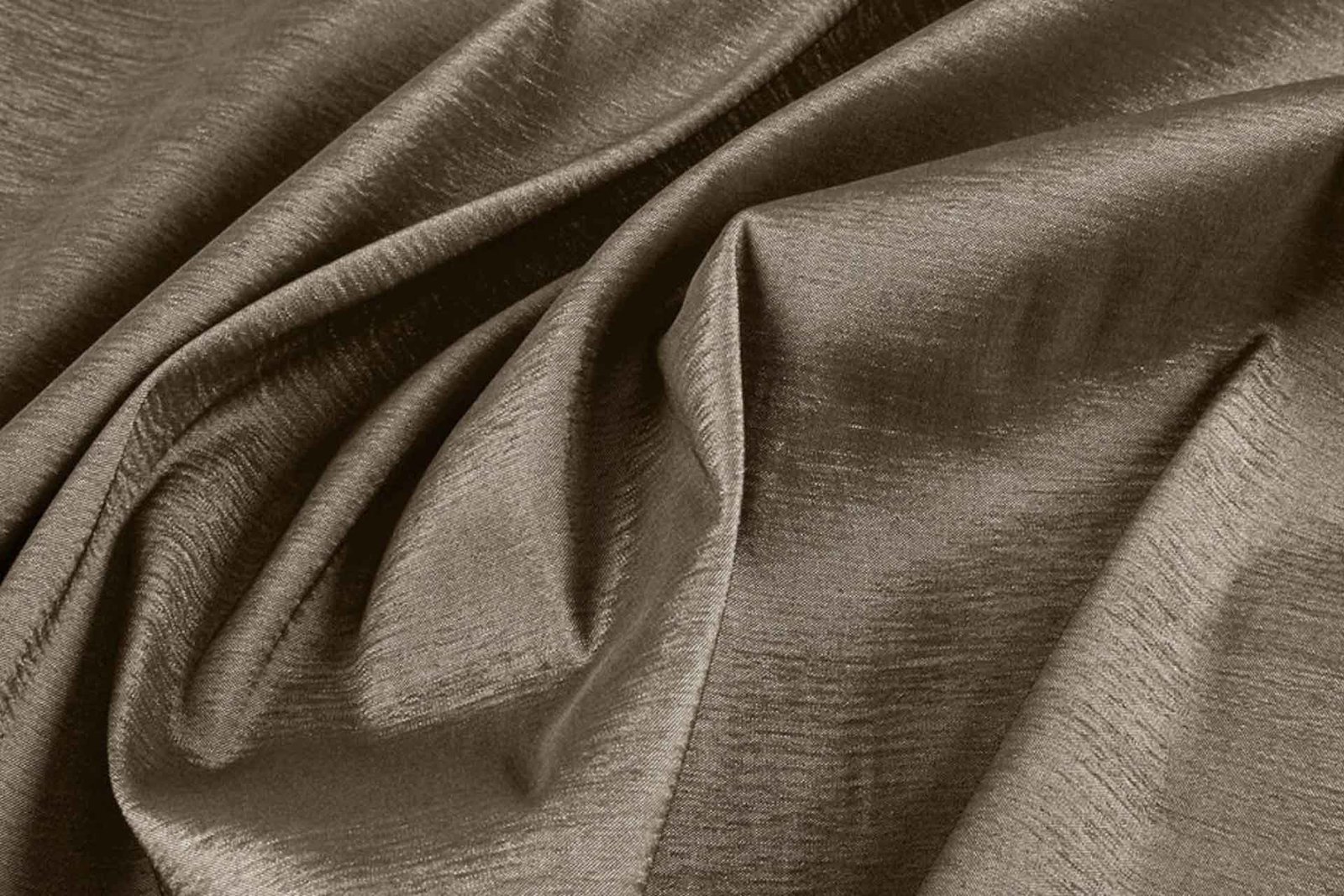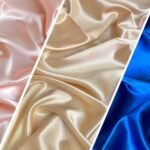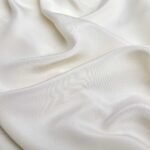
Habotai — also known as China silk, habutai, or pongee — is the simplest and most versatile silk fabric construction: a plain weave from lightly twisted mulberry silk yarn producing a smooth, moderately lustrous fabric with balanced drape and good print receptivity. It is neither the most fluid (charmeuse), the most structured (taffeta), nor the most sheer (chiffon) — habotai occupies the practical middle ground of silk fabrics, serving applications where a smooth, lightweight silk is required without the specialized properties of more complex constructions. As the standard fabric for garment lining, silk screen printing, lightweight blouses, and scarves, habotai is one of the highest-volume silk fabric categories in wholesale production. This guide covers habotai silk properties, momme specifications, primary applications, and wholesale sourcing for manufacturers buying at production scale.
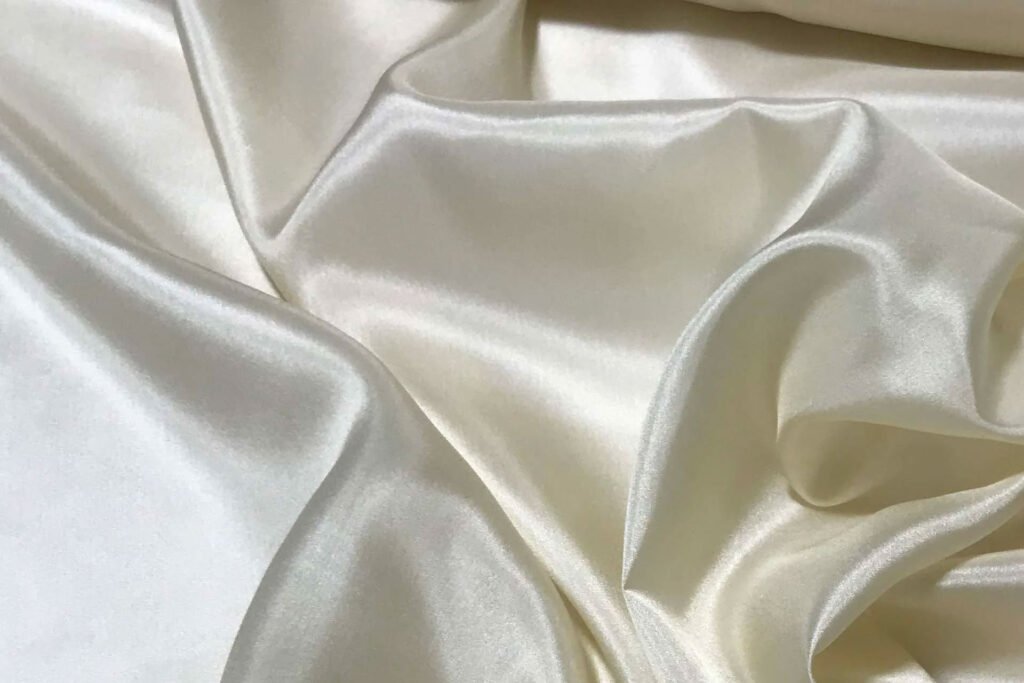
silk habotai fabric
What Is Habotai Silk — Construction and Properties
Habotai is a balanced plain weave silk fabric — each warp thread passes alternately over and under each weft thread in the simplest possible interlacing pattern. The yarn used in habotai is lightly twisted or untwisted compared to crepe or organza constructions — this low twist level allows the silk filaments to lie flat and parallel, producing a smooth surface with moderate luster.
Three properties define habotai's character and explain its widespread use across multiple application categories:
Surface smoothness and print receptivity. The balanced plain weave and low-twist yarn of habotai produce a uniformly smooth surface with consistent fiber alignment — the ideal substrate for surface printing. Silk screen printing, digital printing, and resist dyeing (batik, shibori) all work exceptionally well on habotai because the smooth, even surface allows ink and dye to deposit uniformly without the texture interference that crepe or slub constructions would introduce. Habotai is the most widely specified silk fabric for printing applications globally.
Moderate, balanced drape. Habotai's drape sits between the liquid flow of charmeuse and the structured stiffness of taffeta — it drapes smoothly without excess fluidity and holds its shape without excessive stiffness. This balanced drape makes habotai appropriate as lining fabric for a wide range of outer fabrics, conforming to the garment's silhouette without fighting against it or collapsing beneath it.
Accessibility and cost efficiency. Habotai is the most cost-effective silk fabric construction — the simple plain weave requires less loom complexity than satin or twill weaves, and the low-twist yarn is simpler to produce than high-twist crepe or organza yarn. Within the mulberry silk range, habotai consistently offers the lowest cost per meter at equivalent momme, making it the practical entry point for buyers working with silk for the first time.
Habotai Momme Guide
| Momme | GSM | Character | Best Applications |
|---|---|---|---|
| 8mm | 34 GSM | Very lightweight, semi-sheer | Sheer blouses, scarves, lightweight printing substrate |
| 10mm | 43 GSM | Lightweight, good print surface | Standard printing substrate, lightweight scarves, intimate apparel |
| 12mm | 52 GSM | Standard light weight, balanced | Garment lining, blouses, standard scarves, light dresses |
| 14mm | 60 GSM | Mid-light, more body | Standard garment lining, blouses, dress weight fabric |
| 16mm | 69 GSM | Standard dress weight | Dresses, blouses, structured scarves, heavier lining |
For garment lining applications, 12–14mm habotai covers the majority of specifications — sufficient weight to provide smooth lining performance without adding bulk to the outer garment. For printing substrate applications, 10–12mm is standard — light enough for the print to be the visual focus without excess fabric weight. For blouse and dress construction, 14–16mm provides sufficient body for garment structure.
Habotai Applications
Garment Lining The primary application for habotai globally. The smooth surface of habotai reduces friction between the lining and the wearer's skin or clothing, making garments comfortable to put on and remove and preventing the lining from clinging to inner layers. At 12–14mm, habotai adds minimal weight to structured outer garments while providing a smooth, luxurious lining feel that synthetic alternatives cannot match.
Habotai is particularly appropriate as lining for:
- Silk taffeta, dupioni, and organza garments where a silk lining maintains the natural fiber character of the entire garment
- Structured wool and tailored garments where a smooth lining reduces friction and improves drape of the outer fabric
- Luxury garments where the full-silk construction — silk outer, silk lining — is part of the product positioning
Silk Screen and Digital Printing Habotai's smooth, uniform surface and excellent dye absorption make it the standard printing substrate for silk scarves, fashion fabric, and decorative textile printing. The smooth surface allows fine print detail and clean color edges that the textured surface of CDC, georgette, or crepe would soften and blur.
Both traditional silk screen printing and digital sublimation printing perform well on habotai — the fabric absorbs reactive dye and acid dye deeply and uniformly, producing vivid, saturated colors with excellent wash fastness.
Lightweight Blouses and Dresses 14–16mm habotai has sufficient body for lightweight blouse and dress construction where a smooth, moderately lustrous silk is required. It drapes more softly than taffeta or dupioni and has less fluid movement than charmeuse — appropriate for relaxed, comfortable garments where the silk quality is a product feature but the fluid drama of charmeuse is not the design intent.
Scarves and Accessories 10–14mm habotai is widely used for lightweight scarves — particularly printed scarves where the fabric is the printing substrate rather than the design element. The smooth surface accepts printing beautifully and the lightweight construction allows scarves to be worn comfortably in warm conditions.
Intimate Apparel and Sleepwear Lighter habotai at 8–12mm is used in intimate apparel and sleepwear applications where the silk quality is desired at lower cost than charmeuse — the smooth surface is comfortable against skin and the lighter weight is appropriate for garments worn in warm sleeping conditions.
Craft and Specialty Applications Habotai's accessibility — both in price and ease of working — makes it the standard silk fabric for silk painting, batik, shibori dyeing, and other surface design techniques. The smooth, absorbent surface accepts wax, resist, and dye uniformly, making it the preferred substrate for fabric art and specialty dyeing applications.
Habotai vs Other Lightweight Silk Fabrics
| Factor | Habotai | Silk Chiffon | Silk Crepe de Chine |
|---|---|---|---|
| Weave | Plain weave | Plain weave, high twist | Plain weave, alternating twist |
| Surface | Smooth, moderate luster | Matte, slightly grainy | Matte, subtle crepe texture |
| Transparency | Semi-opaque at 12mm+ | Sheer | Opaque at standard momme |
| Drape | Balanced, moderate | Floating, ultra-fluid | Fluid, controlled |
| Print receptivity | Excellent — standard substrate | Good | Good |
| Wrinkle resistance | Moderate | Low | Good |
| Cost | Lowest of three | Mid | Mid-high |
| Best for | Lining, printing, versatile use | Overlay, floating garments | Everyday luxury garments |
Decision guide:
- Garment lining or printing substrate → habotai
- Floating, sheer overlay garment → chiffon
- Everyday luxury dress or blouse with wrinkle resistance → CDC
Key Specifications to Confirm When Sourcing Habotai
| Specification | What to Confirm | Standard |
|---|---|---|
| Fiber content | 100% mulberry silk, lab test confirmed | Per agreed spec |
| Silk grade | 5A or 6A minimum | Per application requirement |
| Momme weight | mm, physical sample weighing | Per application — see momme table |
| GSM | Physical sample weighing | ±5% tolerance |
| Width | 114cm standard | Confirm before pattern grading |
| Print receptivity | Confirm for printing substrate applications | Test print on sample before bulk |
| Color fastness — washing | Grade rating | Minimum Grade 3–4 |
| Color fastness — light | UV stability | Minimum Grade 3–4 |
| Shrinkage | After hand wash | ≤5% acceptable |
| Certifications | OEKO-TEX, Silk Mark | Per buyer requirement |
| MOQ | Per order type | See below |
| Lead time | Stock vs custom | Stock: 3–5 days / Custom: 7 days |
MOQ by Order Type:
| Order Type | MOQ |
|---|---|
| Stock habotai, standard colors | 50–100 meters per color |
| Custom dyeing | 150–300 meters per color |
| Digital or screen print | 50–200 meters per pattern |
Frequently Asked Questions — Habotai Silk
What is the difference between habotai and China silk? Habotai and China silk are the same fabric — different names for the same plain weave mulberry silk construction. 'Habotai' or 'habutai' is the Japanese term for the fabric; 'China silk' refers to its origin as a traditional Chinese silk production standard. 'Pongee' is another term used for similar lightweight plain weave silk in some markets. All three names refer to the same basic plain weave, lightly twisted mulberry silk fabric.
Is habotai suitable for garment lining? Yes — habotai at 12–14mm is the most widely used silk lining fabric. Its smooth surface reduces friction between lining and skin; its moderate weight adds minimal bulk to structured garments; its silk fiber provides natural breathability that synthetic lining cannot match. For luxury garments where full-silk construction is part of the product positioning — silk outer fabric with silk lining — habotai is the standard lining specification.
Can habotai be used for silk painting and dyeing? Yes — habotai is the standard silk fabric for silk painting, batik, shibori, and other surface design techniques. The smooth, uniformly absorbent surface accepts dye and resist evenly, and the lightweight construction allows designs to be stretched easily on frames for painting. For beginners working with silk, 10–12mm habotai is the most accessible and forgiving substrate.
What is the minimum order for wholesale habotai silk? Stock habotai in standard colors: 50–100 meters per color. Custom dyeing: 150–300 meters minimum. Digital print: from 50 meters per pattern at premium pricing, standard from 100–200 meters. Sample cost $25–$80 per meter depending on momme, deductible from bulk order.
Source Wholesale Habotai Silk from XINGYE TEXTILE
XINGYE TEXTILE supplies wholesale habotai silk — 5A and 6A mulberry silk in 8 to 16 momme, in 114cm width — serving garment manufacturers, printing studios, luxury lining buyers, and wholesale silk fabric buyers worldwide. Factory-direct pricing, MOQ from 50 meters for stock colors, free swatches available before bulk commitment.
→ Browse Our Full Fabric Range → Read: Types of Silk Fabric → Read: Silk Chiffon Fabric → Read: Silk Crepe Fabric → Read: Mulberry Silk Fabric → Request a Free Swatch → Get a Wholesale Quote