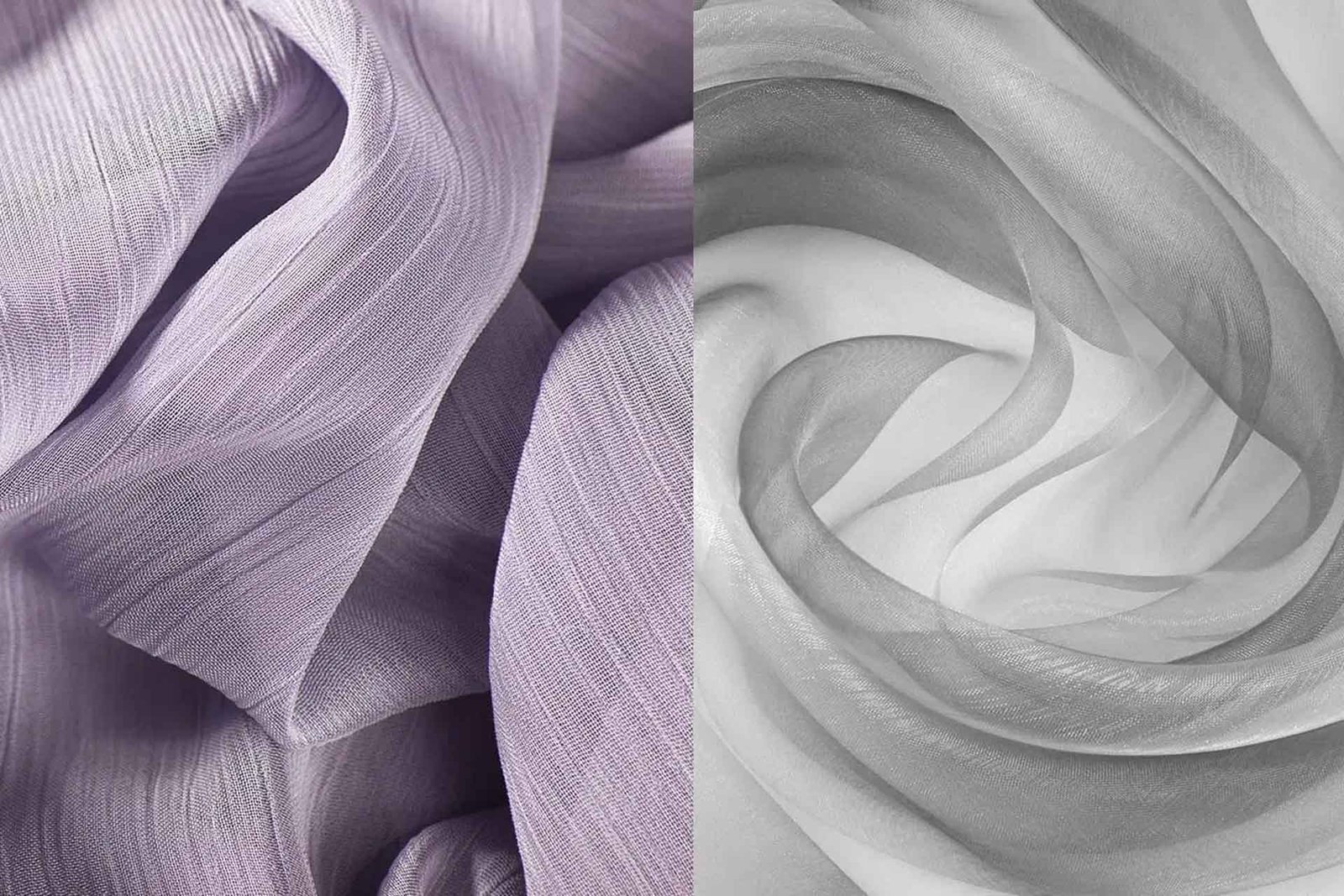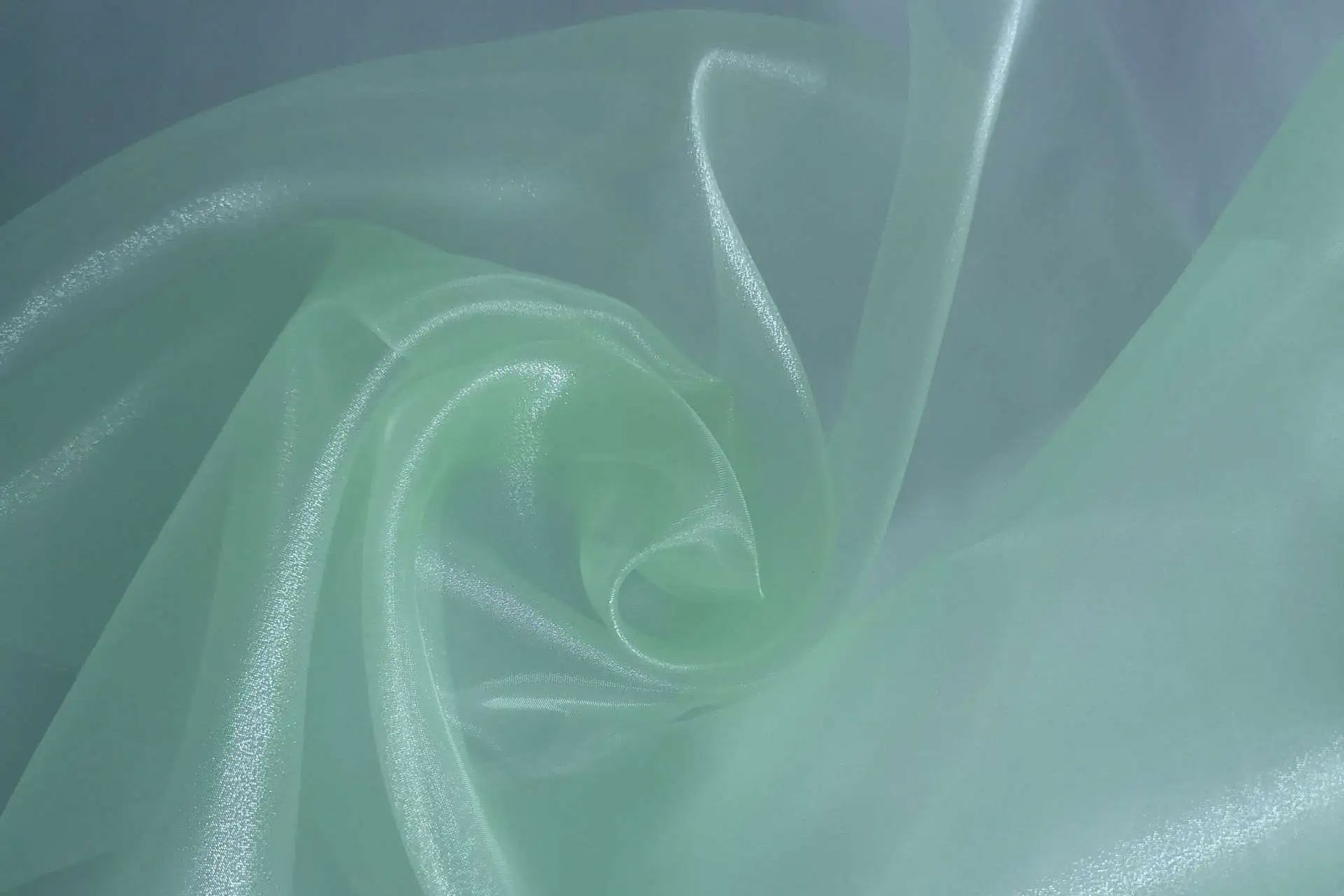
Dupioni silk is one of the most visually distinctive silk fabrics — a crisp, lustrous plain weave textile with characteristic irregular slubs woven throughout the fabric surface. These slubs — thick, irregular yarn sections produced by weaving two silk cocoons simultaneously — are not defects but defining features that give dupioni its unique textured appearance and set it apart from the smooth uniformity of charmeuse, chiffon, or habotai. The combination of high luster, crisp structure, and natural slub texture makes dupioni the silk fabric of choice for structured bridal gowns, formal occasion wear, luxury home textiles, and any application where visual richness and fabric personality are central to the design. This guide covers dupioni silk properties, types, momme specifications, production considerations, and wholesale sourcing for manufacturers specifying dupioni at production scale.
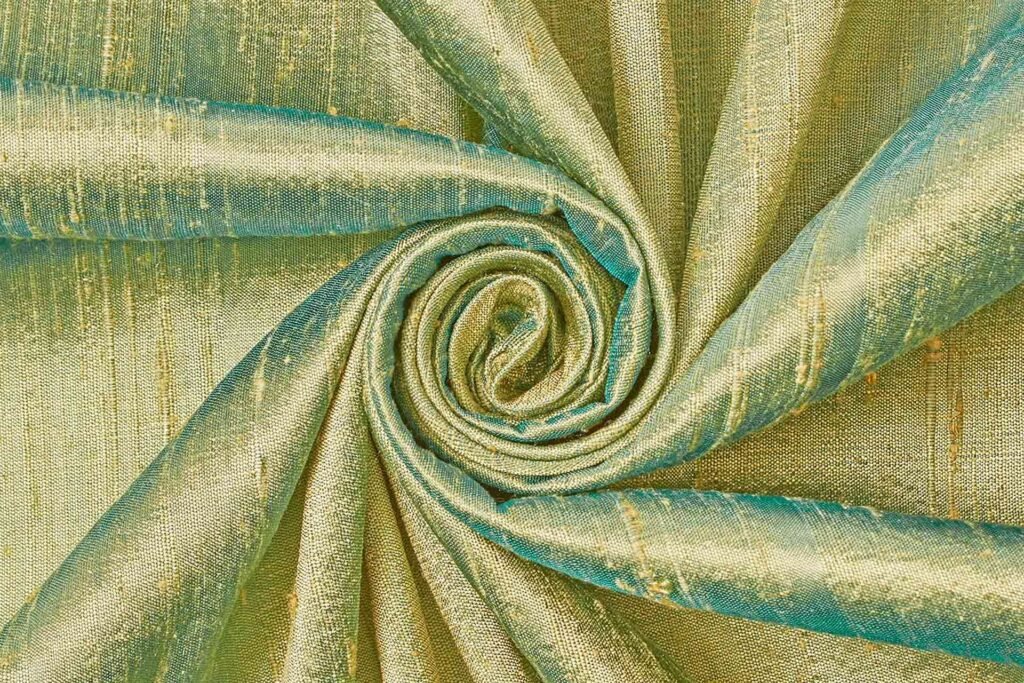
dupioni silk fabric
What Makes Dupioni Silk Unique — The Slub Construction
Dupioni silk gets its characteristic texture from a specific production method: two silk cocoons are reeled simultaneously, producing a yarn where two filaments are twisted together. Where the two filaments cross or bunch, irregular thickened sections — called slubs — form along the yarn length. These slubs are distributed randomly throughout the yarn, creating the characteristic irregular horizontal ribs visible across the fabric surface.
This slub construction produces three defining properties:
Distinctive visual texture. The irregular slubs create a surface pattern of horizontal ribs varying in thickness and spacing — no two pieces of dupioni fabric have identical slub patterns. This natural irregularity is considered a quality characteristic of genuine dupioni, not a defect. The slubs catch light differently from the ground fabric, creating a dimensional, shimmering surface that plain weave silk without slubs cannot replicate.
Crisp, structured hand feel. Dupioni has a characteristically crisp, slightly stiff hand feel — more structured than charmeuse or chiffon, with a firmness that allows it to hold clean silhouette lines without heavy interfacing. This crispness comes from the tightly twisted yarn structure combined with the slub inclusions that add body to the fabric.
High luster with texture contrast. The smooth ground filaments between slubs produce high luster; the slubs themselves produce a more matte, textured reflection. This contrast — lustrous ground against matte slubs — gives dupioni its distinctive visual richness that appears to change character under different lighting conditions.
Types of Dupioni Silk
Standard Dupioni (Shantung) The base dupioni construction — plain weave with natural slub distribution throughout. Available across a wide momme range from lightweight 15mm through standard 20–22mm to heavier constructions. Standard dupioni is the specification for most structured bridal, formal garment, and home textile applications.
Note: Shantung is sometimes used interchangeably with dupioni but technically refers to a slightly finer slub texture — dupioni has more pronounced, irregular slubs while shantung has finer, more regular slubs. In commercial trade the terms are often used for the same fabric.
GSM range: 65–108 GSM (15–25 momme). Best for: structured bridal gowns, formal occasion wear, cocktail dresses, home textile applications, curtains and drapes.
Two-Tone Dupioni (Shot Silk) Produced using warp and weft threads in different colors — the iridescent quality of silk fiber combined with two-color construction creates a fabric that appears to change color depending on viewing angle and light direction. Two-tone dupioni is one of the most visually dramatic silk fabrics available — the color-play effect is amplified by the slub texture.
Best for: statement evening wear, fashion garments where color-play is central to the design, luxury accessories, high-impact occasion wear.
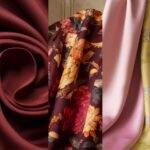
Printed Dupioni Standard dupioni base with digital or screen print applied after weaving. The slub texture creates an irregular print surface — colors appear slightly uneven following the slub pattern — producing a more artisanal, less uniform print character than printing on smooth silk. This characteristic is considered a quality feature in fashion applications.
Best for: fashion garments where the combination of dupioni texture and print design produces a distinctive artisanal aesthetic.
Yarn-Dyed Dupioni Dupioni produced from pre-dyed yarn — the color is in the fiber before weaving rather than applied after. Yarn-dyed dupioni has superior color fastness compared to piece-dyed constructions and is particularly effective for two-tone effects where precise color control of individual yarn components is required.
Best for: premium garments where maximum color fastness and depth are specification requirements.
Dupioni Silk Momme Guide
| Momme | GSM | Character | Best Applications |
|---|---|---|---|
| 15–17mm | 65–73 GSM | Lightweight, crisp, good luster | Lightweight blouses, scarves, light structured garments |
| 17–20mm | 73–86 GSM | Standard weight, balanced structure | Standard bridal, formal garments, cocktail dresses |
| 20–22mm | 86–95 GSM | Mid-weight, excellent structure | Structured bridal gowns, formal occasion wear, home textiles |
| 22–25mm | 95–108 GSM | Substantial, maximum structure | Heavy bridal, curtains, upholstery, structured fashion garments |
For most bridal and formal garment applications, 20–22mm dupioni covers the standard specification range — providing the crisp structure needed for tailored construction without excessive weight. Lighter weights (15–17mm) are used for less structured applications — blouses, scarves, and garments where dupioni's texture is wanted without its full structural character.
Dupioni Silk vs Other Structured Silk Fabrics
Dupioni occupies a specific position in the silk fabric range — crisp and structured like organza but heavier and more opaque; textured and lustrous but less fluid than charmeuse.
| Factor | Dupioni Silk | Silk Organza | Silk Charmeuse |
|---|---|---|---|
| Structure | Crisp, medium-heavy | Crisp, sheer-light | Fluid, soft |
| Transparency | Opaque at standard momme | Sheer | Opaque |
| Surface texture | Slub texture, irregular ribs | Smooth, crisp | Smooth, no texture |
| Luster | High with texture contrast | Moderate, structured sheen | High, directional |
| Drape | Structured, holds silhouette | Very stiff, creates volume | Fluid, follows body |
| Hand feel | Crisp, firm | Papery, stiff | Soft, smooth |
| Best garment type | Tailored, structured formal | Sculptural, layered volume | Draped, fluid evening wear |
Decision guide:
- Structured bridal gown with clean lines → dupioni
- Ball gown with volume and layers → organza
- Draped evening gown with fluid movement → charmeuse
- Garment combining structure and volume → dupioni body with organza layers
Dupioni Silk in Home Textiles
Dupioni's combination of high luster, crisp structure, and distinctive slub texture makes it one of the most widely specified silk fabrics for luxury home textile applications — particularly curtains, cushion covers, and decorative panels.
Curtains and Drapes Dupioni silk curtains are a signature luxury interior product — the high luster catches window light dramatically and the slub texture creates visual interest without requiring pattern or embellishment. The crisp structure of dupioni allows curtains to hang in clean, precise folds without elaborate heading construction. At 20–25mm, dupioni provides sufficient weight for curtains to hang well without requiring heavy lining.
Width considerations: standard dupioni is produced at 114cm (44') — slightly narrower than standard curtain fabric widths. Multiple widths must be joined for standard window spans. Factor additional seaming into cost calculations for curtain programs.
Cushion Covers and Decorative Pillows Dupioni's formal aesthetic and texture richness make it a premium choice for decorative cushion covers in luxury residential and hospitality interior applications. The fabric holds its shape well in cushion construction and maintains its appearance through light use.
Bed Runners and Table Linen Heavier dupioni at 22–25mm is used for bed runners, table runners, and decorative table linen where the fabric's visual richness and structure are appropriate for formal presentation applications.
Production Considerations for Dupioni Silk
Slub management in cutting Dupioni's irregular slubs mean that no two sections of fabric are visually identical. In garment production, manage slub distribution across pattern pieces — avoid placing large, prominent slubs at focal points (bust, seat) unless this is a deliberate design choice. For garments requiring visual consistency across panels, inspect fabric carefully before cutting and plan panel placement to balance slub distribution.
Fraying Dupioni frays more readily than smooth silk fabrics — the slub yarn structure creates irregular edges that release fibers quickly at cut edges. Finish all seam allowances immediately after cutting using overlock, Hong Kong finish, or French seams. Do not leave cut dupioni edges unfinished — fraying will progress rapidly.
Seam behavior Dupioni's crisp structure means seams hold their shape well — the fabric does not shift or stretch in seam areas as softer silks can. Standard seam allowances (15mm) are appropriate. Press seams open for a clean finish — dupioni responds well to pressing and holds pressed creases cleanly.
Pressing Press at maximum 140°C on the reverse face with a pressing cloth on the face side — direct pressing contact can cause the slubs to flatten permanently, reducing the three-dimensional texture that is dupioni's defining quality. A light steam pressing sets seams cleanly without damaging the slub texture.
Pattern matching Dupioni's irregular slub pattern cannot be matched across seams — this is a characteristic of the fabric, not a production error. Designs for dupioni should not rely on pattern matching at seam lines. The irregular slub distribution is considered a natural beauty of the fabric rather than a defect.
Key Specifications to Confirm When Sourcing Dupioni Silk
| Specification | What to Confirm | Standard |
|---|---|---|
| Fiber content | 100% mulberry silk, lab test confirmed | Per agreed spec |
| Silk grade | 5A or 6A minimum | Per application requirement |
| Construction | Standard dupioni, two-tone, printed, yarn-dyed | Per design requirement |
| Momme weight | mm, physical sample weighing | Per application — see momme table |
| GSM | Physical sample weighing | ±5% tolerance |
| Width | 114cm standard | Confirm before pattern grading |
| Slub density | Confirm against physical sample | Natural variation — confirm acceptable range |
| Color fastness — washing | Grade rating | Minimum Grade 3–4 |
| Color fastness — light | UV stability | Minimum Grade 4 for curtains |
| Shrinkage | After hand wash | ≤5% acceptable |
| Certifications | OEKO-TEX, Silk Mark | Per buyer requirement |
| MOQ | Per order type | See below |
| Lead time | Stock vs custom | Stock: 3–5 days / Custom: 7 days |
MOQ by Order Type:
| Order Type | MOQ |
|---|---|
| Stock dupioni, standard colors | 50–100 meters per color |
| Custom dyeing or two-tone | 150–300 meters per color |
| Digital or screen print | 100–200 meters per pattern |
Frequently Asked Questions — Dupioni Silk
Are the slubs in dupioni silk defects? No — the slubs are the defining feature of dupioni silk, not defects. They are produced intentionally by reeling two cocoons simultaneously, creating irregular yarn thickening that gives dupioni its characteristic texture and visual richness. A piece of dupioni without slubs would not be dupioni — it would be a standard plain weave silk like habotai. When evaluating dupioni fabric samples, slub distribution and character should be assessed against an agreed reference sample rather than against a standard of uniformity.
What is the difference between dupioni and shantung? In commercial trade, dupioni and shantung are often used interchangeably. Technically, dupioni has more pronounced, irregular slubs produced by two-cocoon reeling; shantung has finer, more regular slubs and a slightly smoother surface. Both are crisp, lustrous plain weave silk fabrics with slub texture — the distinction is one of degree rather than fundamental construction difference. Confirm the specific slub character against a physical sample regardless of which term is used.
Can dupioni silk be dry cleaned? Yes — dry cleaning is the recommended care method for dupioni silk garments. The crisp structure of dupioni can be affected by wet washing — the fabric may soften slightly and lose some of its characteristic stiffness after repeated wet cleaning. For home textile applications (curtains, cushion covers), professional dry cleaning is standard. Some dupioni fabrics are pre-treated for improved washability — confirm care requirements with your supplier.
Is dupioni suitable for wedding gowns? Yes — dupioni is a widely specified bridal fabric, particularly for structured, tailored, or architectural wedding gown designs where the fabric's crisp structure and visual richness are appropriate. It is less suitable for draped, fluid bridal designs where silk chiffon or charmeuse would be more appropriate. Dupioni's slub texture adds visual interest and individuality to bridal garments — no two dupioni gowns have identical fabric texture, which appeals to many bridal buyers.
What is the minimum order for wholesale dupioni silk? Stock dupioni in standard colors: 50–100 meters per color. Custom dyeing and two-tone development: 150–300 meters minimum. Digital print: 100–200 meters per pattern. Sample cost $25–$80 per meter depending on momme, deductible from bulk order.
Source Wholesale Dupioni Silk from XINGYE TEXTILE
XINGYE TEXTILE supplies wholesale dupioni silk — standard, two-tone, printed, and yarn-dyed constructions — in 5A and 6A mulberry silk, from 15 to 25 momme, serving bridal manufacturers, evening wear brands, luxury home textile producers, and wholesale silk fabric buyers worldwide. Factory-direct pricing, MOQ from 50 meters for stock colors, free swatches available before bulk commitment.
→ Browse Our Full Fabric Range → Read: Silk vs Satin → Read: Types of Silk Fabric → Read: Silk Organza Fabric → Read: Silk Satin Fabric → Request a Free Swatch → Get a Wholesale Quote