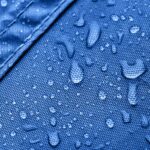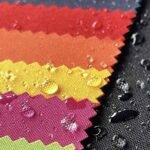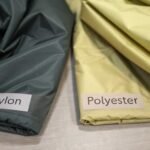
Waterproof nylon fabric combines nylon's superior abrasion resistance, soft hand feel, and mechanical durability with waterproof coating or laminate finishing — producing a fabric that outperforms equivalent polyester waterproof constructions in every dimension that matters for premium outdoor garments, technical bags, and performance equipment. The choice of base denier, coating type, and waterproof performance level determines the finished fabric's weight, flexibility, cost, and application suitability. This guide covers the full range of waterproof nylon fabric specifications — from lightweight 210D DWR-treated shell fabric through to heavy-duty 840D TPU laminate — with application mapping, performance data, and wholesale sourcing information for manufacturers making specification decisions at production scale.
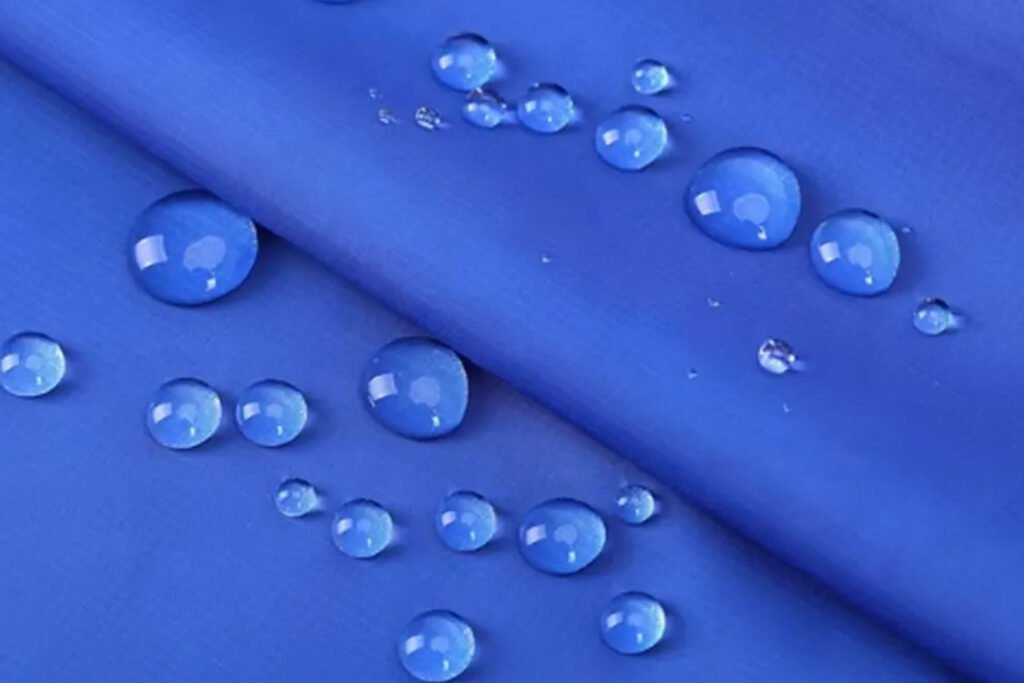
waterproof nylon fabric
Why Nylon Is the Premium Choice for Waterproof Fabric
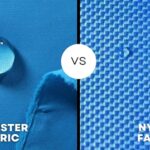
Waterproof fabric can be produced on either nylon or polyester base — and for most standard commercial applications, polyester base waterproof fabric is the cost-effective default. But nylon base waterproof fabric delivers specific performance advantages that polyester cannot match, which is why nylon is specified in premium outdoor garments, technical bags, and high-performance applications despite the 15–30% cost premium.
Superior abrasion resistance Nylon has significantly higher abrasion resistance than polyester at equivalent denier. A waterproof nylon jacket or bag maintains its face fabric surface appearance through sustained outdoor use — contact with rock, vegetation, equipment, and rough surfaces — significantly longer than equivalent polyester waterproof fabric. For technical outdoor garments and premium bags where long service life under demanding conditions is a product specification requirement, nylon base fabric is the correct choice.
Lighter weight at equivalent denier Nylon fiber is slightly lighter than polyester at the same denier rating — a 210D nylon base weighs 85–100 GSM versus 75–90 GSM for 210D polyester. The weight advantage compounds across a finished garment's multiple panels. For ultralight outdoor garments and technical bags where minimizing finished product weight is a design priority, nylon base fabric produces lighter finished fabric than equivalent polyester construction.
Softer, more premium hand feel Nylon fiber produces a noticeably softer, more supple surface than polyester at equivalent construction. Waterproof nylon garments feel more textile-like and comfortable against the body than polyester equivalents — a quality perception difference that supports premium product positioning and justifies higher retail price points.
Better cold-weather flexibility Nylon maintains its flexibility and drape at low temperatures better than polyester. Waterproof nylon garments remain soft and comfortable in cold conditions where polyester fabrics can stiffen slightly — a meaningful performance difference for outdoor winter garments and cold-climate applications.
Waterproof Nylon Fabric by Denier — Weight and Application Guide
| Denier | Base Weight | Typical Finished Weight | Character | Best Applications |
|---|---|---|---|---|
| 210D Nylon | 85–100 GSM | 130–160 GSM | Lightweight, packable, good drape | Ultralight rain jackets, packable windbreakers, lightweight cycling gear, stuff sacks |
| 420D Nylon | 160–180 GSM | 200–230 GSM | Mid-weight, balanced durability | Standard outdoor jackets, everyday backpacks, hiking gear, technical daypacks |
| 600D Nylon | 220–250 GSM | 260–300 GSM | Heavy-duty, structured | Hard-use backpacks, technical bags, heavy outdoor garments, equipment covers |
| 840D Nylon | 300–330 GSM | 350–400 GSM | Maximum durability, rigid | Tactical bags, military-style gear, extreme-duty outdoor equipment |
Denier selection principle: Lower denier for garments where packability, light weight, and drape are priorities. Higher denier for bags and equipment where structural rigidity and abrasion resistance under heavy use are the specification requirements. For most outdoor jacket applications, 210D–420D nylon covers the standard specification range. For bags and packs, 420D–600D is most widely specified.
Coating Options — DWR, PU, and TPU on Nylon Base
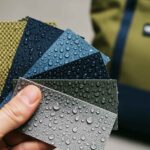
DWR (Durable Water Repellent) Surface treatment applied to the face of the nylon base fabric. DWR modifies the surface energy of the fabric to cause water to bead and roll off rather than being absorbed by the fiber. DWR does not create a continuous waterproof barrier — sustained rain or direct water pressure will eventually penetrate the fabric. DWR is the lightest-weight option, adding minimal weight and maintaining maximum breathability and fabric hand feel.
Performance on nylon base:
- Water resistance: 500–1,500 mmH₂O
- Breathability: 4,000–6,000 g/m²/24h
- Best for: light rain protection, wind-resistant shell layers, active outdoor garments where breathability is the primary requirement and full waterproofing is not needed
PU Coating (Polyurethane) Liquid polyurethane coating applied to the reverse face of the nylon base fabric — creating a continuous flexible waterproof barrier. PU coating is the most widely used waterproofing treatment for nylon fabric in commercial outdoor garment and bag production — balancing waterproof performance, breathability, weight addition, and cost effectively for the majority of applications.
Performance on nylon base:
- Waterproof rating: 2,000–4,000 mmH₂O
- Breathability: 2,000–3,500 g/m²/24h
- Weight addition: approximately 30–50 GSM above base fabric
- Best for: standard rain jackets, outdoor workwear, tents, outdoor bags, and applications requiring reliable waterproofing at competitive cost
TPU Laminate (Thermoplastic Polyurethane) Pre-formed TPU film bonded to the nylon base fabric under controlled heat and pressure. TPU laminate produces higher waterproof performance and better breathability than PU coating — the controlled microporous film structure allows moisture vapor to escape while blocking liquid water penetration. TPU laminate is also RF-weldable, enabling seamless waterproof construction without stitched seams.
Performance on nylon base:
- Waterproof rating: 5,000–10,000 mmH₂O
- Breathability: 3,000–8,000 g/m²/24h
- Weight addition: approximately 20–40 GSM above base fabric
- Best for: premium outdoor jackets, technical sportswear, dry bags, waterproof laptop bags, medical protective clothing, and applications requiring maximum breathability alongside high waterproof performance
DWR vs PU vs TPU — Which Coating for Your Application
| Factor | DWR | PU Coating | TPU Laminate |
|---|---|---|---|
| Waterproof rating | 500–1,500 mmH₂O | 2,000–4,000 mmH₂O | 5,000–10,000 mmH₂O |
| Breathability | 4,000–6,000 g/m²/24h | 2,000–3,500 g/m²/24h | 3,000–8,000 g/m²/24h |
| Weight addition | Minimal | 30–50 GSM | 20–40 GSM |
| Cold flexibility | Excellent | Good | Excellent |
| RF weldable | No | No | Yes |
| Cost | Lowest | Medium | Highest |
| Durability | Needs re-application over time | Permanent | Permanent |
| Best for | Light rain, wind protection | Standard outdoor, workwear, bags | Premium outdoor, dry bags, medical |
Decision guide:
- Light rain protection only → DWR
- Standard outdoor jacket or bag → PU coating on 210D–420D nylon
- Premium outdoor jacket with breathability requirement → TPU laminate on 210D–420D nylon
- Dry bag or seamless waterproof construction → TPU laminate, RF-weldable
- Maximum waterproof at lowest cost → PU coating on 420D–600D nylon
Application Guide — Waterproof Nylon by Product Category
Outdoor and Rain Jackets 210D–420D nylon base with PU coating or TPU laminate is the standard specification for outdoor shell jackets. 210D nylon PU for lightweight and packable rain jackets; 420D nylon TPU for technical outdoor jackets requiring higher breathability and waterproof performance for sustained activity in heavy rain.
Recommended spec — lightweight: 210D nylon, PU coating, 2,000–3,000 mmH₂O, 130–160 GSM finished. Recommended spec — technical: 420D nylon, TPU laminate, 5,000–10,000 mmH₂O, 200–230 GSM finished.
Cycling and Performance Sportswear Lightweight 210D nylon with DWR or TPU laminate — the lightest possible waterproof construction for maximum packability and minimum weight penalty during sustained physical activity. DWR for light rain and wind protection; TPU for sustained rain exposure during cycling and outdoor sport.
Recommended spec: 210D nylon, DWR or TPU laminate, 85–160 GSM finished weight.
Waterproof Backpacks and Technical Bags 420D–600D nylon with PU coating (standard) or TPU laminate (premium/dry bag). Nylon base delivers better abrasion resistance than polyester for bag face fabric in demanding outdoor use. TPU laminate for RF-weldable seamless construction in dry bags and waterproof laptop bags.
Recommended spec — standard: 420D nylon, PU coating, 200–230 GSM finished. Recommended spec — premium/dry bag: 420D–600D nylon, TPU laminate, RF-weldable.
Tactical and Military Bags 600D–840D nylon with PU or TPU coating for maximum abrasion resistance alongside waterproof protection. Heavy-duty military-style bags specify 840D nylon for maximum panel rigidity and durability under tactical load-bearing conditions.
Recommended spec: 840D nylon, PU or TPU coating, 350–400 GSM finished.
Workwear and Industrial Protective Clothing 420D nylon with PU coating for waterproof workwear in physically demanding outdoor environments — construction, outdoor maintenance, agriculture. Nylon base chosen over polyester for better abrasion resistance in high-wear applications.
Recommended spec: 420D nylon, PU coating, 2,000–4,000 mmH₂O, 200–230 GSM finished.
Key Specifications to Confirm When Sourcing Waterproof Nylon Fabric
| Specification | What to Confirm | Standard |
|---|---|---|
| Base fiber | Nylon confirmed by lab test | 100% nylon |
| Denier | 210D, 420D, 600D, or 840D | Per application requirement |
| Coating type | DWR, PU coating, or TPU laminate | Per performance requirement |
| Base fabric GSM | Before coating, physical sample | ±5% tolerance |
| Finished GSM | After coating, physical sample | ±5% tolerance |
| Waterproof rating | mmH₂O, ISO 811 or AATCC 127 | Per application minimum |
| Breathability | g/m²/24h, confirm test method | Per application requirement |
| RF weldability | For seamless construction | Confirm for TPU laminate |
| Width | Usable width after selvage | Standard 144cm (57/58') |
| Color fastness — washing | Grade rating | Minimum Grade 4 |
| Color fastness — light | UV stability | Minimum Grade 4 |
| REACH compliance | Chemical safety | Phthalate-free for EU market |
| Certifications | OEKO-TEX Standard 100 | Per buyer requirement |
| MOQ | Per order type | 500m stock / 1,500–2,000m custom |
| Lead time | Stock vs custom | Stock: 3–5 days / Custom: 7–20 days |
Frequently Asked Questions — Waterproof Nylon Fabric
Is waterproof nylon better than waterproof polyester? For premium outdoor garments, technical bags, and performance applications — yes. Nylon base waterproof fabric delivers better abrasion resistance, lighter weight at equivalent denier, softer hand feel, and better cold-weather flexibility than equivalent polyester waterproof fabric. For standard commercial applications — workwear, tents, promotional bags, outdoor furniture — polyester base waterproof fabric delivers adequate performance at lower cost. The choice depends on your application, performance requirements, and target price point.
What is the difference between PU coated and TPU laminate nylon fabric? PU coating applies liquid polyurethane to the fabric reverse — a simpler, lower-cost process producing 2,000–4,000 mmH₂O waterproof performance. TPU laminate bonds a pre-formed microporous film to the fabric — a more controlled process producing 5,000–10,000 mmH₂O waterproof performance and higher breathability. TPU laminate is also RF-weldable for seamless construction. For standard outdoor garments and bags, PU coating is sufficient. For premium performance outdoor jackets, dry bags, and seamless waterproof construction, TPU laminate is the correct specification.
How do I maintain DWR performance on nylon waterproof fabric? DWR surface treatment gradually degrades through washing and physical abrasion — the fabric's waterproof performance reduces over time as the DWR treatment is depleted. DWR can be restored by tumble drying the garment on low heat (reactivates the DWR finish) or by applying aftermarket DWR spray. Instruct end customers to wash DWR-treated garments inside out in cold water with technical fabric detergent — standard detergent residue coats fiber surfaces and reduces DWR performance.
Can waterproof nylon fabric be custom printed? Sublimation printing on nylon fabric requires lower temperature than polyester — confirm printing parameters with your supplier before production. Surface printing (screen print, digital print) on PU-coated nylon is possible but adhesion varies by coating formulation — request print adhesion test results before committing to bulk printed production. For fashion outdoor garments requiring custom print designs, confirm the specific printing method and coating compatibility before finalizing specifications.
What is the minimum order for wholesale waterproof nylon fabric? Standard MOQ for stock waterproof nylon fabric in regular colors is 500 meters per color. Custom dyeing and functional coating requires 1,500–2,000 meters minimum. Free A4 swatches available with waterproof performance test reports on request — contact our team to confirm availability for your specific denier and coating requirement.
Source Wholesale Waterproof Nylon Fabric from XINGYE TEXTILE
XINGYE TEXTILE supplies wholesale waterproof nylon fabric — 210D to 840D nylon base, with DWR, PU coating, and TPU laminate finishing — serving outdoor garment manufacturers, technical bag brands, workwear producers, and performance equipment buyers worldwide. Factory-direct pricing, MOQ from 500 meters for stock colors, free swatches and waterproof performance test reports available before bulk commitment.
Contact our sourcing team with your denier requirement, coating type, waterproof rating, quantity, and destination for a formal quotation within 24 hours.
→ Browse Nylon / Polyamide Fabric → Browse Fabric for Bags → Read: What Is Waterproof Fabric? → Read: Nylon vs Polyester in Waterproof Laminates → Read: Best Waterproof Fabric for Bags → Read: Nylon vs Polyester Fabric → Request a Free Swatch → Get a Wholesale Quote