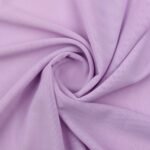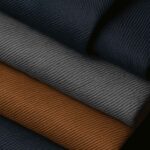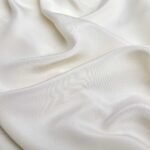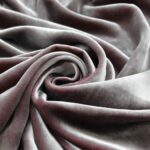
Brushed nylon fabric is a knit nylon textile with a raised fiber surface — produced by passing the fabric through rollers with fine wire bristles that lift individual fibers from the yarn structure, creating a soft, dense nap on one or both faces of the fabric. The brushing process transforms standard nylon knit fabric into a textile that feels significantly softer against skin, traps air within the raised fiber structure for thermal insulation, and maintains nylon's core performance properties — abrasion resistance, stretch recovery, and moisture management. Brushed nylon is the standard fabric for activewear lining, thermal base layers, soft-shell jacket interiors, and close-contact garments where skin-contact softness alongside nylon's technical performance is the specification requirement.
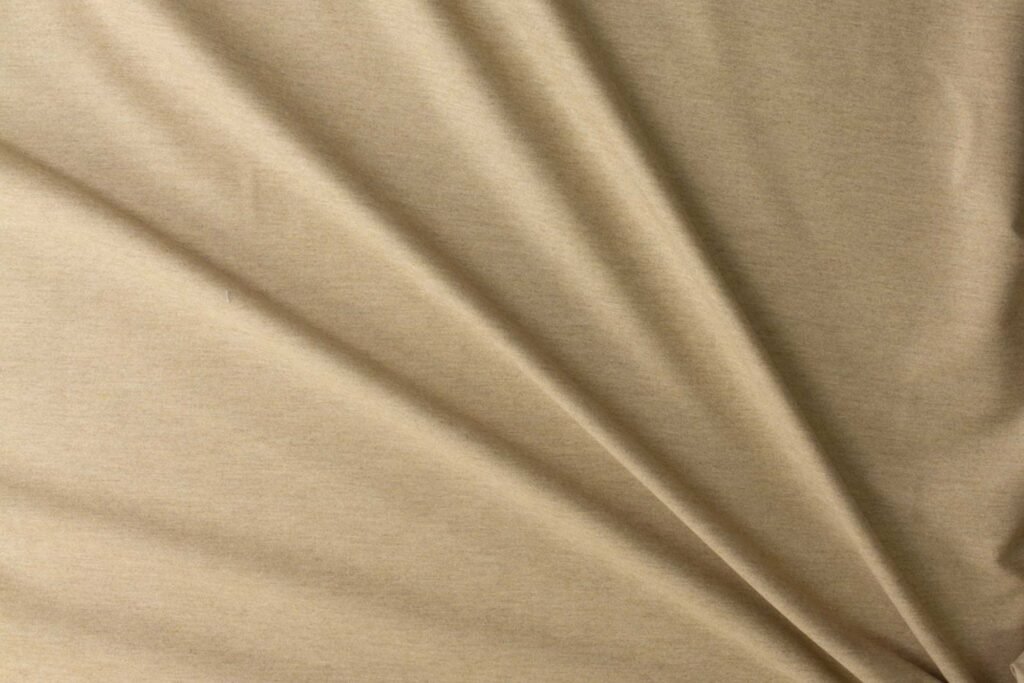
brushed nylon
What the Brushing Process Does
Standard nylon knit fabric — whether plain jersey or interlock construction — has a smooth surface where individual fibers are locked into the yarn structure. The fabric is functional but has a relatively firm hand feel against skin.
Brushing modifies this surface by mechanically raising individual fibers from the yarn — fine wire rollers run against the fabric surface in a controlled process that pulls fiber ends upward without breaking the yarn structure. The result is a dense, soft nap on the brushed face that changes the fabric's performance in three specific ways:
Dramatically softer hand feel. The raised fiber surface creates a fabric that feels significantly softer and more comfortable against skin than unbrushed nylon at the same fiber composition and GSM. This softness is the primary reason brushed nylon is specified for close-contact garments — activewear lining, thermal underwear, and base layers where skin contact is continuous during wear.
Thermal insulation through air trapping. The raised nap traps air within the fiber structure — creating an insulating layer that retains body heat more effectively than smooth-surface fabric at the same weight. Brushed nylon provides meaningful thermal performance for base layers and cold-weather activewear without the bulk of traditional insulation materials.
Single-face vs double-face brushing. Single-face brushed nylon has the nap on the inner face only — the outer face retains its original smooth nylon surface for abrasion resistance and moisture management. Double-face brushed nylon has nap on both faces — maximum softness and thermal performance at the cost of slightly higher weight and reduced outer face durability. Single-face brushing is standard for most activewear and outerwear lining applications; double-face for maximum-softness thermal underwear.
Brushed Nylon Compositions
100% Nylon Brushed Pure nylon brushed fabric delivers maximum abrasion resistance and the best moisture management performance — nylon's low moisture absorption allows sweat to move through the fabric quickly rather than being absorbed by the fiber. 100% nylon brushed fabric is specified for outdoor and technical applications where durability alongside softness is required.
Best for: soft-shell jacket linings, outdoor garment interiors, technical activewear lining, and applications where abrasion resistance must be maintained alongside the soft brushed surface. GSM range: 150–260 GSM.
Nylon Spandex Brushed (Most Widely Used) Adding 5–20% spandex to the nylon base produces brushed fabric with 4-way stretch alongside the soft brushed surface — the dominant specification for activewear, compression garments, and fitted thermal base layers. The spandex component allows the fabric to stretch and recover with body movement while the brushed nap maintains skin-contact softness.
Common compositions:
- 87% Nylon / 13% Spandex — standard activewear and thermal underwear specification
- 80% Nylon / 20% Spandex — higher compression for performance base layers and compression garments
Best for: yoga wear, fitted activewear, thermal base layers, compression tights, sports bras with soft lining, and any application requiring stretch alongside brushed softness. GSM range: 150–350 GSM.
GSM Guide for Brushed Nylon
| GSM Range | Character | Best Applications |
|---|---|---|
| 150–190 GSM | Lightweight, single-face brush | Activewear lining, lightweight base layers, sports bra lining |
| 200–260 GSM | Standard weight, good warmth | Standard thermal underwear, fitted activewear, soft-shell lining |
| 270–350 GSM | Heavyweight, maximum warmth | Cold-weather base layers, thick activewear, outdoor garment lining |
Applications
Activewear Lining Brushed nylon spandex at 150–200 GSM is the standard lining for yoga pants, leggings, and fitted activewear where the outer face is smooth performance fabric and the inner face requires skin-contact softness. The brushed inner surface eliminates the slightly firm feel of standard nylon knit against skin during sustained physical activity.
Thermal Base Layers and Underwear 200–260 GSM brushed nylon spandex — double-face brushed for maximum warmth — is the standard specification for thermal underwear and cold-weather base layers. The brushed nap traps body heat while the spandex component maintains the close fit needed for effective thermal performance.
Soft-Shell Jacket Lining 100% nylon brushed fabric at 180–240 GSM is used as the interior lining of soft-shell jackets and outerwear — the brushed face provides warmth and comfort against the mid-layer garment worn underneath; the smooth outer face bonds to the outer shell fabric during lamination.
Sports Bra and Intimate Apparel Lightweight brushed nylon spandex at 150–190 GSM is used in sports bra construction where direct skin contact in the cup and band areas requires maximum softness alongside the stretch and support that nylon spandex provides.
Outdoor Accessories Brushed nylon at 200–300 GSM is used in hat and glove linings, neck gaiters, and outdoor accessories where thermal comfort alongside packability is the specification requirement.
Key Specifications to Confirm
| Specification | What to Confirm | Standard |
|---|---|---|
| Fiber composition | Nylon %, spandex % | Per agreed spec |
| Brushing type | Single-face or double-face | Per application requirement |
| GSM | Physical sample weighing | ±5% tolerance |
| Stretch direction | 2-way or 4-way | Per garment requirement |
| Stretch recovery | % recovery after extension | Minimum 90% |
| Pilling resistance | Grade 1–5 | Minimum Grade 3–4 |
| Color fastness — washing | Grade rating | Minimum Grade 4 |
| Certifications | OEKO-TEX, GRS where required | Per buyer requirement |
| MOQ | Per order type | See below |
| Lead time | Stock vs custom | Stock: 3–5 days / Custom: 7 days |
MOQ by Order Type:
| Order Type | MOQ |
|---|---|
| Stock brushed nylon, standard colors | 500–1,000 meters per color |
| Custom dyeing or functional finish | 1,000–1,500 meters per color |
Frequently Asked Questions
Is brushed nylon the same as fleece? No — brushed nylon and fleece are different fabrics produced through different processes from different base constructions. Fleece is typically 100% polyester knit with a deep plush pile produced through a more aggressive napping process — it has a bulkier, more insulating character and is used in outerwear and mid-layers. Brushed nylon has a finer, denser nap that is softer against skin but less insulating than fleece — it is used in close-contact base layers, activewear lining, and fitted garments where fleece's bulk would be inappropriate.
Does brushed nylon pill? All brushed fabrics have some tendency to pill — the raised fiber surface creates opportunities for fiber ends to tangle into balls under friction. Quality brushed nylon with appropriate fiber length control and pilling-resistant finishing achieves Grade 3–4 pilling resistance (ISO 12945) — acceptable for commercial activewear and base layer applications. Always request pilling test results before confirming bulk production for garments that will experience sustained friction during wear.
What is the minimum order for wholesale brushed nylon? Standard MOQ for stock brushed nylon in regular colors is 500–1,000 meters per color. Custom dyeing and functional finishing requires 1,000–1,500 meters minimum. Free swatches available before bulk commitment — contact our team to confirm availability for your specific composition and GSM requirement.
Source Wholesale Brushed Nylon Fabric from XINGYE TEXTILE
XINGYE TEXTILE supplies wholesale brushed nylon fabric — 100% nylon and nylon spandex compositions in 87/13 and 80/20 ratios — in weights from 150 to 350 GSM, serving activewear brands, thermal underwear manufacturers, soft-shell jacket producers, and wholesale fabric buyers worldwide. Factory-direct pricing, MOQ from 500 meters for stock colors, free swatches available before bulk commitment.
→ Browse Nylon / Polyamide Fabric → Browse Fabric for Activewear → Read: Nylon Spandex Fabric → Read: Types of Nylon Fabric → Request a Free Swatch → Get a Wholesale Quote