What Defines the Lightest Fabric?
Before diving into specific fabrics, it’s important to understand what determines a fabric’s weight. Fabric weight is commonly measured in grams per square meter (gsm), where lower gsm indicates a lighter fabric. Lightweight fabrics typically range from 30 to 150 gsm, while medium and heavyweight fabrics exceed this range.
But weight alone doesn’t tell the whole story. The fiber type, yarn construction, and weave or knit structure all influence how light a fabric feels and performs. For example:
- Fiber type: Silk and fine wool fibers are naturally lighter than cotton or linen.
- Yarn construction: Loosely spun yarns create lighter fabrics.
- Weave structure: Open weaves like chiffon or voile allow more air flow, reducing perceived weight.
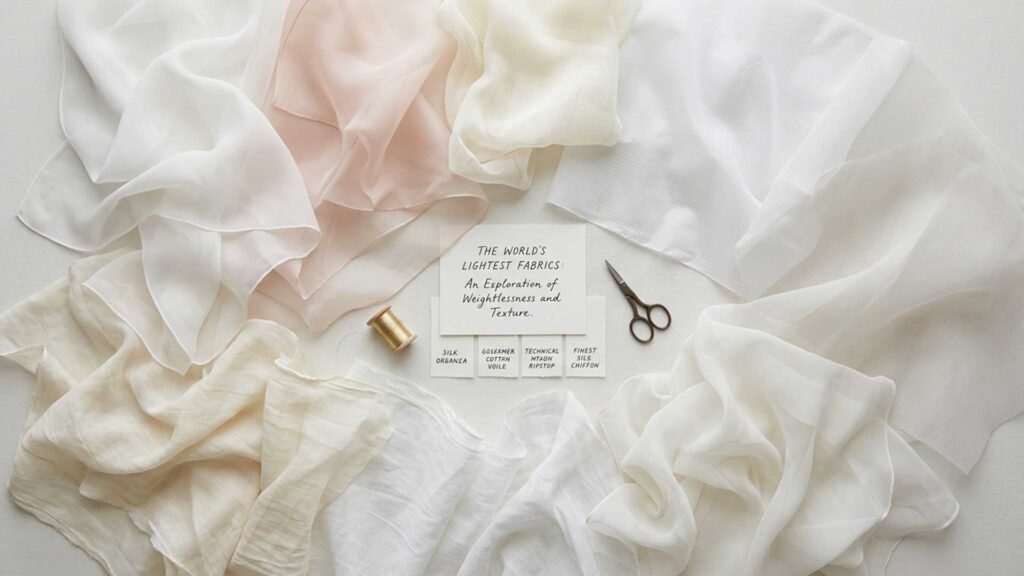
lightest fabric in the world
Natural Lightest Fabrics: Breathability and Comfort
Natural fibers have long been favored for their breathability, softness, and eco-friendliness. Here are some of the lightest natural fabrics that combine these qualities beautifully.
1. Cotton Varieties: Lawn, Voile, Batiste, and Muslin
Cotton is the world’s most widely used fabric, but not all cotton is lightweight. The lightest cotton fabrics include:
- Cotton Voile: A very lightweight, semi-sheer, plain-weave cotton fabric, often weighing between 60-80 gsm. It’s soft, drapes beautifully, and is perfect for summer dresses, blouses, and children’s clothing.
- Cotton Lawn: Slightly heavier than voile (80-100 gsm), lawn is a fine, smooth cotton weave with a crisp hand, ideal for blouses and lightweight shirts.
- Batiste: One of the softest cottons, batiste is delicate and semi-transparent, used in lingerie and baby clothes.
- Muslin: A plain-woven, breathable cotton fabric with a loose weave, muslin is lightweight and great for casual warm-weather garments.
These cotton fabrics are prized for their balance of softness, breathability, and durability, making them top choices for lightweight summer wear.
2. Linen
Linen, made from flax fibers, is renowned for its breathability and moisture-wicking properties. It often feels lighter than cotton at similar gsm due to its hollow fiber structure. Lightweight linen fabrics range from 80 to 150 gsm and are favored for summer shirts, dresses, and pants. Its natural texture and eco-friendly cultivation add to its appeal, although it wrinkles easily.
3. Silk and Silk-Like Fabrics
Silk is among the lightest natural fibers available, with some weaves like chiffon and organza weighing as little as 15-50 gsm. Silk fabrics are smooth, breathable, and drape elegantly. Popular lightweight silk fabrics include:
- Silk Chiffon: Sheer, soft, and flowing, perfect for evening gowns and scarves.
- Silk Organza: Crisp and slightly stiff, used in bridal gowns and structured overlays.
- Crepe de Chine and Georgette: Lightweight silks with subtle textures, ideal for dresses and blouses.
Silk’s luxurious feel and lightness make it a favorite in haute couture, though it requires careful handling and can be costly.
Lightweight Synthetic Fabrics: Durability Meets Innovation
Synthetic fabrics have evolved to meet the demand for lightweight, durable, and moisture-wicking materials, especially in activewear and outdoor gear.
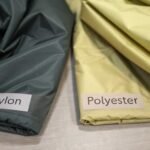
1. Polyester and Microfiber Polyester
Polyester fabrics range from 30 to 150 gsm and are wrinkle-resistant and quick-drying. Microfiber polyester, made from ultra-fine fibers, is even lighter and softer, with excellent moisture management. These fabrics are common in breathable t-shirts, athletic wear, and linings.
2. Nylon and Ripstop Nylon
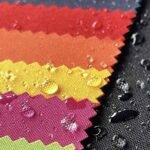
Nylon is known for its strength-to-weight ratio. Lightweight nylon fabrics, such as 7-denier ripstop nylon, can weigh as little as 18 gsm while maintaining durability. Ripstop nylon features a crosshatch weave that prevents tearing, making it ideal for outdoor gear like tents, backpacks, and rain jackets.
3. Spandex and Nylon-Spandex Blends
Spandex alone is very lightweight and stretchy but is typically blended with other fibers for activewear. These blends offer flexibility and comfort without adding bulk, commonly used in leggings, swimwear, and fitted sportswear.
Advanced Technical Fabrics: Pushing the Limits of Lightness
In specialized fields like aerospace, military, and ultralight outdoor gear, technical fabrics push the boundaries of what “lightest” means.
- Dyneema: One of the strongest and lightest fibers, 15 times stronger than steel by weight, used in protective gear and ultralight backpacks.
- Kevlar and Aramid Fibers: Known for strength and heat resistance, used in bulletproof vests and fire-resistant clothing.
- Carbon Fiber and Vectran: Extremely light and strong, used in aerospace and high-performance sports equipment.
While not typical for everyday apparel, these fabrics demonstrate the innovative possibilities in lightweight textile technology.
Choosing the Right Light Fabric for Your Needs
Selecting the lightest fabric in the world depends largely on the intended use. Here’s a quick guide:
| Garment Type | Recommended Lightweight Fabrics | Typical GSM Range |
|---|---|---|
| Summer Dresses & Blouses | Cotton Voile, Chiffon, Rayon, Tencel, Silk Georgette | 60 – 130 gsm |
| Casual T-Shirts & Tops | Cotton Jersey, Cotton Lawn, Modal, Polyester Microfiber | 90 – 160 gsm |
| Lightweight Suits & Shirts | Cotton Poplin, Seersucker, Tropical Wool, Linen | 100 – 230 gsm |
| Activewear & Performance | Nylon-Spandex Blend, Polyester Microfiber, Mesh | 30 – 150 gsm |
| Outdoor Gear & Technical | Ripstop Nylon, Dyneema, Silicone-Coated Fabrics | 20 – 100 gsm |
How to Identify Lightweight Fabrics When Shopping
- Look for gsm labels: Lower gsm indicates lighter weight.
- Check the weave: Open weaves like voile and chiffon feel lighter and more breathable.
- Feel the fabric: Lightweight fabrics tend to be soft, airy, and drape easily.
- Observe transparency: Sheer fabrics are usually lighter.
- Ask for fabric certifications: Sustainable fabrics often come with Oeko-Tex, GOTS, or BCI certifications.
Caring for Lightweight Fabrics
Lightweight fabrics often require gentle care to maintain their softness and structure:
- Wash in cold water on gentle cycles or hand wash.
- Use mild detergents and avoid bleach.
- Air dry away from direct sunlight.
- Store loosely folded to prevent stretching.
- Use mesh laundry bags for delicate items.
Conclusion: The Lightest Fabric in the World Is More Than Just Weight
The lightest fabric in the world is a concept that varies depending on context—whether by raw weight, feel, or performance. Natural fibers like silk chiffon and cotton voile offer unmatched breathability and comfort for everyday wear, while synthetics like microfiber polyester and ripstop nylon provide durability and moisture management for active lifestyles. For specialized applications, technical fabrics like Dyneema push the limits of lightness and strength.
Understanding fabric weight, fiber types, and weave structures empowers you to make informed choices—whether you’re designing a summer collection, sourcing materials for activewear, or simply seeking the perfect lightweight garment. Explore the rich variety of lightweight fabrics and embrace comfort without compromise.
Take Action
Ready to experience the benefits of the lightest fabric in the world? Whether you’re shopping for your wardrobe or sourcing materials for your brand, consider the fabric’s gsm, fiber content, and weave. Share this guide with fellow fashion lovers and explore lightweight fabric options that keep you cool, comfortable, and stylish all year round.