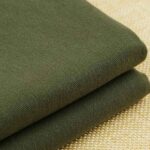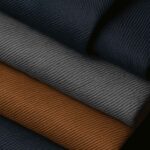
There's no single best fabric for trousers — the right choice depends on how structured you want the pants to look, how much movement they need to allow, and how often they'll be worn or washed. Wool and wool blends suit tailored, structured trousers; cotton twill and chino fabric suit everyday casual pants; poly-cotton blends suit workwear and uniform pants; and stretch-woven blends suit pants that need to move with the body. Here's how to actually choose between them instead of defaulting to whatever's trending.
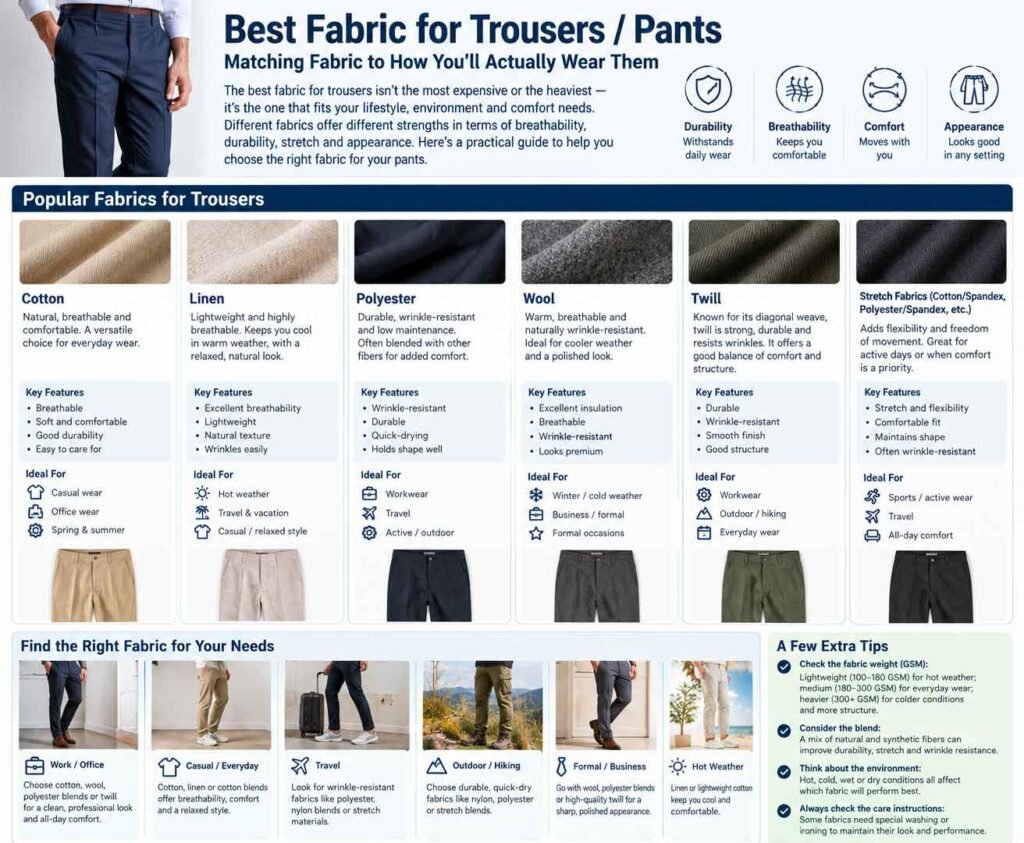
Best Fabric for Trousers / Pants
Why 'Best Fabric' Depends Entirely on the Silhouette You Want
This is the part most fabric guides skip: trouser fabric choice isn't really about comfort or durability in isolation — it's about how the fabric hangs. A fabric that drapes beautifully in a wide-leg trouser will look shapeless in a slim-fit pant, and a fabric structured enough to hold a sharp crease will feel restrictive in something meant to move. Before comparing fiber types, it helps to know which of these two things you're optimizing for: structure (holds shape, crisp lines, formal drape) or give (moves with the body, casual drape, comfort-first).
Wool and Wool Blends: The Standard for Tailored Trousers
Wool remains the benchmark for dress trousers and suiting pants, and for reasons that go beyond tradition. Wool fibers have natural elasticity, so tailored wool trousers resist wrinkling and bounce back into shape after sitting — something cotton dress pants struggle with.
Best for: suit trousers, tailored dress pants, formal workwear
Trade-offs: higher cost, dry-clean or careful laundering usually required, less breathable in humid heat
What to look for: Super 100s–150s wool is a common quality range for suiting; higher numbers indicate finer, softer yarn but not necessarily more durability — very fine wool (Super 180s+) can actually be more delicate and prone to wear.
Cotton Twill and Chino Fabric: The Everyday Workhorse
Cotton twill is the fabric behind most chinos and casual trousers, and it earns that position honestly — the diagonal weave gives it more structure and durability than plain-weave cotton, without the stiffness of denim.
Best for: chinos, casual trousers, smart-casual office pants
Trade-offs: wrinkles more than synthetic blends, less structured drape than wool
What to look for: mid-weight twill (around 200–280 GSM) balances durability with comfortable movement; lighter twill under 200 GSM works better for warm climates but wears through faster at stress points like the seat and knees.
Poly-Cotton and Poly-Wool Blends: Built for Repetition, Not Occasion
Blends exist to solve a specific problem: giving trousers the practical benefits of synthetic fiber (wrinkle resistance, quick drying, shape retention) without losing all the comfort of natural fiber.
Best for: workwear pants, uniform trousers, travel trousers, high-wash-frequency environments
Trade-offs: less breathable than 100% natural fiber, can feel less premium against skin
What to look for: polyester content above 50% significantly improves wrinkle resistance and wash durability — useful for uniform programs where trousers are washed industrially and need to look pressed without ironing.
Stretch-Woven Fabrics: When Pants Need to Move
Adding a small percentage of elastane (usually 2–5%) to a woven fabric creates 'stretch-woven' trousers — pants that look structured and tailored but move like something far more casual. This is genuinely one of the more useful fabric innovations in trousers, since it removes the old trade-off between 'looks sharp' and 'feels comfortable.'
Best for: fitted trousers, travel pants, active workwear, modern tailored fits
Trade-offs: stretch recovery degrades over time and repeated washing — cheap stretch-woven fabric loses its snap-back within months, so this is one category where paying more for quality genuinely pays off
What to look for: ask specifically about stretch recovery after 50+ wash cycles, not just the initial stretch percentage — this is the number that actually predicts how the pants will fit a year from now.
Denim: The Outlier That Breaks Most Fabric Rules
Denim deserves its own category because it behaves differently from every other trouser fabric on this list — it's meant to wear in, not stay pristine. Heavier denim (12–16 oz) develops fading and character with wear, which is considered a feature rather than a flaw, unlike almost any other trouser fabric.
Best for: casual pants, workwear with abrasion resistance needs, fashion denim
Trade-offs: heavier weights are stiff initially and take time to break in; not suited to formal or professional dress codes
What to look for: raw/unwashed denim ages more distinctively but requires a break-in period; pre-washed and stretch denim blends offer more immediate comfort at the cost of that aging character.
Linen: Underrated for Warm-Weather Trousers
Linen trousers get dismissed for wrinkling, but that criticism misses what linen actually does well: it's genuinely one of the coolest, most breathable fabrics available for hot climates, and it gets softer — not weaker — with wear and washing.
Best for: summer trousers, warm-climate casual and semi-formal wear
Trade-offs: wrinkles heavily, less structured drape, not ideal for tailored formal wear
What to look for: linen-cotton blends soften the wrinkling issue while keeping most of the breathability — a reasonable middle ground for buyers who want linen's comfort without embracing its full wrinkled character.
Quick Reference: Matching Fabric to Trouser Purpose
| Purpose | Best Fabric Choice |
|---|---|
| Formal/tailored dress trousers | Wool or wool blend |
| Everyday casual/chinos | Cotton twill |
| Workwear/uniform pants | Poly-cotton blend |
| Fitted or travel trousers | Stretch-woven blend |
| Casual durability/fashion | Denim |
| Hot climate casual/semi-formal | Linen or linen-cotton blend |
The Question to Ask Before Choosing
Instead of asking 'what's the best trouser fabric,' ask: does this pair of pants need to hold a crisp line, or move with me? Structure-first fabrics (wool, heavier twill, denim) win on formality and durability but sacrifice flexibility. Give-first fabrics (stretch-woven, linen, lighter cotton) win on comfort but sacrifice crispness and structure. Almost every fabric decision on this list falls out naturally once that one question is answered honestly.
Conclusion
The best trouser fabric isn't a fixed answer — it's whichever fabric matches the balance of structure and movement your pants actually need. Wool wins for tailoring, cotton twill wins for everyday versatility, poly-cotton wins for high-wash workwear, stretch-woven wins for fitted comfort, and linen wins for heat. Choosing based on how the trousers will actually be worn, rather than which fabric sounds most premium, is what separates pants that perform well from pants that just look good on a hanger.