There's no single best fabric for work shirts — the right choice depends on the physical demands of the job, the climate, and how often the shirt gets washed. Poly-cotton blends dominate general workwear because they balance durability and easy care; 100% cotton suits comfort-first, lower-abrasion jobs; ripstop and heavier twill suit high-abrasion trades; and moisture-wicking synthetics suit hot, physically demanding outdoor work. Here's how to actually match fabric to the job instead of defaulting to whatever's cheapest per dozen.
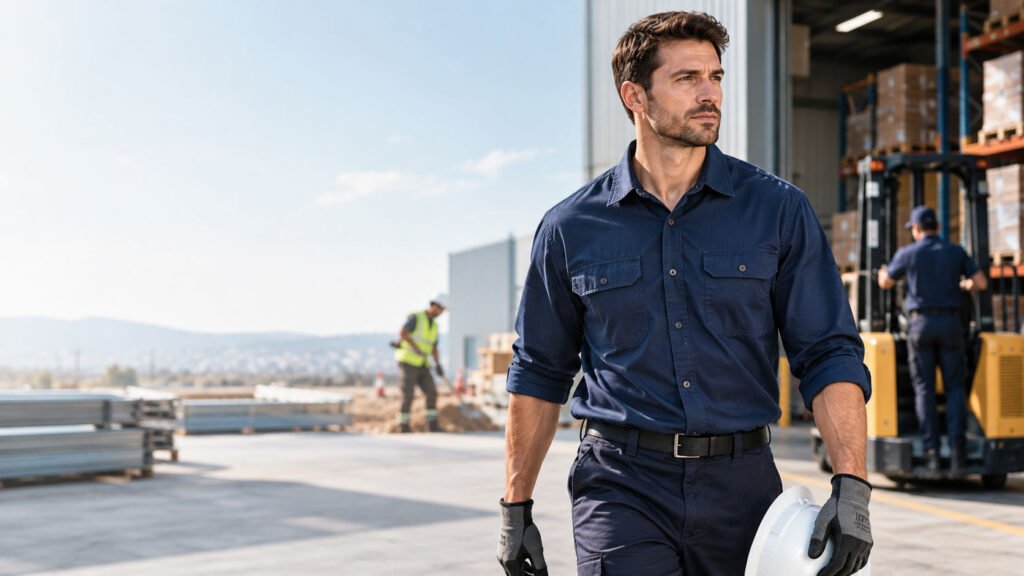
Best Fabric for Work Shirts
Why Work Shirts Need a Different Framework Than Casual Shirts
A dress shirt or casual tee mostly needs to look good and feel comfortable. A work shirt has a third, non-negotiable job: surviving the actual physical conditions of the work — heat, abrasion, chemical exposure, repeated industrial washing, or all of the above. Choosing work shirt fabric by softness or price alone, without accounting for what the shirt will be doing on the job, is the most common reason fleets end up reordering shirts every six months instead of every two years.
Poly-Cotton Blends: The Default for a Reason
Poly-cotton blends (typically 65/35 or 60/40 polyester-cotton) are the standard choice across most trades, and it's not just cost — the blend genuinely solves the two biggest failure points of 100% cotton work shirts: wrinkling and slow drying after industrial washing.
Best for: general trades, warehouse work, delivery drivers, light industrial settings
Trade-offs: less breathable than 100% cotton in extreme heat; can feel less 'natural' against skin during long shifts
What to look for: higher polyester content (65%+) if the shirts go through frequent industrial laundering; higher cotton content (CVC blends) if comfort in moderate conditions matters more than wash-and-wear speed
100% Cotton: Best When Comfort Outranks Convenience
Cotton work shirts remain popular in trades where the wearer is less exposed to heavy abrasion but spends long hours in the shirt — comfort against skin matters more than bounce-back after washing.
Best for: kitchen staff, light manufacturing, retail/customer-facing roles requiring a work shirt
Trade-offs: wrinkles and shrinks more than blends; slower drying makes it less ideal for high-wash-frequency programs
What to look for: a tighter weave (like oxford or twill cotton) improves durability without sacrificing the natural comfort cotton is chosen for
Cotton Twill: Structure and Durability Without Going Synthetic
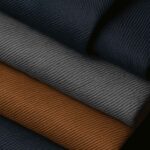
Twill weave — whether in cotton or a poly-cotton blend — gives work shirts more structure and abrasion resistance than a plain weave, which is why it shows up so often in heavier-duty work shirts and jackets.
Best for: construction, warehousing, mechanics, trades involving frequent bending, kneeling, or contact with rough surfaces
Trade-offs: heavier twill can feel stiff initially and less breathable than lighter weaves
What to look for: mid-weight twill (around 200–280 GSM) balances durability with wearable comfort; going heavier only makes sense for jobs with genuinely high abrasion exposure
Ripstop Fabric: When Tear Resistance Matters More Than Softness
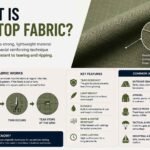
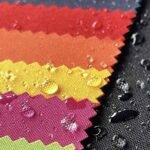
Ripstop's reinforced grid weave is designed to stop small tears from spreading into larger rips — a real, specific advantage in jobs where snagging on equipment or rough materials is a routine hazard.
Best for: outdoor trades, tactical/security work, jobs involving contact with sharp edges or rough machinery
Trade-offs: less soft than standard weaves; often a secondary consideration to abrasion-resistance-first fabrics like twill
What to look for: ripstop is usually chosen for specific tear-prone tasks rather than as an everyday work shirt fabric — it's a targeted choice, not a default
Moisture-Wicking Synthetics: Built for Heat and Physical Exertion
Polyester or nylon-based performance fabrics, often finished with a moisture-wicking treatment, have become increasingly common for outdoor and physically demanding work shirts — essentially borrowing athletic-wear technology for the jobsite.
Best for: outdoor labor in hot climates, roles involving sustained physical exertion, utility and field service workers
Trade-offs: less durable against abrasion than twill or ripstop; can retain odor more than natural fiber if not treated with an antimicrobial finish
What to look for: confirm whether moisture-wicking is a fiber property or a topical finish — topical finishes wear off with repeated industrial washing, which matters a lot for fleet uniform programs
Flame-Resistant (FR) Fabric: Non-Negotiable for Certain Trades
For electrical work, welding, oil and gas, and other jobs with fire or arc-flash risk, FR fabric isn't a comfort or durability choice — it's a compliance requirement, and it changes the fabric selection process entirely.
Best for: electrical, welding, oil/gas, utility work with flash-fire or arc-flash exposure
Trade-offs: typically heavier, less breathable, and more expensive than standard work shirt fabric
What to look for: confirm whether flame resistance is inherent to the fiber (permanent) or a topical treatment (degrades with washing) — for compliance-critical applications, inherent FR fiber is almost always the safer choice despite the higher cost
Quick Reference: Matching Fabric to the Job
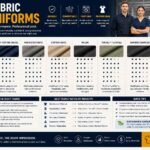
| Job Type | Best Fabric Choice |
|---|---|
| General warehouse/light industrial | Poly-cotton blend |
| Kitchen, retail, light manufacturing | 100% cotton |
| Construction, mechanics, heavy warehousing | Cotton or poly-cotton twill |
| Outdoor trades with snag/tear risk | Ripstop |
| Hot climate, high physical exertion | Moisture-wicking synthetic |
| Electrical, welding, oil/gas | Flame-resistant (FR) fabric |
The Question That Should Drive the Decision
Before comparing fabric options, ask: what is most likely to damage or degrade this shirt on a normal workday — heat, abrasion, tearing, chemical exposure, or fire risk? Whichever hazard is most common on the job should drive fabric selection first; comfort and appearance are real considerations, but they're the second filter, not the first. A soft, breathable shirt that shreds after three months on a jobsite with heavy abrasion isn't actually the more comfortable choice once replacement frequency and cost are factored in.
Conclusion
The best work shirt fabric isn't a single answer — it's whichever fabric matches the specific physical demands of the job it needs to survive. Poly-cotton covers most general trades well, cotton wins where comfort outranks wash-and-wear speed, twill and ripstop handle abrasion and tear resistance, moisture-wicking synthetics handle heat and exertion, and FR fabric is simply mandatory where fire risk exists. Choosing fabric based on the job's actual hazards — rather than price per shirt alone — is what determines whether a work shirt program needs reordering every few months or holds up for years.