TPU and PVC are the two dominant waterproof coating technologies in global fabric manufacturing — and choosing between them is one of the most consequential specification decisions a garment manufacturer or product buyer makes. Both produce waterproof fabric. Both are widely available at competitive prices. But they differ fundamentally in breathability, weight, environmental profile, flexibility, and the application categories where each performs best. This guide provides a direct, specification-level comparison of TPU and PVC waterproof fabric — covering performance data, denier ranges, application mapping, certification considerations, and wholesale sourcing information — to help manufacturers and buyers make the right choice for their specific product requirements.
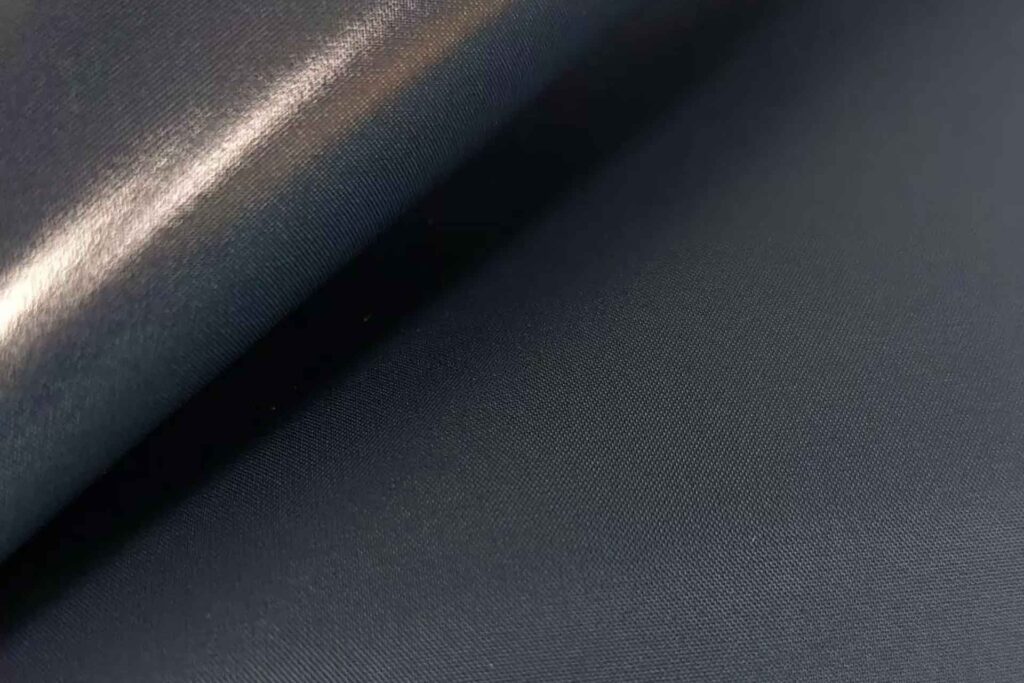
tpu waterproof fabric
What Is TPU Waterproof Fabric?
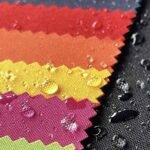
TPU (thermoplastic polyurethane) waterproof fabric is produced by laminating or coating a base fabric — typically 100% polyester Oxford or nylon — with a TPU film or TPU coating layer. The TPU layer creates a waterproof barrier while retaining a degree of moisture vapor transmission (breathability) that PVC cannot match.
TPU is a thermoplastic elastomer — it can be melted, reshaped, and bonded without chemical crosslinking. This property makes TPU fabric weldable using heat or RF (radio frequency) welding, which allows seamless waterproof construction in bags, garments, and outdoor equipment without traditional stitched seams that can leak.
Standard TPU waterproof fabric specifications:
- Base fabric: 100% polyester (210D–900D Oxford or plain weave), occasionally nylon
- Coating/film: 100% TPU, applied as coating or laminated film
- Weight: 120–250 GSM (lightweight 120–150 GSM; standard 180–220 GSM; heavyweight 230–250 GSM)
- Thickness: 0.02–0.1mm (film only); 0.3–0.5mm (finished fabric)
- Waterproof rating: 3,000–10,000 mmH₂O
- Breathability: 3,000–8,000 g/m²/24h moisture vapor transmission
- Width: 144cm (57/58') or 150cm
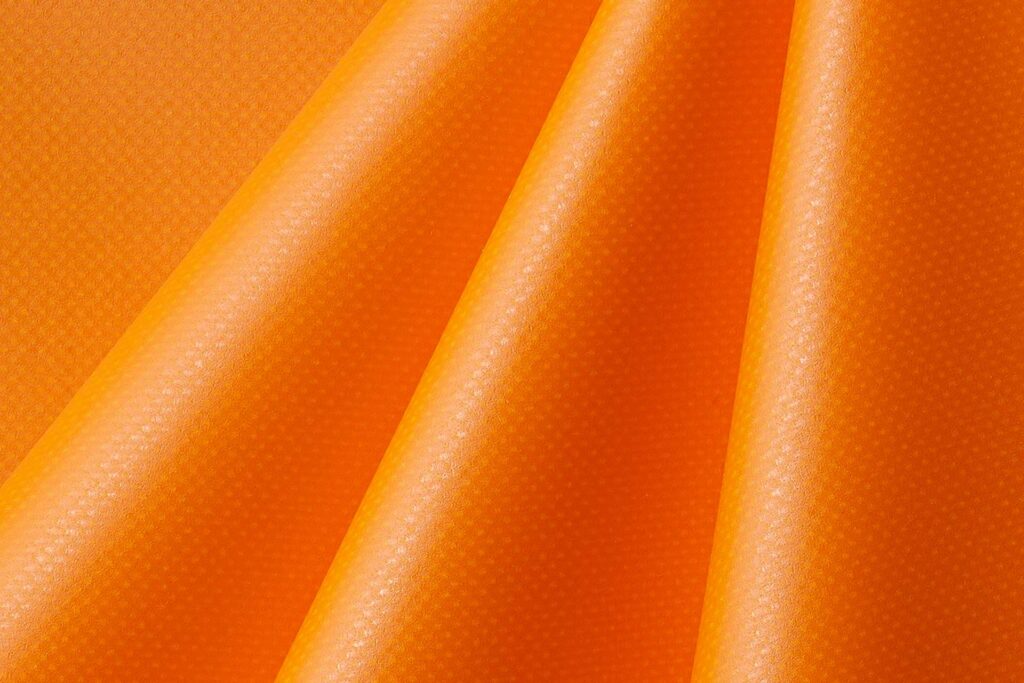
pvc waterproof fabric
What Is PVC Waterproof Fabric?
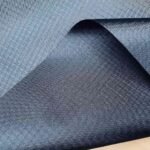
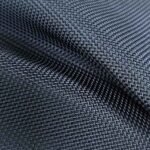
PVC (polyvinyl chloride) waterproof fabric is produced by coating a polyester base fabric — typically Oxford weave at 210D to 1000D — with one or two layers of PVC compound. The PVC coating creates an extremely effective waterproof barrier with water pressure resistance significantly higher than TPU, but without any meaningful breathability.
PVC coating can be applied as a single face coat or double face coat. Double-face PVC coating — applied to both sides of the base fabric — produces the highest waterproof performance and is used in heavy-duty industrial, tarpaulin, and outdoor shelter applications.
Standard PVC waterproof fabric specifications:
- Base fabric: 100% polyester (210D–1000D Oxford or taffeta)
- Coating: 100% PVC, single or double face
- Weight:
- Lightweight: 180–250 GSM (210D/300D)
- Mid-weight: 300–450 GSM (420D/600D — most common for bags)
- Heavy: 500–900 GSM (900D/1000D — tarpaulin and covers)
- Thickness: 0.3–0.9mm
- Waterproof rating: 5,000–20,000 mmH₂O
- Breathability: Essentially none
- Width: 144cm, 150cm, 180cm, 200cm (tarpaulin up to 5m)
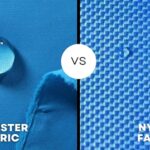
TPU vs PVC — Direct Performance Comparison
| Performance Factor | TPU Waterproof Fabric | PVC Waterproof Fabric |
|---|---|---|
| Waterproof rating | 3,000–10,000 mmH₂O | 5,000–20,000 mmH₂O |
| Breathability | 3,000–8,000 g/m²/24h | Essentially zero |
| Weight (same denier) | Lighter — 120–250 GSM | Heavier — 180–900 GSM |
| Flexibility in cold | Remains flexible to -30°C | Stiffens below 0°C, cracks at -20°C |
| Hand feel | Soft, textile-like | Stiffer, more plastic-like |
| RF / heat weldable | Yes — seamless construction possible | Yes — standard for heavy PVC |
| UV resistance | Good | Good with UV stabilizer additives |
| Chemical resistance | Moderate | High |
| Recyclability | Recyclable — single polymer | Difficult — contains plasticizers |
| Environmental profile | Better — no chlorine, no phthalates | PVC production releases dioxins; plasticizers (DEHP) restricted in EU |
| REACH / RoHS compliance | Generally compliant | Requires phthalate-free formulation for EU compliance |
| Cost per meter | Higher | Lower |
| Best temperature range | -30°C to +80°C | 0°C to +60°C (standard grade) |
Which to Choose — Application-by-Application Guide
Outdoor Garments (Rain Jackets, Workwear, Protective Clothing) → TPU is the correct specification.
Breathability is non-negotiable for garments worn during physical activity or extended work shifts. PVC-coated garment fabric traps body moisture inside, creating a clammy, uncomfortable wearing experience that makes it unsuitable for active outdoor wear. TPU waterproof fabric with 5,000+ mmH₂O water pressure resistance and 5,000+ g/m²/24h breathability is the industry standard for rain jackets, outdoor workwear, and protective clothing.
TPU also remains flexible at low temperatures — critical for outdoor garments worn in cold environments where PVC fabric stiffens and becomes uncomfortable.
Recommended specification: 210D–420D polyester base, TPU laminated, 180–220 GSM, waterproof 5,000–10,000 mmH₂O, breathability 5,000+ g/m²/24h.
Waterproof Bags and Backpacks → TPU for premium; PVC for standard and heavy-duty.
Premium waterproof bags — laptop backpacks, dry bags, technical outdoor packs — specify TPU fabric for its lighter weight, softer hand feel, and RF-weldable seamless construction. TPU allows bags to be constructed without stitched seams in critical waterproof areas, eliminating the primary leak point in standard sewn bag construction.
Standard and heavy-duty bags — tool bags, luggage, promotional bags — commonly use 600D PVC Oxford fabric. PVC is lower cost, more abrasion resistant at equivalent weight, and provides higher absolute waterproof performance for applications where breathability is irrelevant.
Recommended TPU specification: 300D–600D polyester, TPU coated, 180–220 GSM. Recommended PVC specification: 420D–600D polyester, PVC coated, 300–450 GSM.
Industrial Workwear (Waterproof Aprons, Rain Gear, Protective Suits) → PVC for heavy-duty; TPU for lightweight protective clothing.
Heavy-duty industrial workwear — waterproof aprons, fishing gear, chemical-resistant coveralls — uses PVC for its superior waterproof performance, chemical resistance, and durability under rough handling. The breathability limitation is acceptable in these applications because the garments are typically worn for limited periods in specific work conditions.
Lightweight industrial protective clothing and medical waterproof garments specify TPU for better wearer comfort during extended wear.
Outdoor Shelter and Tarpaulins (Tents, Truck Covers, Awnings) → PVC is the correct specification.
Heavy-duty outdoor shelter applications require the maximum waterproof performance and abrasion resistance that PVC delivers at 900D–1000D construction and 500–900 GSM weight. Breathability is irrelevant for tent groundsheets, truck covers, and awning fabric. PVC's superior UV resistance with stabilizer additives and high absolute waterproof rating make it the only practical specification for these applications.
Luggage and Trolley Bags → PVC (600D Oxford) is the standard specification.
600D PVC Oxford fabric is the dominant shell material for rolling luggage and trolley bags globally. High abrasion resistance, good waterproof performance, and lower cost compared to TPU make PVC the practical specification for volume luggage production.
Environmental and Compliance Considerations
For manufacturers supplying European and North American markets, environmental and chemical compliance is an increasingly important specification factor that distinguishes TPU from PVC.
PVC compliance requirements PVC fabric production and processing involves chlorine chemistry and typically includes plasticizer additives to achieve flexibility. The most commonly used plasticizers — phthalates including DEHP, DBP, and BBP — are restricted substances under EU REACH regulation (SVHC list) and are prohibited in products intended for children. PVC fabric supplied for European market garments and bags must use phthalate-free plasticizer formulations and comply with REACH substance restrictions.
Buyers sourcing PVC fabric for EU market products must request REACH compliance documentation and ROHS test reports from their supplier confirming plasticizer type and concentration.
TPU compliance advantages TPU fabric does not contain chlorine, phthalates, or the restricted plasticizers associated with PVC. It generally has a cleaner compliance profile for REACH, ROHS, and equivalent North American regulations. For buyers supplying brands with sustainability policies or eco-label requirements, TPU is the more straightforward specification from a compliance perspective.
Certifications available:
- OEKO-TEX Standard 100: available for both TPU and phthalate-free PVC fabric
- ROHS compliance: confirm with test report for both types
- SGS/Intertek waterproof and breathability test reports: available on request
Cost Comparison
TPU waterproof fabric is consistently more expensive than PVC at equivalent denier and weight — typically 20–40% higher per meter depending on TPU film grade and breathability specification. The cost premium is justified in applications where breathability, weight reduction, cold-weather flexibility, or compliance profile are specification requirements.
PVC waterproof fabric offers the lowest cost per unit of waterproof performance in the market — particularly at heavier weights where PVC's high waterproof rating and abrasion resistance deliver value that no other coating technology matches at equivalent cost.
Decision framework:
| If your priority is... | Choose... |
|---|---|
| Breathability for active garments | TPU |
| Maximum waterproof performance | PVC |
| Lightweight construction | TPU |
| Lowest cost per meter | PVC |
| Cold weather flexibility | TPU |
| EU/US compliance — easier path | TPU |
| Heavy-duty industrial durability | PVC |
| Seamless RF-welded construction | Either (both weldable) |
MOQ and Sample Policy
TPU Waterproof Fabric MOQ:
| Order Type | MOQ |
|---|---|
| Stock TPU fabric, standard colors | 500–1,000 meters per color |
| Custom dyeing or printing | 1,000–2,000 meters per color |
| Special function (high stretch, high breathability, antimicrobial) | 2,000–3,000 meters |
PVC Waterproof Fabric MOQ:
| Order Type | MOQ |
|---|---|
| Stock PVC fabric, standard colors (600D etc.) | 1,000–3,000 meters per color |
| Custom color or printing | 3,000–5,000 meters per color |
| Heavy tarpaulin (500 GSM+) | 3,000 m² minimum |
| Small quantity stock (limited colors) | From 100–500 meters, price premium applies |
Sample Policy (Both Types):
- A4 swatches and color cards: free, courier at buyer's expense
- Large samples (0.5–1 meter): free or nominal charge (20–80 RMB per piece), fully deductible from bulk order
- Standard sample lead time: 3–5 business days
- Custom print or special coating: 7–12 business days
- Test reports: SGS / ROHS / waterproof and breathability testing available on request at additional cost
Key Specifications to Confirm Before Ordering
| Specification | TPU Fabric | PVC Fabric |
|---|---|---|
| Base fabric denier | 210D–900D | 210D–1000D |
| Coating type | TPU film or TPU coating | PVC single or double face |
| GSM | 120–250 GSM | 180–900 GSM |
| Waterproof rating | 3,000–10,000 mmH₂O | 5,000–20,000 mmH₂O |
| Breathability | 3,000–8,000 g/m²/24h | N/A |
| Thickness | 0.3–0.5mm finished | 0.3–0.9mm |
| Width | 144cm or 150cm | 144–200cm (tarpaulin up to 5m) |
| Compliance | OEKO-TEX, ROHS | REACH phthalate-free, ROHS |
| Color fastness | Minimum Grade 4 washing | Minimum Grade 4 washing |
| Cold flexibility | Confirm for below-zero applications | Confirm minimum temperature rating |
Frequently Asked Questions
Is TPU fabric better than PVC? Neither is objectively better — they serve different applications. TPU is better for garments and products where breathability, light weight, and cold-weather flexibility are required. PVC is better for heavy-duty waterproofing, industrial applications, and cost-sensitive products where breathability is not a requirement. The right choice depends entirely on your specific application, performance requirements, and target market compliance needs.
Can TPU fabric be used for tarpaulins and heavy outdoor covers? TPU fabric is generally not specified for heavy tarpaulin and outdoor cover applications. The weight range and abrasion resistance of TPU fabric at commercial price points does not match what PVC delivers at 900D–1000D construction and 500–900 GSM weight for these applications. Heavy outdoor covers and tarpaulins are PVC applications.
Does PVC fabric pass EU REACH compliance? Standard PVC fabric using conventional phthalate plasticizers does not comply with EU REACH SVHC restrictions for consumer product applications. Phthalate-free PVC fabric — using alternative plasticizer formulations — can comply with REACH requirements. Always request a REACH compliance declaration and ROHS test report from your supplier when sourcing PVC fabric for European market products.
What is the difference between TPU coating and TPU laminate? TPU coating applies liquid TPU compound directly to the fabric surface — a simpler, lower-cost process. TPU laminate bonds a pre-formed TPU film to the fabric using heat and pressure — a more controlled process that produces more consistent film thickness and higher breathability performance. For technical outdoor garments requiring high breathability ratings, TPU laminate is preferred over TPU coating.
What is the minimum order for TPU and PVC waterproof fabric? TPU fabric: 500–1,000 meters per color for stock. PVC fabric: 1,000–3,000 meters per color for stock, with small quantity options from 100–500 meters at a price premium. Contact our team to confirm availability and pricing for your specific denier and specification requirement.
Source Wholesale TPU and PVC Waterproof Fabric from XINGYE TEXTILE
XINGYE TEXTILE supplies wholesale TPU waterproof fabric and PVC waterproof fabric — across the full denier range from 210D to 1000D — serving garment manufacturers, workwear producers, bag brands, outdoor equipment buyers, and industrial fabric buyers worldwide. Factory-direct pricing, flexible MOQ, and free swatches available before bulk commitment.
Contact our sourcing team with your application, denier specification, waterproof rating requirement, quantity, and destination — we will provide a formal quotation and sample within 24 hours.
→ Browse Our Full Fabric Range → Browse Fabric for Workwear → Browse Oxford Fabric → Request a Free Swatch → Get a Wholesale Quote