Modal Is Not Cotton It's Not Generic Viscose It's Something Better.
If you've ever worn a t-shirt that felt impossibly soft — softer than cotton, softer than standard viscose — and wondered what it was made of, the answer is probably modal.
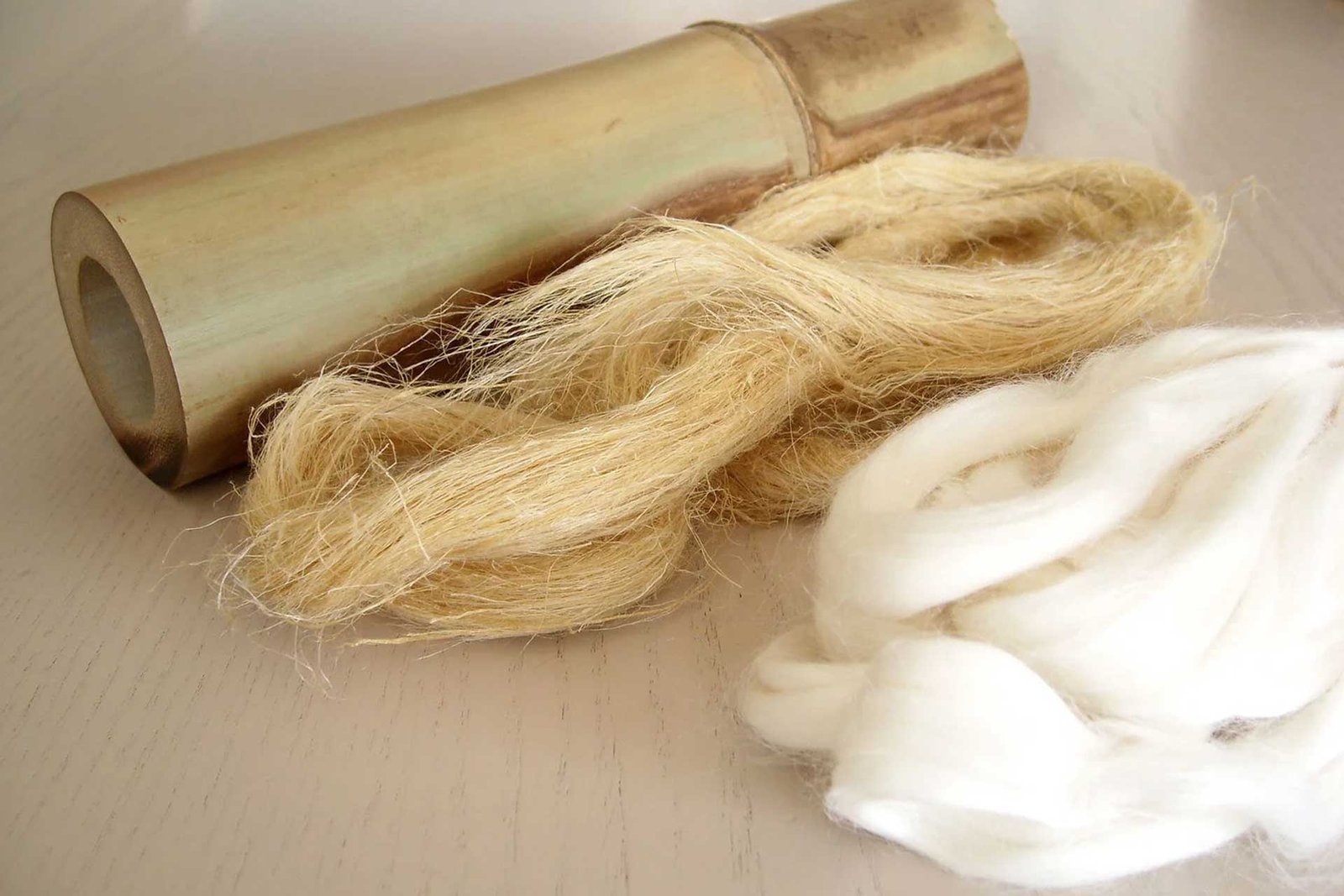
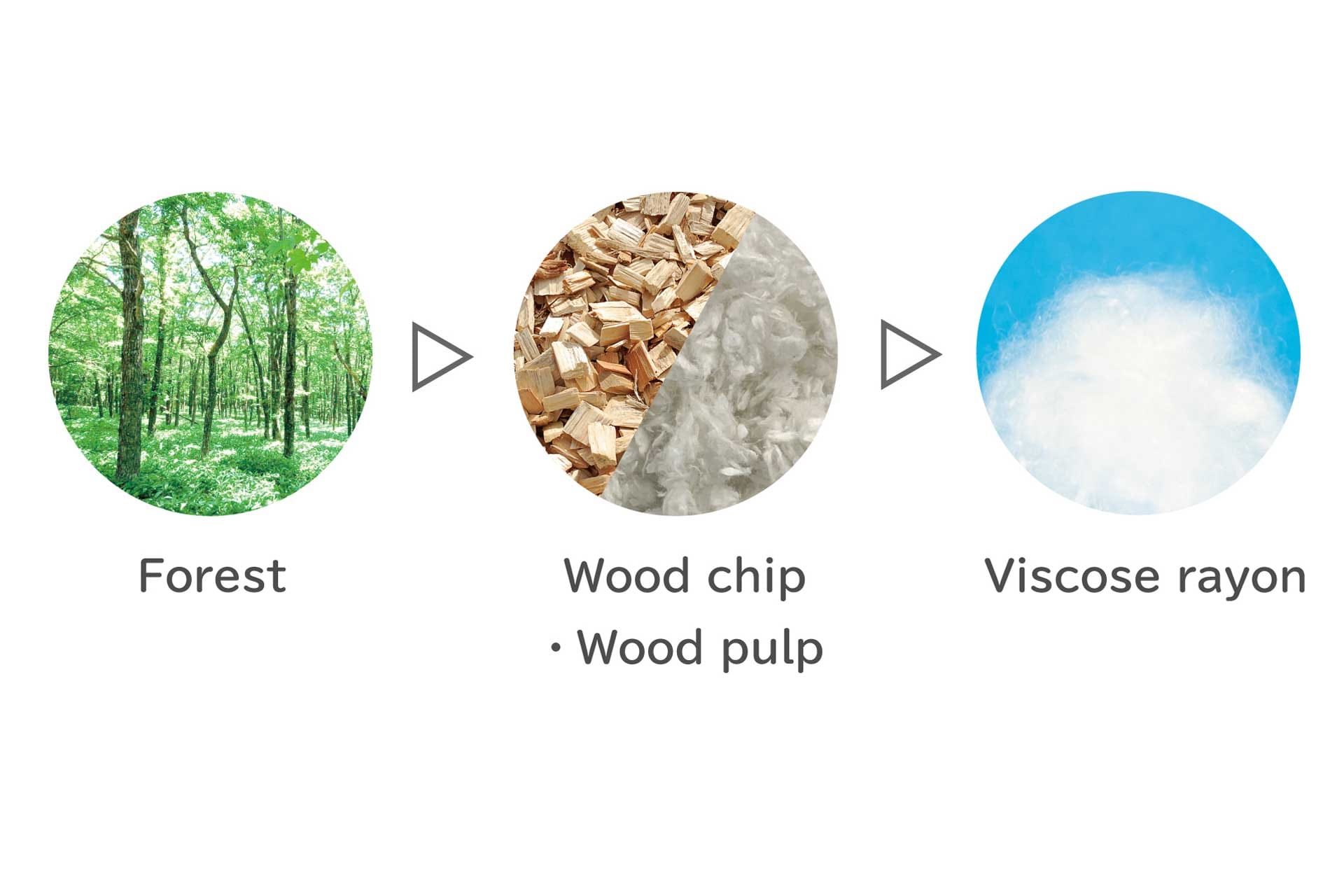
Modal is a type of regenerated cellulosic fiber, often called 'second-generation rayon.' It's made from beechwood pulp, processed through a more advanced manufacturing method than standard viscose, resulting in a fiber that is stronger, softer, and more durable than regular rayon — while still being biodegradable and plant-based.
Modal sits between viscose (standard rayon) and lyocell (Tencel) in the family of cellulosic man-made fibers. It has the softness of viscose, the strength of cotton, and the drape of silk — all at a moderate price point.
This guide covers what modal fabric is, how it's made, how it compares to cotton and viscose, its properties and best uses, and how to source quality modal fabric.
What is Modal Fabric
What Is Modal Fabric?
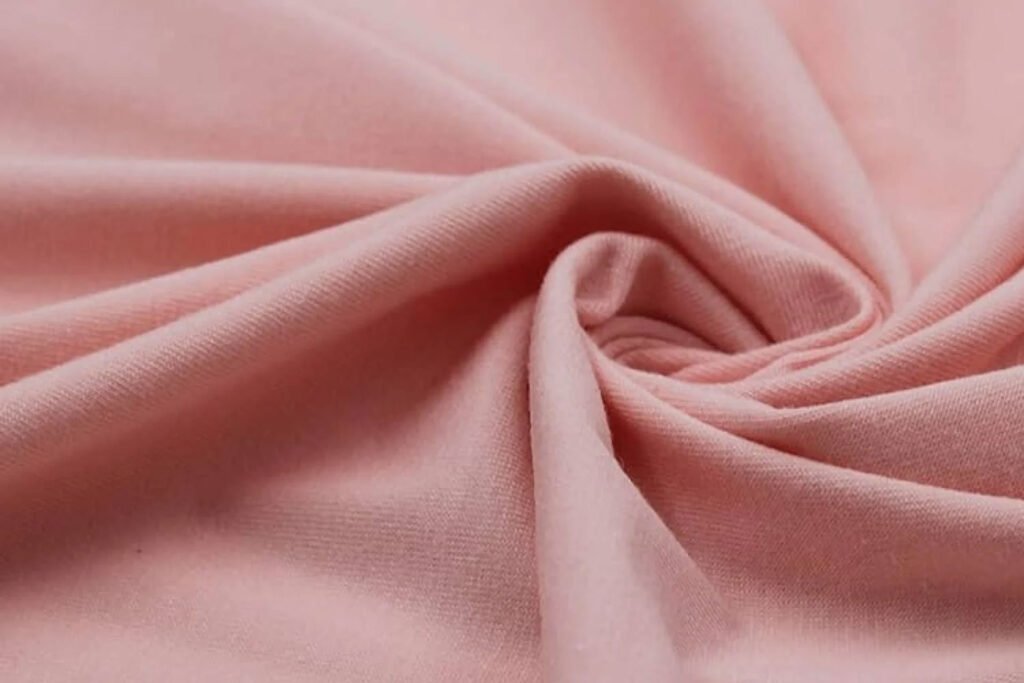
Modal is a regenerated cellulose fiber made from beechwood pulp, processed through a modified viscose process with higher environmental standards and better fiber quality than standard rayon.
| Fact | Modal |
|---|---|
| Fiber source | Beechwood pulp (renewable, fast-growing trees) |
| Fiber type | Regenerated cellulosic (semi-synthetic) |
| Manufacturing process | Modified viscose process (cleaner than standard viscose) |
| Introduced | 1950s by Lenzing AG (Austria) |
| Brand names | Lenzing Modal™, MicroModal™ |
| Global production | ~5% of cellulosic fiber market |
| Biodegradability | Yes — fully biodegradable |
| Certifications | OEKO-TEX Standard 100, EU Ecolabel |
Unlike standard viscose (also called rayon), modal is produced using a closed-loop or advanced recovery process that captures and reuses chemicals — significantly reducing environmental impact compared to traditional viscose manufacturing.
How Is Modal Fabric Made?
Modal production is similar to viscose production but with key improvements in fiber engineering and chemical recovery.
| Stage | Process | What Happens |
|---|---|---|
| 1. Harvesting | Beechwood trees are harvested from managed forests | Beech is fast-growing and regenerates naturally. No irrigation or pesticides required |
| 2. Chipping | Wood is stripped and chipped into small pieces | |
| 3. Pulping | Wood chips are dissolved in a chemical solution to extract cellulose | Cellulose is separated from lignin and other plant components |
| 4. Xanthation | Cellulose is treated with carbon disulfide | Creates a viscous orange solution called sodium cellulose xanthate |
| 5. Extrusion | The solution is forced through spinnerets into a sulfuric acid bath | Forms continuous filaments. The chemical process is faster and more controlled than standard viscose |
| 6. Drawing and stretching | Filaments are stretched while still wet | Aligns the cellulose molecules — this is what gives modal its strength advantage over viscose |
| 7. Washing and finishing | Fibers are washed, bleached, cut, and dried | Final fiber is ready for spinning into yarn |
The key difference from viscose: Modal uses a higher degree of polymerization and more controlled stretching during production. This results in longer, more aligned cellulose chains — giving modal fibers their superior strength, softness, and dimensional stability compared to standard viscose.
Modal vs Viscose vs Cotton — The Key Differences
| Factor | Modal | Viscose (Rayon) | Cotton |
|---|---|---|---|
| Fiber source | Beechwood pulp | Wood pulp (various) | Cotton plant |
| Fiber type | Regenerated cellulosic | Regenerated cellulosic | Natural |
| Softness | ★★★★★ — exceptionally soft | ★★★★☆ — soft, but less than modal | ★★★☆☆ — soft, varies by quality |
| Strength (dry) | ★★★★☆ — stronger than viscose | ★★★☆☆ — moderate | ★★★★☆ — good |
| Strength (wet) | ★★★★☆ — retains 60% of dry strength | ★★☆☆☆ — loses 40-60% of strength when wet | ★★★★☆ — stronger wet than dry |
| Drape | ★★★★★ — fluid, elegant | ★★★★☆ — good drape | ★★★☆☆ — stiffer |
| Breathability | ★★★★☆ — good | ★★★★☆ — good | ★★★★★ — excellent |
| Moisture absorption | 50% better than cotton | Good — better than modal | Excellent — 25x own weight |
| Shrinkage | Low — pre-shrunk modal shrinks <3% | Moderate — can shrink 5-10% | Variable — 3-8% |
| Pilling resistance | ★★★★★ — excellent with proper finishing | ★★★☆☆ — moderate | ★★★☆☆ — moderate |
| Color retention | ★★★★★ — excellent dye uptake | ★★★★☆ — good | ★★★☆☆ — fades over time |
| Cost | $$ (mid to mid-high) | $$ (low to mid) | $$ (varies widely) |
| Biodegradability | Yes | Yes | Yes |
Types of Modal Fabric
| Type | Characteristics | Best For |
|---|---|---|
| Standard modal | Soft, drapes well, breathable. The baseline modal fabric | T-shirts, dresses, blouses, lingerie |
| MicroModal | Ultra-fine fibers (<1 denier). Extremely soft, lightweight, silky | Luxury underwear, premium t-shirts, babywear, scarves |
| Modal-cotton blend | Combines modal's softness with cotton's structure and lower cost | Casual shirts, dresses, home textiles |
| Modal-spandex blend | Added stretch for activewear and fitted garments | Yoga wear, leggings, fitted tops, shapewear |
| Modal fleece | Brushed modal knit. Very soft, warm, lightweight | Loungewear, sweatpants, hoodies |
| Modal jersey | Knitted modal — soft, stretchy, drapes like a premium t-shirt | T-shirts, nightwear, casual tops |
| Modal woven | Woven modal — smooth, soft, with a fluid drape | Blouses, shirts, dresses, scarves |
Modal Fabric Properties — Detailed
| Property | Rating | What It Means |
|---|---|---|
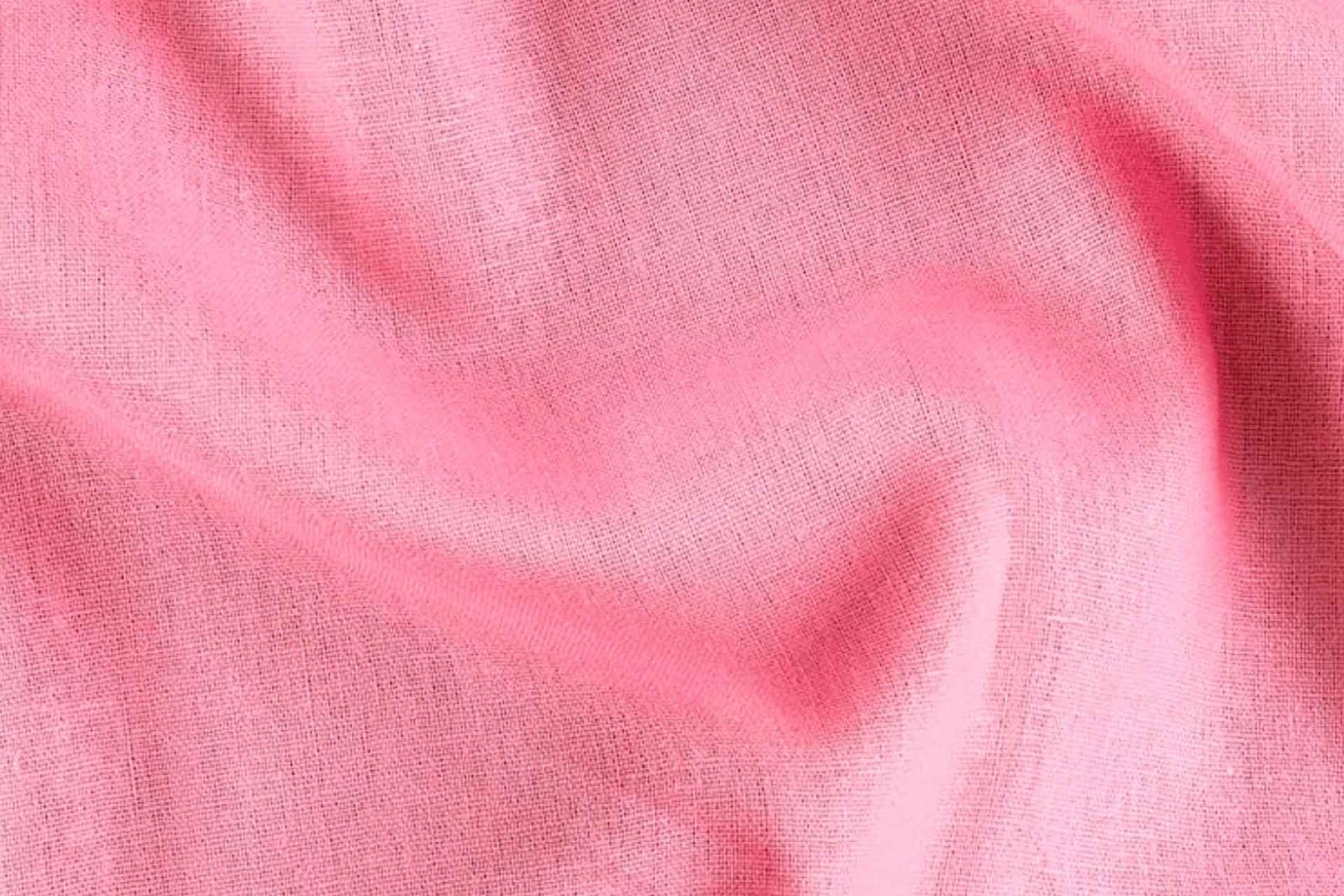
| Softness | ★★★★★ | Modal is one of the softest cellulosic fibers. MicroModal is as soft as cashmere. The fiber surface is smoother than cotton or viscose |
| Drape | ★★★★★ | Modal has a fluid, elegant drape similar to silk — better than cotton, better than viscose. Garments hang cleanly without stiffness |
| Strength | ★★★★☆ | Significantly stronger than viscose, comparable to cotton. Wet strength is much better than viscose — modal does not disintegrate in the wash |
| Breathability | ★★★★☆ | Good breathability — better than polyester, slightly less than cotton. Comfortable for all-day wear |
| Moisture absorption | ★★★★☆ | Absorbs 50% more moisture than cotton, but wicks it to the surface where it evaporates. Keeps skin drier than cotton in active wear |
| Color retention | ★★★★★ | Modal takes dye exceptionally well. Colors are vibrant and fade-resistant. Better dye uptake than both cotton and viscose |
| Shrinkage | ★★★★☆ | High-quality modal is pre-shrunk and shrinks less than 3% in washing. Better than cotton or viscose |
| Pilling resistance | ★★★★★ | Long, smooth fibers resist pilling. Modal is one of the best cellulosic fibers for pilling resistance |
| Wrinkle resistance | ★★★☆☆ | Better than cotton or linen, not as good as polyester. Modal wrinkles less than natural cellulosic fibers |
| Hypoallergenic | ★★★★☆ | Smooth fiber surface is gentle on sensitive skin. No chemical residue from production when properly washed |
Lenzing Modal — The Gold Standard
When you see 'Lenzing Modal' on a garment label, you're buying from the company that invented modal.
Lenzing AG (Austria) developed modal in the 1950s and remains the leading producer of premium modal fiber. Their modal production is certified:
- EU Ecolabel — low environmental impact
- OEKO-TEX Standard 100 — no harmful chemicals
- PEFC / FSC certified — wood sourced from sustainable forestry
- Closed-loop production — 99% of chemicals are recovered and reused
Lenzing's MicroModal is the finest modal fiber available, with fibers less than 1 denier. It is used in the world's highest-end underwear, t-shirts, and luxury loungewear.
Tip for buyers: Modal from Lenzing carries a premium price but guarantees consistent quality, environmental compliance, and brand credibility. Generic modal (especially from China) can be significantly cheaper but may vary in quality — particularly in fiber consistency, dye uptake, and shrinkage performance.
Common Uses of Modal Fabric
| Application | Why Modal | Typical Weight |
|---|---|---|
| T-shirts and polo shirts | Softer than cotton, drapes better, resists pilling, colors stay vibrant | 150-200 GSM (jersey) |
| Underwear and lingerie | MicroModal is exceptionally soft next to skin, breathable, moisture-wicking | 120-180 GSM |
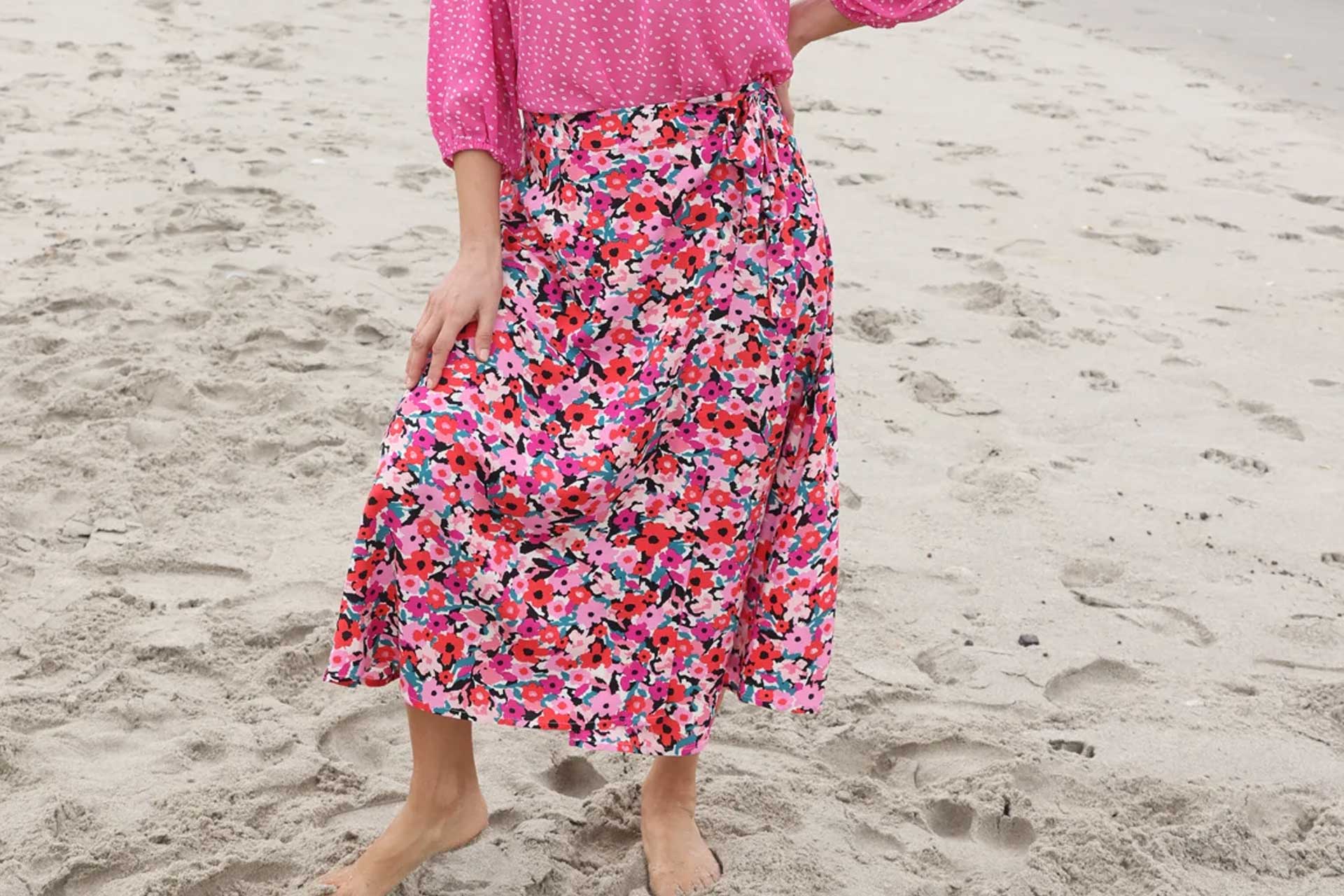
| Dresses and skirts | Fluid drape, soft, comfortable for all-day wear | 140-240 GSM |
| Blouses and shirts | Smooth surface, vibrant colors, wrinkle-resistant compared to cotton | 120-180 GSM (woven) |
| Activewear and loungewear | Modal-spandex blends offer stretch, softness, and breathability | 180-260 GSM |
| Sleepwear and pajamas | Extremely soft, breathable, comfortable against skin | 140-200 GSM |
| Baby clothing | Hypoallergenic, soft, breathable, gentle on sensitive skin | 140-180 GSM |
| Scarves and accessories | MicroModal is silky, drapes beautifully, holds vibrant colors | 100-160 GSM |
| Home textiles (sheets) | Modal-cotton blend sheets are very soft, color-fast, wrinkle-resistant | 140-180 GSM |
| Towels and bathrobes | Modal towels are softer than cotton, absorbent, and dry faster | 300-450 GSM |
Modal Fabric Care
Modal is easier to care for than viscose but requires more attention than cotton.
| Care Instruction | Why |
|---|---|
| Machine wash cold or warm (30-40°C) | Hot water can shrink modal. Cold water preserves fiber integrity and color |
| Gentle cycle | Modal fibers are strong but the fabric can crease aggressively in a high-spin cycle |
| Mild detergent | Avoid bleach — it can yellow modal over time |
| No fabric softener | Modal is soft enough without it. Softener coats the fibers and reduces moisture-wicking |
| Tumble dry low or hang dry | High heat can shrink modal. Hang drying is preferred for longevity |
| Iron on medium heat | Modal can be ironed. Use a pressing cloth to avoid shine |
| Do not wring | Wet modal is slightly weaker than dry. Wringing can distort the fabric |
Modal vs Tencel (Lyocell) — What's the Difference?
Tencel (lyocell) and modal are often confused because both are cellulosic fibers from the same company (Lenzing). The key differences:
| Factor | Modal | Tencel (Lyocell) |
|---|---|---|
| Manufacturing process | Modified viscose (xanthation) | Direct solvent spinning (amine oxide) |
| Chemical recovery | ~95-99% captured | ~99.8% captured — near-complete closed loop |
| Fiber structure | Round cross-section | Round cross-section |
| Wet strength | Good — retains 60% | Excellent — retains 85% |
| Fibrillation | Low — smooth surface | Can fibrillate (form micro-fuzz) — controlled in finishing |
| Softness | ★★★★★ | ★★★★★ |
| Cost | $$ (mid) | $$$ (mid-high) |
| Environmental rating | Very good | Excellent — gold standard |
| Best use | T-shirts, underwear, loungewear | Premium apparel, denim, workwear, technical fabrics |
Simple rule: Modal is the best choice for softness and cost balance. Tencel is the best choice for wet strength, technical performance, and maximum environmental credibility.
The Environmental Impact of Modal
| Factor | Modal |
|---|---|
| Raw material | Beechwood from managed forests — renewable, no irrigation, no pesticides |
| Chemical recovery | Advanced recovery systems capture 95-99% of solvents |
| Water usage | Less than cotton, more than lyocell |
| Land use | Beech trees produce more cellulose per hectare than cotton |
| Biodegradability | Fully biodegradable in soil or water |
| Microplastic shedding | None — modal is 100% cellulosic (unlike polyester) |
| Certifications | EU Ecolabel, OEKO-TEX, FSC/PEFC available |
Modal is generally considered a very sustainable textile — significantly better than standard viscose and cotton in most environmental metrics, and comparable to Tencel with a slightly lower price point.
Frequently Asked Questions
Q: Is modal fabric breathable? A: Yes — modal is breathable, more breathable than polyester and comparable to cotton. It absorbs moisture and releases it to the surface, keeping the skin dry and comfortable.
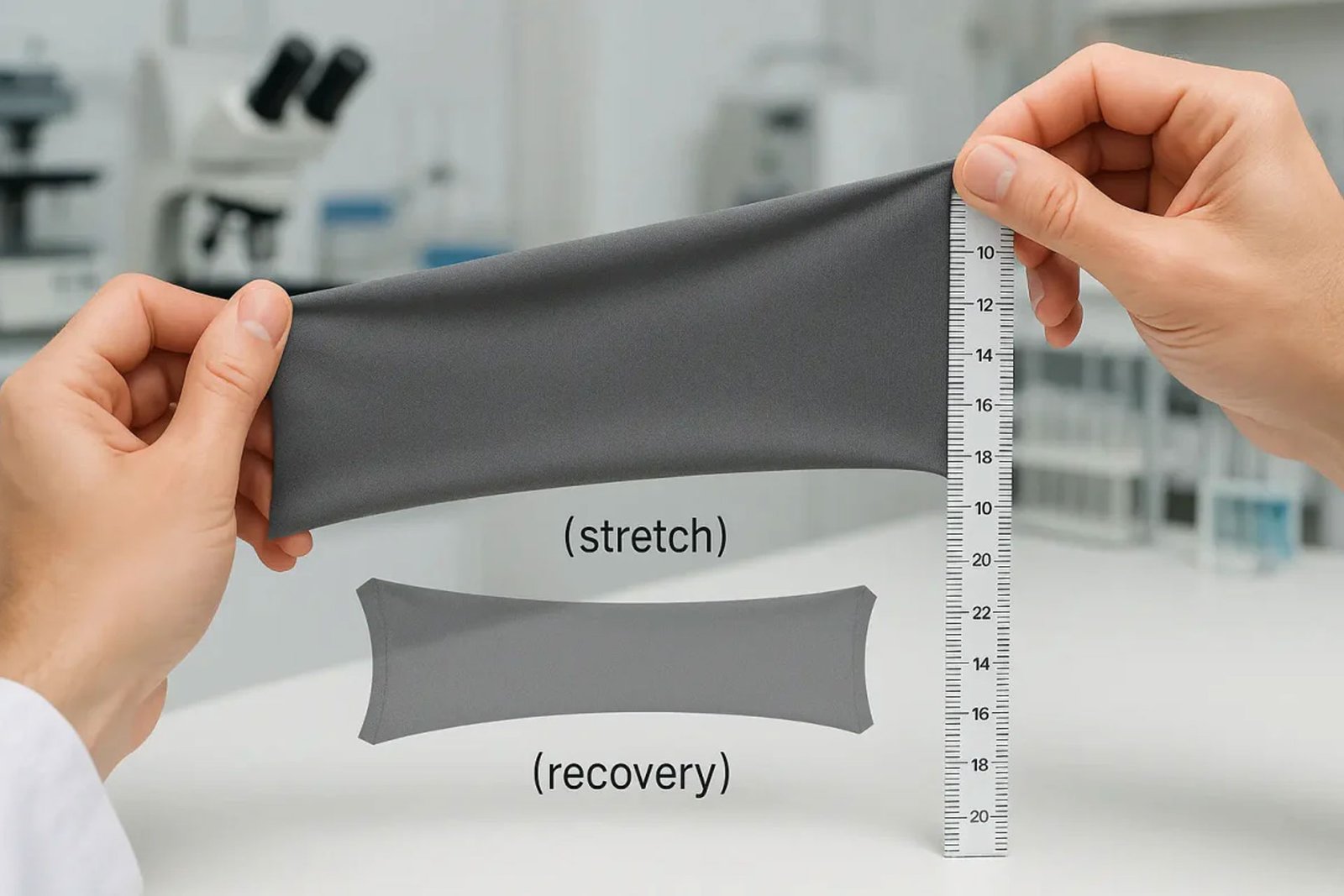
Q: Is modal fabric stretchy? A: Pure modal has minimal stretch (2-5%). Modal-spandex blends (95/5 or 90/10) have good stretch and recovery. Modal knitted fabrics (jersey) have natural stretch from the knit structure.
Q: Does modal fabric shrink? A: Properly pre-shrunk modal shrinks less than 3% in washing. Lower-quality modal can shrink 5-8%. Always request a shrinkage test from your supplier.
Q: Is modal better than cotton? A: For softness — yes. For breathability — cotton is slightly better. For color retention — modal is better. For price — cotton is cheaper. For durability — they're comparable. The 'better' fabric depends on the application.
Q: Is modal fabric expensive? A: Modal is mid-range — more expensive than standard cotton or viscose, less expensive than Tencel, silk, or premium linen. Lenzing Modal costs more than generic modal.
Q: Is modal fabric good for summer? A: Yes — modal is breathable, moisture-wicking, and soft against the skin. It's a good choice for summer apparel, though pure cotton or linen may be slightly cooler in extreme heat.
Q: Is modal bamboo? A: No — modal is made from beechwood, not bamboo. 'Bamboo viscose' is a different product (viscose made from bamboo pulp) and is generally lower quality than beechwood modal.
Q: Can modal be recycled? A: Yes — modal fibers can be mechanically recycled. Some manufacturers offer recycled modal content from post-industrial waste.
Get a Quote — Modal Fabric
XINGYE TEXTILE manufactures modal and modal-blend fabric for apparel, underwear, loungewear, and home textile applications. Available in jersey knit, woven, and MicroModal quality. Modal-cotton and modal-spandex blends available. GSM range 120-300. Custom colors, custom finishing. OEKO-TEX certified.
Applications: T-shirts, underwear, activewear, dresses, babywear, home textiles.
Minimum order: 300 meters per color. Sample-first ordering.