Linen Is the Oldest Fabric in the World — and Still One of the Best
Linen is the oldest known textile in human history. Flax fibers have been found in prehistoric caves dating back 30,000 years. The ancient Egyptians wrapped mummies in linen. Medieval Europeans wore linen under their armor. And in 2026, linen is more popular than ever — prized for its sustainability, breathability, and distinctive natural texture.
But linen is also widely misunderstood. Many consumers think linen is itchy, wrinkles too easily, or is difficult to care for. Those are myths that come from low-quality linen or incorrect care. High-quality linen — properly woven, properly finished — is one of the most comfortable, durable, and sustainable fabrics available.
This guide covers what linen fabric is, where it comes from, how it's made, the different types of linen, its properties and weaknesses, and how to source quality linen fabric for your project.
What Is Linen Fabric
What Is Linen Fabric?
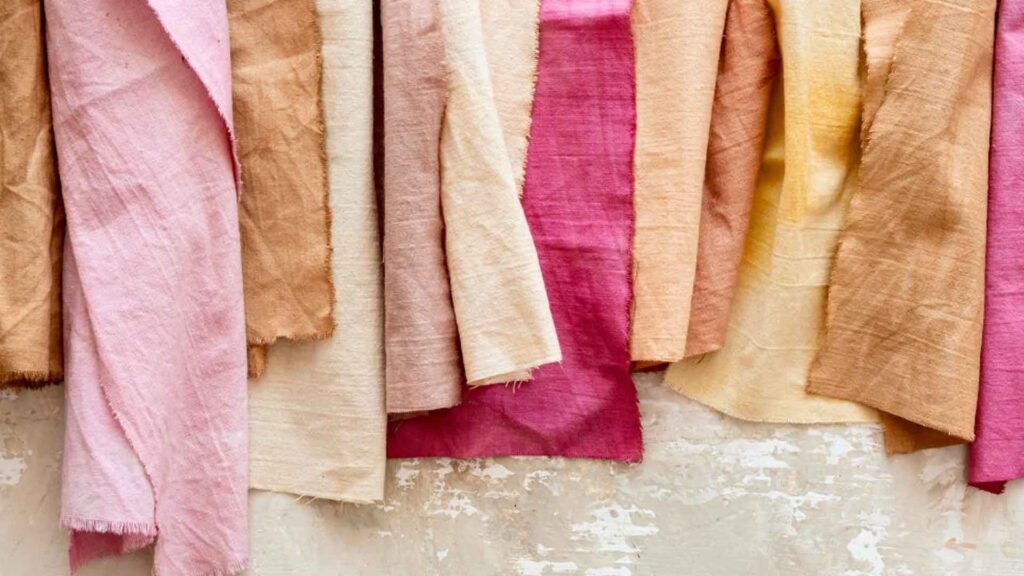
Linen is a natural textile made from the fibers of the flax plant (Linum usitatissimum) .
Unlike cotton, which comes from the seed hairs of the cotton plant, linen fibers are extracted from the bast (inner bark) of the flax plant stem. This gives linen fibers their distinctive length, strength, and slightly irregular texture.
| Fact | Linen |
|---|---|
| Fiber source | Flax plant (Linum usitatissimum) stem |
| Fiber type | Bast fiber (from plant stem) |
| Fiber length | 30-90 cm (longer than cotton, shorter than hemp) |
| Cultivation history | 30,000+ years |
| Primary producers today | France, Belgium, Netherlands, China, Belarus |
| Global production | ~1% of textile fibers (small but premium) |
| Biodegradability | 100% biodegradable |
How Is Linen Fabric Made?
Linen production is more labor-intensive than cotton or polyester production, which contributes to its higher cost. The process has not changed fundamentally in thousands of years — only the machinery has improved.
| Stage | Process | What Happens |
|---|---|---|
| 1. Growing | Flax is planted in cool, moist climates. Harvested after 100 days | Flax requires minimal water and no irrigation in most climates. It grows without fertilizer in good soil |
| 2. Pulling | The entire plant is pulled from the ground (not cut) | Preserves the full length of the bast fibers running through the stem |
| 3. Retting | The stems are soaked in water (water retting) or left in the field (dew retting) | Microorganisms break down the pectin that binds the fibers to the woody stem core |
| 4. Breaking | The dried stems are crushed between rollers | Separates the woody core (shive) from the long bast fibers |
| 5. Scutching | The broken stems are beaten | Removes remaining woody particles from the fibers |
| 6. Heckling | The fibers are combed through metal pins | Separates long fibers (line linen) from short fibers (tow linen). Aligns fibers for spinning |
| 7. Spinning | Fibers are twisted into yarn | Wet spinning produces finer, smoother yarn. Dry spinning produces thicker, more textured yarn |
| 8. Weaving | Linen yarn is woven into fabric | Plain weave is most common. Twill, herringbone, and dobby are also used |
| 9. Finishing | Fabric is washed, bleached, dyed, or softened | Can be stonewashed for softness, calendered for smoothness, or left natural |
Line Linen vs Tow Linen — The Quality Difference
The single most important factor in linen quality is whether it is made from line or tow fibers.
| Factor | Line Linen | Tow Linen |
|---|---|---|
| Fiber source | Long, aligned fibers (60-90 cm) | Short, tangled fibers from heckling waste |
| Fiber length | 50-90 cm | 10-20 cm |
| Yarn quality | Strong, smooth, uniform | Shorter, hairier, more irregular |
| Fabric quality | Premium — smooth, strong, lustrous | Standard — more texture, more slubs, less even |
| Pilling resistance | Excellent — long fibers stay in place | Good — short fibers may surface with wear |
| Softness | Very soft (after washing) | Softer initially, less structured |
| Cost | Higher | Lower |
| Typical use | High-end apparel, luxury bedding | Casual wear, home textiles, budget linen |
Most linen fabrics in the market are line linen or a line/tow blend. Pure tow linen is rare and usually used for heavier, rustic fabrics.
Types of Linen Fabric
| Type | Weave / Finish | Characteristics | Best For |
|---|---|---|---|
| Plain weave linen | 1-over-1-under weave. The classic linen | Crisp, breathable, slightly textured. Softens with washing | Shirts, dresses, blouses, skirts |
| Linen twill | Diagonal weave pattern | Softer drape, less wrinkling than plain weave, more durable | Pants, jackets, heavier apparel |
| Linen herringbone | V-shaped broken twill pattern | Textured surface, crease-resistant, elegant | Jackets, blazers, suiting |
| Linen slub / nubby linen | Intentionally irregular yarn | Highly textured, rustic, casual | Summer dresses, decor, casual shirts |
| Linen canvas | Heavy plain weave (300+ GSM) | Very durable, stiff, structured | Jackets, bags, upholstery, workwear |
| Linen voile | Lightweight, loosely woven | Sheer, airy, very breathable | Summer blouses, scarves, curtains |
| Linen gauze | Very loose plain weave | Extremely breathable, crinkled texture | Summer clothing, baby clothing, blankets |
| Linen jersey | Knitted linen (not woven) | Stretchy, soft, drapes like a t-shirt | Knit tops, loungewear |
| Linen blend | Linen + cotton, viscose, or modal | Less wrinkling, softer hand feel, lower cost | Entry-level linen apparel |
Linen Fabric Properties
| Property | Rating | Explanation |
|---|---|---|
| Breathability | ★★★★★ | Linen is the most breathable textile fiber. Air passes through linen fabric freely — keeps you cool in heat |
| Moisture absorption | ★★★★★ | Absorbs up to 20% of its weight in moisture before feeling damp. Wicks moisture away from the skin |
| Quick drying | ★★★★☆ | Linen dries faster than cotton. The hollow fiber structure releases moisture quickly |
| Strength | ★★★★★ | Linen is 2-3x stronger than cotton. Wet linen is even stronger than dry linen |
| Durability | ★★★★★ | High-quality line linen lasts decades. Vintage linen is often found in family heirlooms |
| Softness | ★★★☆☆ (initial) → ★★★★★ (after washing) | Linen starts stiff and softens permanently with each wash. Well-worn linen is extremely soft |
| Wrinkle resistance | ★☆☆☆☆ | Linen wrinkles easily. This is a property of the fiber — not a flaw. Some people prefer the look |
| Pilling resistance | ★★★★★ | Long bast fibers do not pill. Linen is one of the least pill-prone fabrics |
| Luster | ★★★★☆ | Line linen has a natural subtle sheen. Tow linen is matte |
| Static resistance | ★★★★★ | Linen does not generate static electricity — unlike polyester and nylon |
| Hypoallergenic | ★★★★★ | Linen is naturally antibacterial, antifungal, and does not trap allergens |
| UV resistance | ★★★★★ | Linen blocks approximately 95% of UV rays — significantly more than cotton |
| Biodegradability | ★★★★★ | 100% biodegradable. Linen returns to the soil in months under compost conditions |
Linen vs Cotton — Which Is Better?
| Factor | Linen | Cotton |
|---|---|---|
| Breathability | ★★★★★ — best of any textile fiber | ★★★★☆ — very good, but less than linen |
| Strength | 2-3x stronger than cotton | Good, but weaker than linen |
| Durability | Can last decades | 1-5 years for comparable garments |
| Softness | Starts stiff, becomes very soft | Soft from the start |
| Wrinkle resistance | Poor — wrinkles are natural | Moderate — better than linen |
| Moisture absorption | 20% before feeling damp | 25% but feels wetter |
| Drying speed | Fast | Slow |
| Pilling | Does not pill | Can pill with wear |
| Cost | Higher — 2-4x more per meter | Lower |
| Sourcing | Limited production (~1% of fibers) | Widely available |
| Best use | Warm weather, apparel, home textiles | Everyday apparel, all climates |
Linen vs Other Natural Fibers
| Factor | Linen | Hemp | Ramie | Cotton |
|---|---|---|---|---|
| Fiber source | Flax stem | Hemp stem | Ramie stem | Cotton seed hair |
| Strength | ★★★★★ | ★★★★★ | ★★★★★ | ★★★☆☆ |
| Softness | ★★★★☆ (washed) | ★★★☆☆ | ★★☆☆☆ | ★★★★★ |
| Drape | Crisp | Stiff | Very stiff | Soft |
| Wrinkle resistance | ★☆☆☆☆ | ★★☆☆☆ | ★☆☆☆☆ | ★★★☆☆ |
| Cost | $$$ | $$ | $$$ | $ - $$$ |
| Production volume | Low | Very low | Very low | Very high |
Common Uses of Linen Fabric
| Application | Why Linen | Typical GSM |
|---|---|---|
| Summer shirts | Unmatched breathability in hot weather | 120-200 GSM |
| Dresses and skirts | Natural drape, cool, comfortable | 140-220 GSM |
| Pants and trousers | Breathable, durable, casual elegance | 200-280 GSM |
| Suits and blazers | Linen suiting is a warm-weather classic | 240-320 GSM |
| Jackets and outerwear | Lightweight, breathable layering piece | 260-350 GSM |
| Bed sheets | Temperature-regulating, moisture-wicking — excellent for hot sleepers | 140-180 GSM |
| Tablecloths and napkins | Durable, stain-resistant (linen is naturally stain-repellent), launder well | 160-240 GSM |
| Towels | Linen towels dry faster than cotton, stay fresher | 200-300 GSM |
| Curtains and drapes | Natural light diffusion, durable, elegant drape | 180-280 GSM |
| Upholstery | Extremely durable, breathable, age-resistant | 300-500 GSM |
| Bags and accessories | Strong, natural look, ages well | 300-400 GSM |
Linen and Wrinkles — The Truth
Linen wrinkles. This is not a defect. It's a physical property of the flax fiber.
When you bend a linen fiber, the hydrogen bonds between the cellulose molecules break and reform in the bent position. The fabric holds that crease until it is relaxed by moisture (washing or steaming).
Why some people love linen wrinkles:
- The natural creased look signals that the fabric is genuine linen
- Linen wrinkles are different from cotton wrinkles — they form soft, organic folds rather than sharp creases
- In fashion, the 'lived-in' look of linen is considered part of its appeal
How to reduce linen wrinkles:
- Iron while damp with a hot iron (linen can take high heat — unlike polyester)
- Hang to dry — remove from the dryer while slightly damp and let gravity pull out wrinkles
- Choose a linen-cotton or linen-viscose blend for fewer wrinkles (but you lose some of linen's properties)
- Choose heavier GSM linen (240+) — it wrinkles less than lightweight linen
How to Care for Linen Fabric
- Wash: Machine wash warm (40°C). Linen gets softer with each wash
- Bleach: Chlorine bleach is safe for white linen but can yellow it over time. Oxygen bleach is preferred
- Dry: Tumble dry medium or hang dry. Linen dries faster than cotton
- Iron: High heat with steam. Linen can be ironed at cotton/linen settings. The fabric becomes crisp and smooth
- Store: Store in a cool, dry place. Linen is mildew-resistant but not mildew-proof in damp conditions
- Softening: Linen becomes softer with each wash. For faster softening, add baking soda or white vinegar to the wash. Or stonewash the fabric
The Sustainability of Linen
Linen is one of the most sustainable textiles available:
| Environmental Factor | Linen |
|---|---|
| Water usage | Very low — flax requires no irrigation in temperate climates. Up to 20x less water than cotton |
| Pesticides | Minimal — flax is naturally pest-resistant. Most flax is grown without pesticides |
| Fertilizer | Low — flax grows in poor soil without fertilizer |
| Land use | Efficient — flax produces more fiber per acre than cotton |
| Biodegradability | 100% — linen is fully biodegradable in months |
| Carbon footprint | Low — flax absorbs more CO₂ during growth than is emitted in production |
| Waste | Minimal — all parts of the flax plant are used (fiber for fabric, seeds for linseed oil, shive for fuel/construction) |
How to Buy Linen Fabric — What to Specify
| Spec Element | What to Ask |
|---|---|
| Line or tow? | Line linen for premium quality. Tow linen for rustic/budget applications |
| GSM | 120-200 for shirts. 200-280 for pants. 280+ for outerwear and upholstery |
| Weave | Plain, twill, herringbone, or dobby |
| Finish | Stonewashed (soft), calendered (smooth), bleached (white), or natural |
| Blend? | 100% linen or a cotton/viscose blend? |
| Color | Natural (unbleached), white, or dyed? Custom dye? |
| Width | 140cm is standard. Wider or narrower available |
| Certification | OEKO-TEX for chemical safety. GOTS for organic |
Frequently Asked Questions
Q: Is linen fabric itchy? A: Quality line linen should not be itchy. Low-quality tow linen or linen with retained shive (woody stem particles) can feel rough. High-quality linen softened through washing is very comfortable against the skin.
Q: Does linen shrink? A: Yes — linen can shrink 3-7% on the first wash. Pre-washed or pre-shrunk linen shrinks less (1-3%). Always account for shrinkage when buying linen fabric.
Q: Is linen good for summer? A: Linen is the best fabric for hot weather. It breathes better than any other textile fiber, absorbs moisture without feeling damp, and dries quickly. Linen shirts and pants are summer classics for good reason.
Q: Is linen expensive? A: Linen costs 2-4x more than standard cotton. The reasons: lower global production volume, more labor-intensive cultivation and processing, and higher fiber wastage in production. Linen's durability (lasting 5-10x longer than cotton) offsets the higher upfront cost.
Q: Does linen have a smell? A: New linen from a reputable supplier should not have a strong smell. Some low-quality linen may have a grassy or woody odor from improper retting. High-quality linen is odorless.
Q: Can linen be bleached? A: Yes — natural linen is beige or grey-brown. It is bleached to achieve white and pastel colors. Chlorine bleach is safe for white linen but can accelerate yellowing. Oxygen bleach is gentler and preferred.
Q: Does linen mold? A: Linen is naturally mildew-resistant compared to cotton, but it can grow mold in persistently damp conditions. Always store linen completely dry.
Get a Quote — Linen Fabric
XINGYE TEXTILE manufactures linen and linen-blend fabrics for apparel, home textiles, and industrial applications. Available in plain weave, twill, herringbone, and canvas constructions. GSM range 120-400. Line linen quality. Natural, bleached, and custom-dyed colors. OEKO-TEX certified.
Minimum order: 300 meters per color. Sample-first ordering.