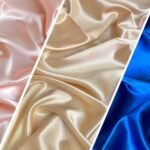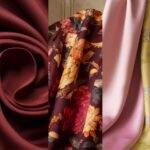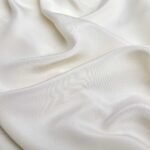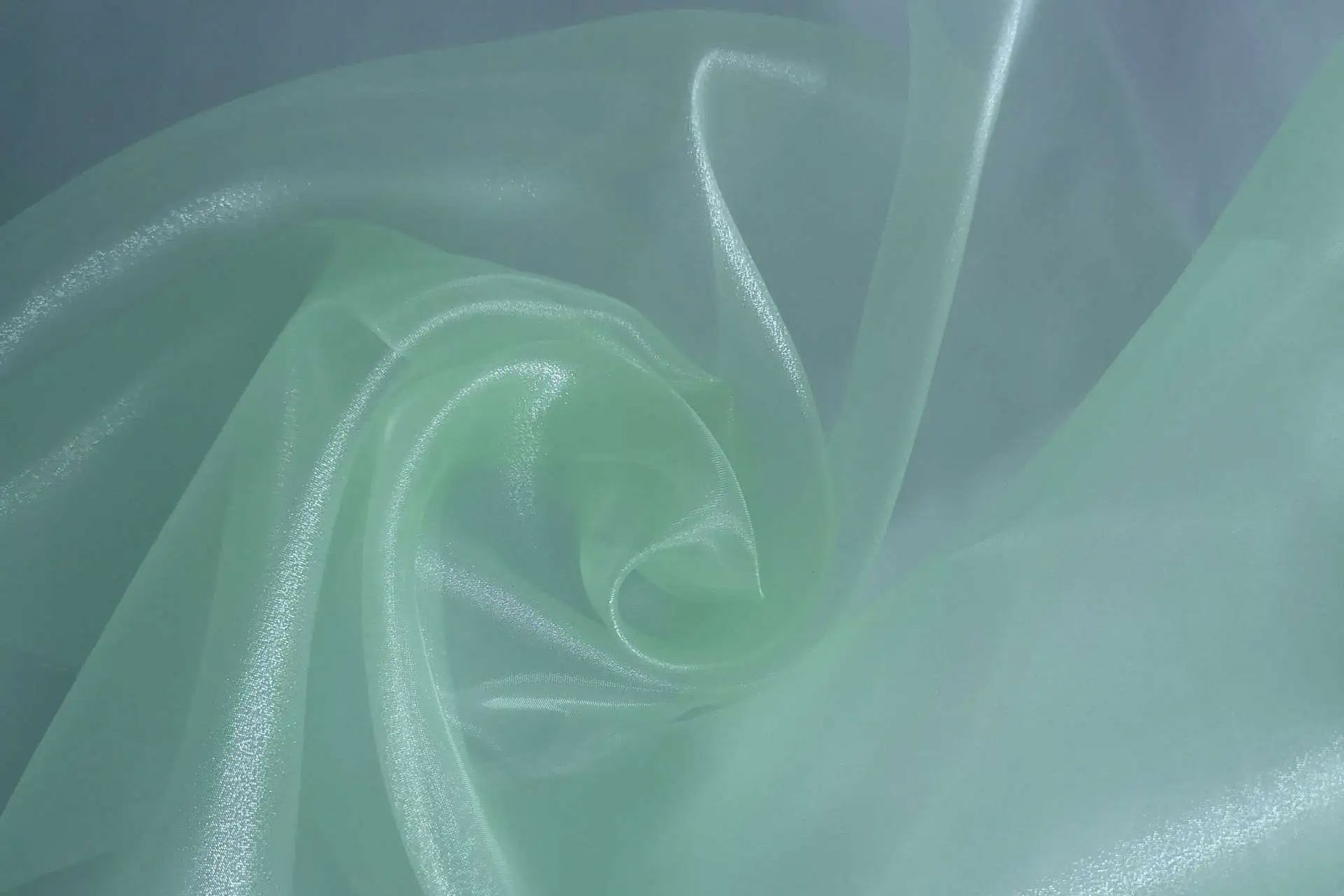
Mulberry silk is the gold standard of commercial silk production — the white, lustrous, highly uniform fiber produced by Bombyx mori silkworms fed exclusively on mulberry leaves. It accounts for approximately 90% of global silk production and is the fiber behind every major category of commercial silk fabric — charmeuse, chiffon, crepe de chine, organza, taffeta, and dupioni. When buyers specify 'silk fabric,' they are almost always specifying mulberry silk. This guide explains what makes mulberry silk different from other silk types, how it is graded, what the grades mean for fabric quality, and what manufacturers and wholesale buyers need to confirm when sourcing mulberry silk fabric at production scale.
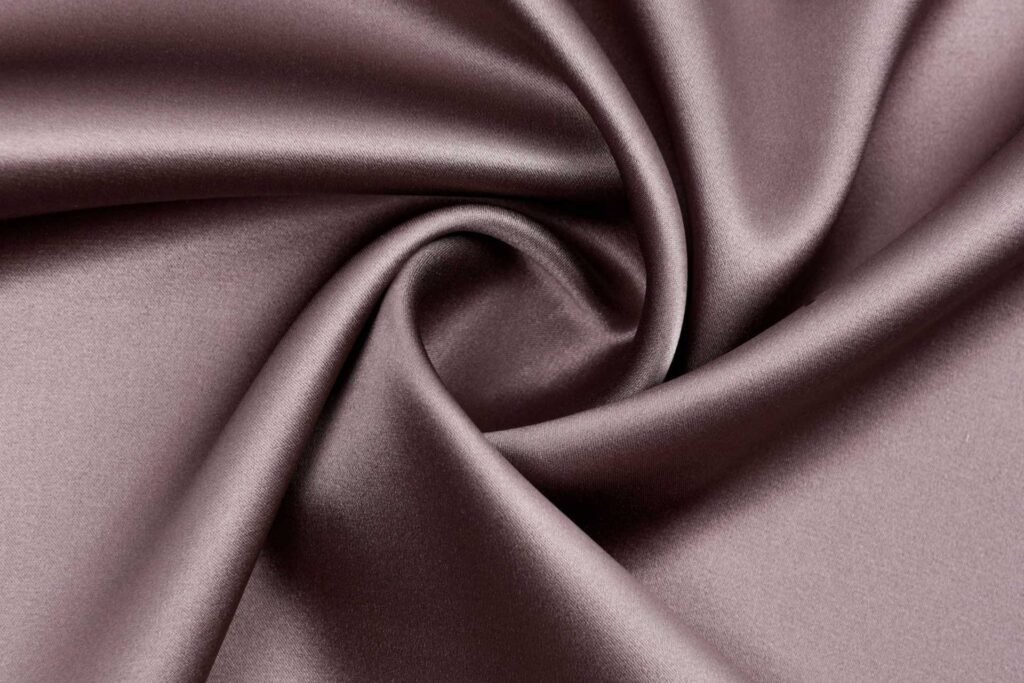
mulberry silk fabric
What Is Mulberry Silk — How It Differs from Other Silk Types
Mulberry silk is produced by the Bombyx mori silkworm — a domesticated species that has been selectively bred for silk production for approximately 5,000 years. The name comes from the silkworm's exclusive diet: mulberry leaves (Morus alba), which are the only food source the Bombyx mori silkworm will consume. This controlled diet and millennia of selective breeding produce a silk fiber with specific characteristics that distinguish it from wild silk types.
Fiber characteristics of mulberry silk:
White color. Mulberry silk filaments are naturally white — a result of the controlled mulberry leaf diet producing specific proteins in the silk fibroin. This natural whiteness allows mulberry silk to be dyed to bright, pure colors across the full spectrum without pre-bleaching. Tussah and other wild silks have natural pigmentation that limits their dyeable color range.
High uniformity. Bombyx mori silkworms produce remarkably consistent filament diameter along the full length of the cocoon — typically 10–13 micrometers with minimal variation. This uniformity is what produces the smooth, even surface of mulberry silk fabric. Wild silk filaments are significantly less uniform, producing the textured, slubbed surface of tussah and other wild silk fabrics.
Long filament length. A single Bombyx mori cocoon produces 300–900 meters of continuous filament. Multiple filaments are reeled together to form silk yarn — the long continuous filament length produces smooth, strong yarn with minimal joins or weak points.
High luster. The combination of filament uniformity, natural whiteness, and the triangular cross-section of silk fibroin produces the high, multi-directional luster that is mulberry silk's most immediately recognizable quality. The triangular cross-section acts as a prism, refracting light at multiple angles simultaneously and creating the characteristic shimmer that no synthetic fiber fully replicates.
Mulberry Silk Grading — What 6A, 5A, and Lower Grades Mean
Silk grading is the most important quality specification in mulberry silk sourcing — two fabrics at the same momme weight from different silk grades will perform and appear very differently. Understanding what the grades measure and what they mean in practice is essential for buyers specifying mulberry silk fabric.
The grading system: Chinese mulberry silk is graded on a 6A to 1A scale (sometimes written as AAAAA to A) based on four primary quality parameters assessed during reeling and inspection.
Filament uniformity. The consistency of filament diameter along the full cocoon length — higher grades have smaller diameter variation and more consistent yarn formation. Lower uniformity produces irregular yarn that creates surface inconsistencies in the woven fabric.
Defect rate. The frequency of knots, joins, broken filaments, and other yarn defects per unit length. Higher grades have lower defect rates — the woven fabric surface shows fewer irregularities and the yarn breaks less frequently during weaving, reducing production waste.
Luster consistency. The uniformity of light reflection across the fabric surface — a function of filament uniformity and whiteness consistency. Higher grades produce more consistent luster across the full fabric width and length, with no dull patches or luster variations between cocoon batches.
Cocoon quality. The physical quality of the source cocoons — their completeness, freedom from pest damage, and consistency of size. Higher quality cocoons produce longer, more uniform filaments.
What the grades mean for buyers:
| Grade | Quality Level | Practical Implication |
|---|---|---|
| 6A | Highest commercial grade | Near-perfect uniformity, maximum luster, minimum defects — specified for luxury brand production and high-end retail |
| 5A | Premium quality | Excellent uniformity and luster — practical standard for quality commercial silk production |
| 4A | Good commercial quality | Good uniformity, slightly higher acceptable defect rate — suitable for mid-market production |
| 3A | Standard commercial | Moderate uniformity — acceptable for applications where silk quality is not a primary product selling point |
| 2A–1A | Economy grade | Higher defect rates, lower luster consistency — used for budget applications and industrial silk |
Buyer recommendation: Specify minimum 5A grade for all garment production where silk quality is a product selling point — luxury sleepwear, bridal fabric, formal garments, and premium accessories. Request grade certification from the supplier alongside momme weight specification. Two fabrics both described as '20mm charmeuse' can appear and feel completely different if one is 6A grade and the other is 3A.
Mulberry Silk vs Tussah Silk — Key Differences
Tussah silk — produced by wild Antheraea silkworms feeding on oak and other leaves — is the second most commercially significant silk type. Understanding the differences helps buyers specify correctly when tussah may be appropriate.
| Factor | Mulberry Silk | Tussah Silk |
|---|---|---|
| Silkworm | Bombyx mori (domesticated) | Antheraea species (wild) |
| Diet | Mulberry leaves exclusively | Oak, castor, other leaves |
| Natural color | White | Off-white to tan/brown |
| Dyeability | Full color range — bright whites and colors | Limited — natural pigment resists full bleaching |
| Filament uniformity | High — consistent diameter | Lower — irregular, produces natural slubs |
| Luster | High, uniform, bright | Lower, more matte, warmer tone |
| Texture | Smooth | Slightly textured from irregular filaments |
| Strength | High | Slightly lower than mulberry |
| Cost | Higher | Lower |
| Best for | Smooth silk fabrics — charmeuse, CDC, organza | Textured fabrics — natural aesthetic, earth tones |
When tussah silk is the correct specification: Garments and textiles where the warm, off-white natural color and slightly textured surface are design features rather than limitations — natural aesthetic fashion, artisanal products, and applications where the rustic character of tussah is valued. Tussah is not a substitute for mulberry silk in applications requiring white or bright color, high luster, or smooth surface uniformity.
Mulberry Silk Fabric Types — The Full Range
All major silk fabric types are produced from mulberry silk. The following overview maps mulberry silk to the fabric constructions available for wholesale sourcing.
| Fabric Type | Construction | Momme Range | GSM | Key Properties |
|---|---|---|---|---|
| Silk Chiffon | Plain weave, high twist, open | 6–12mm | 26–52 GSM | Sheer, floating drape, matte |
| Silk Georgette | Plain weave, very high twist | 8–12mm | 35–52 GSM | Semi-sheer, crepe texture |
| Habotai (China Silk) | Plain weave, smooth | 12–16mm | 52–69 GSM | Smooth, versatile, moderate luster |
| Silk Crepe de Chine | Crepe twist, plain weave | 12–22mm | 52–95 GSM | Matte, crepe texture, fluid drape |
| Charmeuse | 4/1 satin weave, creped reverse | 16–30mm | 69–130 GSM | Lustrous face, matte reverse, liquid drape |
| Silk Taffeta | Plain weave, high twist, dense | 15–25mm | 65–108 GSM | Crisp, lustrous, rustling, volume |
| Dupioni | Plain weave, two-cocoon slub | 15–25mm | 65–108 GSM | Slub texture, high luster, crisp |
| Silk Organza | Plain weave, high twist, crisp | 12–20mm | 52–87 GSM | Sheer, stiff, structural |
| Silk Crepe Satin | Satin face, crepe reverse | 22–30mm | 95–130 GSM | Reversible, lustrous/matte |
| Heavy Satin | Dense satin weave | 30–40mm+ | 130–175 GSM+ | Heavy drape, structured |
| Silk Twill | Twill weave | 16–22mm | 69–95 GSM | Diagonal rib, structured, scarves |
Sustainability and Certification — Mulberry Silk
Mulberry silk has a more complex sustainability profile than its natural origin might suggest. Buyers sourcing for brands with sustainability requirements should understand the certification landscape.
OEKO-TEX Standard 100 Tests the finished silk fabric for harmful substances — residual chemicals from dyeing and finishing, heavy metals, formaldehyde, pH. OEKO-TEX certification confirms the fabric is safe for human skin contact. Available for mulberry silk fabric across all construction types. The minimum certification requirement for most European and North American retail buyers.
Silk Mark A certification issued by the Central Silk Board of India confirming 100% genuine silk content — used primarily for Indian silk products. For Chinese mulberry silk, fiber content verification is typically through accredited lab test reports (SGS, Intertek) rather than Silk Mark certification.
GRS (Global Recycled Standard) Recycled silk — produced from post-consumer or pre-consumer silk waste — can be certified under GRS. Recycled mulberry silk is available but at limited volume and higher cost than virgin silk. For brands with recycled content requirements, confirm GRS availability and supply volume with your supplier before specifying.
Responsible Silk / Supply Chain Transparency Unlike cotton (GOTS) or wool (RWS), there is no single dominant sustainability standard for silk production practices. Some brands conduct their own supplier audits; others specify Chinese national silk production standards. For buyers with specific supply chain transparency requirements, discuss directly with suppliers what documentation and factory audit options are available.
Key Specifications to Confirm When Sourcing Mulberry Silk Fabric
| Specification | What to Confirm | Standard |
|---|---|---|
| Fiber type | Mulberry silk confirmed — not tussah or blended | Lab test report |
| Silk grade | 6A, 5A, 4A — specify minimum acceptable | Minimum 5A for premium applications |
| Fabric construction | Charmeuse, CDC, organza, taffeta etc. | Per application requirement |
| Momme weight | mm, physical sample weighing | Per application requirement |
| GSM | Physical sample weighing | ±5% tolerance |
| Width | 114cm standard; 140cm for some heavier constructions | Confirm before pattern grading |
| Color fastness — washing | Grade rating | Minimum Grade 3–4 |
| Color fastness — light | UV stability | Minimum Grade 3–4 |
| Shrinkage | After hand wash | ≤5% acceptable |
| Certifications | OEKO-TEX, GRS if recycled | Per buyer requirement |
| MOQ | Per construction and order type | 50–300m depending on type |
| Lead time | Stock vs custom | Stock: 3–5 days / Custom: 7 days |
Frequently Asked Questions — Mulberry Silk Fabric
What is the difference between mulberry silk and regular silk? In commercial practice, 'silk' almost always means mulberry silk — it accounts for approximately 90% of global silk production. 'Regular silk' and 'mulberry silk' are effectively synonymous in most commercial contexts. The meaningful distinctions are between mulberry silk and other silk types — primarily tussah (wild silk), which has different color, texture, and luster characteristics. If a supplier describes fabric as 'silk' without specifying mulberry, request confirmation of the silk type and a fiber content lab test report.
What does 6A grade mulberry silk mean? 6A is the highest grade in the Chinese commercial silk grading system — it indicates near-perfect filament uniformity, maximum luster consistency, and minimum defect rate. 6A grade mulberry silk produces the most visually flawless, consistently lustrous silk fabric available commercially. For luxury brand production where fabric quality is a product differentiator, 6A grade specification is appropriate. For quality commercial production, 5A grade delivers premium results at slightly lower cost.
Is mulberry silk worth the premium over polyester silk alternatives? For applications where the natural properties of silk are functional requirements — breathability, temperature regulation, skin-contact softness, natural luster — yes. Mulberry silk's performance in luxury sleepwear, skin-contact intimate apparel, and premium formal garments is genuinely superior to polyester alternatives in ways that affect wearer experience, not just visual appearance. For applications where the silk aesthetic is purely visual — lining, theatrical costume, promotional garments — polyester alternatives deliver comparable appearance at significantly lower cost.
Can mulberry silk be machine washed? Standard mulberry silk fabric should be hand washed in cool water with silk detergent or dry cleaned — machine washing risks permanent fiber damage from agitation and heat. Some pre-treated mulberry silk fabrics are specified as machine washable — confirm care requirements with your supplier for the specific fabric construction and momme weight before advising end customers.
What is the minimum order for wholesale mulberry silk fabric? MOQ varies by construction and order type. Stock mulberry silk in standard colors: 50–100 meters per color for most constructions. Custom dyeing: 150–300 meters per color. Digital print development: from 50 meters per pattern at premium pricing, standard from 100–200 meters. Sample cost $25–$80 per meter depending on construction and momme, deductible from bulk order.
Source Wholesale Mulberry Silk Fabric from XINGYE TEXTILE
XINGYE TEXTILE supplies wholesale mulberry silk fabric — 5A and 6A grade across all major silk constructions including charmeuse, crepe de chine, chiffon, organza, taffeta, dupioni, and habotai — serving luxury garment brands, bridal manufacturers, premium sleepwear producers, and wholesale silk fabric buyers worldwide. Factory-direct pricing, MOQ from 50 meters for stock colors, free swatches available before bulk commitment.
→ Browse Our Full Fabric Range → Read: Silk vs Satin → Read: Types of Silk Fabric → Read: Silk Satin Fabric → Read: Charmeuse Fabric → Request a Free Swatch → Get a Wholesale Quote