Winter’s chill can be unforgiving, but with the right warm fabric for winter and smart layering, you can stay cozy, comfortable, and stylish all season long. Whether you’re braving the outdoors or just want to keep snug indoors, understanding winter fabrics and layering techniques is essential. In this guide, we’ll explore the best materials for winter wear, how to layer effectively, and tips to maximize warmth without bulk.
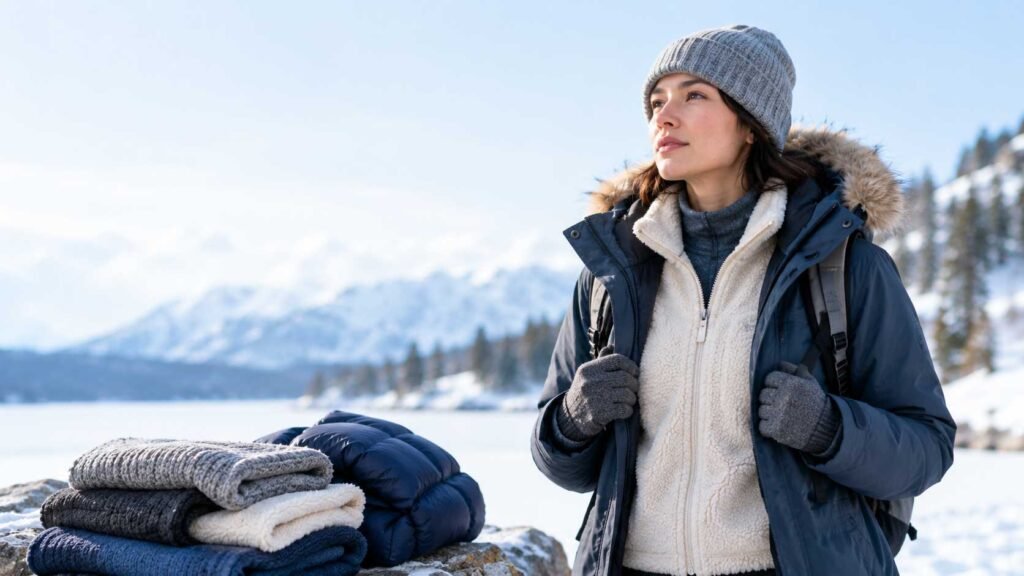
The Ultimate Guide to Choosing the Warm Fabric for Winter
Why Choosing the Right Warm Fabric for Winter Matters
When temperatures drop, your fabric choice becomes more than a style statement—it’s your shield against the cold. The right fabric traps body heat, wicks moisture, and resists wind and water, ensuring you stay warm and dry. But warmth is not just about thickness; it’s about how well a fabric insulates and works within a layering system.
The 3-Layer Winter Clothing System: Your Key to Warmth
Experts agree that the secret to winter warmth lies in layering. This ancient technique creates an insulating barrier that traps heat and manages moisture. The three essential layers are:
- Base Layer: Worn next to the skin, this layer wicks sweat away to keep you dry.
- Mid Layer: Provides insulation by trapping body heat.
- Outer Layer: Shields you from wind, rain, and snow.
By combining these layers with the right warm fabric for winter, you can adapt to changing weather conditions without overheating or chilling.
Best Warm Fabrics for Each Layer
1. Base Layer Fabrics: Moisture Management is Crucial
The base layer’s job is to keep your skin dry by wicking away sweat. Choose moisture-wicking, breathable fabrics that fit snugly against your skin.
- Merino Wool: Soft, breathable, odor-resistant, and insulating even when damp. Ideal for moderate to cold conditions.
- Synthetic Fabrics (Polyester, Nylon): Quick-drying, durable, and excellent for high-output activities or extreme cold.
- Silk: Lightweight and smooth, suitable for mild winter days or indoor wear.
- Avoid: Cotton, as it holds moisture and chills the body.
Tip: Merino wool base layers are a favorite among winter enthusiasts for their natural temperature regulation and comfort.
2. Mid Layer Fabrics: Insulation Without Bulk
This layer traps heat close to your body and provides the bulk of your warmth.
- Fleece (Polyester Fleece): Lightweight, breathable, quick-drying, and warm. Great for active use but needs an outer shell for wind protection.
- Down Insulation: Exceptional warmth-to-weight ratio and compressibility. Perfect for very cold, dry conditions but loses insulation when wet.
- Synthetic Insulation: Mimics down’s warmth but retains insulating power even when damp. Ideal for wet or variable climates.
- Wool (Thicker Variants like Icelandic or Cashmere): Excellent natural insulator with breathability and moisture management.
- Flannel, Corduroy, Tweed: Heavier natural weaves that trap air well but can be bulkier.
3. Outer Layer Fabrics: Protection from the Elements
The outer shell protects against wind, rain, and snow, preserving the warmth of inner layers.
- Nylon and Polyester Shells: Wind-resistant, durable, and lightweight. Often waterproof or water-resistant.
- Soft Shells: Offer breathability and light insulation, suitable for low-activity days.
- Waterproof + Breathable Fabrics: Provide full protection against precipitation while allowing moisture to escape.
Comparing Popular Warm Fabrics for Winter
| Fabric Type | Warmth Level | Pros | Cons | Best Use |
|---|---|---|---|---|
| Down | Very High | Lightweight, compressible | Loses insulation when wet | Extreme cold, dry conditions |
| Merino Wool | High | Breathable, odor-resistant | Can be bulky, pricier | Base/mid layers, socks |
| Fleece | Moderate to High | Lightweight, quick-drying | Poor wind resistance | Mid layers, active wear |
| Synthetic Insulation | High | Retains warmth when wet | Less warm than down | Wet, variable conditions |
| Flannel | Moderate | Soft, traps air | Absorbs moisture | Casual winter wear |
| Corduroy/Tweed | Moderate | Durable, warm | Heavy, less breathable | Jackets, pants |
| Silk | Low to Moderate | Lightweight, moisture-wicking | Not warm enough alone | Base layers, indoor wear |
Understanding the Science Behind Warmth: Air Trapping and Moisture Management
Warmth depends on two key factors:
- Air Trapping: Fabrics with crimped or looped fibers (like wool and fleece) trap microscopic air pockets that act as insulation.
- Moisture Management: Keeping skin dry is essential because wet skin loses heat rapidly. Fabrics like merino wool and polyester wick moisture away, preserving warmth.
Practical Tips for Choosing and Wearing Warm Fabrics for Winter
- Layer Smartly: Start with a tight-fitting base layer, add insulating mid layers, and finish with a protective outer shell.
- Mix Fabrics: Combine natural fibers (like merino wool or cotton) with synthetics to balance comfort, durability, and moisture control.
- Consider Activity Level: For high-output activities, prioritize moisture-wicking and breathable fabrics. For low activity, focus on heavier insulation.
- Protect Extremities: Don’t forget hats, gloves, and socks made from warm, moisture-wicking fabrics like wool blends.
- Care for Your Fabrics: Use fabric softeners sparingly, wash according to instructions, and use sprays or humidifiers to reduce static in synthetic fabrics.
Where to Find Quality Warm Winter Fabrics
For DIY enthusiasts or those looking to customize their winter wardrobe, fabrics like heavyweight wool, boucle, corduroy, and quilted polyester linings are available online and at specialty stores. Popular platforms like Etsy offer a wide selection of thick winter fabrics suitable for coats, jackets, and accessories.
Conclusion: Embrace the Warmth This Winter with the Right Fabrics and Layers
Choosing the right warm fabric for winter is about more than just thickness—it’s about understanding insulation, moisture management, and layering. Whether you prefer the natural comfort of merino wool, the lightweight warmth of fleece, or the exceptional insulation of down, combining these fabrics in a smart layering system will keep you cozy through the coldest months.
Ready to upgrade your winter wardrobe? Explore our recommended fabrics and layering tips to stay warm, dry, and stylish all season. Don’t forget to share this guide with friends and family who want to conquer winter chill with confidence!