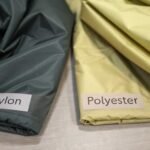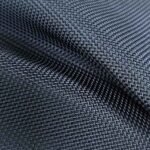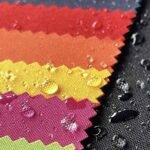
The short answer: raw nylon fiber is not naturally breathable in the way cotton or viscose is — but modern nylon fabrics can perform extremely well in breathability-critical applications, depending on construction, weight, and finishing. The old reputation of nylon as hot and plasticky comes from heavy coated nylon used in rainwear decades ago. Today, lightweight nylon fabrics engineered for activewear, sportswear, and performance uniforms are among the most comfortable technical textiles in production. This guide explains the real breathability profile of nylon, how it compares to other apparel fibers, and what garment manufacturers need to know when specifying nylon fabric for production.
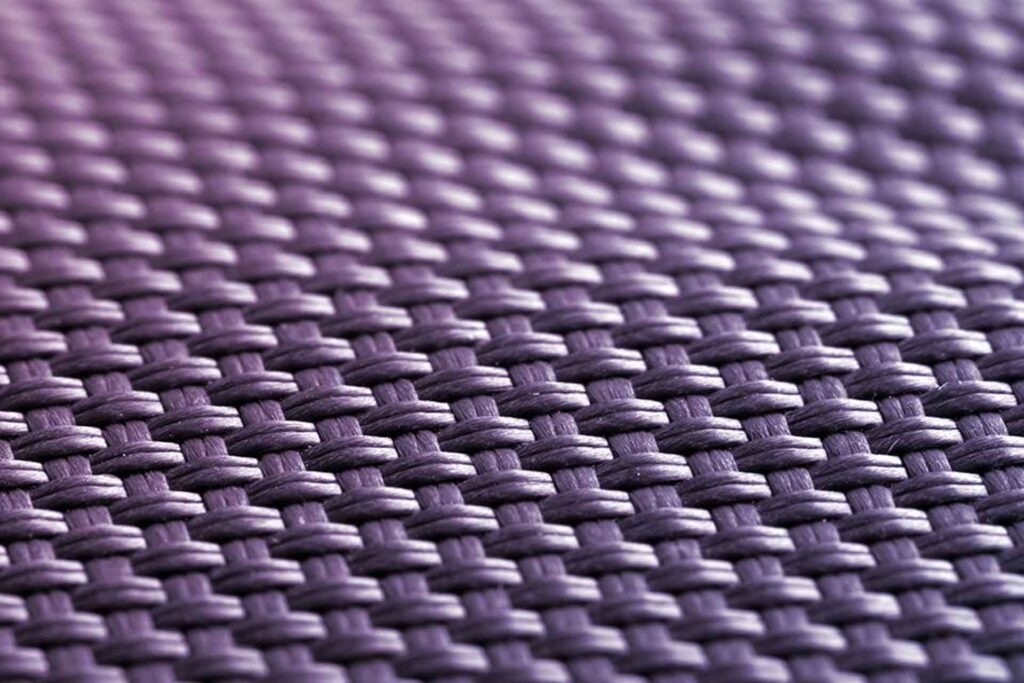
Is Nylon Fabric Breathable
Why Nylon Has a Breathability Problem — and Why It's Mostly Outdated
The perception that nylon is not breathable comes from two legitimate but outdated observations:
Nylon does not absorb moisture. Unlike cotton or viscose, nylon fiber absorbs very little water — typically less than 5% of its weight compared to cotton's 7–8% and viscose's 11–13%. This means sweat does not move into the fiber itself, which can create a clammy feeling against skin in hot conditions if the fabric is not engineered to manage moisture in other ways.
Early nylon fabrics were heavy and tightly woven. Nylon's original apparel applications — rainwear, parachutes, hosiery — used dense, tightly constructed fabrics specifically designed to block air and water. These constructions are genuinely not breathable, and this is where the reputation came from.
Neither of these observations applies to modern lightweight nylon fabrics engineered for apparel. The fiber's low moisture absorption is managed through moisture-wicking finishes and open fabric constructions that move sweat away from the skin mechanically rather than through fiber absorption. The result is a fabric that feels cool and dry in active use — often more so than cotton, which absorbs moisture and holds it against the skin.
What Actually Determines Nylon Breathability
For garment buyers and sourcing managers, the breathability of a nylon fabric is determined by three factors — none of which is the fiber alone.
Fabric construction and GSM
A lightweight nylon fabric at 70–100 GSM with an open weave or fine knit structure allows significant airflow. A heavyweight coated nylon at 200+ GSM blocks airflow almost entirely. The same fiber produces completely different breathability outcomes depending on how the fabric is constructed. Always evaluate breathability on a physical sample at the target GSM, not based on fiber type alone.
Moisture-wicking finish
Most performance nylon fabrics used in activewear and sportswear are finished with a moisture-wicking treatment that draws sweat from the skin surface to the outer face of the fabric where it evaporates. This mechanical moisture management compensates for nylon's low natural absorption and produces a dry, comfortable feel in active conditions. Verify moisture-wicking performance against AATCC 195 test standard.
Fabric structure — woven vs knit
Knit nylon fabrics have inherently more open structure and airflow than woven nylon at equivalent GSM. For maximum breathability in activewear and sportswear applications, knit nylon constructions with moisture-wicking finish are the standard specification. For outerwear and workwear where some wind resistance is required alongside breathability, woven nylon with a DWR finish and mechanical stretch is more appropriate.
Nylon vs Other Fibers — Breathability for Production Decisions
| Fiber | Natural Breathability | Moisture Absorption | Durability | Best Applications |
|---|---|---|---|---|
| Cotton | High | High | Good | Casualwear, workwear, uniforms |
| Viscose / Rayon | High | Very high | Moderate | Dresses, blouses, linings |
| Linen | Very high | High | Very good | Summer casualwear, resort wear |
| Nylon (standard) | Low-Medium | Low | Excellent | Outerwear, workwear, bags |
| Nylon (moisture-wicking finish) | Medium-High | Low (managed) | Excellent | Activewear, sportswear, performance uniforms |
| Polyester (standard) | Low | Very low | Excellent | Budget uniforms, lining |
| Polyester (moisture-wicking) | Medium | Low (managed) | Excellent | Activewear, sportswear |
Key takeaway for buyers: For breathability-critical applications, nylon with a moisture-wicking finish outperforms standard polyester and competes with cotton — while delivering significantly better abrasion resistance and stretch recovery than either. For applications where natural fiber breathability is the primary requirement and performance durability is less critical, cotton or viscose remain the better choice.
Where Nylon Fabric Performs Best in Garment Production
Understanding nylon's actual performance profile — rather than its reputation — opens up a wider range of production applications than many buyers initially consider.
Activewear and sportswear
Nylon is the premium fiber choice for activewear, swimwear, yoga wear, and performance sportswear. Its superior abrasion resistance, stretch recovery (particularly in nylon-spandex blends), and compatibility with moisture-wicking finishes make it the preferred specification for garments that need to perform through intense physical activity. Nylon-spandex knit fabric at 150–200 GSM with moisture-wicking finish is the standard construction for this category.
Swimwear
Nylon outperforms polyester in chlorine resistance and UV stability, making it the standard fiber for competitive and recreational swimwear. Nylon-spandex constructions at 180–220 GSM are the industry standard for swimwear production.
Lightweight outerwear and shell jackets
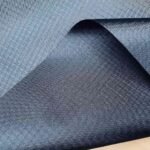
Ripstop nylon and plain woven nylon at 70–120 GSM are widely used for lightweight shell jackets, windbreakers, and packable outerwear. These constructions balance wind resistance with sufficient breathability for moderate activity levels. DWR (durable water repellent) finish is standard for outerwear applications.
Performance uniforms and workwear
For uniforms in physically demanding environments — military, law enforcement, security, outdoor hospitality — nylon-blend fabrics with moisture-wicking finish offer a durability and comfort combination that TC or TR fabrics cannot match. Nylon's abrasion resistance means seams, pockets, and high-wear areas last significantly longer than equivalent cotton-blend constructions.
Bags, linings, and technical accessories
Nylon's high tensile strength and abrasion resistance make it the dominant fabric for bags, backpacks, luggage, and technical accessories. Breathability is not a consideration in these applications — durability and weight are the primary drivers.
Key Specifications When Sourcing Nylon Fabric
| Specification | What to Confirm | Typical Standard |
|---|---|---|
| Fiber content | Nylon percentage, spandex percentage if applicable | Per agreed spec |
| GSM | Physical sample weighing | ±5% tolerance |
| Construction | Woven or knit, ripstop, plain, twill | Per garment application |
| Moisture-wicking | AATCC 195 test result | Confirm grade |
| Stretch direction | 2-way or 4-way if spandex blend | Per garment requirement |
| Color fastness — washing | Grade rating | Minimum Grade 4 |
| Color fastness — light | UV stability | Minimum Grade 4 for outerwear |
| Shrinkage | Warp and weft | ≤3% after standard wash |
| DWR finish | Water repellency rating if applicable | AATCC 22 spray test |
| Certifications | OEKO-TEX Standard 100 | Per buyer requirement |
| MOQ | Minimum order per color | Confirm before design sign-off |
| Lead time | Stock vs custom dyeing | Stock: 3–7 days / Custom: 20–35 days |
Frequently Asked Questions — Nylon Fabric Breathability
Is nylon more breathable than polyester?
Standard nylon and standard polyester have similar breathability — both are significantly less breathable than cotton or viscose in their base form. However, nylon accepts moisture-wicking finishes more effectively than polyester, and lightweight nylon constructions typically feel cooler in active use due to nylon's lower heat retention. For performance activewear, nylon with moisture-wicking finish is generally preferred over polyester at equivalent price points.
Is nylon good for hot weather?
Lightweight nylon fabrics with moisture-wicking finish perform well in hot weather for active use — the finish moves sweat away from skin efficiently. For sedentary wear in hot conditions, natural fibers like cotton or linen remain more comfortable because they absorb moisture directly into the fiber. The right choice depends on whether the garment is for active or sedentary use.
Does nylon shrink?
Nylon has excellent dimensional stability and minimal shrinkage — typically less than 1% after standard washing. This makes it a reliable choice for garments where consistent fit across multiple wash cycles is important.
Is nylon durable enough for workwear and uniforms?
Yes — nylon has the highest abrasion resistance of any common apparel fiber, significantly outperforming polyester, cotton, and viscose in wear resistance tests. For workwear applications where fabric durability in high-abrasion areas (knees, elbows, seat) is critical, nylon or nylon-blend fabrics are the technically correct specification.
What is the minimum order quantity for wholesale nylon fabric?
At XINGYE TEXTILE, standard MOQ for nylon and polyamide fabric is 500 meters per color for stock constructions. Custom GSM, finish, or construction may require higher MOQ — contact our team to confirm for your specific requirement.
Wholesale Nylon and Polyamide Fabric — Factory Direct from XINGYE TEXTILE
XINGYE TEXTILE manufactures and supplies wholesale nylon fabric and polyamide fabric — plain woven, ripstop, and nylon-spandex constructions — direct from our production facility in Shijiazhuang, China. We supply garment manufacturers, activewear brands, uniform contractors, and wholesale fabric buyers in 50+ countries with consistent quality, factory-direct pricing, and flexible MOQ from 500 meters per color.
Physical samples are available before bulk commitment. Our technical team can advise on the right nylon specification for your garment category, performance requirements, and certification needs.
→ Browse Nylon / Polyamide Fabric → Browse Fabric for Activewear → Browse Fabric for Swimwear → Request a Sample or Quote