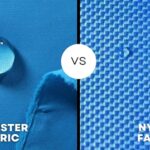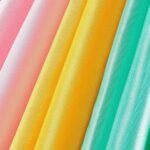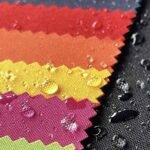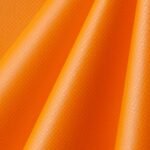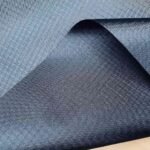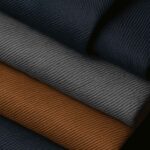
Waterproof fabric is any textile that prevents liquid water from penetrating through the fabric structure under pressure — either through the tightness of the weave, the application of a waterproof coating or laminate, or a combination of both. But 'waterproof fabric' is not a single material — it is a category that encompasses dozens of different base fiber, construction, coating, and finishing combinations, each producing different performance levels suited to different applications and price points. This guide explains the full waterproof fabric landscape: what makes a fabric waterproof, the main types and technologies available, how performance is measured, and how to select the right specification for your garment, bag, outdoor equipment, or upholstery application.
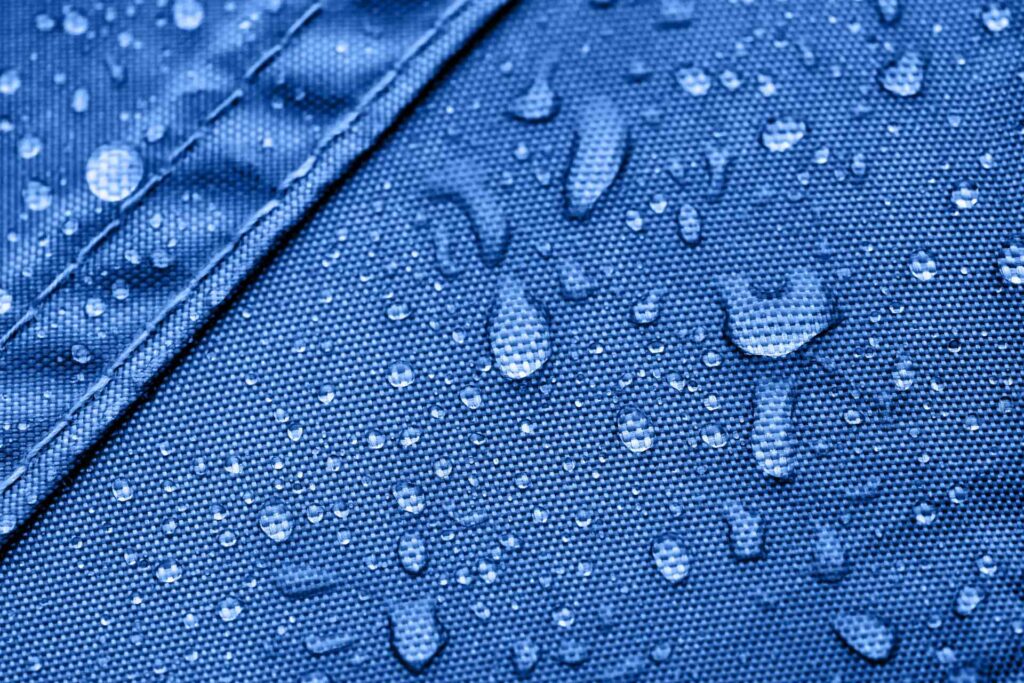
waterproof fabric material
What Makes a Fabric Waterproof?
A fabric becomes waterproof through one or more of three mechanisms:
Tight weave construction A very tightly woven fabric — particularly at high thread counts with fine yarns — slows water penetration by reducing the size of the gaps between threads. This produces basic water resistance without any coating. Downside: no coating means no consistent waterproof barrier — sustained water pressure or prolonged exposure will eventually penetrate even the tightest weave.
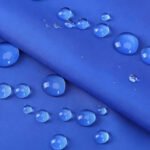
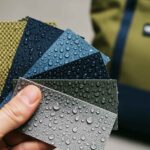
DWR surface treatment Durable Water Repellent (DWR) is a chemical treatment applied to the fabric face that causes water to bead and roll off the surface rather than soaking into the fiber. DWR does not create a continuous waterproof barrier — it modifies the surface energy of the fabric to repel liquid contact. Effective for light drizzle and brief water exposure; not sufficient for sustained rain or submersion.
Waterproof coating or laminate Applying a continuous layer of waterproof material — polyurethane (PU), polyvinyl chloride (PVC), or thermoplastic polyurethane (TPU) — to the fabric reverse creates a true waterproof barrier that prevents liquid penetration under sustained pressure. This is the primary waterproofing technology used in commercial garment, bag, outdoor equipment, and upholstery fabric production.
The distinction between water resistant and waterproof is critical for buyers making specification decisions and product claims:
- Water resistant: resists light moisture contact through tight weave or DWR — will eventually wet out under sustained exposure
- Waterproof: has a continuous coating or laminate barrier rated to a specific hydrostatic pressure — maintains waterproof performance under sustained pressure up to the rated level
The Main Types of Waterproof Fabric
DWR-Treated Fabric Base fabric — typically polyester or nylon woven construction — with a durable water repellent surface treatment applied after weaving. The fabric retains its original hand feel, breathability, and appearance while gaining water-beading surface properties. DWR treatment is the lightest and least expensive waterproofing option, adding minimal weight and maintaining maximum breathability.
Performance: 500–1,500 mmH₂O water resistance. Breathability: 4,000–6,000 g/m²/24h. Best for: light rain protection, wind-resistant outerwear, base layer of waterproof garment systems, applications where breathability is the primary requirement.
PU-Coated Fabric Polyurethane coating applied to the reverse face of a woven base fabric — typically polyester or nylon Oxford, taffeta, or ripstop. The PU layer creates a continuous flexible waterproof film while the original fabric surface remains on the face. PU coating is the most widely used waterproofing technology in commercial apparel, bag, and outdoor equipment production globally — a practical balance of performance, weight, and cost.
Performance: 2,000–4,000 mmH₂O. Breathability: 2,000–3,500 g/m²/24h. Best for: rain jackets, workwear, tents, outdoor bags, standard commercial waterproof applications.
TPU Laminate Fabric A pre-formed thermoplastic polyurethane film bonded to the base fabric using heat and pressure. TPU laminate produces higher waterproof performance and better breathability than PU coating — the controlled film structure allows moisture vapor to pass through while blocking liquid water. TPU laminate is also RF (radio frequency) weldable, enabling seamless waterproof construction without stitched seams.
Performance: 5,000–10,000 mmH₂O. Breathability: 3,000–8,000 g/m²/24h. Best for: premium outdoor jackets, technical sportswear, dry bags, laptop bags, medical upholstery, marine seating, applications requiring seamless construction.
PVC-Coated Fabric Polyvinyl chloride coating applied to a polyester base fabric — typically Oxford weave — produces the highest absolute waterproof performance of any standard commercial coating at the lowest cost per unit of waterproof performance. PVC fabric is heavy, not breathable, and stiffens in cold temperatures — but for applications where maximum waterproofing, abrasion resistance, and cost efficiency are the priority, PVC delivers performance no other coating matches at equivalent cost.
Performance: 5,000–20,000 mmH₂O. Breathability: essentially zero. Best for: luggage shells, tool bags, tarpaulins, industrial covers, heavy outdoor equipment, workwear aprons.
Base Fabric Options — What Goes Under the Coating
The base fabric — woven before any coating is applied — determines the finished fabric's weight, abrasion resistance, hand feel, and UV resistance. The coating determines waterproof performance. Both variables must be specified correctly for the finished fabric to perform as required.
Polyester base fabric The most widely used base for waterproof fabric production. Excellent UV resistance, high color fastness, dimensional stability, and lower cost than nylon. Available in 210D through 1000D denier for Oxford weave constructions. Polyester is the correct base fiber for: outdoor furniture, UV-exposed applications, cost-sensitive commercial products, and any application where color vibrancy and UV stability are priorities.
Weight range: 75–230 GSM depending on denier.
Nylon (polyamide) base fabric Higher abrasion resistance than polyester at equivalent denier — the primary reason nylon commands a 15–30% cost premium. Nylon base fabric produces lighter finished fabric at equivalent denier, with a softer, more supple hand feel. Nylon is the correct base fiber for: technical outdoor garments, premium bags, marine upholstery, and high-wear applications where fabric service life under abrasion is the critical specification.
Weight range: 85–250 GSM depending on denier.
Denier selection guide:
| Denier | Base Weight | Application |
|---|---|---|
| 210D | 75–100 GSM | Lightweight garments, pouches, pack liners |
| 300D | 110–130 GSM | Light bags, rain ponchos, lightweight outdoor |
| 420D | 150–180 GSM | Standard outdoor jackets, everyday backpacks |
| 600D | 200–250 GSM | Heavy bags, luggage, outdoor furniture, workwear |
| 840D–1000D | 300–400 GSM | Military, heavy tool bags, industrial covers |
How Waterproof Performance Is Measured
Hydrostatic Pressure (mmH₂O) The primary waterproof performance measurement. A water column is applied to the fabric under controlled pressure — the result in millimeters of water column (mmH₂O) indicates the pressure at which water first penetrates the fabric. Higher numbers mean better waterproof performance.
| Rating | Protection Level | Application |
|---|---|---|
| 500–1,500 mmH₂O | Water resistant | Light drizzle, DWR treatment |
| 1,500–5,000 mmH₂O | Waterproof standard | Everyday rain jackets, light outdoor |
| 5,000–10,000 mmH₂O | Waterproof performance | Active outdoor, hiking, cycling |
| 10,000–20,000 mmH₂O | Highly waterproof | Technical mountaineering, skiing |
| 20,000+ mmH₂O | Extreme waterproof | Military, professional alpine |
Test standards: ISO 811 and AATCC 127 are the most widely referenced — both produce comparable results and are accepted in international trade.
Breathability (MVTR — g/m²/24h) Moisture Vapor Transmission Rate measures how much water vapor passes through the fabric per square meter per 24 hours. Higher numbers mean better breathability — more moisture from perspiration escapes through the fabric.
Important: breathability results vary significantly depending on the test method used. Always confirm which test method was applied when comparing breathability figures from different suppliers — Method A (upright cup) and Method B (inverted cup) results are not directly comparable.
For a complete explanation of waterproof test standards and how to read fabric test reports, see our detailed guide: [Waterproof Fabric Technical Specs Explained].
Choosing the Right Waterproof Fabric — Application Guide
Different applications require different combinations of base fiber, denier, and coating. The table below provides starting-point specifications for the most common waterproof fabric applications.
| Application | Base Fiber | Denier | Coating | Waterproof Rating |
|---|---|---|---|---|
| Rain jacket / outdoor garment | Nylon | 210D–420D | TPU laminate or PU | 5,000–10,000 mmH₂O |
| Workwear rain jacket | Polyester | 300D–420D | PU coating | 2,000–4,000 mmH₂O |
| Everyday backpack | Polyester | 600D | PU coating | 2,000–3,000 mmH₂O |
| Technical outdoor backpack | Nylon | 420D–600D | TPU laminate | 5,000–10,000 mmH₂O |
| Rolling luggage shell | Polyester | 600D | PVC or PU | 3,000–10,000 mmH₂O |
| Dry bag / waterproof stuff sack | Nylon | 210D–420D | TPU laminate | 10,000+ mmH₂O |
| Outdoor furniture | Polyester | 600D | PU coating | 2,000–4,000 mmH₂O |
| Marine / yacht seating | Nylon | 600D | TPU laminate | 5,000–10,000 mmH₂O |
| Medical upholstery | Nylon | 420D–600D | TPU laminate | 5,000–10,000 mmH₂O |
| Tent fly | Polyester | 210D–300D | PU + DWR | 3,000–5,000 mmH₂O |
| Industrial cover / tarpaulin | Polyester | 600D–1000D | PVC | 10,000–20,000 mmH₂O |
| Promotional tote bag | Polyester | 210D–300D | DWR or light PU | 500–2,000 mmH₂O |
For deeper guidance on specific application categories, see our vertical guides:
Environmental and Compliance Considerations
Waterproof fabric certification requirements vary by market and application. Buyers sourcing for European and North American markets should confirm the following before bulk production.
OEKO-TEX Standard 100 Covers chemical safety of the finished fabric — residual chemicals, heavy metals, formaldehyde, pH. Available for DWR, PU, and TPU finished fabrics. Standard requirement for consumer product applications in European and North American markets.
REACH Compliance (EU) EU chemical regulation restricting hazardous substances. Particularly relevant for PVC-coated fabric — standard PVC plasticizers (phthalates) are restricted under REACH SVHC list. Phthalate-free PVC formulations are required for EU market consumer products. TPU and PU coated fabrics generally have a cleaner REACH compliance profile.
ROHS Compliance Restricts hazardous substances in electrical and electronic equipment — relevant for technical fabric used in electronic product protection and specialist industrial applications.
SGS and Intertek Test Reports Independent laboratory test reports confirming hydrostatic pressure, breathability, color fastness, and chemical safety are standard practice for commercial waterproof fabric supply. Request test reports before bulk order confirmation — not after.
For detailed guidance on waterproof fabric compliance and test standards, see: [Waterproof Fabric Technical Specs Explained].
Waterproof Fabric Wholesale — MOQ and Sample Policy
MOQ by Order Type:
| Order Type | MOQ |
|---|---|
| Stock waterproof fabric, standard colors | 500 meters per color |
| Custom dyeing or functional coating | 1,500–2,000 meters per color |
| Special composite construction | 3,000 meters minimum |
Sample Policy:
- A4 swatches and color cards: free, courier at buyer's expense
- Small yard samples: nominal charge, fully deductible from bulk order
- Standard sample lead time: 3–5 business days
- Custom color or coating sample: 7 business days
- SGS/Intertek waterproof and breathability test reports: available on request
Frequently Asked Questions — Waterproof Fabric
What is the difference between waterproof and water resistant fabric? Water resistant fabric repels light moisture contact through tight weave structure or DWR surface treatment — effective in light drizzle but will eventually wet out under sustained rain or pressure. Waterproof fabric has a continuous coating or laminate layer (PU, TPU, or PVC) that prevents liquid penetration under sustained pressure, rated in millimeters of water column (mmH₂O). For garments and products claiming waterproof performance, a continuous coating layer and a minimum hydrostatic pressure rating of 1,500 mmH₂O is required.
Which waterproof fabric coating is best? There is no universally best coating — each has specific strengths. TPU laminate delivers the best combination of waterproof performance and breathability, is RF-weldable for seamless construction, and has the cleanest environmental profile. PU coating is the most widely used option — reliable performance at moderate cost for the majority of commercial applications. PVC coating delivers the highest absolute waterproof performance and abrasion resistance at the lowest cost per unit of waterproof performance, but is heavier and not breathable. DWR alone is sufficient only for light rain protection applications.
Is nylon or polyester better for waterproof fabric? Nylon offers better abrasion resistance and a softer hand feel; polyester offers better UV resistance and lower cost. For outdoor garments and premium bags where abrasion resistance and light weight are priorities, nylon is the better base. For outdoor furniture, cost-sensitive bags, and UV-exposed applications, polyester is more appropriate. For a detailed comparison, see: [Nylon vs Polyester in Waterproof Laminates].
How do I verify a supplier's waterproof rating? Request an SGS, Intertek, or Bureau Veritas test report for the specific fabric you are ordering, conducted to ISO 811 or AATCC 127. The report should state the fabric description, test method, and hydrostatic pressure result. Do not accept waterproof rating claims without a supporting test report from an accredited independent laboratory.
What is the minimum order for wholesale waterproof fabric? Standard MOQ for stock waterproof fabric in regular colors is 500 meters per color. Custom dyeing and coating requires 1,500–2,000 meters minimum. Special constructions start from 3,000 meters. Free swatches available before bulk commitment.
Source Wholesale Waterproof Fabric from XINGYE TEXTILE
XINGYE TEXTILE supplies wholesale waterproof fabric across the full range of base fibers, denier specifications, and coating technologies — polyester and nylon base, 210D to 1000D, with DWR, PU coating, PVC coating, and TPU laminate finishing — direct from our production facility in China. We serve garment manufacturers, bag brands, outdoor equipment producers, furniture manufacturers, and technical fabric buyers worldwide with factory-direct pricing, flexible MOQ from 500 meters, and full technical documentation.
Free swatches and test reports available before bulk commitment. Contact our sourcing team with your application, performance requirements, quantity, and destination for a formal quotation within 24 hours.
→ Browse Our Full Fabric Range → Browse Fabric for Bags → Browse Upholstery Fabric → Read: TPU vs PVC Waterproof Fabric → Read: Nylon vs Polyester in Waterproof Laminates → Read: Waterproof Fabric Technical Specs Explained → Read: Best Waterproof Fabric for Bags → Request a Free Swatch → Get a Wholesale Quote