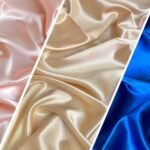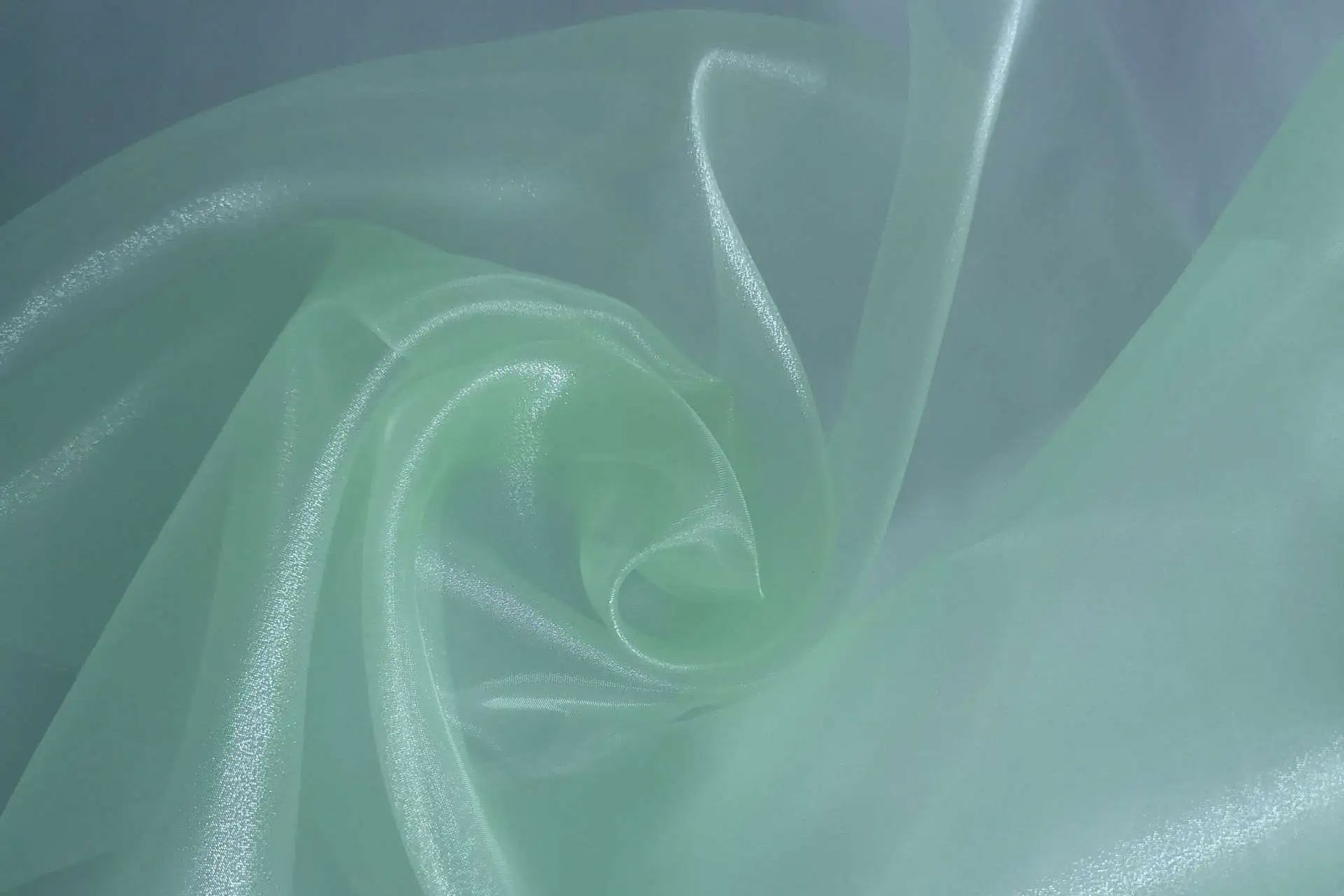
Silk fabric is not a single material — it is a broad category of woven textiles produced from mulberry silk fiber across dozens of constructions, weights, and surface characters. A 6mm silk chiffon evening gown overlay and a 25mm charmeuse luxury pajama set are both silk fabric — but they share almost no practical specifications in common. Choosing the right type of silk fabric for your application requires understanding which construction, momme weight, and surface character matches your product's design intent, production requirements, and end-market positioning. This guide covers every major silk fabric type available for commercial garment and textile manufacturing — with momme specifications, applications, and links to detailed sourcing guides for each category.
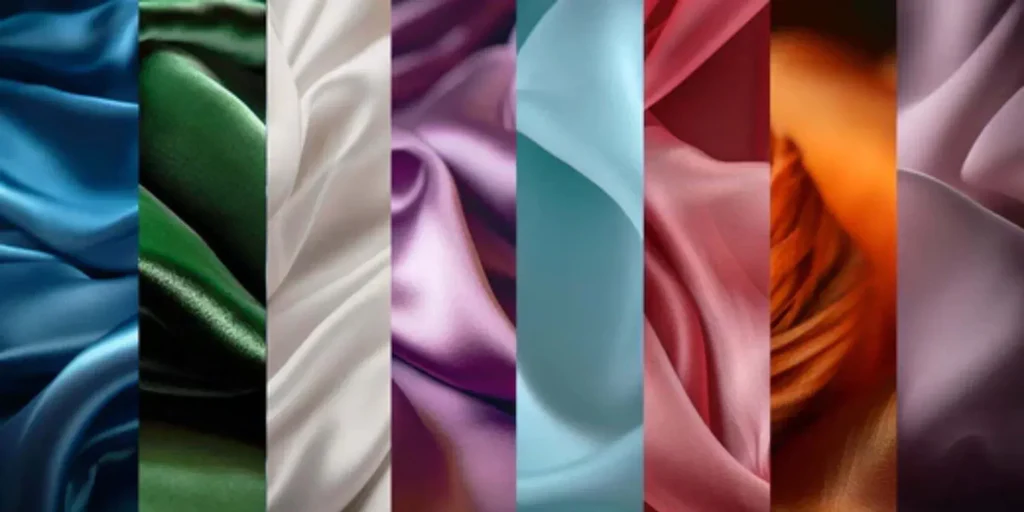
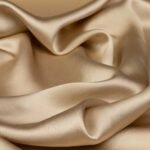
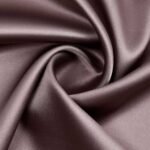
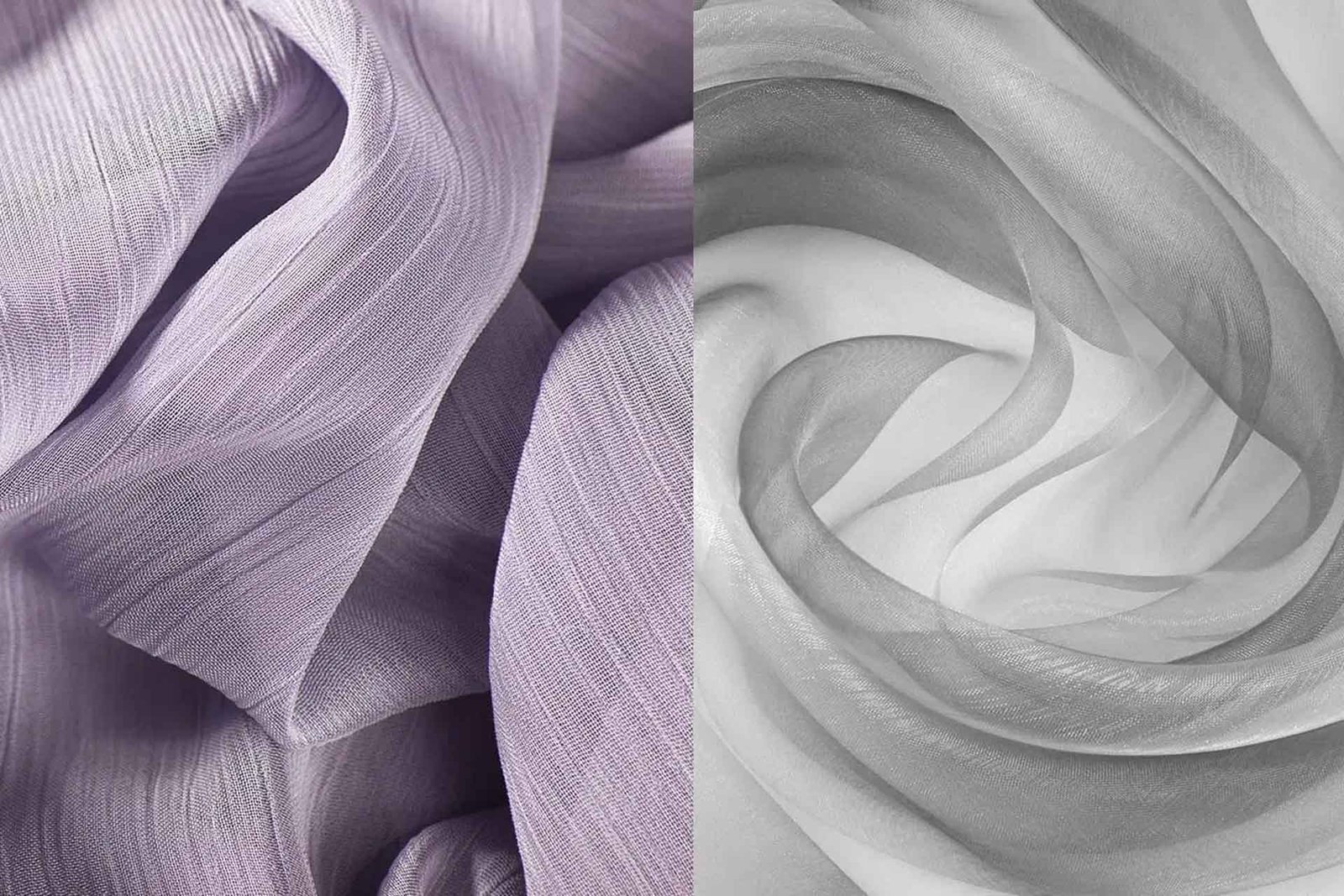
different varieties of silk
Charmeuse — The Luxury Sleepwear and Bias-Cut Standard
Charmeuse is a 4/1 satin-weave silk fabric with a smooth, lustrous face and slightly creped matte reverse — the standard specification for luxury sleepwear, lingerie, bias-cut evening gowns, and draped formal garments. Its combination of liquid drape, high surface luster, and skin-contact softness makes charmeuse the dominant silk fabric in the luxury sleepwear and intimate apparel market.
Key specifications:
- Momme range: 12–30mm
- GSM range: 52–130 GSM
- Width: 114cm standard
- Character: lustrous face, matte creped reverse, liquid drape
Primary applications: Luxury pajamas and sleepwear, lingerie and intimate apparel, bias-cut evening gowns, formal blouses, scarves, premium silk pillowcases and bedding.
Why charmeuse over other silk: Charmeuse delivers the highest luster alongside liquid drape and skin-contact softness — the combination that defines luxury sleepwear and draped evening wear. No other silk construction matches charmeuse's sensory qualities for sustained skin-contact garments.
→ Full Guide: Charmeuse Fabric → Full Guide: Silk Satin Fabric
Silk Chiffon — Ultra-Lightweight Sheer and Floating Drape
Silk chiffon is the lightest silk fabric type — an ultra-sheer plain weave with floating, fluid drape that responds to the slightest air movement. At 6–12 momme (26–52 GSM), silk chiffon is among the lightest commercial woven fabrics available at useful tensile strength. Its combination of near-weightlessness, complete sheerness, and fluid movement makes it the defining fabric for floating evening gowns, layered bridal overlays, and scarves.
Key specifications:
- Momme range: 6–12mm
- GSM range: 26–52 GSM
- Width: 114cm standard
- Character: sheer, matte, floating drape, very lightweight
Primary applications: Evening gown layers, bridal overlays, scarves and shawls, lightweight blouses, layered skirts, flowing sleeves.
Why chiffon over other silk: When maximum fluidity and transparency are the design requirements — floating layers, bridal veils, gossamer overlays — chiffon is the only silk fabric that delivers the near-weightless floating character the design requires.
→ Full Guide: Silk Chiffon Fabric
Silk Organza — Structured Sheerness and Sculptural Volume
Silk organza is a sheer, crisp plain weave silk fabric with a stiff hand feel that holds its shape without lining — the only sheer silk fabric that creates volume and sculptural structure rather than fluid drape. Where chiffon floats, organza stands. This structural sheerness makes organza the defining fabric for ball gown skirts, puffed sleeves, and architectural bridal construction.
Key specifications:
- Momme range: 12–20mm
- GSM range: 52–87 GSM
- Width: 114cm standard
- Character: sheer, stiff, papery hand feel, rustling scroop, holds shape
Primary applications: Ball gown skirt layers, structured bridal gowns, puffed and structured sleeves, formal overlays, theatrical costumes, bridal veils.
Why organza over other silk: When the design requires sheer fabric that creates volume and holds architectural shape — organza is the only silk construction that delivers both sheerness and structural rigidity simultaneously.
→ Full Guide: Silk Organza Fabric
Silk Crepe de Chine (CDC) — Matte Sophistication and Wrinkle Resistance
Silk crepe de chine is the most versatile everyday luxury silk fabric — a plain weave with highly twisted weft yarns producing a subtle crepe texture and matte surface. CDC has better wrinkle resistance than smooth silk fabrics, fluid but controlled drape, and a sophisticated matte appearance that photographs well and ages gracefully through extended wearing.
Key specifications:
- Momme range: 12–22mm
- GSM range: 52–95 GSM
- Width: 114cm standard
- Character: matte, subtle crepe texture, fluid drape, wrinkle-resistant
Primary applications: Dresses, blouses, formal shirts, bias-cut garments, pajamas and sleepwear, scarves, garment lining.
Why CDC over other silk: When matte sophistication, wrinkle resistance, and controlled fluid drape are the specification requirements — CDC delivers these properties that smooth silk fabrics like charmeuse or habotai cannot. The most practical luxury silk for garments worn for extended periods.
→ Full Guide: Silk Crepe Fabric
Silk Taffeta — Crisp Volume and Formal Presence
Silk taffeta is a crisp, smooth plain weave silk with a uniformly lustrous surface, stiff hand feel, and the most pronounced scroop of any silk fabric. Its structural rigidity creates volume without weight — a full ball gown skirt in silk taffeta holds its shape through the fabric's own stiffness rather than requiring heavy underlining.
Key specifications:
- Momme range: 15–25mm
- GSM range: 65–108 GSM
- Width: 114cm standard
- Character: crisp, lustrous, stiff, volume-creating, rustling
Primary applications: Ball gown skirts, structured bridal gowns, structured bodices, formal occasion wear, theatrical costumes, formal accessories.
Why taffeta over other silk: When maximum structural volume, smooth formal silhouette, and pronounced rustling character are the design requirements — taffeta creates volume and formal presence that fluid silk fabrics cannot replicate.
→ Full Guide: Silk Taffeta Fabric
Dupioni Silk — Textured Luster and Natural Character
Dupioni silk is a crisp plain weave silk fabric with characteristic irregular slubs woven throughout — distinctive horizontal ribs of varying thickness produced by weaving two cocoons simultaneously. The slub texture gives dupioni a natural, artisanal character that distinguishes it from the smooth uniformity of taffeta or charmeuse, while its high luster and crisp structure make it equally appropriate for formal and luxury applications.
Key specifications:
- Momme range: 15–25mm
- GSM range: 65–108 GSM
- Width: 114cm standard
- Character: slub texture, high luster, crisp, structured
Primary applications: Structured bridal gowns, formal occasion wear, cocktail dresses, luxury curtains and home textiles, decorative cushion covers.
Why dupioni over taffeta: When textured surface character and natural aesthetic are part of the design brief — dupioni's slub texture adds visual interest and individuality that smooth taffeta cannot provide. For formal garments where the fabric's personality is as important as its structure.
→ Full Guide: Dupioni Silk Fabric
Habotai (China Silk) — Versatile Lightweight Plain Weave
Habotai — also called China silk or Habutai — is the most versatile and widely produced plain weave silk fabric. At 12–16 momme, it occupies the middle ground between lightweight chiffon and heavier charmeuse — smooth, moderately lustrous, with balanced drape that suits a wide range of applications from garment lining through lightweight blouses to printed scarf fabric.
Key specifications:
- Momme range: 12–16mm
- GSM range: 52–69 GSM
- Width: 114cm standard
- Character: smooth, moderate luster, balanced drape, versatile
Primary applications: Garment lining for structured garments, lightweight blouses and dresses, printed scarves, base fabric for silk painting and printing, interfacing for other silk fabrics.
Why habotai over other silk: When a lightweight, smooth, versatile silk is required without the high luster of charmeuse, the sheerness of chiffon, or the crispness of organza — habotai is the practical all-purpose silk for lining, simple garments, and print applications.
Silk Georgette — Semi-Sheer with Pronounced Crepe
Silk georgette sits between chiffon and CDC in the silk fabric range — semi-sheer with a more pronounced crepe texture than CDC and slightly more body than chiffon. The higher yarn twist of georgette produces a fabric with visible crepe grain, slight opacity, and controlled flowing drape that makes it widely used for blouses, dresses, and flowing formal garments.
Key specifications:
- Momme range: 8–12mm
- GSM range: 35–52 GSM
- Width: 114cm standard
- Character: semi-sheer, pronounced crepe texture, flowing drape
Primary applications: Flowing dresses and blouses, formal scarves, layered garments, semi-sheer tops, event wear.
Why georgette over chiffon: When slightly more body and controlled drape are needed alongside semi-sheer transparency — georgette provides structure that chiffon cannot while maintaining lightweight flowing character. For garments where pure chiffon feels too insubstantial.
→ Full Guide: Silk Crepe Fabric
Silk Crepe Satin — The Reversible Luxury Fabric
Silk crepe satin is a reversible construction — satin weave face on one side, crepe texture on the other. Both faces are usable in garment construction, giving designers the option to use either lustrous or matte surfaces within the same garment. Its excellent drape — better than standard charmeuse due to the crepe construction adding internal structure — makes it a premium specification for high-end garments.
Key specifications:
- Momme range: 22–30mm
- GSM range: 95–130 GSM
- Width: 114cm standard
- Character: reversible, lustrous face and matte crepe reverse, excellent drape
Primary applications: High-end formal dresses, reversible garments, premium pajamas and sleepwear, formal blouses requiring both satin and matte elements.
Why crepe satin: When design requires both lustrous and matte surfaces in the same garment, or when maximum drape alongside satin aesthetics is the specification — crepe satin's reversibility and superior drape justify its premium over standard charmeuse.
→ Full Guide: Silk Crepe Fabric → Full Guide: Silk Satin Fabric
Silk Fabric Selection Guide — Application to Type
| Application | Recommended Silk Type | Momme Range | Key Reason |
|---|---|---|---|
| Luxury pajamas and sleepwear | Charmeuse | 19–25mm | Skin-contact softness, liquid drape, breathability |
| Bias-cut evening gown | Charmeuse or CDC | 19–22mm | Controlled bias drape |
| Floating evening gown layers | Silk chiffon | 6–8mm | Ultra-lightweight floating drape |
| Ball gown with volume | Silk organza (layers) | 14–18mm | Structural sheerness creates volume |
| Structured bridal gown | Silk taffeta or dupioni | 20–22mm | Crisp structure, formal volume |
| Textured bridal fabric | Dupioni silk | 20–22mm | Slub texture, natural character |
| Formal blouses and dresses | Silk CDC | 16–22mm | Matte sophistication, wrinkle resistance |
| Luxury scarves | Charmeuse or habotai | 12–16mm | Luster, drape, print quality |
| Garment lining | Habotai | 12–14mm | Lightweight, smooth, versatile |
| Premium bedding | Charmeuse | 25–30mm+ | Surface smoothness, skin comfort |
| Luxury curtains | Dupioni or taffeta | 20–25mm | Structure, luster, home textile weight |
| Theatrical costume | Taffeta or organza | 18–22mm | Volume, structure, visual impact |
Wholesale Silk Fabric — MOQ and Sample Policy
Standard MOQ by Silk Type:
| Silk Fabric Type | Stock Colors MOQ | Custom Dyeing MOQ |
|---|---|---|
| Charmeuse | 50–100m per color | 150–300m per color |
| Silk Chiffon | 50–100m per color | 150–300m per color |
| Silk Organza | 50–100m per color | 150–300m per color |
| Silk Crepe de Chine | 50–100m per color | 150–300m per color |
| Silk Taffeta | 50–100m per color | 150–300m per color |
| Dupioni Silk | 50–100m per color | 150–300m per color |
| Habotai | 50–100m per color | 150–300m per color |
| Heavy Satin / Crepe | 50–100m per color | 150–300m per color |
Sample policy: Free A4 swatches and color cards for all silk fabric types, courier at buyer's expense. Cut yard samples available at $25–$80 per meter depending on construction and momme, fully deductible from bulk order. Standard sample lead time 3–5 business days; custom dyeing and specialty constructions 7–10 days.
Frequently Asked Questions — Types of Silk Fabric
What is the most popular type of silk fabric? Charmeuse and crepe de chine are the two most widely produced silk fabric types for garment applications globally. Charmeuse dominates luxury sleepwear, lingerie, and evening wear; CDC covers the broadest range of everyday luxury garment applications from blouses and dresses through pajamas and scarves. For bridal and structured formal wear, silk taffeta and dupioni are the dominant specifications.
Which silk fabric is best for beginners to sew? Habotai (China silk) at 12–14mm is the most accessible silk fabric for manufacturers new to silk production — its plain weave structure is more dimensionally stable than charmeuse or chiffon, it frays at a manageable rate, and its balanced drape is less challenging to handle than extremely fluid charmeuse or extremely lightweight chiffon. CDC at 16–18mm is also a practical starting specification for silk garment production.
What is the difference between silk and satin? Silk is a fiber — the natural protein filament produced by silkworms. Satin is a weave structure — a method of interlacing threads that produces a smooth, lustrous surface. Silk satin (charmeuse) combines silk fiber with satin weave. Polyester satin uses the same weave with synthetic fiber. For a complete explanation, see our dedicated guide.
What is the lightest type of silk fabric? Silk chiffon at 6 momme (approximately 26 GSM) is the lightest commercially produced silk fabric. At this weight, the fabric is almost completely transparent and weighs almost nothing — a full-length gown in 6mm chiffon weighs a fraction of equivalent heavier silk constructions. Silk georgette at 8mm is the next lightest commonly specified construction.
What is the minimum order for wholesale silk fabric? Standard MOQ for stock silk fabric in regular colors is 50–100 meters per color across most construction types — significantly lower than synthetic fabric MOQ due to silk's higher per-meter value. Custom dyeing requires 150–300 meters minimum. Digital print development from 50 meters per pattern at premium pricing. Contact our team to confirm MOQ for your specific construction and momme requirement.
Source Wholesale Silk Fabric from XINGYE TEXTILE
XINGYE TEXTILE supplies wholesale silk fabric across all major types and constructions — charmeuse, chiffon, crepe de chine, organza, taffeta, dupioni, habotai, and crepe satin — in 5A and 6A mulberry silk, from 6 to 40+ momme, serving luxury garment brands, bridal manufacturers, evening wear producers, premium sleepwear brands, and wholesale silk fabric buyers worldwide. Factory-direct pricing, MOQ from 50 meters for stock colors, free swatches available before bulk commitment.
→ Browse Our Full Fabric Range → Read: Silk vs Satin → Read: Mulberry Silk Fabric → Read: Charmeuse Fabric → Read: Silk Chiffon Fabric → Read: Silk Organza Fabric → Request a Free Swatch → Get a Wholesale Quote