Recycled Polyester
In an era where sustainability is no longer a choice but a necessity, the textile industry is undergoing a massive transformation. You may have noticed tags on clothing or bags boasting that they are made from 'Recycled Water Bottles.'
At the heart of this movement is recycled polyester (rPET) and specialized brands like Repreve polyester. But how does plastic trash become soft, durable clothing, and is it truly a sustainable fabric? Let’s dive into the facts.
1. What is Recycled Polyester (rPET)?
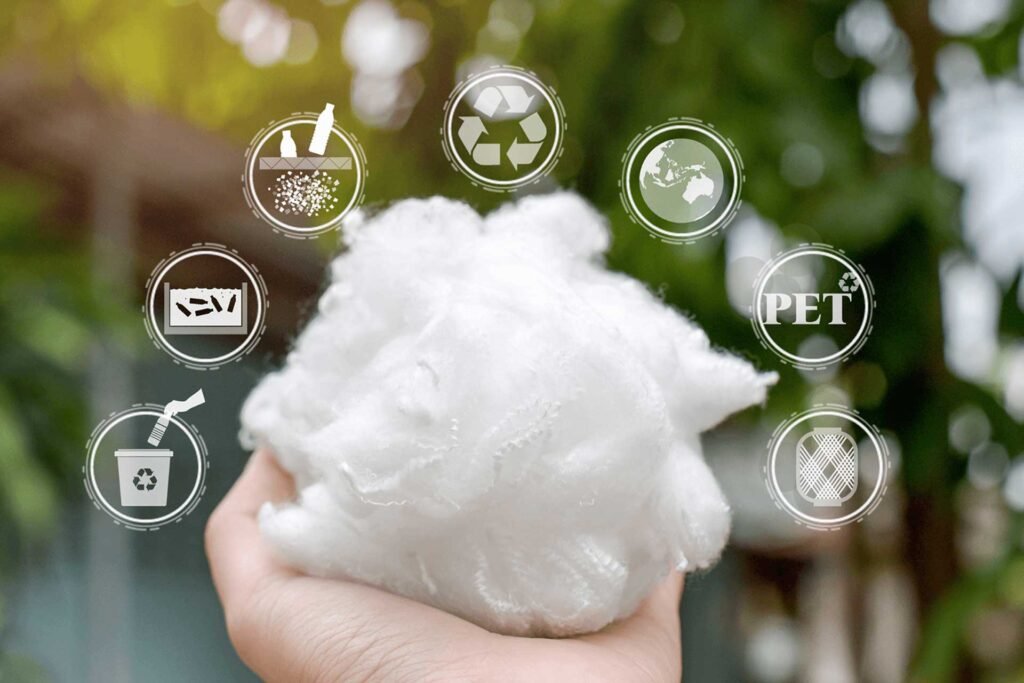
Traditional (virgin) polyester is derived from petroleum—a non-renewable fossil fuel. Recycled polyester, often called rPET, is created by melting down existing plastic—mostly clear plastic water bottles (PET)—and re-spinning it into new polyester fiber.
The benefits are significant:
-
Waste Reduction: It keeps plastic bottles out of landfills and oceans.
-
Energy Savings: Producing rPET requires roughly 33% to 53% less energy than creating virgin polyester.
-
Lower Carbon Footprint: It emits fewer greenhouse gases during the manufacturing process.
2. The Gold Standard: What is Repreve Polyester?
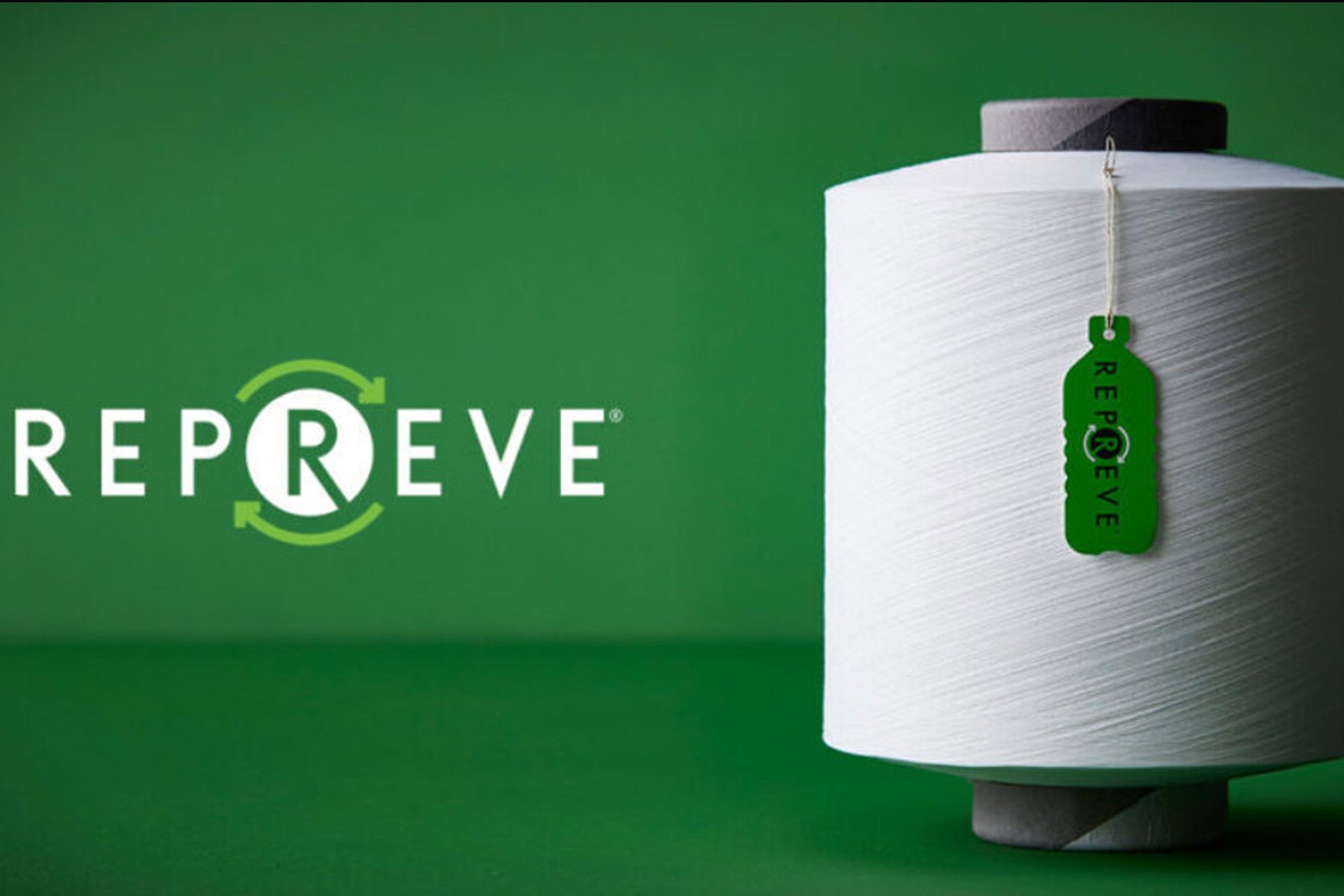
While 'recycled polyester' is a general term, Repreve is a specific, world-leading brand of recycled fiber made by the company Unifi.
Repreve polyester has become the go-to for major brands (like Patagonia, Quiksilver, and Ford) because of its transparency and quality.
-
Traceability: Every yard of Repreve fabric contains 'FiberPrint' technology—a unique molecular signature that allows the company to verify that the fabric is truly recycled.
-
High Performance: Unlike some early recycled materials that felt scratchy, Repreve is indistinguishable from virgin polyester in terms of softness, strength, and moisture-wicking capabilities.
-
Massive Impact: To date, Repreve has recycled over 35 billion plastic bottles.
3. Is It Truly a Sustainable Fabric?
While rPET is a huge step forward, it is important to be a well-informed consumer. Here is the balanced view on its sustainability:
The Pros:
-
It supports a circular economy by giving a second life to single-use plastics.
-
It offers the same high-performance qualities (stretch, durability, quick-dry) as standard polyester without the need for new oil extraction.
The Cons:
-
Microplastics: Like all synthetic fabrics, recycled polyester can shed microplastics during washing.
-
The Recycling Limit: Plastic cannot be recycled infinitely. Eventually, the fibers become too short and must be blended or disposed of.
4. How to Identify and Shop for Sustainable Polyester
To ensure you are buying genuine sustainable fabric, look for these third-party certifications on the label:
-
Global Recycled Standard (GRS): Verifies the recycled content and tracks it from the source to the final product.
-
OEKO-TEX Standard 100: Ensures the fabric is free from harmful chemicals.
-
The Repreve Tag: Look for the signature light-green 'REPREVE' branding.
5. Pro Tip: How to Care for Your Recycled Gear
To make your recycled polyester clothing even more sustainable, focus on reducing microplastic shedding:
-
Wash in cold water: Heat breaks down fibers faster.
-
Use a laundry bag: Products like the Guppyfriend bag help catch microfibers before they enter the water system.
-
Wash less often: Polyester is naturally odor-resistant and durable—often a simple spot clean is all you need.
Summary: Why it Matters
Choosing recycled polyester or Repreve polyester doesn't mean sacrificing quality. It means choosing a product that uses less energy, less oil, and removes waste from our environment. By opting for these sustainable fabrics, you are helping weave a cleaner future for the textile industry.