
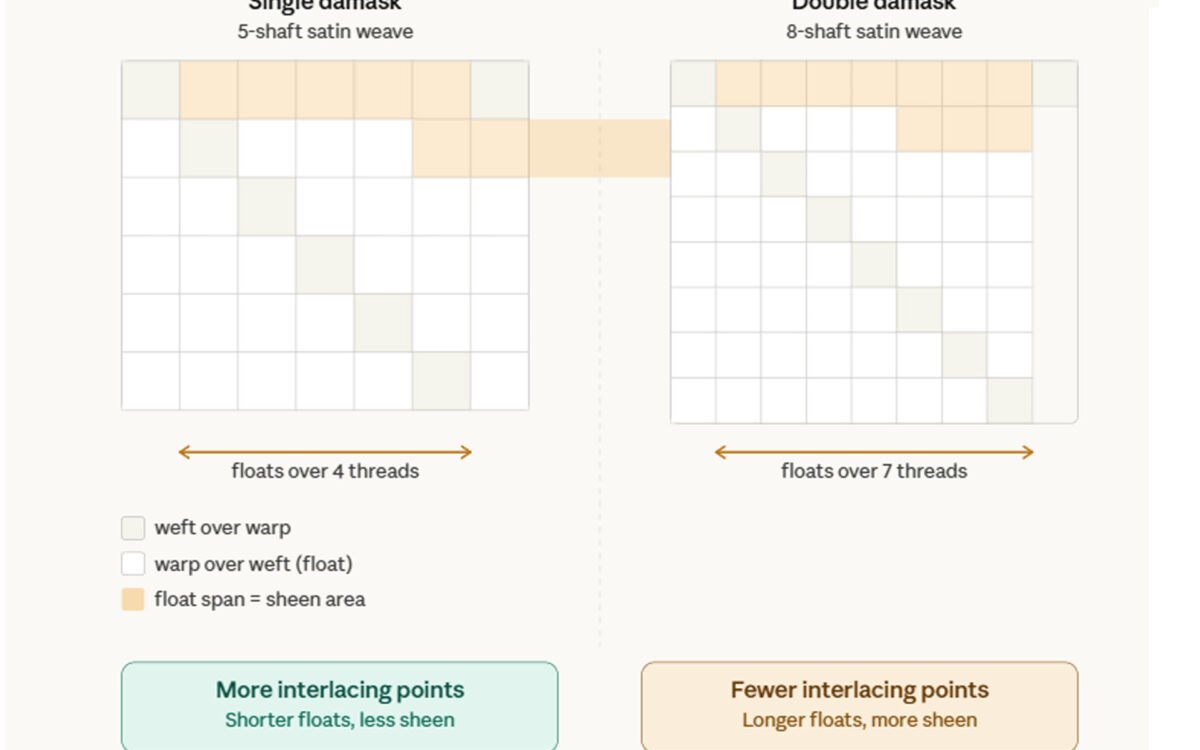
Same Damask Pattern, $15 vs. $250 a Yard — Here's What You're Actually Buying
The honest answer has nothing to do with brand markup or boutique rent. It comes down to four compounding factors: the loom that made it, the yarn that went into it, how tightly those yarns were packed together, and what happened to the fabric after it came off the machine. Each factor builds on the last. Shortcut any one of them and the whole thing drops a tier.

How to Sew Nylon Fabric: Tips & Techniques
Sewing nylon fabric can be challenging—even for experienced sewers. Its smooth surface, lightweight structure, and tendency to slip make it very different from working with cotton or other natural fabrics. But with the right techniques, tools, and preparation, you can achieve clean, professional results whether you're making bags, outdoor gear, or apparel. This guide focuses on practical, real-world nylon sewing tips, including common mistakes to avoid and how to handle different types of nylo ...
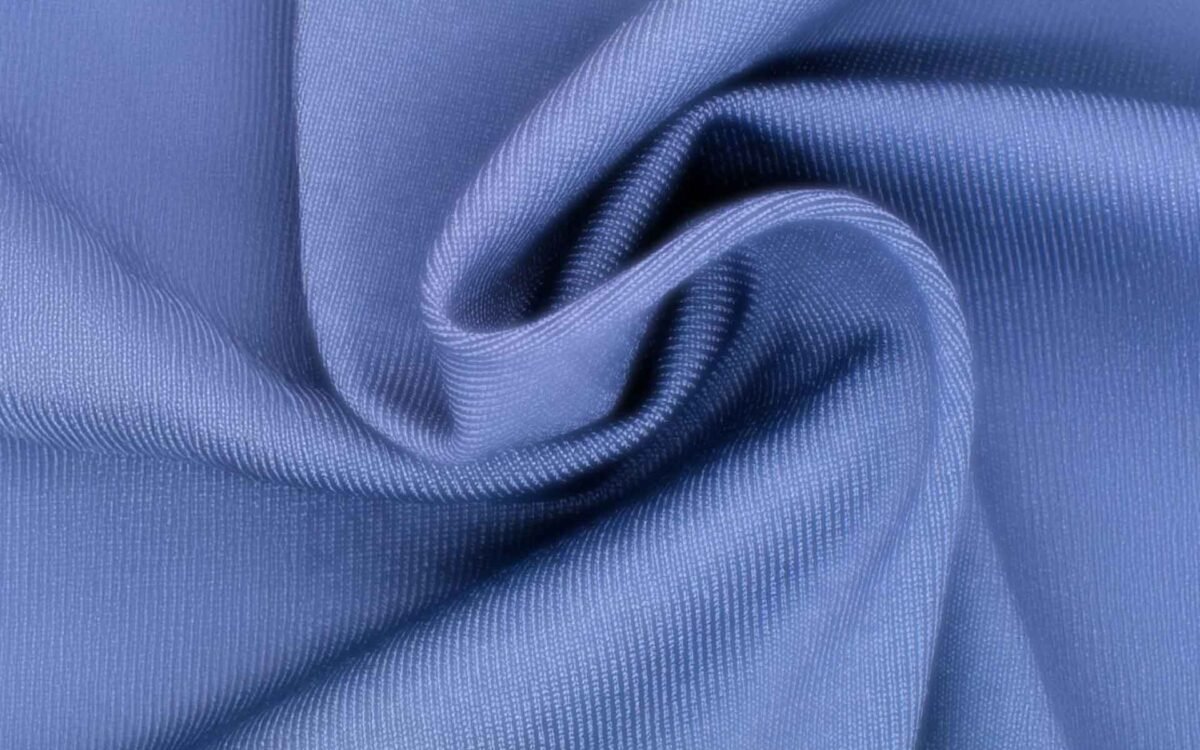
Recycled Nylon Fabric (Econyl): A Practical Guide to Sustainable Performance
As sustainability becomes a key buying factor, recycled nylon fabric has moved from niche to mainstream. Brands now use it in everything from swimwear to luxury fashion—often marketed under names like Econyl fabric. But what exactly is recycled nylon? Is it truly sustainable? And how does it perform compared to virgin nylon? This guide gives you a clear, buyer-focused understanding of recycled nylon, Econyl, and how to choose the right material for real production—not just marketing claims. ...
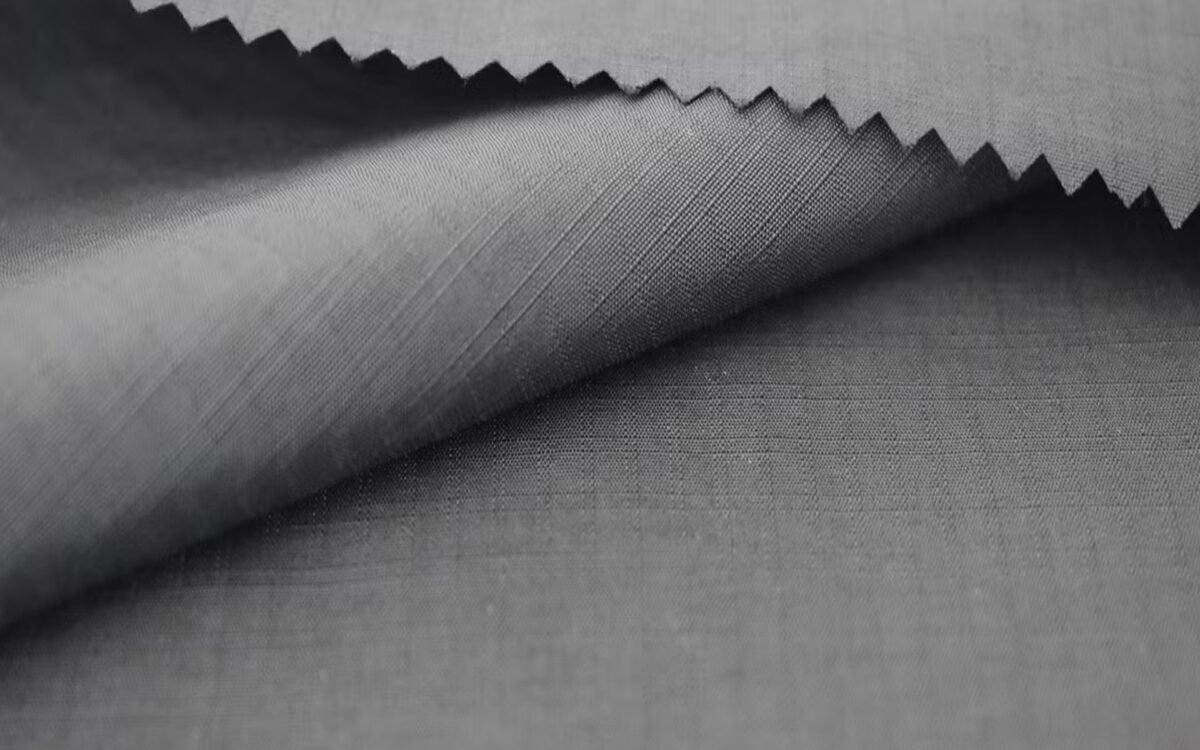
Supplex Nylon & Taslan Nylon: Activewear Fabrics Explained
When it comes to performance textiles, Supplex nylon and Taslan nylon fabric are two popular choices—especially in activewear and outdoor clothing. Both are engineered to improve comfort, durability, and functionality, but they achieve this in very different ways. If you’re sourcing nylon taslan fabric or supplex nylon, understanding their differences is essential for making the right product decisions. This guide goes beyond definitions to explain how each fabric is made, how it performs in r ...

What Is Silnylon Fabric? Pros, Cons & Best Uses Explained
Silnylon (short for silicone-coated nylon) is a type of fabric made by impregnating nylon with liquid silicone. This process creates a material that is: Water-resistant (often fully waterproof) Strong for its weight Flexible and packable 👉 Unlike coated fabrics, the silicone penetrates the fibers, which improves durability and tear strength.

Nylon Fabric for Bags: Best Types & How to Choose
Choosing the right nylon fabric for bags is not just about durability—it directly affects your product’s weight, lifespan, cost, and user experience. From lightweight drawstring bags to heavy-duty travel luggage, different nylon materials perform very differently. Yet many buyers make the mistake of selecting fabric based only on denier (D) or price—leading to quality issues later. This guide goes beyond basic definitions to help you understand which nylon material for bags actually works in r ...

Nylon Taffeta Fabric: Properties, Uses & How to Choose the Right Type
Nylon taffeta fabric is a lightweight, smooth, and tightly woven textile widely used in outerwear, linings, and outdoor gear. Known for its crisp texture and excellent performance, it offers a balance of durability, water resistance, and cost efficiency. Whether you're sourcing nylon taffeta fabric for jackets, linings, or waterproof applications, understanding its structure and real-world performance is key to making the right choice. This guide goes beyond basic definitions to provide practi ...
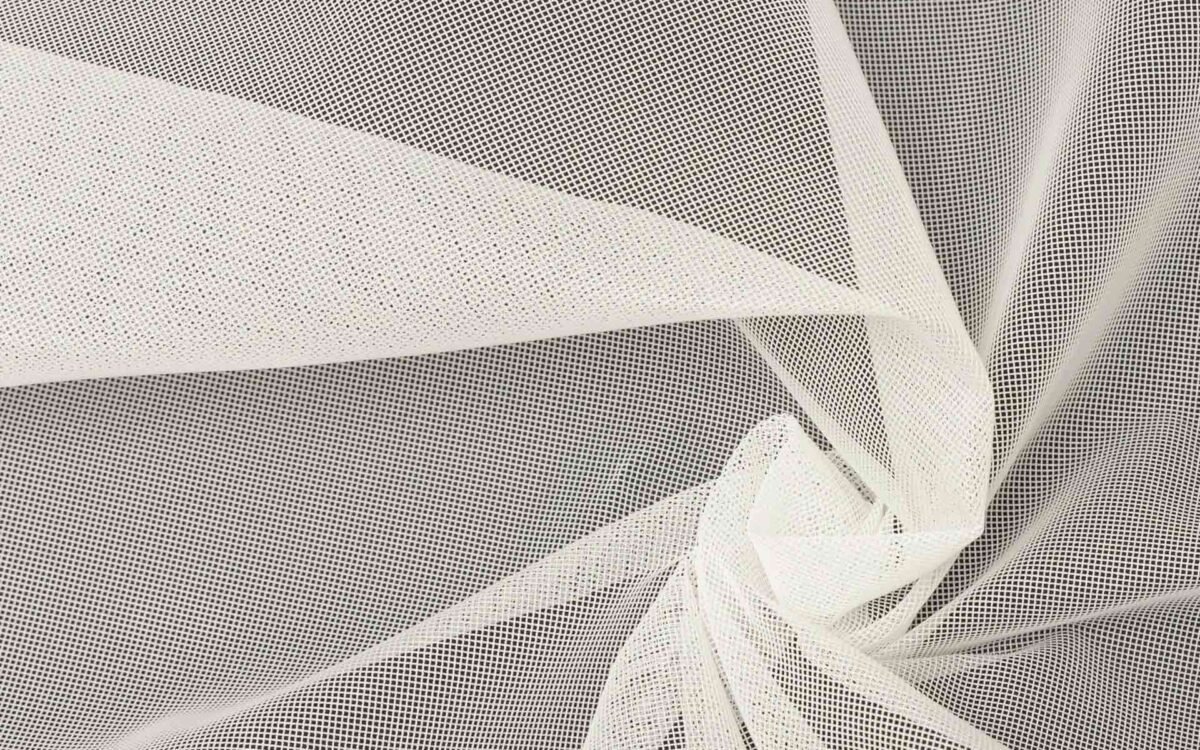
Nylon Mesh Fabric: Types, Uses & Where to Buy
Nylon mesh fabric is a versatile textile known for its lightweight structure, breathability, and durability. From sportswear and bags to industrial filtration and safety equipment, nylon meshes are widely used across multiple industries. Whether you’re sourcing nylon mesh fabric, nylon netting fabric, or heavy duty nylon mesh fabric, understanding the different types and their applications is essential for choosing the right material. In this guide, we’ll cover what nylon mesh is, its key prop ...
Is Nylon a Good Fabric? Pros & Cons Explained
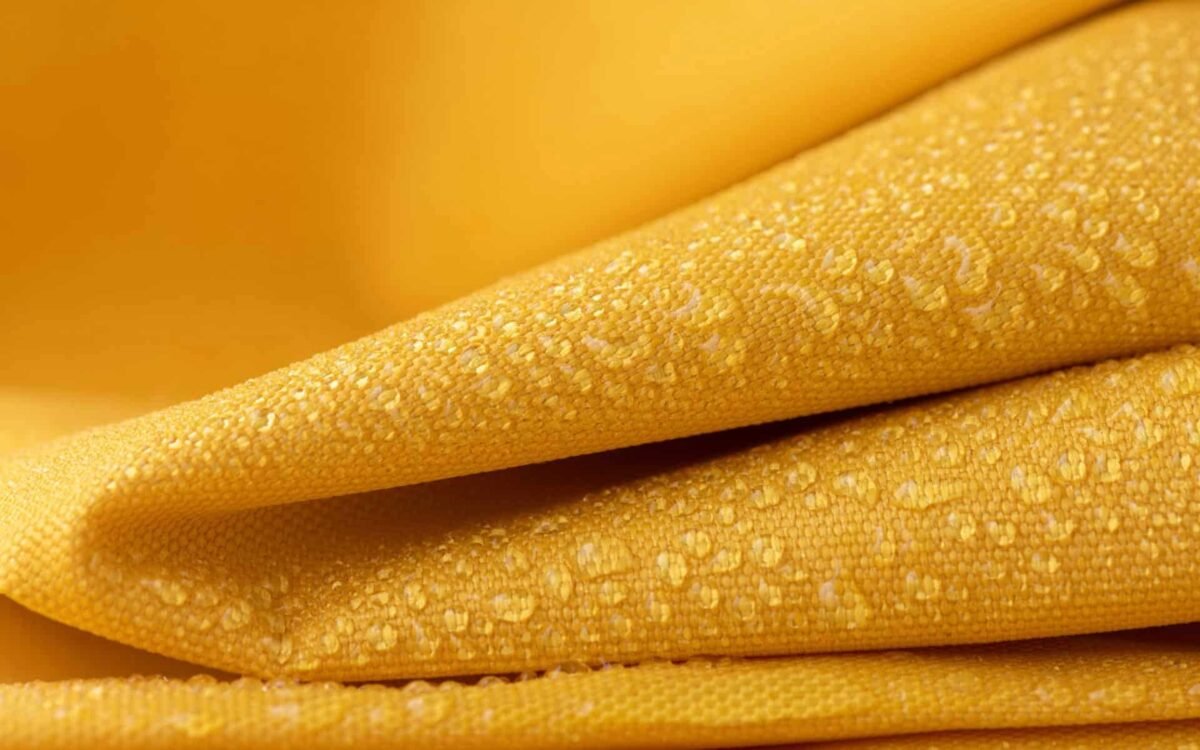
Nylon is one of the most popular synthetic materials used in textiles today—but many buyers still ask: is nylon a good fabric? The answer depends on how you plan to use it. Nylon is an excellent fabric for durability, flexibility, and performance, but it also has some limitations, especially in terms of breathability and sustainability. In this guide, we’ll break down the pros, cons, and best uses of nylon fabric to help you decide if it’s the right material for your needs.
Is Nylon Fabric Toxic or Safe to Wear? The Truth Explained
Nylon is one of the most widely used synthetic fabrics—but many people still wonder: 👉 Is nylon fabric toxic, and is it safe to wear every day? This guide gives you a clear, science-based answer, separating myths from reality.
Is Nylon Stretchy? How Much It Stretches & When It Doesn’t
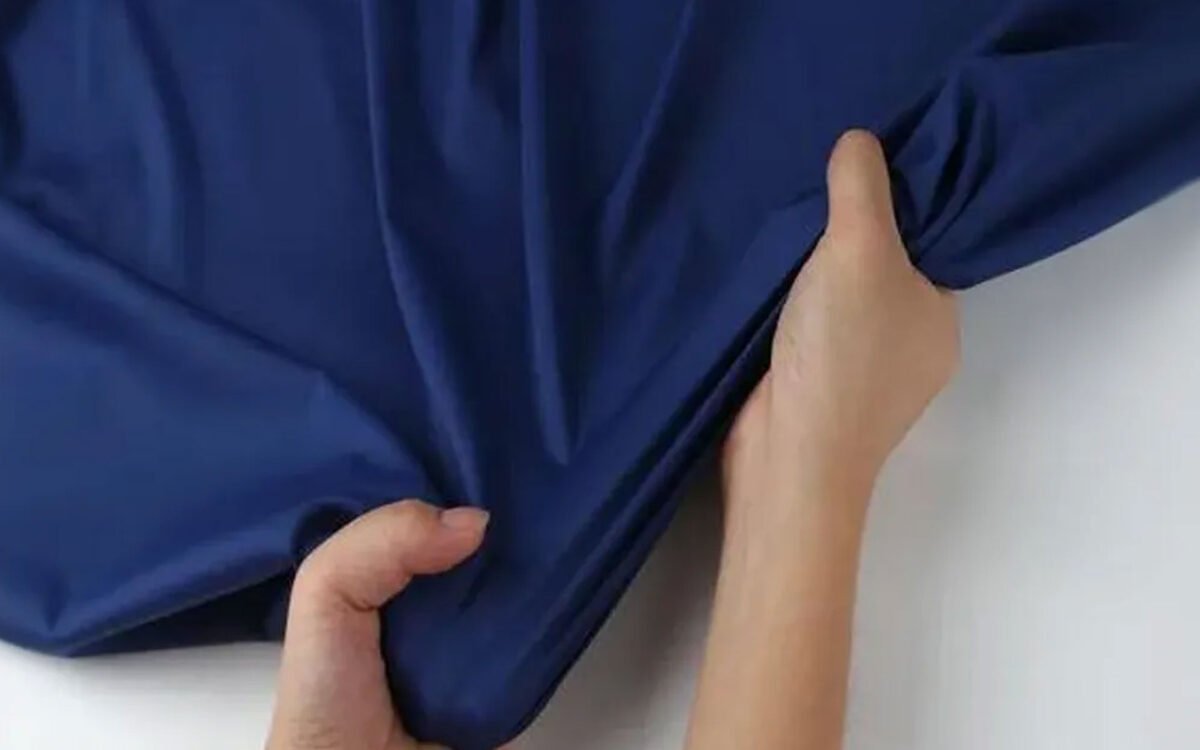
Is Nylon Stretchy? 👉 Yes—nylon is slightly stretchy, but not highly elastic on its own. It has natural flexibility It can stretch under tension But it does not stretch as much as spandex (elastane) 👉 Key takeaway: Nylon provides light stretch, not high elasticity—unless it is blended with other fibers.

What Is Nylon Made Of? The Science Behind the Fabric
Nylon is one of the most widely used synthetic fibers in the world, found in everything from clothing and outdoor gear to industrial materials. But many buyers and designers still ask: what is nylon made of? In simple terms, nylon is a synthetic fiber made from petrochemicals, engineered through chemical processes to create strong, flexible, and durable materials. In this guide, we’ll explain what nylon is made from, how it’s produced, and why its structure gives it such unique performance pro ...
Nylon vs Polyester: Which Fabric Is Better?
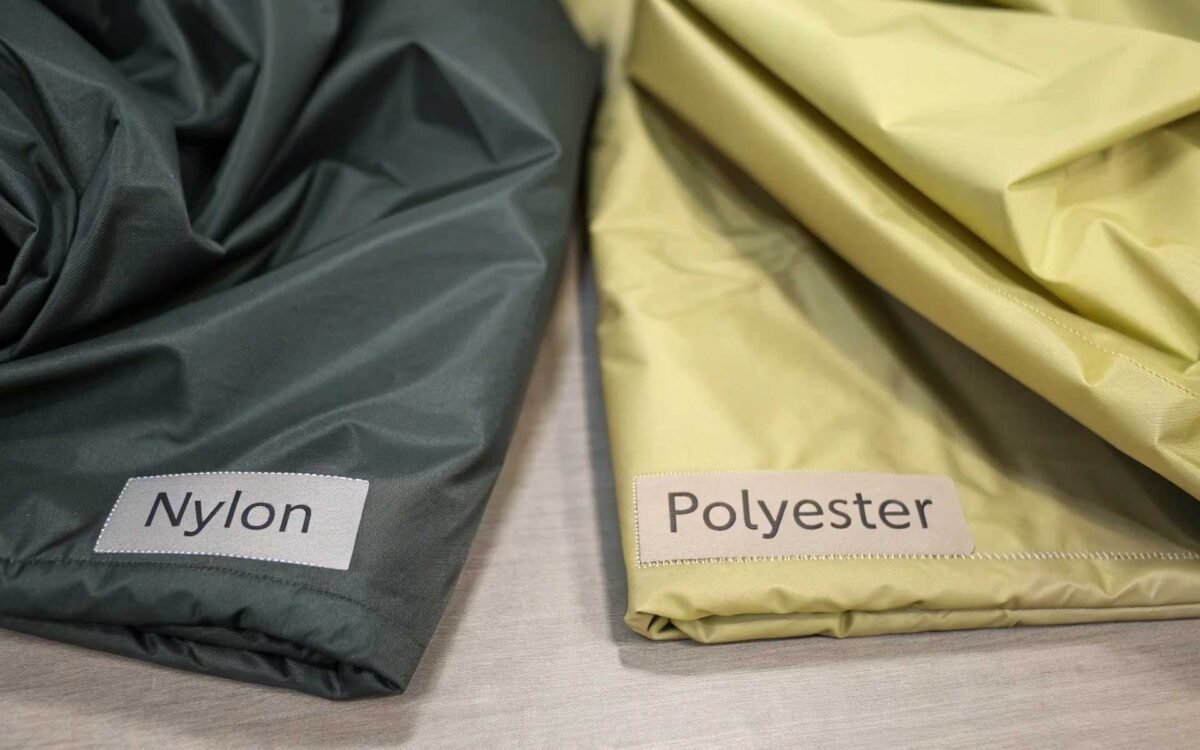
When comparing synthetic fabrics, nylon vs polyester is one of the most common and important questions—especially for buyers, designers, and product developers. While both materials are widely used in textiles, they have different strengths, performance characteristics, and ideal applications. Understanding these differences will help you choose the right fabric for your specific needs.
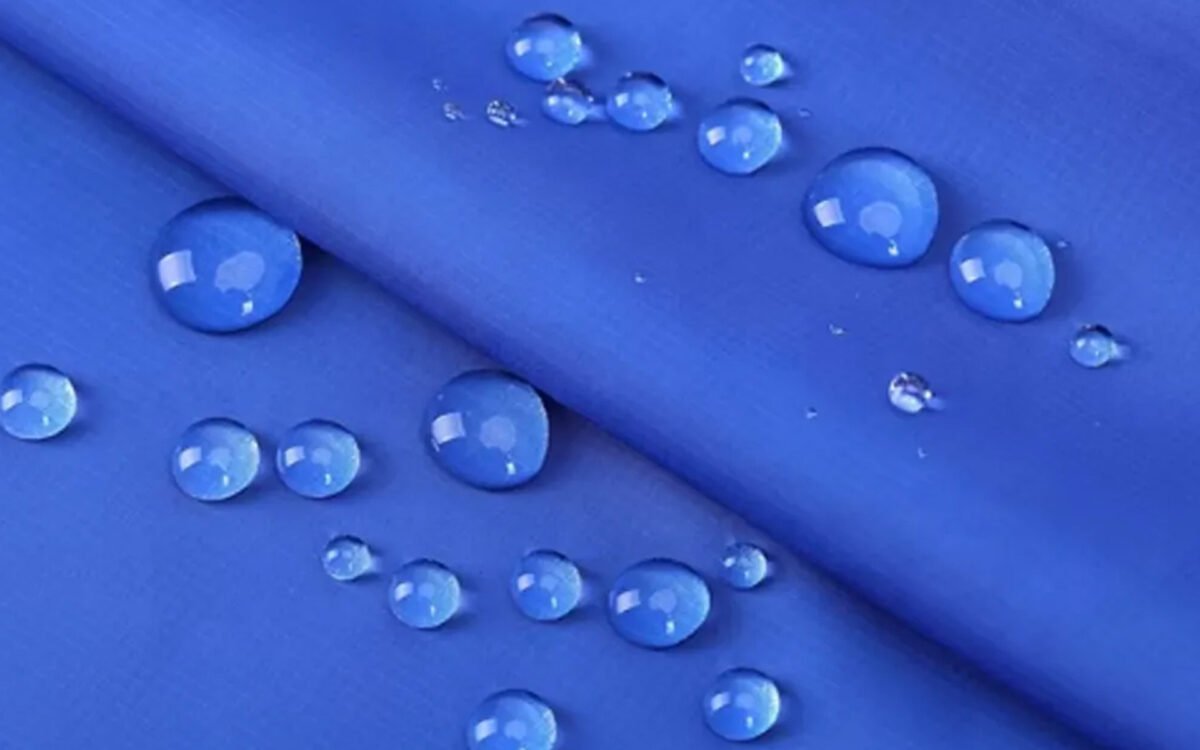
Waterproof Nylon Fabric: Types, Coatings & Applications
Waterproof nylon fabric is a high-performance textile designed to protect against water while maintaining the strength and flexibility of nylon. Widely used in outdoor gear, apparel, and industrial products, it is one of the most versatile materials for weather-resistant applications. From ripstop nylon waterproof fabrics to PU coated nylon and TPU coated nylon, different constructions and coatings provide varying levels of water resistance and durability. In this guide, we’ll explain what wat ...

Cordura Nylon Fabric: The Ultimate Heavy-Duty Material Guide
Cordura nylon fabric is one of the most trusted heavy-duty textiles in the world, known for its exceptional durability, abrasion resistance, and long service life. Widely used in military gear, outdoor equipment, workwear, and luggage, Cordura has become a benchmark for high-performance nylon fabrics. Whether you're sourcing 500D Cordura, 1000D Cordura nylon, or general Cordura nylon fabric, understanding its properties and applications is essential for making the right choice. In this guide, ...
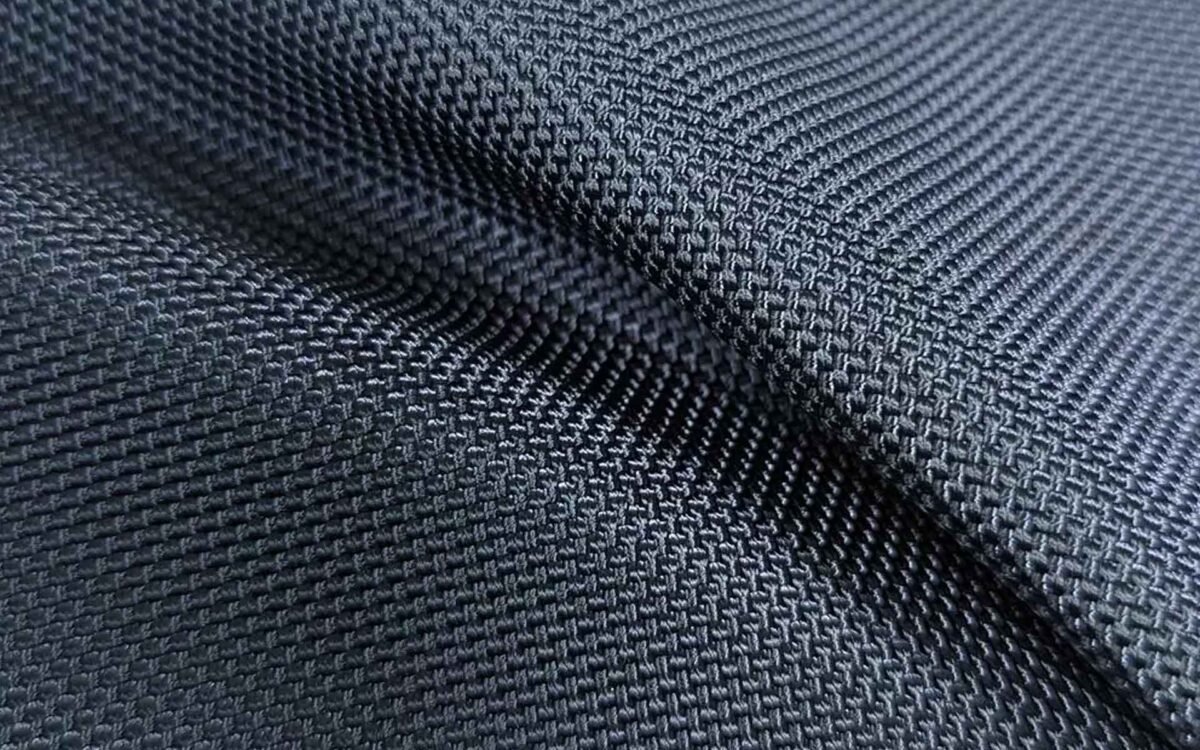
Ballistic Nylon Fabric: What Makes It So Tough?
Ballistic nylon fabric is one of the most durable and abrasion-resistant textiles available today. Originally developed for military use, it is now widely used in luggage, backpacks, protective gear, and heavy-duty industrial applications. If you’re sourcing high-performance materials, understanding ballistic nylon—especially specifications like 1680D ballistic nylon and 1050D ballistic nylon—is essential for choosing the right fabric. In this guide, we’ll explain what ballistic nylon fabric i ...
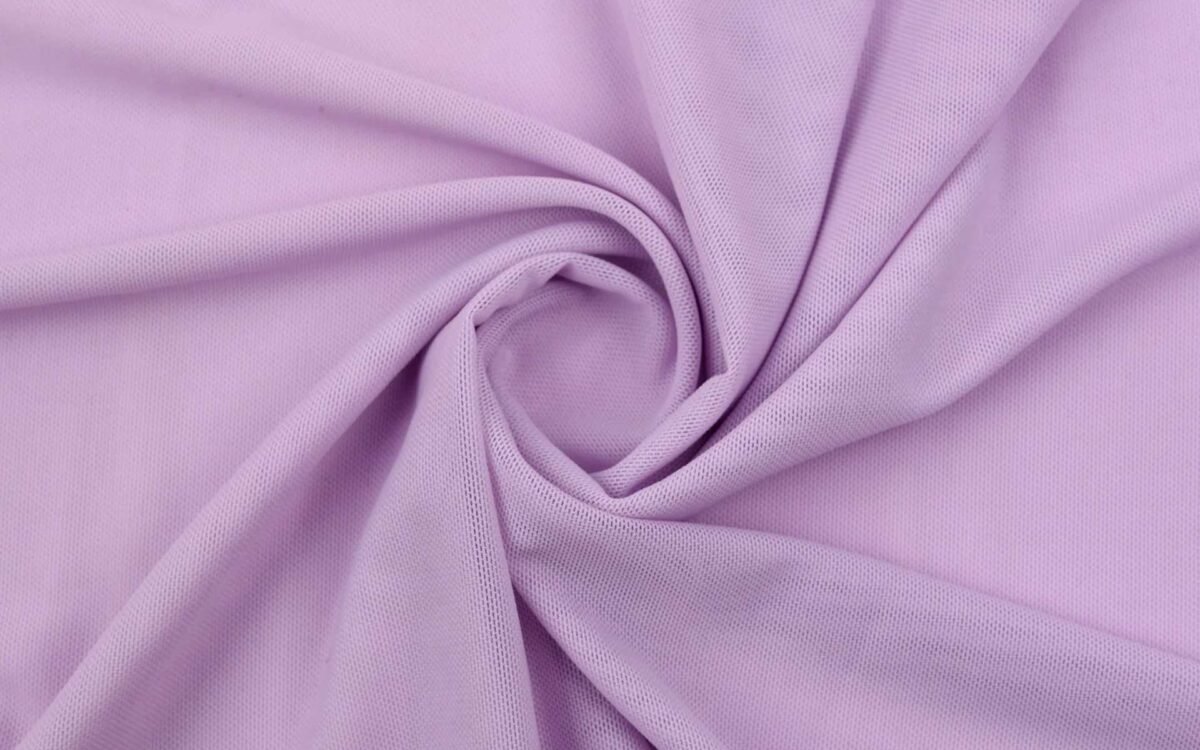
Nylon Spandex Fabric: Properties, Uses & Buying Guide
Nylon spandex fabric is one of the most popular materials in modern apparel, especially in activewear, swimwear, and performance clothing. Combining the strength of nylon with the stretch of spandex, this fabric delivers comfort, flexibility, and durability in one solution. Also commonly referred to as nylon lycra fabric, it is widely used in garments that require stretch, shape retention, and a smooth fit. In this guide, we’ll cover what nylon spandex fabric is, its key properties, common ble ...
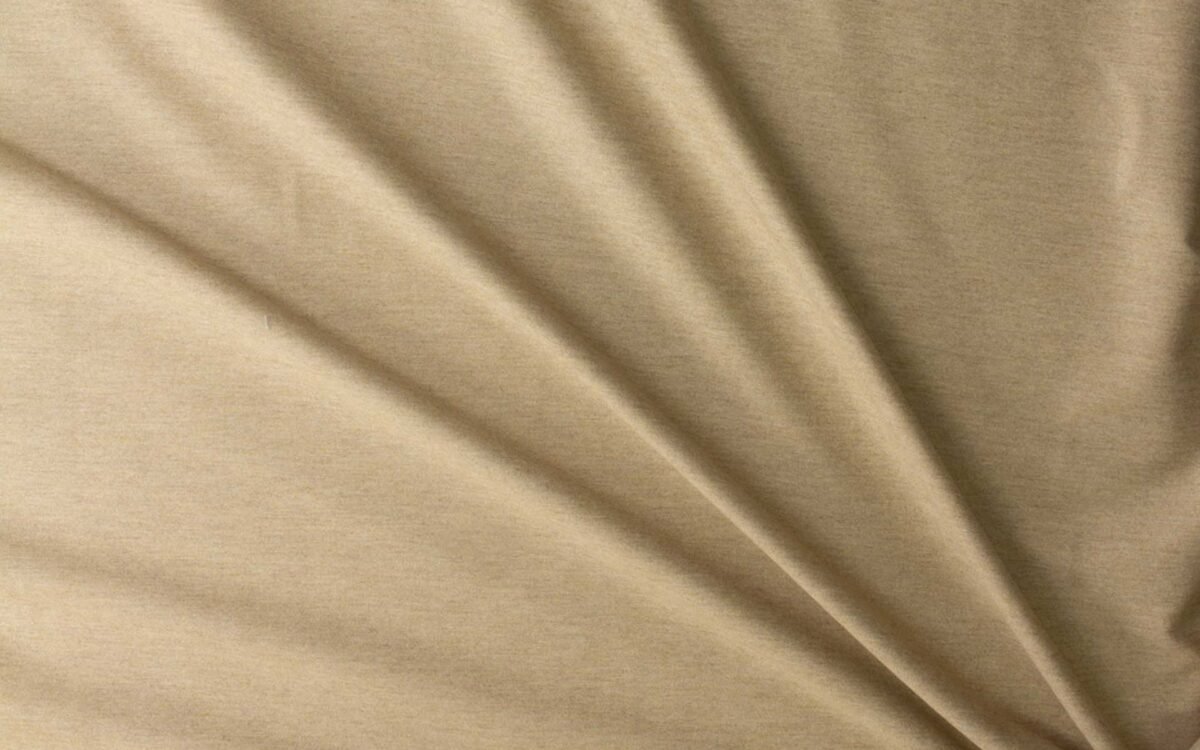
Brushed Nylon Fabric: Everything You Need to Know
Brushed nylon fabric is a soft, durable, and versatile synthetic textile widely used in clothing, activewear, and technical applications. By undergoing a special finishing process, standard nylon fabric is transformed into a material with a smooth, slightly fuzzy surface and enhanced comfort. As demand grows for fabrics that combine performance and comfort, brushed nylon has become increasingly popular in both fashion and functional textiles. In this guide, you’ll learn what brushed nylon is, ...
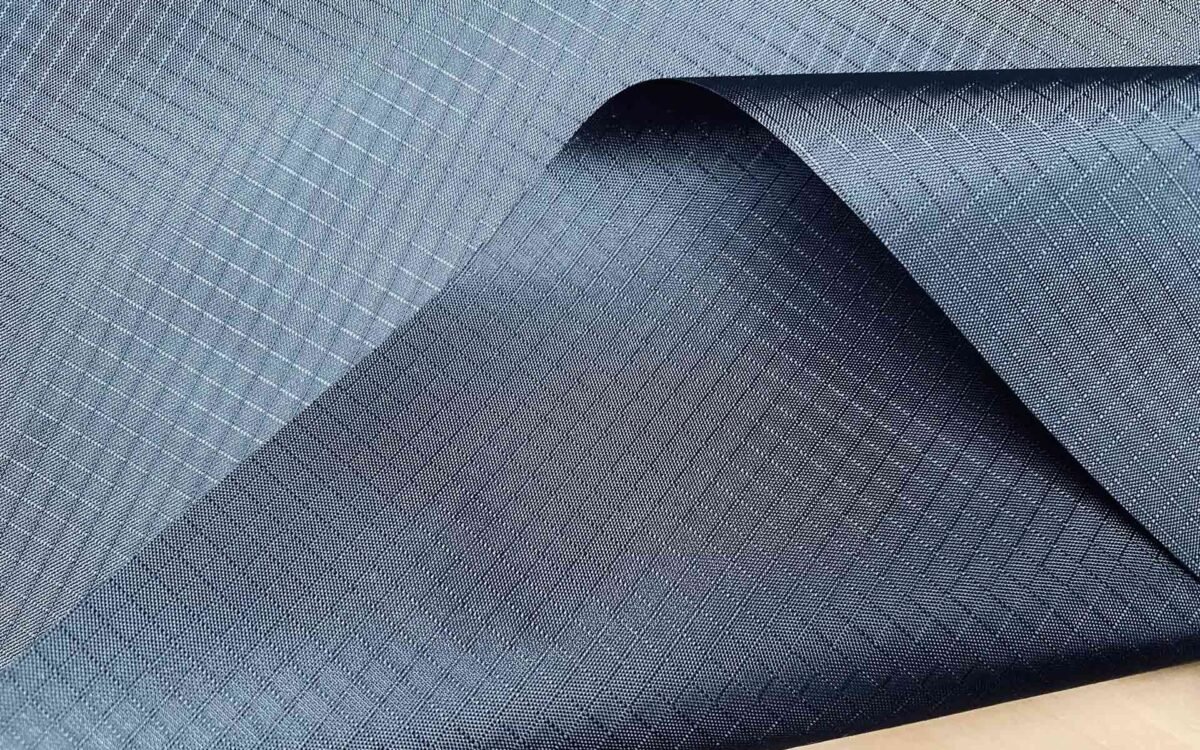
Ripstop Nylon Fabric: What It Is, Types & Best Uses
Ripstop nylon fabric is one of the most widely used high-performance technical textiles in outdoor gear, military equipment, and durable clothing. Known for its distinctive grid pattern and exceptional tear resistance, ripstop nylon has become a preferred material for products that require strength, lightweight construction, and durability. From tents and backpacks to jackets and parachutes, ripstop fabric plays a critical role in many industries where reliable materials are essential. In this ...
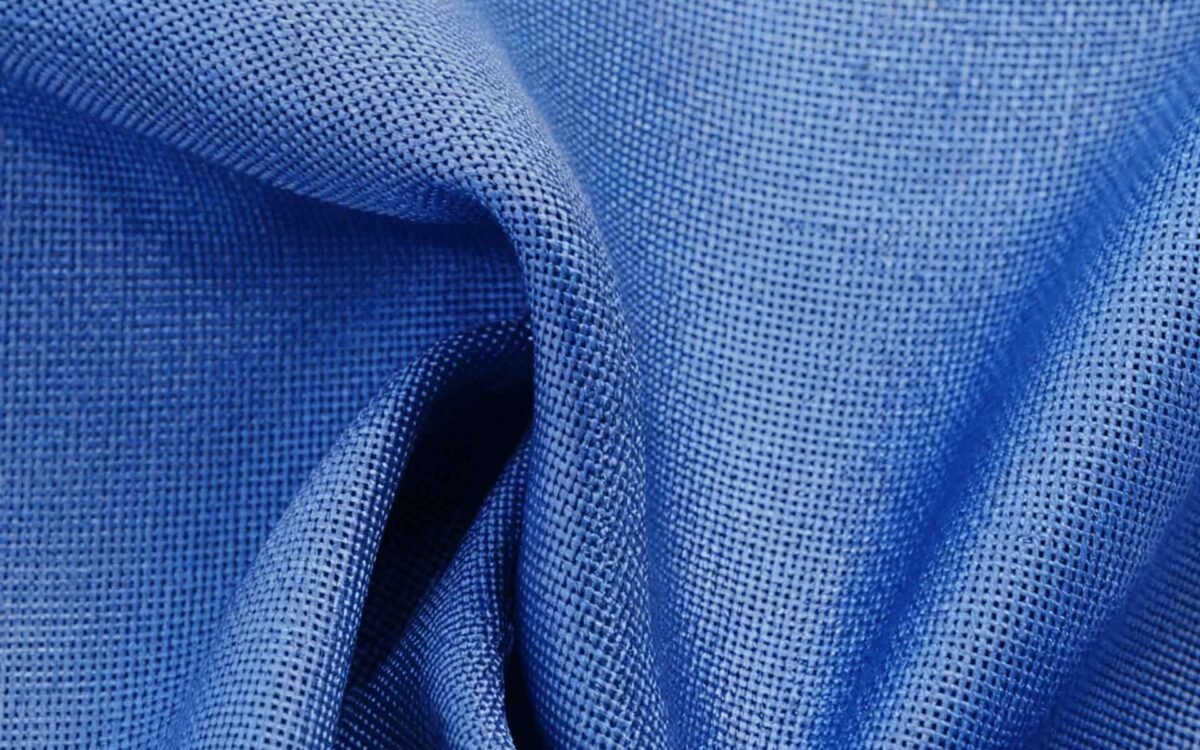
What Is Nylon Fabric? Properties, Types & Uses
Nylon fabric is one of the most widely used synthetic textiles in the world. Known for its strength, flexibility, and durability, nylon material has become essential in industries ranging from fashion and outdoor gear to industrial textiles and technical fabrics. Since its invention in the 20th century, nylon has transformed the textile industry by offering a lightweight, durable, and versatile alternative to natural fibers. In this guide, we will explain what nylon fabric is, its key properti ...
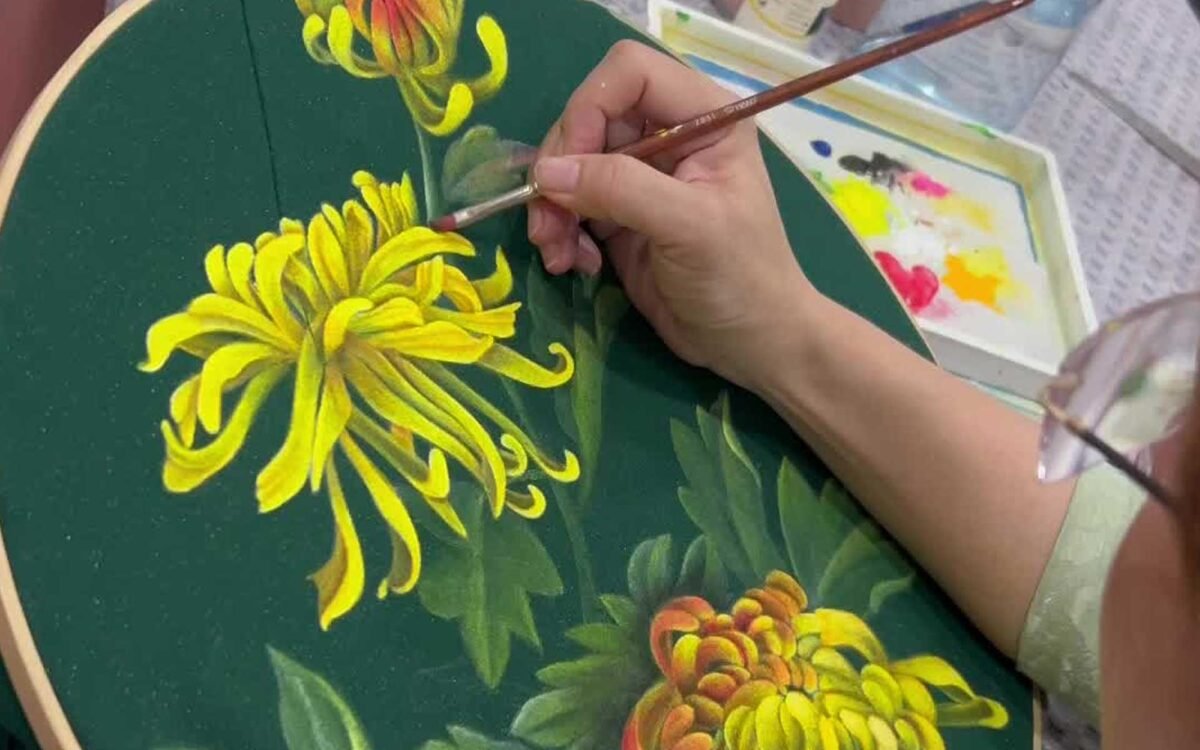
Painting on Silk: A Complete Beginner’s Guide
Painting on silk is a beautiful textile art technique that allows artists and designers to create vibrant patterns, flowing colors, and unique decorative fabrics. Because silk absorbs dye exceptionally well, it produces rich colors and elegant designs that are difficult to achieve on many other fabrics. Today, painting on silk fabric is widely used for fashion accessories, decorative textiles, scarves, and artistic projects. With the right techniques and silk painting supplies, even beginners c ...
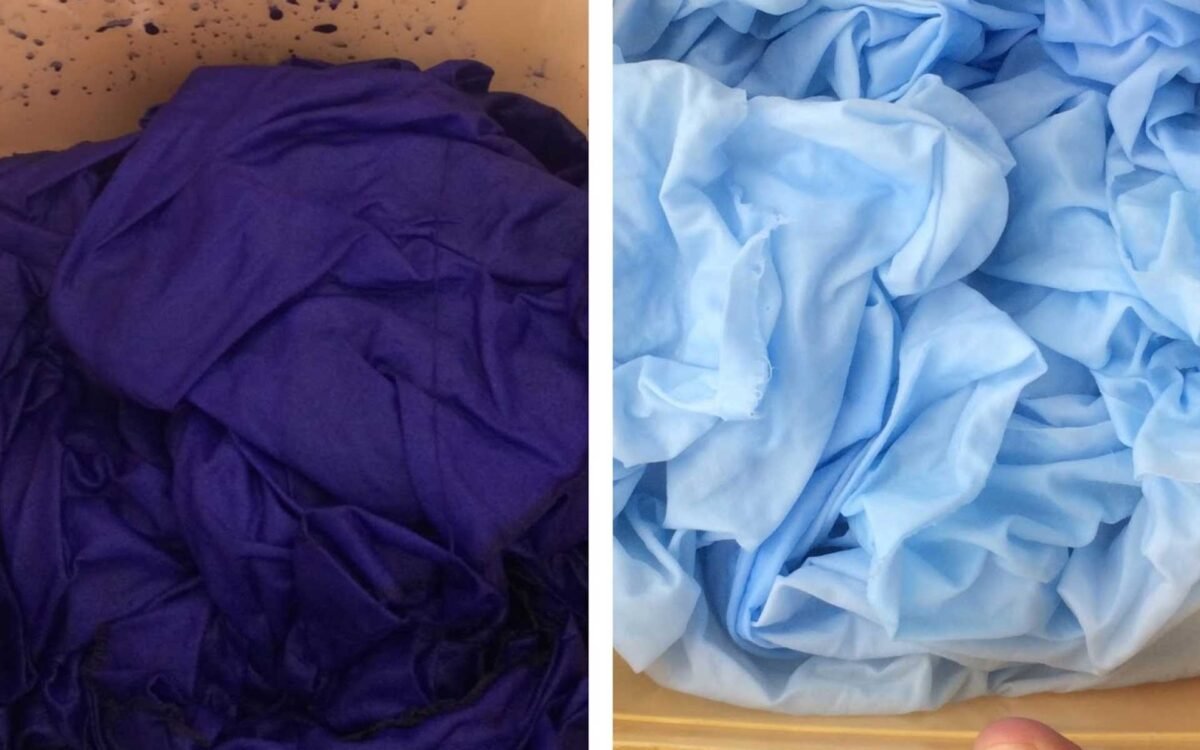
How to Dye Silk Fabric at Home: A Complete Beginner’s Guide
Silk is one of the easiest natural fabrics to dye because it absorbs color beautifully and produces vibrant, rich tones. Whether you want to refresh an old garment, customize fabric for sewing, or experiment with textile art, dyeing silk fabric at home can be both simple and rewarding. However, because silk is a delicate protein fiber, it requires the right dyes, proper preparation, and gentle handling to achieve the best results. In this guide, we’ll explain how to dye silk fabric step by ste ...
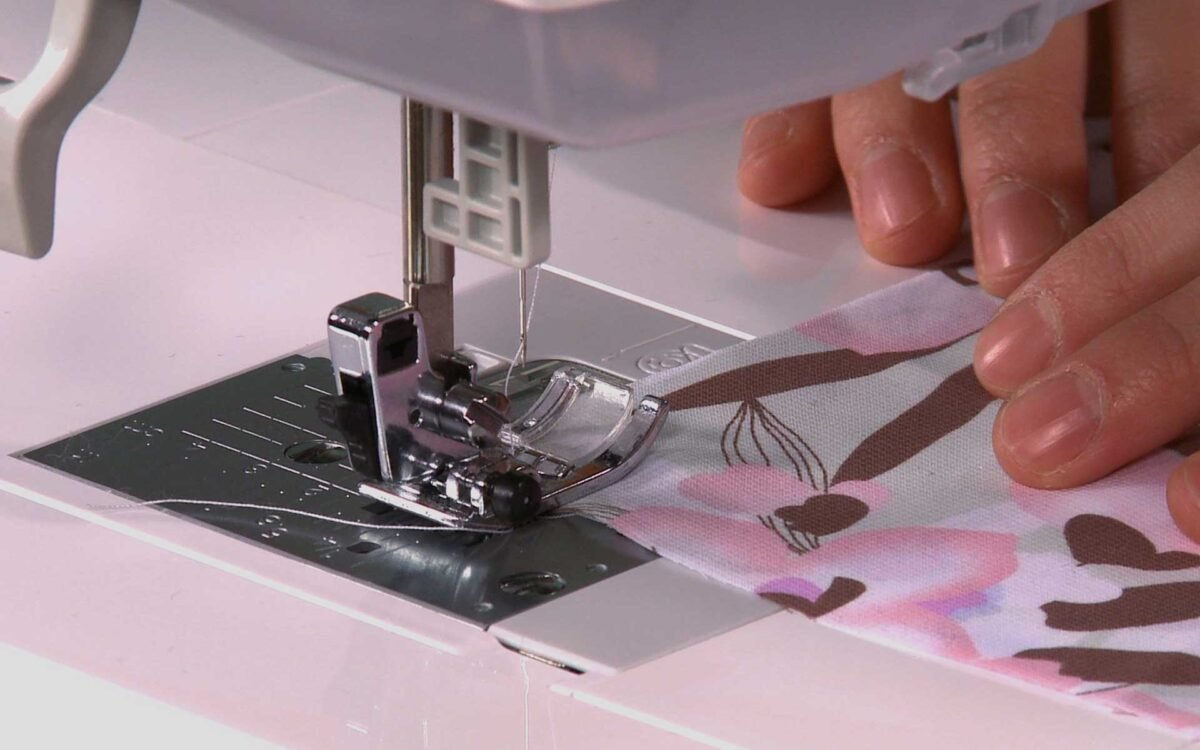
How to Sew with Silk: Tips for Beginners
Silk is one of the most beautiful and luxurious fabrics used in fashion, but sewing with silk can be challenging, especially for beginners. Its smooth surface, delicate fibers, and lightweight structure require special handling during cutting, stitching, and finishing. However, with the right techniques and tools, sewing with silk can be a rewarding experience that produces elegant, professional-looking garments. In this guide, we’ll explain how to sew with silk fabric, what tools you need, an ...
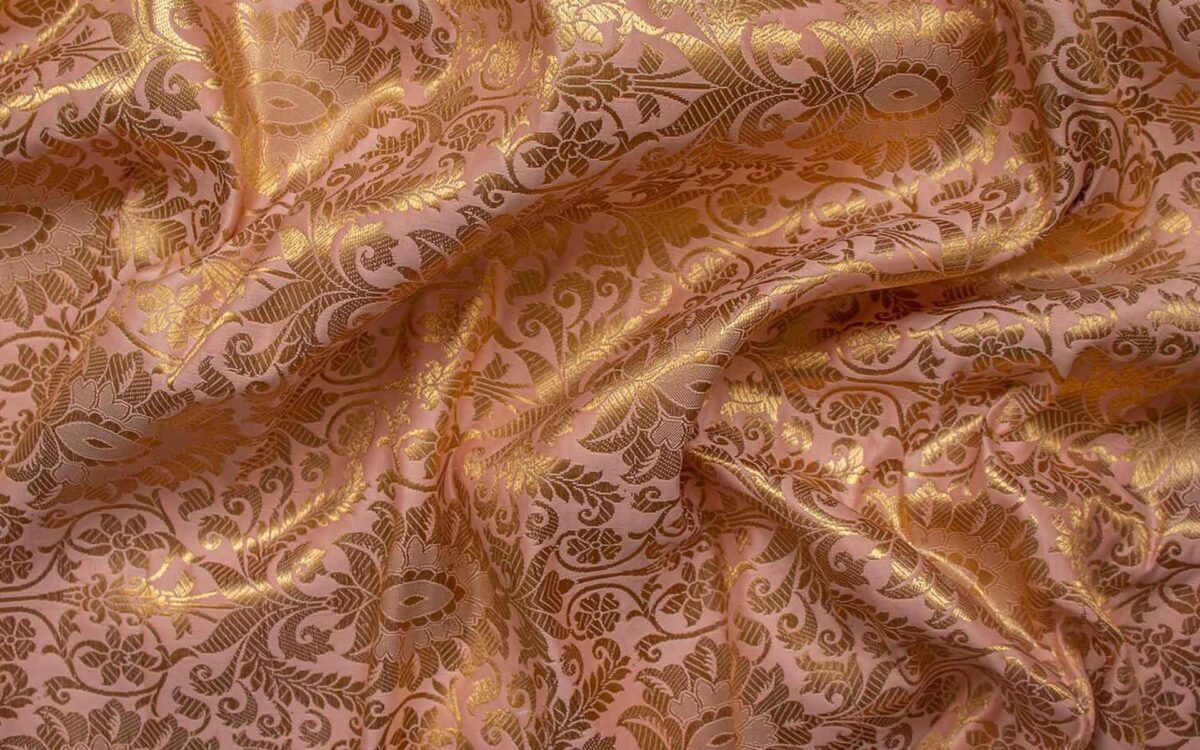
Silk Brocade & Jacquard Fabric: Differences and Uses
Silk brocade and silk jacquard fabrics are among the most decorative and luxurious silk textiles used in fashion and interior design. Both fabrics feature intricate woven patterns that add texture, depth, and visual richness to garments and furnishings. However, while they may appear similar at first glance, silk brocade fabric and silk jacquard fabric are not the same. They differ in weaving techniques, pattern structure, and typical applications. In this guide, we’ll explain what silk brocad ...
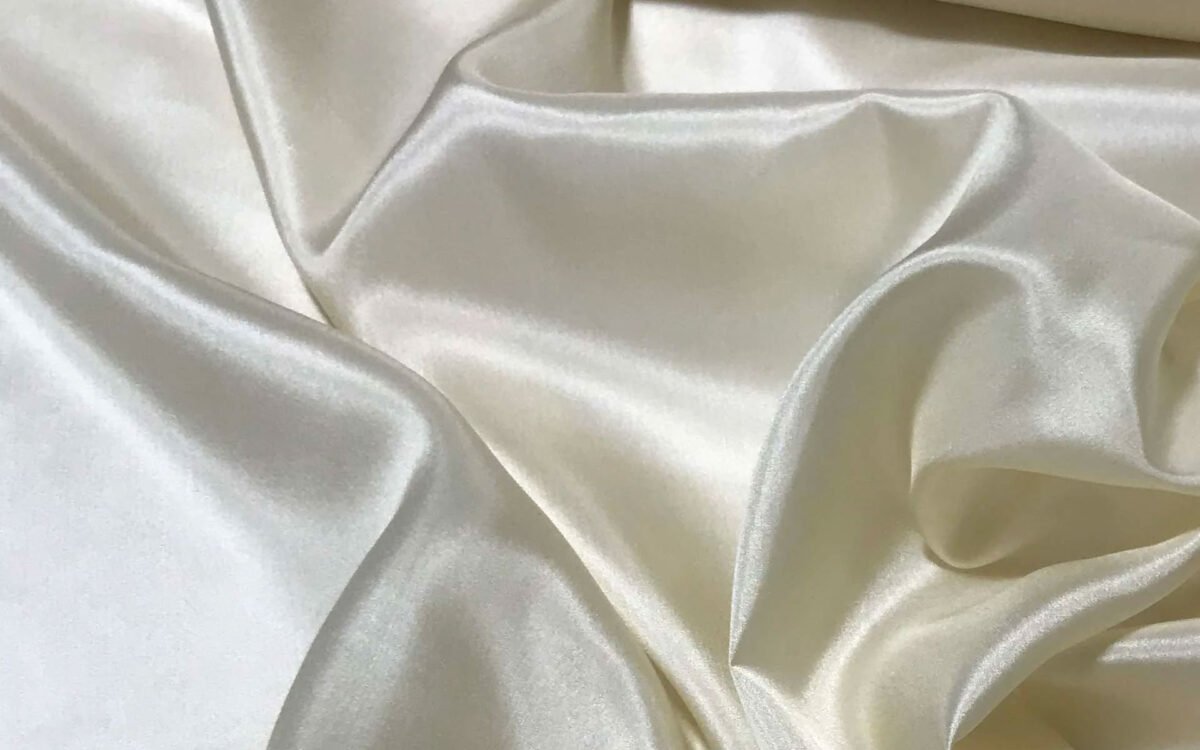
Habotai Silk: The Lightweight Silk Fabric You Should Know
Habotai silk is one of the lightest and most versatile silk fabrics used in the textile and fashion industry. Known for its smooth texture, lightweight feel, and soft sheen, this fabric has become a popular choice for garments, linings, scarves, and decorative textiles. Often referred to as “China silk,” habotai silk fabric has been produced in East Asia for centuries and remains widely used in both fashion design and textile manufacturing. In this guide, we’ll explore what habotai silk is, it ...
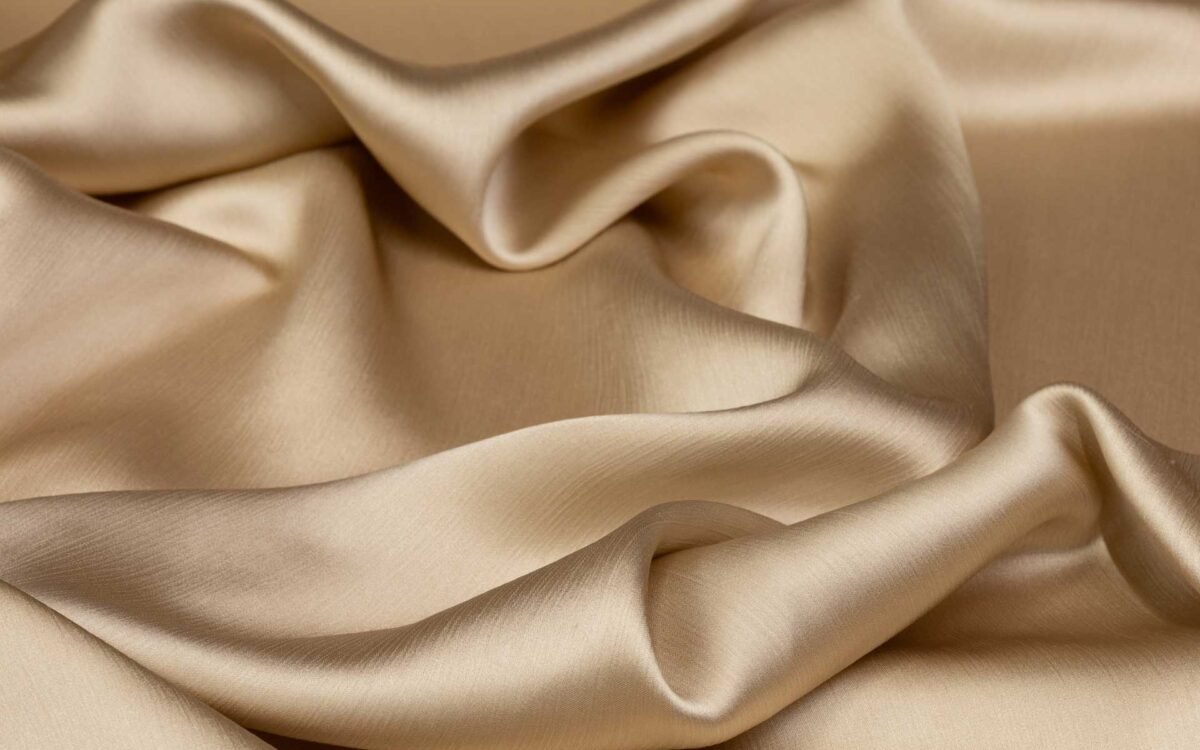
Charmeuse Fabric: What Is It and How Does It Compare to Silk?
Charmeuse is a luxurious fabric known for its smooth, glossy surface and elegant drape. It is widely used in fashion for evening wear, lingerie, blouses, and luxury bedding. Because of its shiny appearance, many people assume charmeuse is always made from silk. However, this is not entirely accurate. In reality, charmeuse refers to a weaving style rather than a specific fiber. While silk charmeuse fabric is the most luxurious version, charmeuse can also be made from synthetic fibers such as pol ...
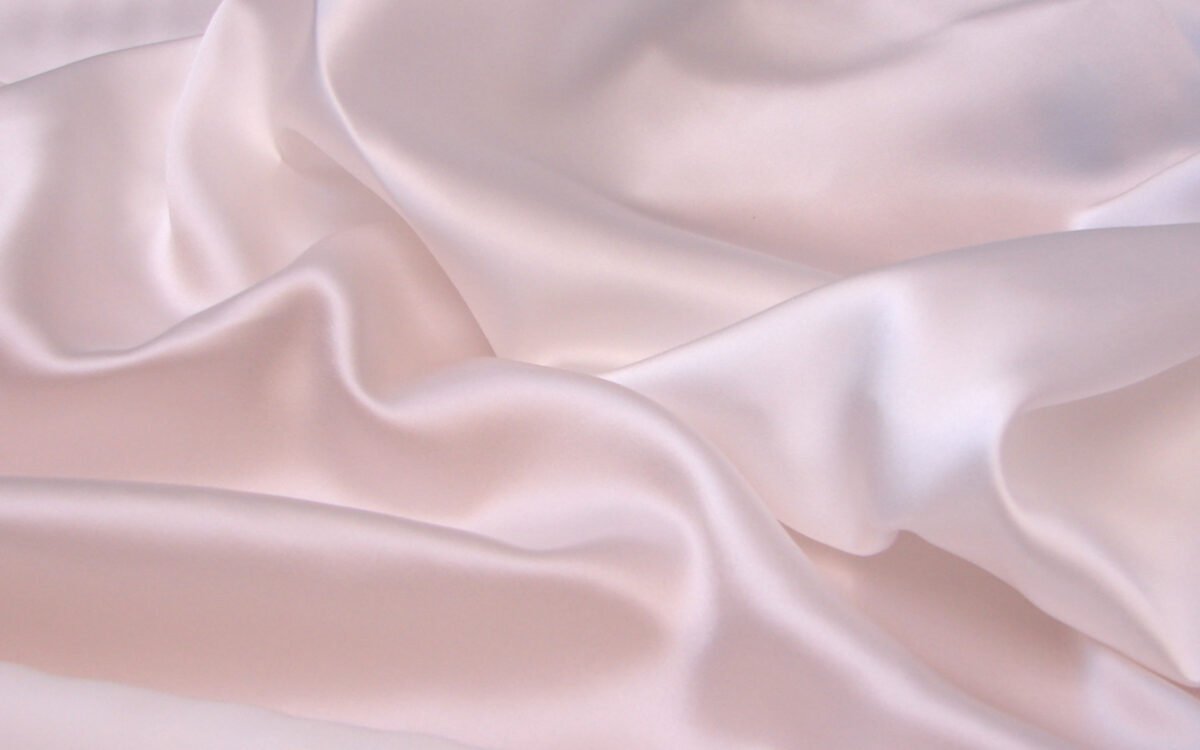
Silk vs Satin: What’s the Actual Difference?
Many people use the terms silk and satin interchangeably, but they are not the same thing. In fact, silk is a fiber, while satin is a weaving technique. This difference is important for designers, clothing brands, and textile buyers because the material and weave both influence how a fabric looks, feels, and performs. If you are choosing between silk and satin fabrics, understanding how they differ will help you select the right material for clothing, bedding, or fashion accessories. In this g ...
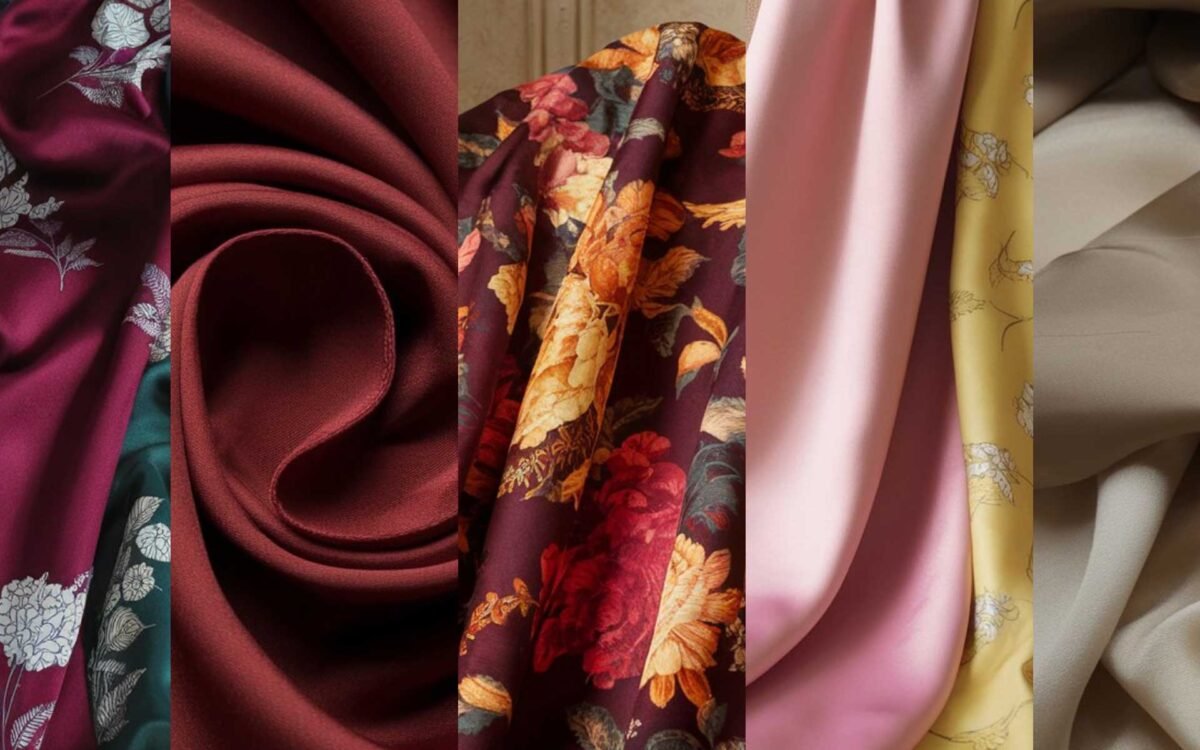
Types of Silk Fabric: 15 Most Common Silk Weaves Explained
Silk has been prized for thousands of years for its luxurious texture, natural sheen, and exceptional softness. Today, silk remains one of the most important textiles in fashion, interior design, and luxury products. However, many people are surprised to learn that silk is not just one fabric — there are many different varieties of silk and silk weaves, each with unique properties and uses. Understanding the types of silk fabric helps designers, clothing brands, and textile buyers select the ri ...
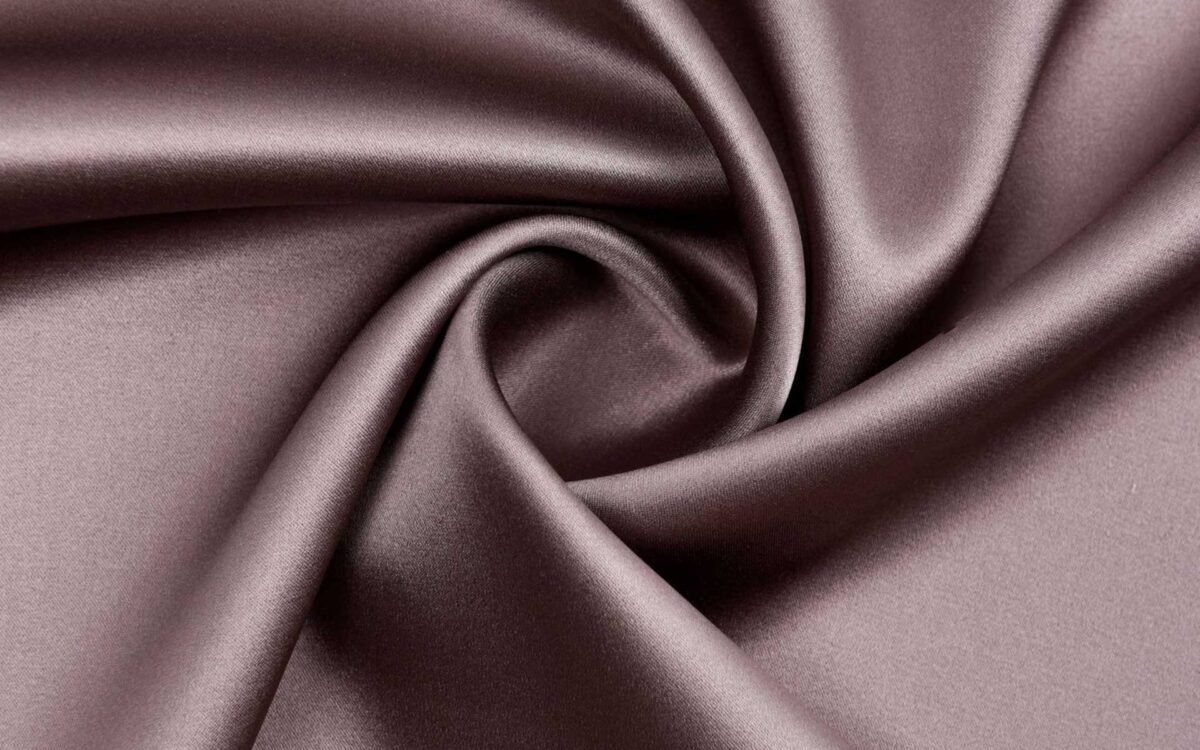
Mulberry Silk Fabric: Why It’s the Best Silk in the World
Mulberry silk fabric is widely considered the highest-quality silk available in the global textile market. Known for its exceptional softness, durability, and natural sheen, mulberry silk has become the preferred material for luxury garments, premium bedding, scarves, and high-end textiles. If you have ever seen products labeled 100% mulberry silk fabric or pure mulberry silk fabric, they are typically referring to silk produced using the finest and most controlled silk production methods. In ...
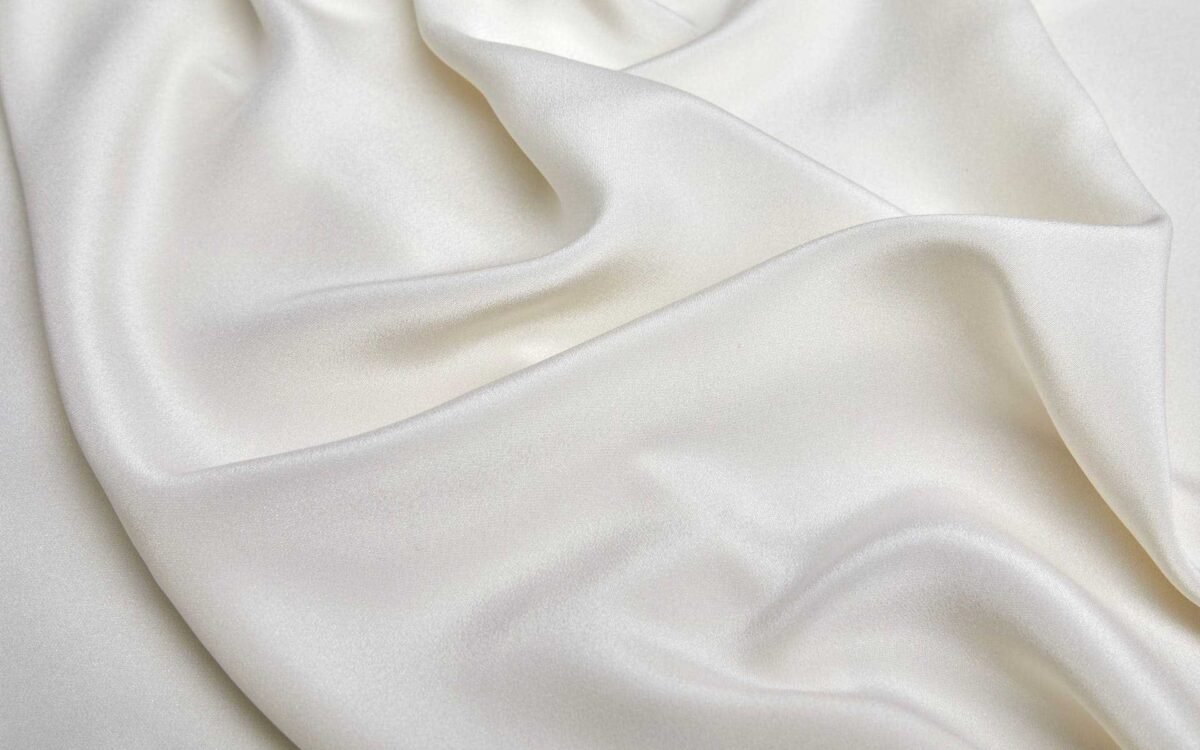
Silk Crepe Fabric: Types, Uses & Styling Tips
Silk crepe fabric is a popular luxury textile known for its soft texture, slightly crinkled surface, and elegant drape. Because of its versatility and refined appearance, silk crepe is widely used in fashion garments, dresses, blouses, and scarves. Among the different types of crepe fabrics, silk crepe de chine is one of the most well-known and widely used varieties in the fashion industry. In this guide, we will explore what silk crepe fabric is, its different types, common uses, and styling ...