Sewing nylon fabric can be challenging—even for experienced sewers. Its smooth surface, lightweight structure, and tendency to slip make it very different from working with cotton or other natural fabrics.
But with the right techniques, tools, and preparation, you can achieve clean, professional results whether you're making bags, outdoor gear, or apparel.
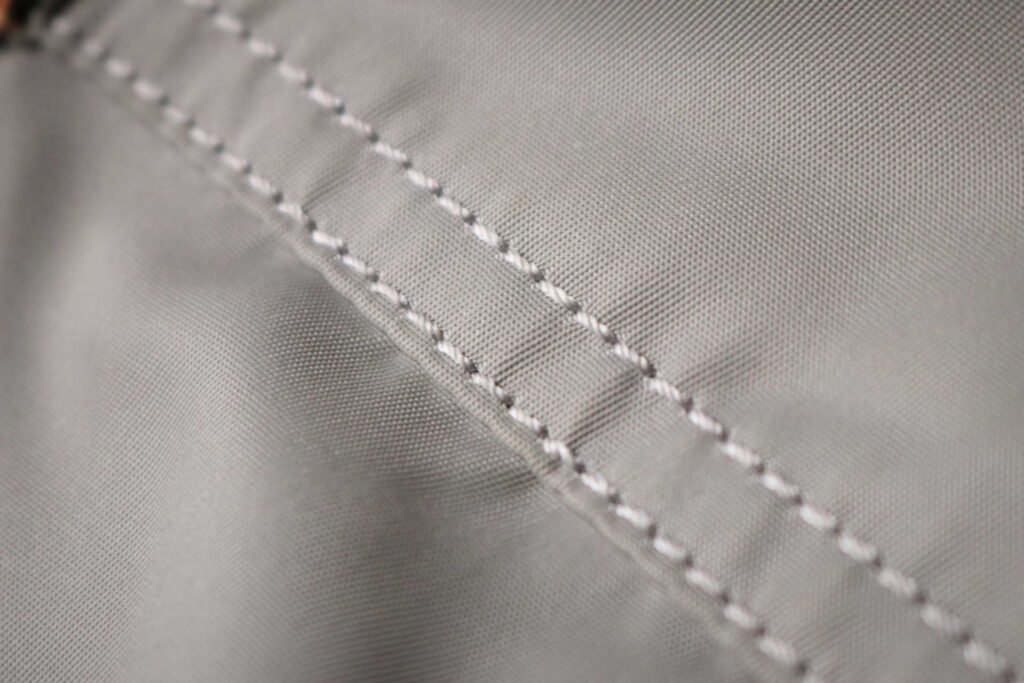
nylon sewing
This guide focuses on practical, real-world nylon sewing tips, including common mistakes to avoid and how to handle different types of nylon fabric.
Why Nylon Is Difficult to Sew
Before jumping into techniques, it’s important to understand the challenges.
Key issues:
- Slippery surface → hard to control
- Lightweight fabric → shifts easily
- Frays at edges → needs proper finishing
- Heat sensitivity → can melt under high temperature
👉 Insight:
Most sewing problems come from treating nylon like cotton—it behaves very differently.
Tools You Need for Sewing Nylon
Using the right tools makes a huge difference in nylon sewing.
1. Needle Type
Use:
- Sharp (Microtex) needle → best for lightweight nylon
- Universal needle → for medium-weight nylon
Recommended size:
- 70/10 → lightweight fabrics
- 80/12 → medium fabrics
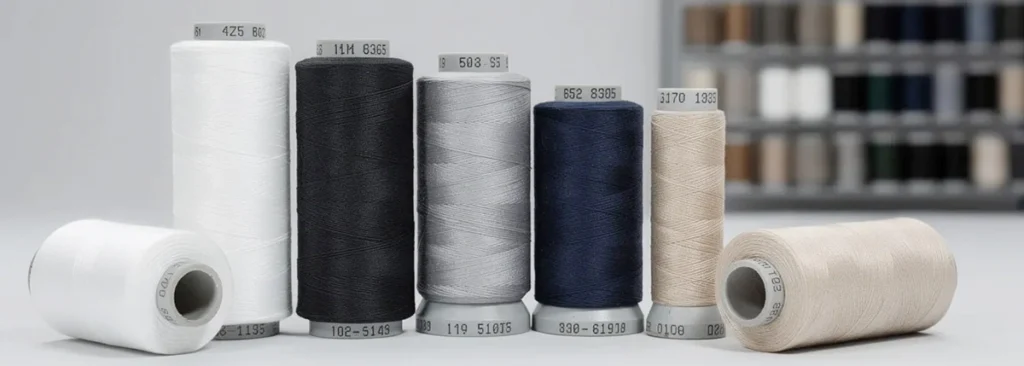
2. Thread Choice
- Polyester thread (recommended)
- Nylon thread (for heavy-duty applications)
👉 Tip:
Avoid cotton thread—it’s weaker and less durable for synthetic fabrics.
3. Presser Foot
A walking foot or Teflon foot helps prevent slipping.
4. Pins or Clips
- Use fine pins to avoid holes
- Fabric clips are better for coated nylon
Preparing Nylon Fabric Before Sewing
Preparation is often overlooked but critical.
1. Pre-Wash (If Applicable)
- Removes chemicals or finishes
- Reduces shrinkage risk
2. Cutting Tips
- Use sharp scissors or rotary cutter
- Cut on a flat surface to prevent shifting
3. Prevent Slipping
👉 Pro techniques:
- Use pattern weights
- Cut single layers instead of folded fabric
sewing with nylon
Sewing Techniques for Nylon Fabric
1. Use the Right Stitch Length
- Set stitch length slightly longer (3–3.5 mm)
👉 Why:
- Prevents puckering
- Improves seam strength
2. Reduce Tension
Too much tension causes:
- Wrinkles
- Uneven seams
👉 Test on scrap fabric first.
3. Sew Slowly and Steadily
Nylon moves easily—control is key.
4. Avoid Backstitching on Lightweight Nylon
Backstitching can:
- Create holes
- Weaken fabric
👉 Alternative:
- Tie thread ends manually
5. Use Seam Finishing
Nylon frays easily, so finishing is important.
Options:
- French seams (for lightweight nylon)
- Zigzag stitch
- Binding (for bags and gear)
Special Techniques for Different Nylon Types
Lightweight Nylon (e.g., Taffeta, Ripstop)
- Use fine needles (70/10)
- Avoid heavy stitching
- Handle gently
Coated Nylon (PU/TPU)
- Use Teflon foot
- Avoid pin holes (use clips)
- Reduce pressure to prevent sticking
Heavy-Duty Nylon (Ballistic, Cordura)
- Use stronger needles (90/14 or above)
- Use nylon thread for strength
- Sew slowly with more control
Common Mistakes When Sewing Nylon
Mistake 1: Using the Wrong Needle
Leads to:
- Skipped stitches
- Fabric damage
Mistake 2: Pulling the Fabric While Sewing
This causes:
- Distorted seams
- Uneven stitching
Mistake 3: Using High Heat
Nylon melts easily.
👉 Avoid:
- High ironing temperatures
Mistake 4: Ignoring Test Samples
Always test on scrap fabric before starting.
How to Handle Nylon Without Damaging It
Ironing Tips
- Use low heat
- Place a pressing cloth
- Avoid direct contact
Seam Sealing (for Waterproof Nylon)
If you’re sewing waterproof nylon:
- Use seam tape (for PU-coated nylon)
- Use silicone sealant (for silnylon)
Best Projects for Sewing Nylon
Nylon is ideal for:
- Backpacks
- Jackets
- Windbreakers
- Outdoor gear
- Storage bags
Pro Tips (From Industry Practice)
1. Control Is More Important Than Speed
Professionals sew nylon slower than cotton.
2. Fabric Handling Matters More Than Machine Settings
Even perfect settings won’t fix poor handling.
3. Choose the Right Nylon for the Project
👉 Example:
- Bags → heavy-duty nylon
- Apparel → lightweight nylon
Beginner-Friendly Nylon Sewing Setup
If you’re just starting:
- Fabric → lightweight nylon (not coated)
- Needle → 70/10
- Thread → polyester
- Stitch → straight stitch (3 mm)
Conclusion
Sewing nylon fabric may seem difficult at first, but with the right tools and techniques, it becomes much easier.
Key takeaways:
- Use sharp needles and polyester thread
- Adjust stitch length and tension
- Handle fabric carefully to prevent slipping
- Always test before sewing
With practice, nylon becomes a highly rewarding material to work with—especially for durable, lightweight, and functional products.
Looking for High-Quality Nylon Fabric for Sewing Projects?
If you are sourcing nylon fabric for bags, apparel, or outdoor gear, we can help.
We provide:
- Wide range of nylon fabrics
- Consistent quality
- Custom specifications
Contact us today to request samples or get expert recommendations for your sewing or production needs.