
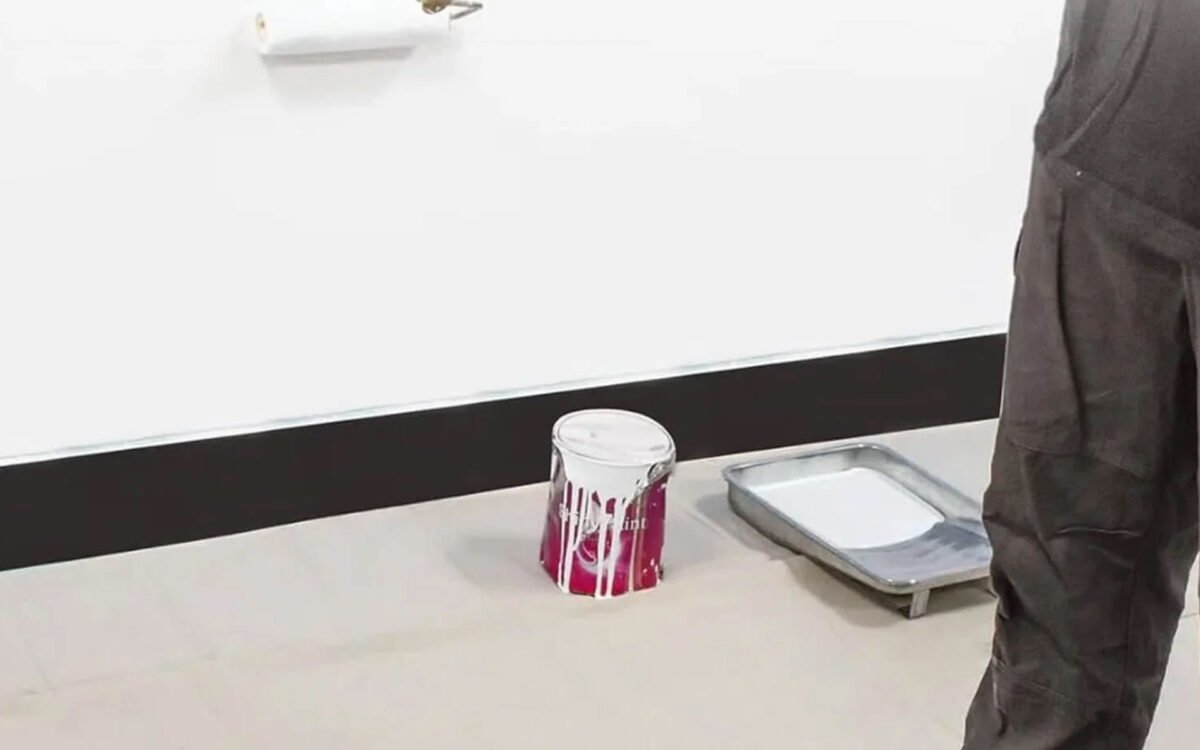
How to Use a Drop Cloth for Painting Like a Pro
Using a drop cloth correctly can make a big difference in the quality, safety, and cleanliness of your painting project. Whether you are a DIY homeowner or a professional painter, proper setup helps prevent paint spills, reduces cleanup time, and protects your surfaces. In this guide, you’ll learn how to use a painting drop cloth step by step, plus professional tips to avoid common mistakes.
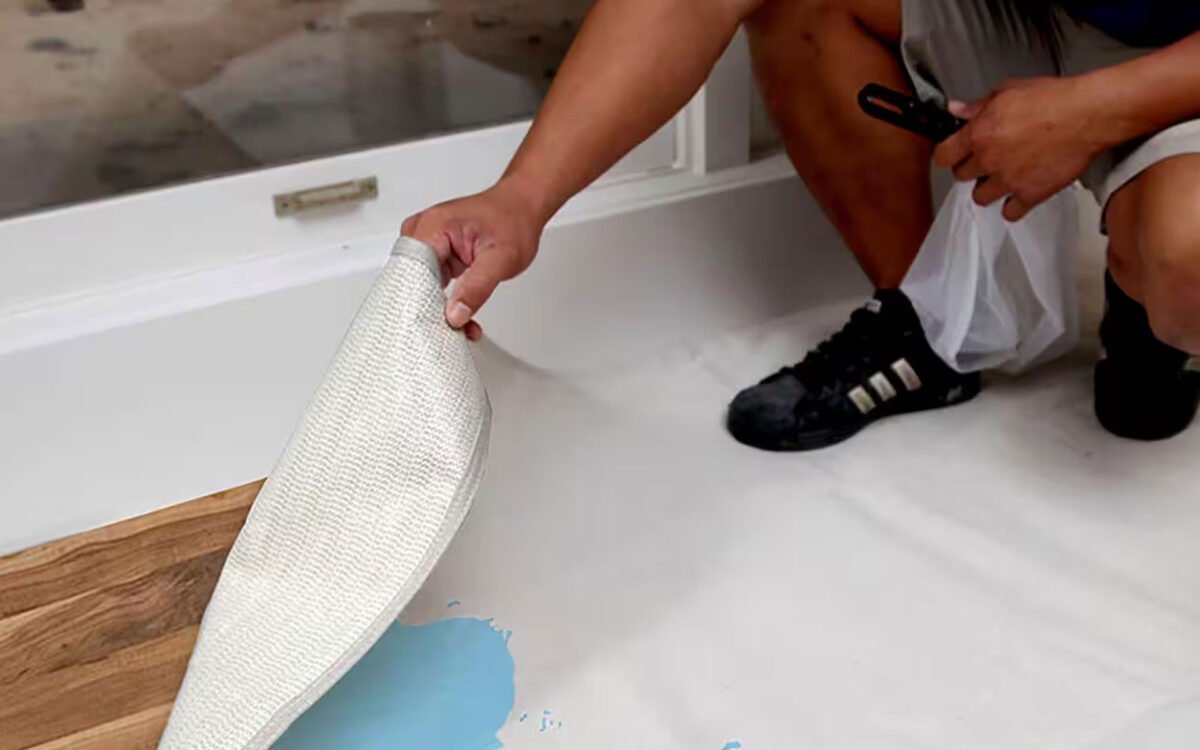
Best Drop Cloth for Painting: Complete Guide for Choosing the Right One
Choosing the best drop cloth for painting is essential for protecting floors, furniture, and workspaces during any painting or renovation project. The right drop cloth not only prevents damage but also improves safety and efficiency while working. There are two main types of drop cloths—canvas and plastic—and each has its strengths depending on the job. This guide will help you choose the best drop cloth for painting based on your needs, project type, and budget.
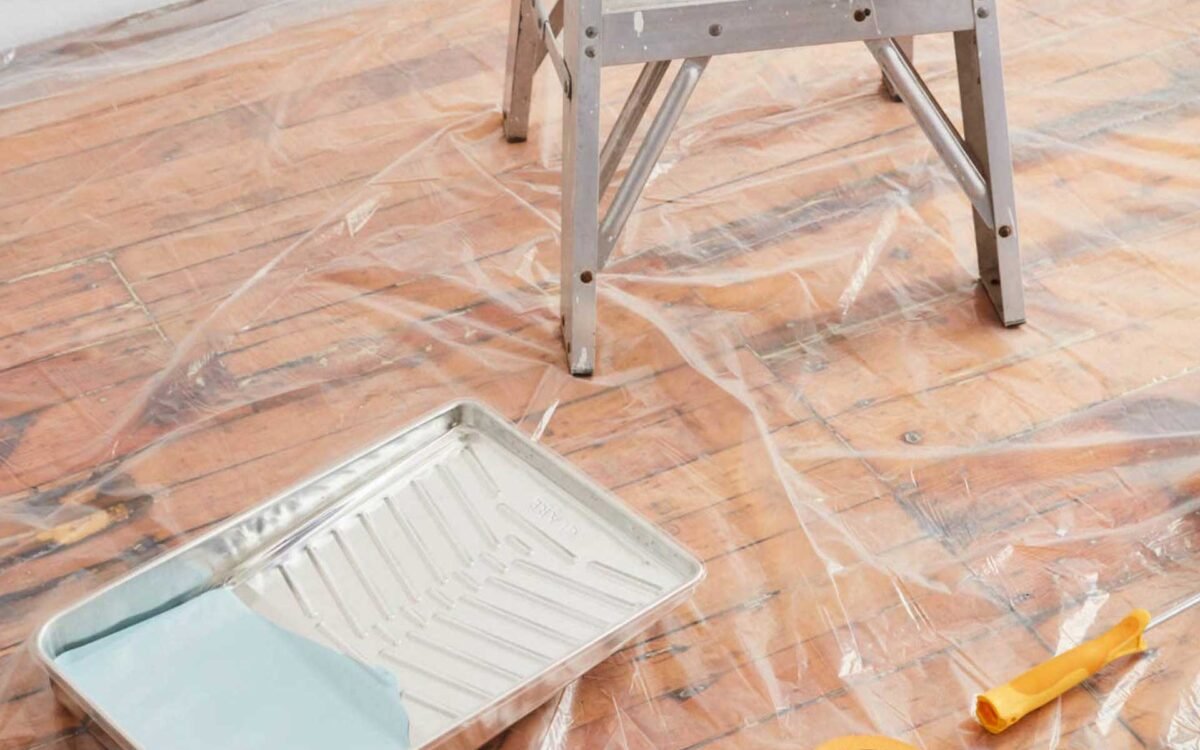
Plastic Drop Cloth Guide: Types, Thickness & Best Uses
Plastic drop cloths are one of the most affordable and widely used protective covers for painting, renovation, and construction projects. Made from polyethylene material, they provide a waterproof barrier that helps protect floors, furniture, and surfaces from spills and debris. However, not all plastic drop cloths are the same. Thickness, durability, and material quality can vary significantly—and choosing the right type is essential for getting the best results.
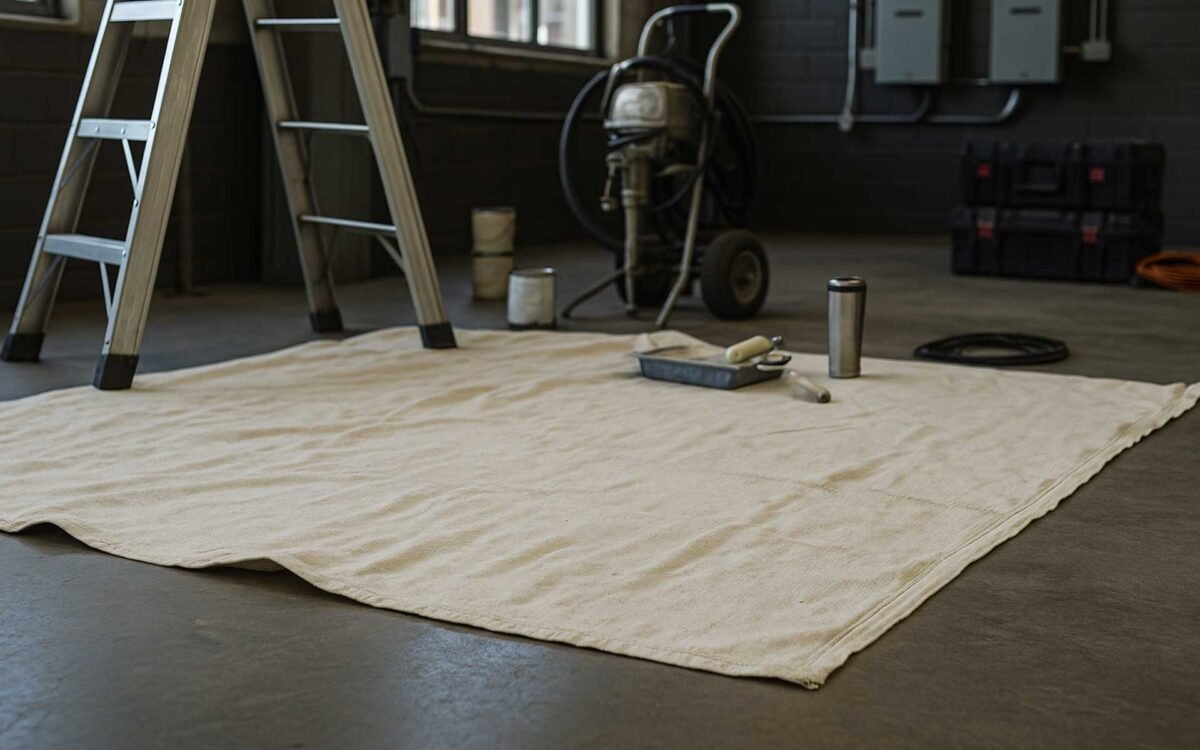
What Is a Canvas Drop Cloth? Uses, Benefits & How to Choose the Right One
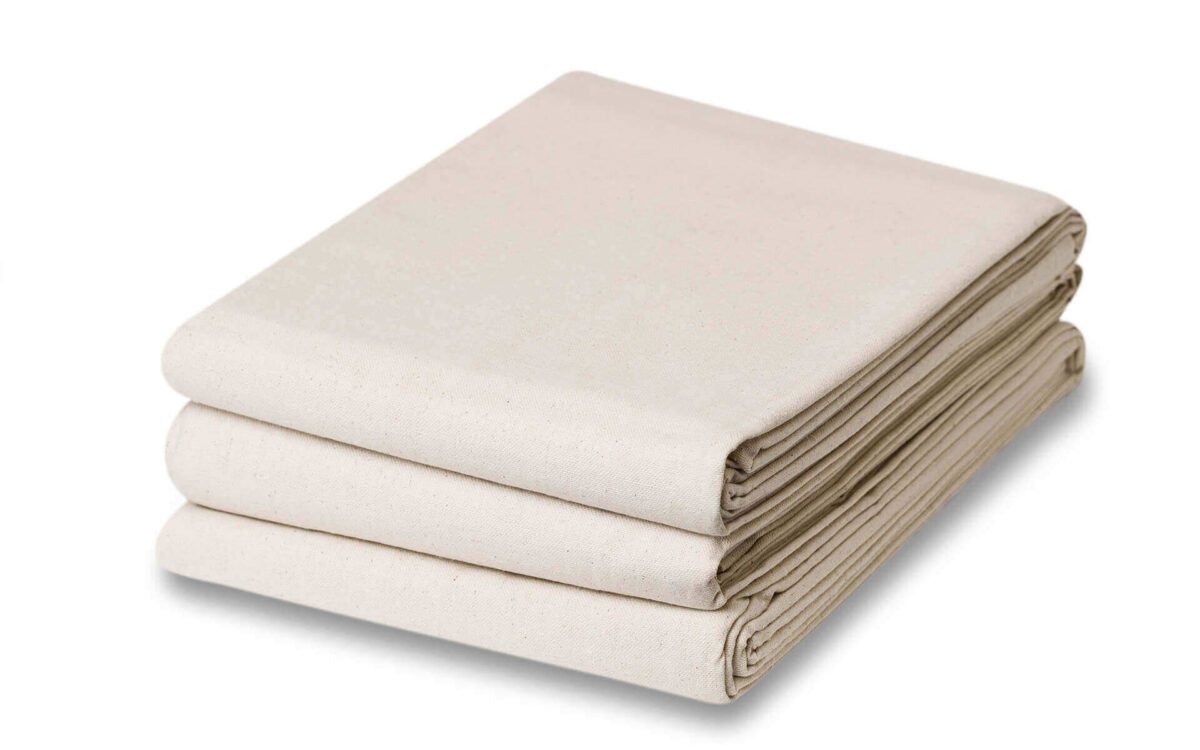
A canvas drop cloth is one of the most reliable tools for protecting surfaces during painting, renovation, and DIY projects. Unlike plastic coverings, canvas offers better durability, safety, and long-term value. But not all canvas drop cloths are the same—and choosing the wrong one can lead to paint leaks, slipping hazards, or wasted money. In this guide, you’ll learn what a canvas drop cloth is, when to use it, and how to choose the best one for your project.
Canvas vs Plastic Drop Cloth: Which Is Better for Painting Projects?
When starting a painting project, choosing the right drop cloth can make a huge difference in both results and cleanup. Two of the most common options are canvas drop cloths and plastic drop cloths—but which one is actually better? The answer depends on your project type, budget, and working environment. In this guide, we’ll break down the real differences so you can make the right choice.
What is a Drop Cloth? Types, Materials & Best Uses for Painting
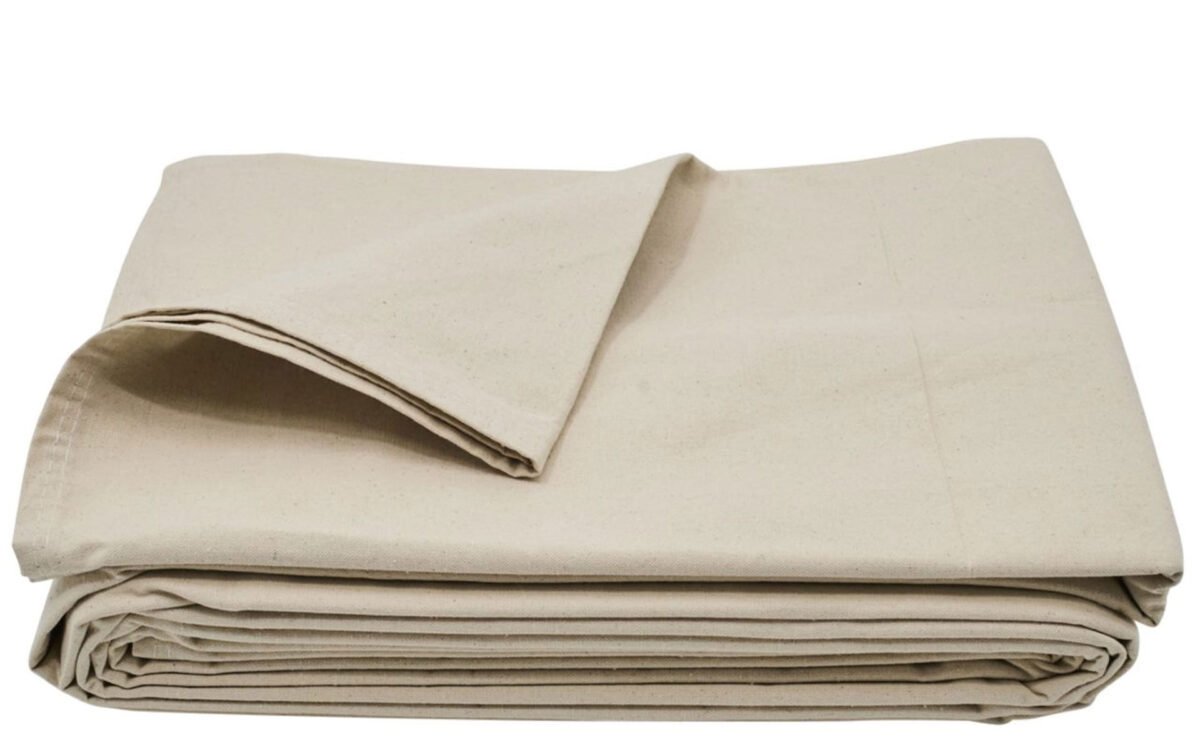
A drop cloth is a protective covering placed over floors, furniture, or surfaces to prevent damage during painting, construction, or cleaning work. It acts as a barrier against: Paint spills Dust and debris Water or chemicals While simple in concept, the effectiveness of a drop cloth depends heavily on its material and design.