When choosing clothing, bedding, or outdoor gear, the composition label is the most important factor in determining comfort, durability, and performance. The three most common names you will encounter are Polyester, Cotton, and Nylon.
Each has its own strengths and weaknesses. There is no absolute 'best' fabric—only the one that best suits your specific needs. In this fabric showdown, we break down the key differences to help you pick the winner.
1. Polyester vs Cotton: Efficiency vs. Comfort
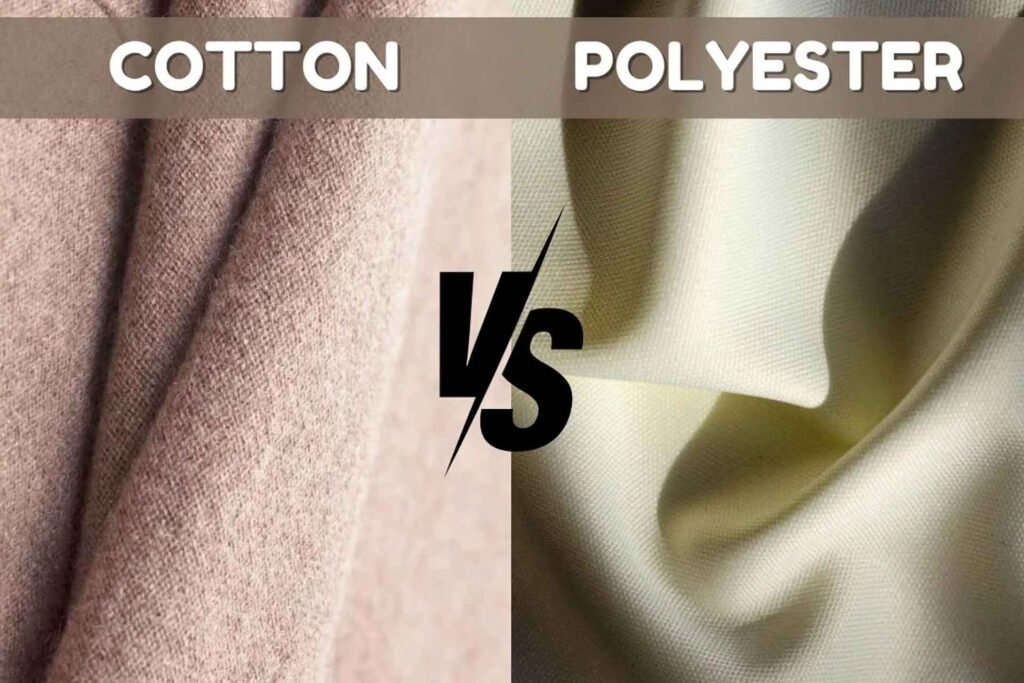
Polyester vs Cotton
This is the classic debate between synthetic and natural fibers. It is the most frequent choice consumers face when buying everyday apparel.
| Feature | Polyester | Cotton |
| Feel | Smooth, synthetic, can feel slightly 'plastic-like' | Soft, breathable, and natural against the skin |
| Moisture | Hydrophobic (quick-drying); pushes sweat away | Absorbent; stays damp once wet |
| Durability | High; resists shrinking and wrinkling | Moderate; prone to shrinking and easy to wrinkle |
| Care | Wash-and-wear; very low maintenance | Requires more care; often needs ironing |
-
The Verdict: If you are looking for workout clothes or travel gear that stays wrinkle-free, Polyester wins. For everyday comfort, loungewear, or sensitive skin, Cotton is the champion.
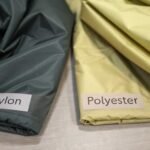
2. Polyester vs Nylon: Stability vs. Strength
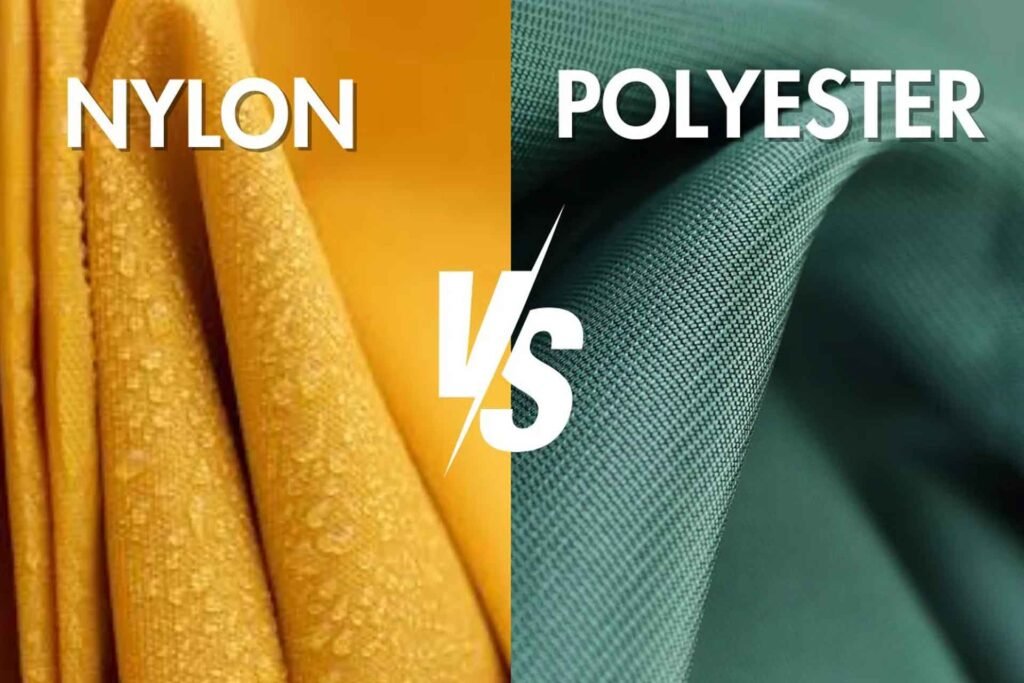
Polyester vs Nylon
Both are synthetic fibers, but they behave differently in high-performance or outdoor environments.
-
Strength & Elasticity: Nylon is known for its incredible strength-to-weight ratio. It is more elastic than polyester, making it the top choice for swimwear, hosiery, and high-intensity activewear.
-
Weather Resistance: In the battle of Polyester v Nylon for outdoor use, Polyester often takes the lead for sun exposure. Polyester is highly UV resistant and won't fade as quickly as Nylon. Additionally, Nylon actually absorbs a small amount of water, which can cause it to stretch when wet, whereas Polyester remains stable.
-
Abrasion Resistance: Nylon is tougher against scrapes and friction, which is why it’s used for tactical gear and high-end backpacks.
-
The Verdict: Choose Nylon for extreme durability and stretch (like hiking pants). Choose Polyester for items that will stay outdoors or need to hold their shape perfectly.
3. The Best of Both Worlds: Cotton Polyester Blend
Sometimes, you don't have to choose. A cotton polyester blend is engineered to combine the best traits of both fibers while canceling out their flaws.
Commonly found in ratios like 65/35 or 60/40, these blends offer:
-
Breathable yet Tough: You get the soft touch of cotton with the added structural strength of polyester.
-
Wrinkle Resistance: Unlike 100% cotton, a cotton polyester blend resists creasing and holds its shape much better after a wash.
-
Cost-Effectiveness: These blends are usually more affordable and durable than pure natural fibers, making them the industry standard for school uniforms, bed linens, and workwear.
4. Which One Should You Choose?
To make your decision easier, here is a quick 'cheat sheet' based on common use cases:
-
Running or Gym Sessions: Look for 100% Polyester or poly-spandex blends for moisture management.
-
Bed Sheets & Pillowcases: A Cotton Polyester Blend is best if you hate ironing, but 100% Cotton is better for 'hot sleepers.'
-
Heavy-Duty Backpacks: Go for Nylon for its superior tear resistance.
-
Summer Dresses: Cotton is the go-to for staying cool in humid heat.
-
Professional Work Uniforms: A Cotton Polyester Blend provides a professional look with minimal maintenance.
Conclusion
Understanding the nuances of Polyester v Cotton and Polyester v Nylon allows you to shop smarter and create better projects. Whether you are sewing a masterpiece or upgrading your wardrobe, the right fabric makes all the difference.
Want to dive deeper into the world of textiles? Check out our Fabric Gallery to explore these materials in person!