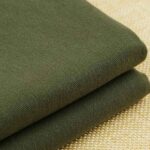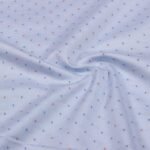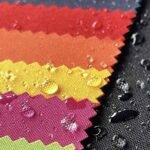
In the fast-paced and high-heat environment of a professional kitchen, the right chef uniform isn’t just about looking sharp—it’s a vital piece of protective gear that supports performance, safety, and hygiene. Choosing the best fabric for chef uniforms is crucial for chefs, kitchen staff, and hospitality managers who want to balance comfort, durability, and easy maintenance. But with so many fabric options available, from 100% cotton to high-tech blends, how do you know which one suits your kitchen’s demands?
This guide dives deep into the types of fabrics used in chef uniforms, their pros and cons, and how to select the perfect material tailored to your kitchen environment and workflow. Whether you're outfitting a fine-dining brigade or managing a high-volume catering team, understanding fabric technology can save money, reduce fatigue, and keep your team looking professional.
Best Fabric for Chef Uniforms
Why Fabric Choice Matters in Chef Uniforms
Chef uniforms face unique challenges:
- High heat and humidity: Kitchens can reach extreme temperatures, making breathability essential.
- Frequent laundering: Uniforms must withstand industrial washing cycles without losing shape or color.
- Stain resistance: Constant exposure to oils, sauces, and food splashes demands fabrics that resist and release stains.
- Comfort and mobility: Long shifts require fabrics that move with the body and wick moisture away.
Selecting the wrong fabric can lead to discomfort, frequent replacements, and even safety hazards like burns or slips caused by ill-fitting garments.
Top Fabrics Used in Chef Uniforms
1. 100% Cotton
Pros:
- Natural fiber offering excellent breathability and softness.
- Comfortable for hot kitchen stations, especially near stoves.
- Luxurious feel and classic appearance.
Cons:
- Prone to wrinkling and requires frequent ironing.
- Shrinks significantly after washing (3-5% shrinkage common).
- Slower drying time, which can trap heat during long shifts.
- Less durable under industrial laundering, leading to quicker wear.
Best for: Short shifts in climate-controlled kitchens or pastry stations with lower heat and humidity.
2. Poly-Cotton Blends (Typically 65/35 or 50/50)
Pros:
- Balances breathability and durability.
- Faster drying and wrinkle-resistant compared to pure cotton.
- Maintains shape and color better after 50+ industrial wash cycles.
- Often woven in twill for stain resistance and abrasion durability.
- Offers better moisture-wicking properties than 100% cotton.
Cons:
- Slightly less breathable than pure cotton.
- Can generate static in dry environments.
- May feel less “natural” but modern blends have improved texture.
Best for: High-volume kitchens, long shifts, catering teams, and culinary schools that demand longevity and easy care.
3. Performance and Stretch Fabrics
Pros:
- Often polyester-dominant with moisture-wicking, antimicrobial finishes.
- Highly breathable and quick-drying.
- Stretch blends (with up to 2% elastane) offer superior mobility.
- Some fabrics are Oeko-Tex® certified for skin safety and environmental compliance.
Cons:
- Higher price point.
- Less traditional look and feel; may lack the crisp drape of cotton.
- Stretch fibers can degrade in commercial dryers if elastane content is too high.
Best for: Hot kitchens, tropical climates, chefs who sweat heavily, and fast-paced environments requiring maximum comfort and flexibility.
Weave Types and Their Impact on Fabric Performance
-
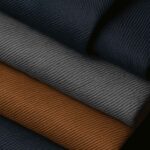
Twill Weave: Characterized by a diagonal rib pattern, twill is the preferred weave for chef coats and aprons because it hides stains well, resists abrasion, and offers a structured drape. Twill fabrics typically weigh between 200-240 gsm (grams per square meter), balancing durability and comfort.
-
Poplin Weave: A plain weave that creates a smooth, light, and crisp surface, ideal for front-of-house shirts and lighter chef jackets. Poplin is more breathable but less durable against stains and abrasion.
Fabric Weight (GSM) Guidelines for Chef Uniforms
| Garment Type | Recommended GSM Range | Purpose |
|---|---|---|
| Chef Coats | 200 – 240 gsm | Durable, breathable, withstands industrial washing |
| Chef Pants | 220 – 280 gsm | Flexible, abrasion-resistant for frequent movement |
| Aprons | 240 – 300 gsm | Heavy-duty splash and stain protection |
| Front-of-House Shirts | 120 – 160 gsm | Lightweight, wrinkle-resistant for polished look |
Key Features to Consider Beyond Fabric
-
Ventilation Panels: Look for chef coats with underarm or back mesh panels (like Cool Vent™ technology) to increase airflow and reduce heat buildup.
-
Stitching Quality: Reinforced stitching (8-10 stitches per inch) at stress points ensures durability.
-
Button Type: Cloth-covered buttons sewn on securely last longer than glued plastic ones, especially after repeated washes.
-
Fit and Mobility: Jackets should allow full arm extension without pulling; tapered sleeves and waist darts improve movement and comfort, especially for women.
-
Shrinkage Control: Fabrics with shrinkage less than or equal to 3% after industrial washing maintain fit and reduce replacement costs.
Maintenance and Care Tips for Chef Uniform Fabrics
- Wash at 60°C or higher to meet hygiene standards and remove grease effectively.
- Avoid chlorine bleach on white cotton coats to prevent yellowing and fiber degradation.
- Close buttons and snaps before washing to protect closures.
- Iron cotton uniforms while slightly damp for a crisp finish.
- Turn embroidered garments inside out to preserve stitching.
- Store uniforms hanging to maintain collar and garment shape.
Cost vs. Value: Why Investing in Quality Fabric Pays Off
While entry-level cotton uniforms may cost $45-$65, mid-tier poly-cotton blends range from $75-$110, and premium performance fabrics start at $130, the long-term savings are significant. A well-chosen poly-cotton blend can last more than twice as long as pure cotton in demanding kitchens, reducing replacement frequency and laundry costs. Moreover, comfortable uniforms improve staff focus and safety, indirectly boosting productivity.
Summary: How to Choose the Best Fabric for Chef Uniforms
- Assess your kitchen environment: Consider heat, humidity, and shift length.
- Match fabric to role: Use cotton blends for general kitchen wear; reserve 100% cotton for cooler, low-humidity stations.
- Prioritize durability: Look for fabrics that withstand at least 50 industrial wash cycles with minimal shrinkage.
- Consider comfort features: Ventilation, moisture-wicking finishes, and stretch fabrics improve wearability.
- Check maintenance requirements: Ensure the fabric suits your laundry capabilities.
- Balance price and lifecycle cost: Invest in fabrics that reduce replacement frequency and maintain appearance.
Conclusion
Choosing the best fabric for chef uniforms is a strategic decision that impacts comfort, hygiene, durability, and cost-efficiency. Poly-cotton blends at 65/35 or 50/50 ratios with twill weave and moisture-wicking finishes currently offer the best all-around performance for most kitchen environments. For hotter kitchens or chefs requiring enhanced mobility, performance fabrics with stretch and antimicrobial properties are ideal.
Invest in quality fabrics, pay attention to fit and ventilation, and maintain your uniforms properly to ensure your team stays cool, comfortable, and professional throughout every service.
Call to Action
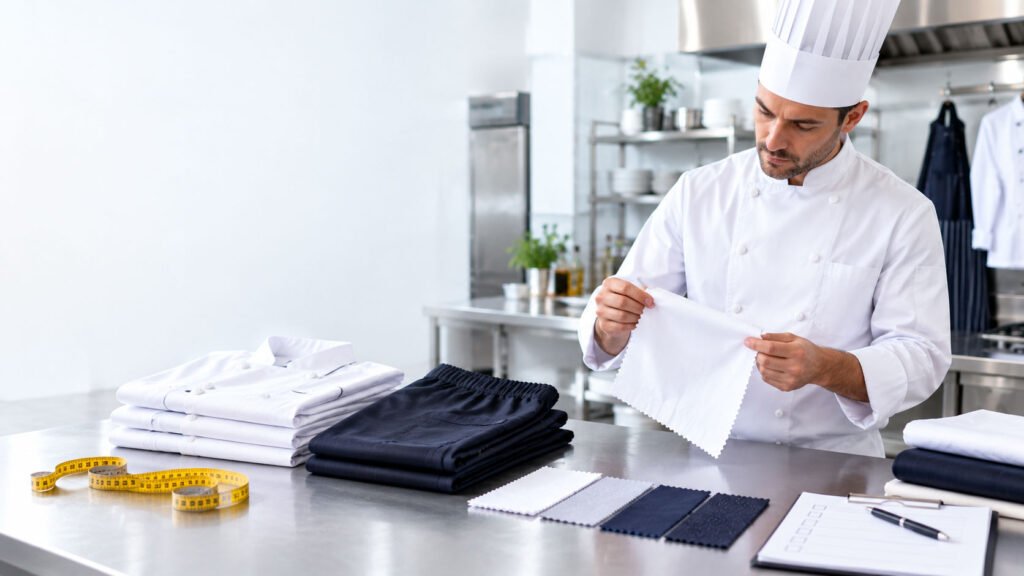
Ready to upgrade your kitchen uniforms? Explore certified poly-cotton blends and performance fabrics tailored to your kitchen’s needs. Contact us today for fabric samples and industrial wash test results to make an informed choice that benefits your team and your bottom line.