Best Fabric for School Uniforms
Why Choosing the Right Fabric Matters for School Uniforms
- Discomfort for students, impacting concentration and learning.
- Frequent replacements, increasing costs for parents and schools.
- Faded or wrinkled uniforms, harming the school’s professional image.
- Complaints and reputational damage for suppliers and procurement teams.
Key Criteria for Selecting School Uniform Fabrics
- Durability: The fabric should withstand at least 50 industrial or domestic wash cycles without significant fading, shrinking, or pilling.
- Comfort: Breathability, softness, and moisture management are vital, especially in hot climates.
- Easy Care: Wrinkle-resistant fabrics that look neat straight out of the dryer reduce daily ironing efforts.
- Color Fastness: Fabrics should maintain color vibrancy after repeated washing and exposure to sunlight.
- Dimensional Stability: Minimal shrinkage (under 3%) ensures uniforms maintain size and fit over time.
- Fabric Weight (GSM): Appropriate weight balances durability and comfort depending on the garment type.
Top Fabrics for School Uniforms in 2026
1. Polyester-Cotton Blends (Poly-Cotton)
Why It’s Popular:
Poly-cotton blends are the global standard for school uniforms due to their balanced performance. The polyester component adds durability, wrinkle resistance, and color retention, while cotton contributes softness and breathability.
- Durable and long-lasting (70–80 wash cycles)
- Wrinkle-resistant and easy to maintain
- Good color fastness
- Comfortable for most climates
- Cost-effective for bulk procurement
- Formal shirts, trousers, skirts, pinafores
- Schools in temperate to warm climates
- Parents seeking low-maintenance uniforms
2. 100% Cotton
Why Choose Cotton:
Cotton’s natural breathability and softness make it an excellent choice for hot and humid climates. It is hypoallergenic and comfortable for children with sensitive skin.
- Prone to shrinking (5–8% without pre-shrinking)
- Wrinkles easily, requiring ironing
- Moderate durability (40–60 wash cycles)
- Color fades faster than synthetic blends
- Schools in tropical regions (India, Southeast Asia, Africa)
- Premium uniform programs prioritizing comfort over maintenance
- Garments like shirts and summer wear
3. 100% Polyester
Why Choose Polyester:
Polyester offers maximum durability, excellent color retention, and is wrinkle-free. It resists shrinking and fading even after 100+ washes.
- Poor breathability, trapping heat and moisture
- Less comfortable in warm climates
- Cooler climates (UK, Northern Europe)
- Structured garments like blazers, ties, and winter wear
- Budget-conscious schools prioritizing durability
4. Terry Cotton (Terry Cloth)
Description:
A looped knit fabric commonly used for polo shirts and PE uniforms. It combines cotton’s softness with added stretch and recovery.
- Comfortable and stretchy
- Suitable for active wear and sports uniforms
- Provides a relaxed fit
- Less formal appearance
- Susceptible to pilling and snagging
- Polo shirts, sportswear, casual uniform items
- Warm climates requiring breathable, comfortable fabrics
5. Drill and Twill Fabrics
Description:
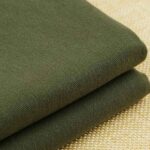
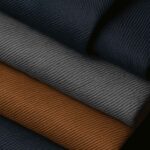
Heavyweight, diagonal-weave fabrics that provide structure and durability.
- Strong and wear-resistant
- Holds shape well for trousers, shorts, and skirts
- Suitable for professional, formal uniforms
- School trousers, skirts, pinafores
- Cooler climates or schools emphasizing formal appearance
How Climate Influences Fabric Choice
Hot and Humid Climates
- Prioritize 100% cotton or 50/50 poly-cotton blends for breathability.
- Avoid heavy fabrics above 180 gsm for shirts.
- Use moisture-wicking finishes to enhance comfort.
Temperate and Cooler Climates
- Use 65/35 or 80/20 poly-cotton blends for durability and wrinkle resistance.
- Polyester and wool blends are suitable for blazers and winter wear.
Rainy or Tropical Monsoon Regions
- Choose poly-cotton blends with quick-drying properties.
- Ensure fabrics pass color fastness tests to resist fading from frequent washing.
Industry Insights & Trends for 2026
- Sustainability: Growing demand for organic cotton, recycled polyester, and bio-based synthetics.
- Performance Fabrics: Anti-microbial, moisture-wicking, and wrinkle-free materials are becoming standard.
- Adaptive Design: Modular uniforms with detachable parts and sensory-friendly fabrics for inclusivity.
- Durability Expectations: Uniform fabrics are expected to withstand 70 to 100 wash cycles, reducing replacement frequency.
Practical Tips for Buyers
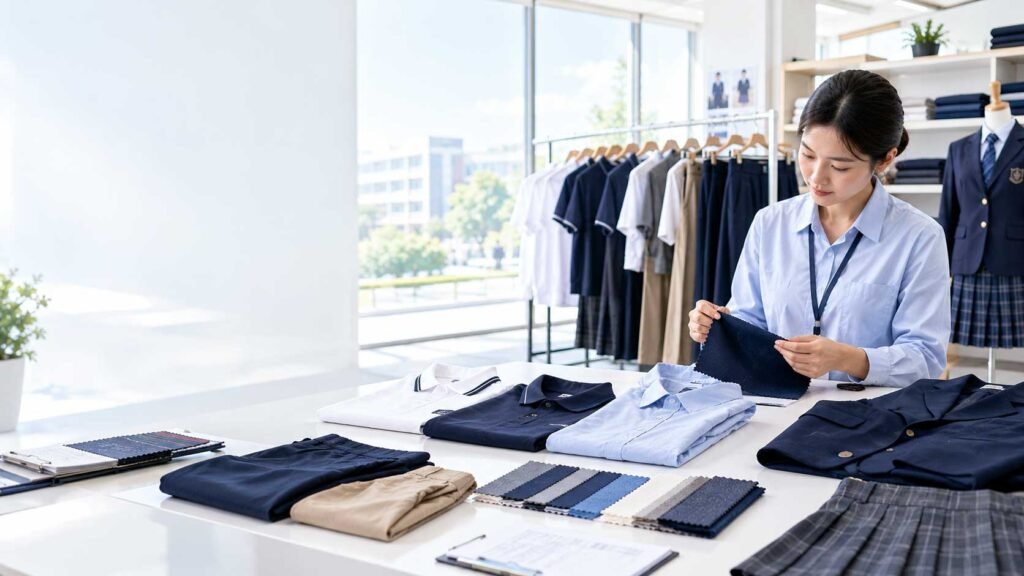
- Always request fabric samples to assess texture, weight, and color accuracy before bulk ordering.
- Check the GSM (grams per square meter) to match fabric weight with garment type.
- Verify color fastness ratings (ISO 105 standards) to avoid fading.
- Consider the school’s dress code and climate to select suitable fabric blends.
- Opt for fabrics labeled “pre-shrunk” and “wrinkle-resistant” to minimize maintenance.