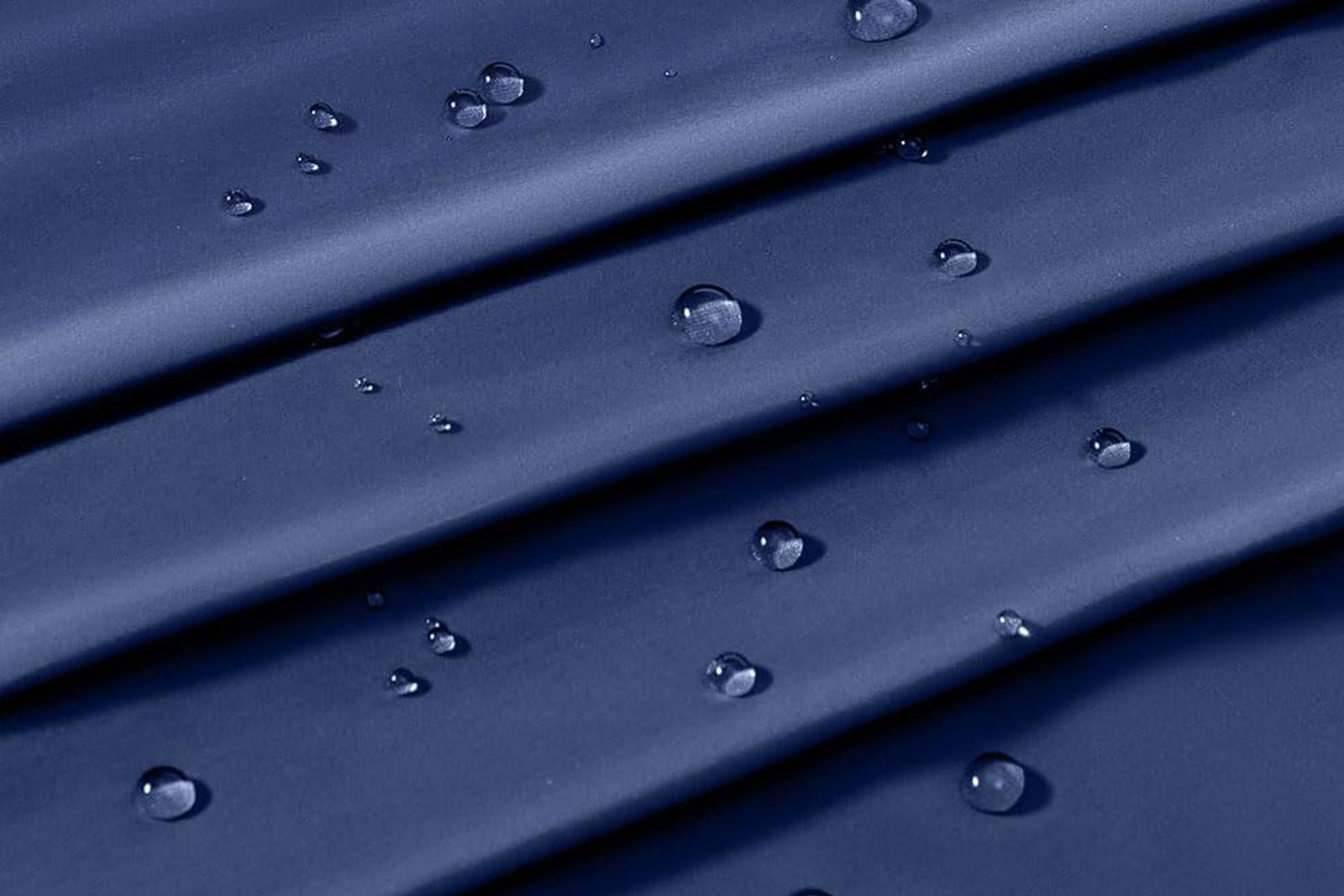
Silnylon Is Everywhere in Outdoor Gear — But Is It Always the Best Choice?
If you’ve looked into lightweight tents, tarps, or backpacks, you’ve probably come across silnylon fabric.
It’s often described as:
- Ultra-lightweight
- Highly waterproof
- Ideal for outdoor use
And while all of that is true, it doesn’t tell the full story.
👉 Because silnylon isn’t perfect — and it’s not always the right choice.
This guide will help you understand what silnylon fabric really is, its strengths and weaknesses, and when you should (or shouldn’t) use it.
What Is Silnylon Fabric?
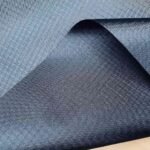
Silnylon (short for silicone-coated nylon) is a type of fabric made by impregnating nylon with liquid silicone.
This process creates a material that is:
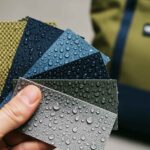
- Water-resistant (often fully waterproof)
- Strong for its weight
- Flexible and packable
👉 Unlike coated fabrics, the silicone penetrates the fibers, which improves durability and tear strength.
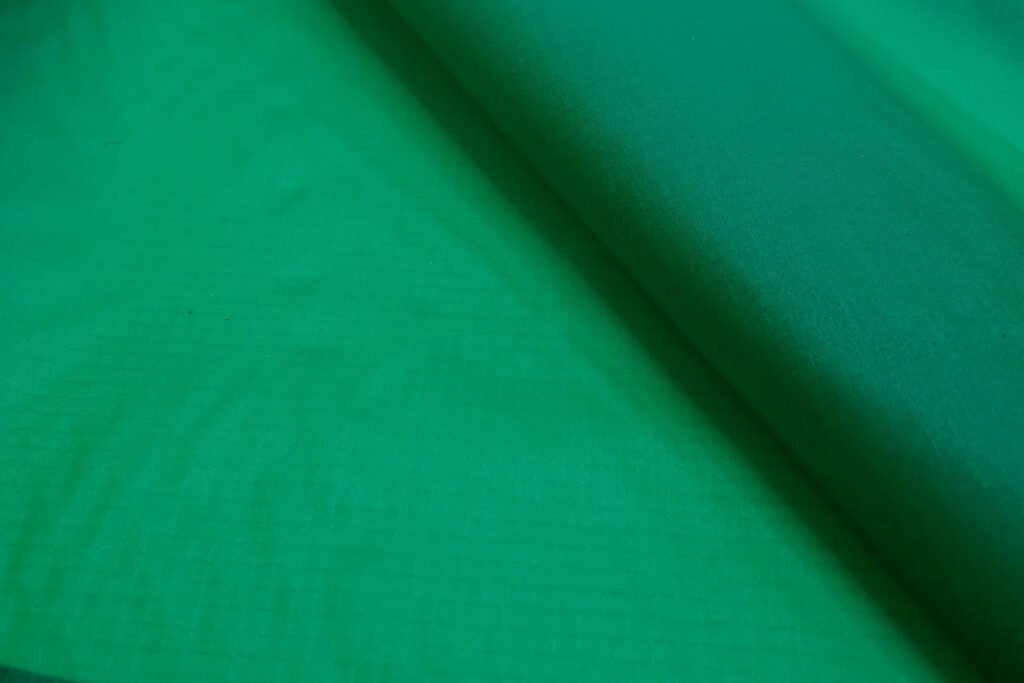
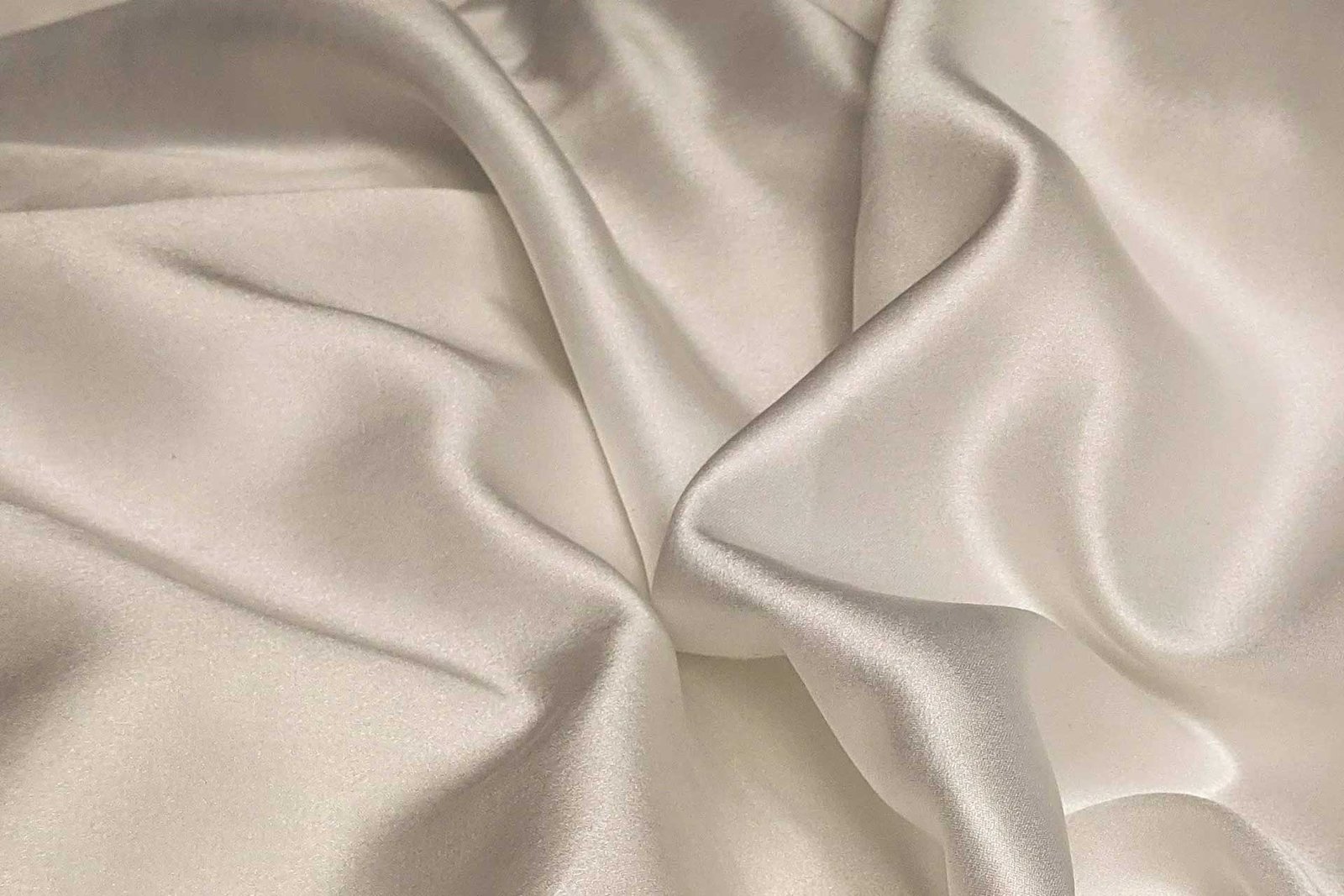
silnylon fabric
Why Is Silnylon So Popular?
Silnylon became widely used in outdoor gear for one simple reason:
👉 It offers one of the best strength-to-weight ratios available.
That means you get:
- Lightweight performance
- Reliable protection from rain
- Compact storage
This makes it especially attractive for:
- Backpackers
- Campers
- Ultralight gear enthusiasts
Pros of Silnylon Fabric
1. Excellent Waterproof Performance
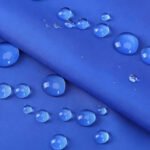
Silnylon is highly resistant to water.
👉 It doesn’t just repel moisture — it prevents penetration under normal conditions.
2. Lightweight and Packable
One of its biggest advantages is how little space it takes up.
👉 Perfect for:
- Hiking gear
- Travel setups
- Emergency shelters
3. High Tear Strength
Despite being thin, silnylon is surprisingly strong.
👉 It resists tearing better than many other lightweight fabrics.
4. Flexible and Durable
The silicone treatment keeps the fabric supple and resistant to cracking.
Cons of Silnylon Fabric (Important to Know)
This is where many guides fall short — but it’s critical for making the right choice.
1. Not Breathable
Silnylon does not allow air to pass through.
👉 This can lead to:
- Condensation buildup
- Reduced comfort in enclosed spaces
2. Can Stretch When Wet
Silnylon tends to absorb small amounts of moisture and stretch.
👉 This means:
- Tents may sag in rain
- You may need to re-tighten setups
3. Slippery and Hard to Work With
The smooth surface makes it difficult to sew or handle.
👉 Not ideal for beginners or DIY projects.
4. Moderate UV Resistance
Long-term exposure to sunlight can weaken the fabric over time.
Silnylon vs Silpoly: Which Is Better?
This is one of the most common comparisons.
Silnylon
- Stronger for its weight
- More elastic
- Slightly better tear resistance
Silpoly (Silicone-Coated Polyester)
- Less stretch when wet
- Better dimensional stability
- More UV resistant
👉 Simple rule:
- Need strength → choose silnylon
- Need stability → choose silpoly
Silnylon vs Standard Nylon
Silnylon
- Waterproof
- Treated for outdoor use
- More specialized
Regular Nylon
- Not waterproof without coating
- More versatile
- Easier to work with
👉 Silnylon is essentially an upgraded version of nylon for outdoor protection.
Best Uses for Silnylon Fabric
Silnylon performs best in situations where weight and water resistance matter most.
1. Tents and Rainflies
👉 Lightweight shelters are one of the most common uses.
2. Tarps and Covers
👉 Ideal for temporary protection from rain.
3. Ultralight Backpacks
👉 Reduces overall pack weight without sacrificing strength.
4. Outdoor Gear Accessories
👉 Stuff sacks, covers, and protective layers.
When You Should NOT Use Silnylon
Silnylon isn’t always the best choice.
Avoid it if:
- You need breathability (e.g., clothing)
- You want a rigid, non-stretch material
- Your gear will be exposed to strong sunlight long-term
👉 In these cases, other fabrics may perform better.
Is Silnylon Fabric Worth It?
For many outdoor applications, yes.
👉 Silnylon offers an excellent balance of:
- Weight
- Strength
- Water resistance
But it’s not a one-size-fits-all solution.
Understanding its limitations is just as important as knowing its benefits.
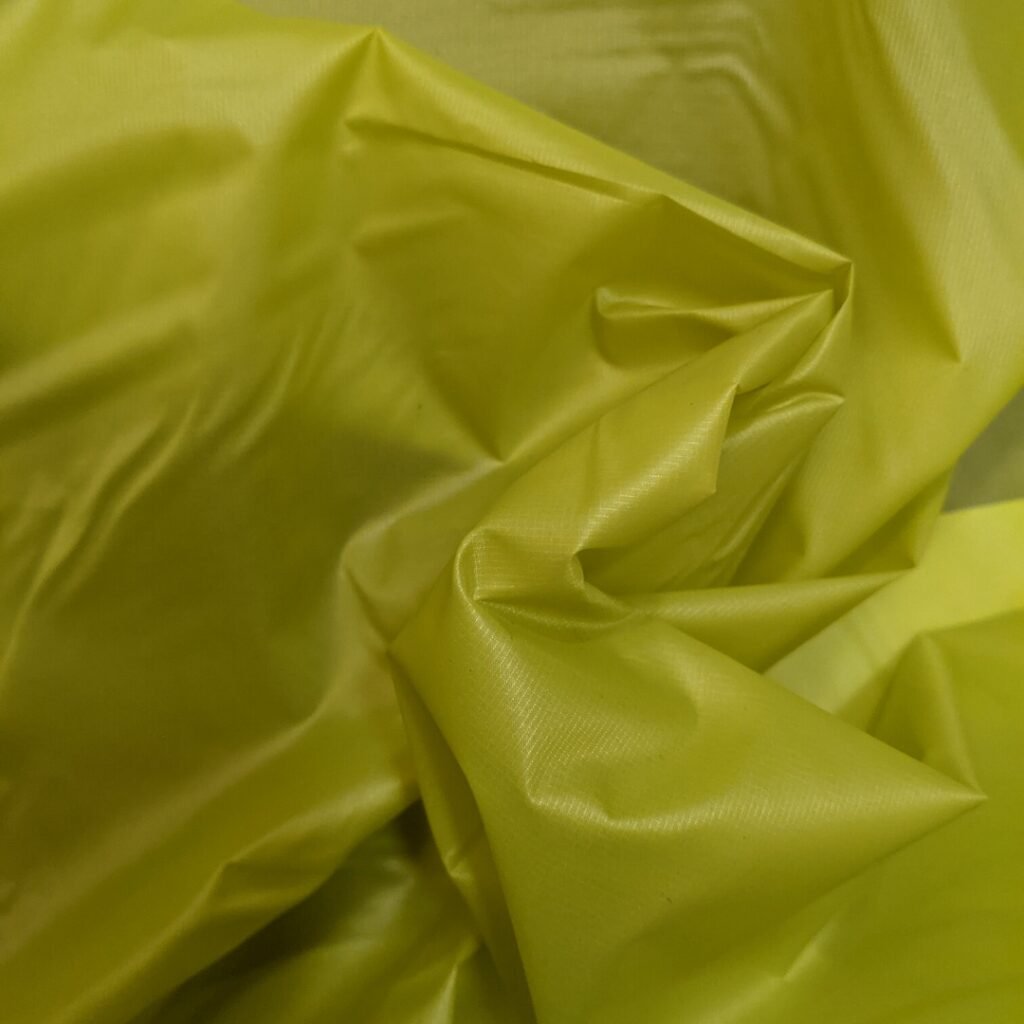
silnylon material
Final Thoughts
Silnylon fabric has earned its reputation as a lightweight, high-performance material for outdoor gear.
But the key to using it successfully is knowing when it works — and when it doesn’t.
👉 Choose it for strength and waterproofing.
👉 Avoid it when you need breathability or long-term stability.
That’s how you get the best results.
Looking for Reliable Silnylon Fabric Supply?
Whether you’re sourcing silnylon for outdoor gear manufacturing or bulk purchasing, choosing the right specification is essential.
👉 Contact us today for samples, technical support, and competitive pricing tailored to your needs.