When it comes to baby essentials, few fabrics are trusted as much as muslin. Parents, pediatric nurses, and baby brands consistently choose it for swaddles, blankets, burp cloths, and more.
If you’ve wondered about muslin cloth uses or asked what are muslin cloths used for, this guide explains why breathable muslin remains the gold standard for baby care.
What Makes Muslin Ideal for Babies?
1. Breathable Muslin Helps Regulate Temperature
One of the most important features of muslin is airflow.
Breathable muslin:
-
Allows heat to escape
-
Reduces risk of overheating
-
Promotes better air circulation
-
Feels light against delicate skin
For newborns—who cannot regulate body temperature efficiently—this breathability is especially important.
2. Softness That Improves With Washing
High-quality cotton muslin starts soft and becomes even softer over time.
Unlike synthetic fabrics that pill or stiffen, muslin:
-
Loosens slightly with washing
-
Develops a gentle, lived-in feel
-
Remains lightweight
This makes it ideal for repeated daily use.
3. Lightweight but Strong
Muslin’s plain weave structure provides:
-
Durability
-
Tear resistance
-
Easy laundering
-
Long-term usability
It’s thin enough to fold easily yet strong enough to withstand constant washing.
What Are Muslin Cloths Used For?
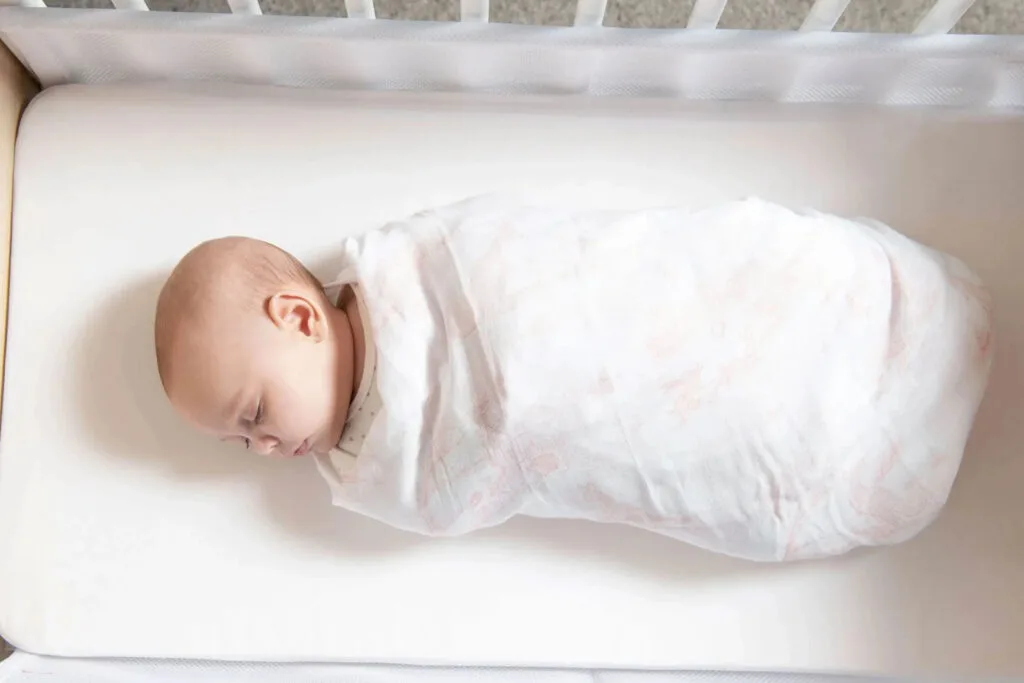
what are muslin cloths used for
Common Baby Applications
1. Swaddle Blankets
The most popular use. Muslin wraps snugly while still allowing airflow.
2. Burp Cloths
Absorbent and easy to wash.
3. Nursing Covers
Lightweight coverage without trapping heat.
4. Stroller Covers
Provides shade while maintaining ventilation.
5. Washcloths
Soft enough for sensitive newborn skin.
6. Changing Pad Covers
Comfortable and breathable layer.
Muslin’s versatility makes it a staple in diaper bags and nurseries.
Double Gauze Muslin: The Baby Favorite
Many baby blankets are made from double gauze muslin.
This construction features:
-
Two thin layers of cotton gauze
-
Light stitching between layers
-
Slightly crinkled texture
-
Extra softness and cushioning
It feels plush without becoming heavy—perfect for swaddles and lightweight blankets.
Safety & Comfort Benefits
Parents choose muslin because it offers:
✔ Natural fiber composition (typically 100% cotton)
✔ Fewer irritants than synthetic fabrics
✔ Reduced overheating risk
✔ Easy breathability during naps
✔ Soft contact against sensitive skin
Always follow safe sleep guidelines and avoid loose bedding in cribs, but muslin remains a preferred fabric choice for supervised use.
Why Not Use Thicker Fabrics?
Heavier fabrics may:
-
Trap heat
-
Limit airflow
-
Feel bulky when wrapping
-
Overwhelm small newborn bodies
Muslin’s lightweight structure makes swaddling easier and more comfortable.
Home Uses Beyond Baby Care
Muslin isn’t only for nurseries.
It’s also used in:
-
Lightweight throw blankets
-
Kitchen cloths
-
Rustic curtains
-
Table runners
-
Summer bedding layers
Its natural texture complements minimalist and organic interior styles.
How to Care for Muslin Baby Blankets
To maintain softness and durability:
-
Wash in cold or warm water
-
Use gentle detergent
-
Tumble dry low or air dry
-
Avoid high heat to reduce shrinkage
Muslin may shrink slightly after first wash—pre-washing before first use is recommended.
How to Choose High-Quality Muslin
When shopping, look for:
-
100% cotton fiber
-
Even weave without loose threads
-
Soft but substantial hand feel
-
Secure stitching (for double gauze)
-
Pre-washed or pre-shrunk labeling
Higher thread count muslin feels smoother but remains breathable.
The Bottom Line
Muslin has earned its reputation in baby care because it balances softness, durability, and airflow better than most fabrics.
If you’re asking what are muslin cloths used for, the answer is simple: nearly everything in early childhood care.
From swaddles to stroller covers, breathable muslin delivers comfort, practicality, and peace of mind—making it a true nursery essential.