If you own a boat, you know that the marine environment is brutal on furniture. Between the constant exposure to saltwater, intense direct sunlight, and high humidity, standard upholstery fabric doesn't stand a chance. It will fade, rot, and develop mold within a single season.

marine vinyl fabric
That is where marine vinyl fabric comes in. As the premier boat upholstery material, it is engineered specifically to survive where other fabrics fail. In this guide, we explore the unique properties of marine-grade vinyl and why it’s a non-negotiable for your vessel.
1. What Makes 'Marine Grade' Different?
Not all vinyl is created equal. While standard vinyl (like what you might find on a kitchen stool) looks similar, marine vinyl fabric contains specialized additives that protect it against the specific threats of the open water.
-
UV Inhibitors: Marine-grade vinyl is infused with chemicals that prevent the material from cracking or yellowing under constant UV exposure.
-
Antimicrobial Agents: Because boat seats are often damp, marine vinyl is treated to resist the growth of mold, mildew, and fungi.
2. Core Features of Marine Vinyl Fabric
When sourcing the best boat upholstery material, you should look for these three critical features:
100% Waterproofing
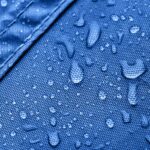
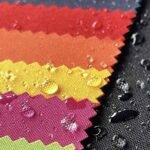
Unlike woven textiles that rely on coatings, vinyl is a non-porous material. Water stays on the surface, meaning it can be wiped off instantly. This prevents moisture from seeping into the seat foam, which is the leading cause of 'stinky boat' syndrome.
Saltwater Resistance
Salt is highly corrosive. Marine vinyl fabric is designed to withstand salt spray without the surface becoming brittle or losing its color.
Heat Reduction Technology
Modern high-end marine vinyls often feature 'Cool Touch' technology. This prevents the dark-colored vinyl from becoming painfully hot when sitting in the sun, a major plus for summer boating.
3. Top Boat Upholstery Material Choices
While vinyl is the leader, there are different 'grades' to consider:
-
Expandable Backing Vinyl: Perfect for wrapping around tight corners and complex curves on boat dashboards or captain's chairs.
-
Textured Marine Vinyl: Mimics the look of carbon fiber or leather to give your boat a high-end, custom aesthetic.
-
Heavy-Duty PVC: Used for boat covers and exterior enclosures where maximum tear resistance is required.
4. Maintenance: Keeping Your Marine Vinyl Like New
To extend the life of your marine vinyl fabric, follow these simple steps:
-
Rinse after every trip: Use fresh water to remove salt crystals.
-
Use Vinyl-Safe Cleaners: Avoid harsh bleach or ammonia-based cleaners, as they can strip away the UV-protective layer.
-
Apply a UV Protectant: Use a marine-specific spray (like 303 Protectant) every few months to keep the vinyl supple.
5. DIY Tip: Selecting the Right Tools
If you are reupholstering your boat seats yourself, the boat upholstery material is only half the battle. Ensure you use:
-
Stainless Steel Staples: Regular staples will rust and fail in weeks.
-
Polyester Thread: Cotton thread will rot; high-strength polyester or PTFE thread is required for marine use.